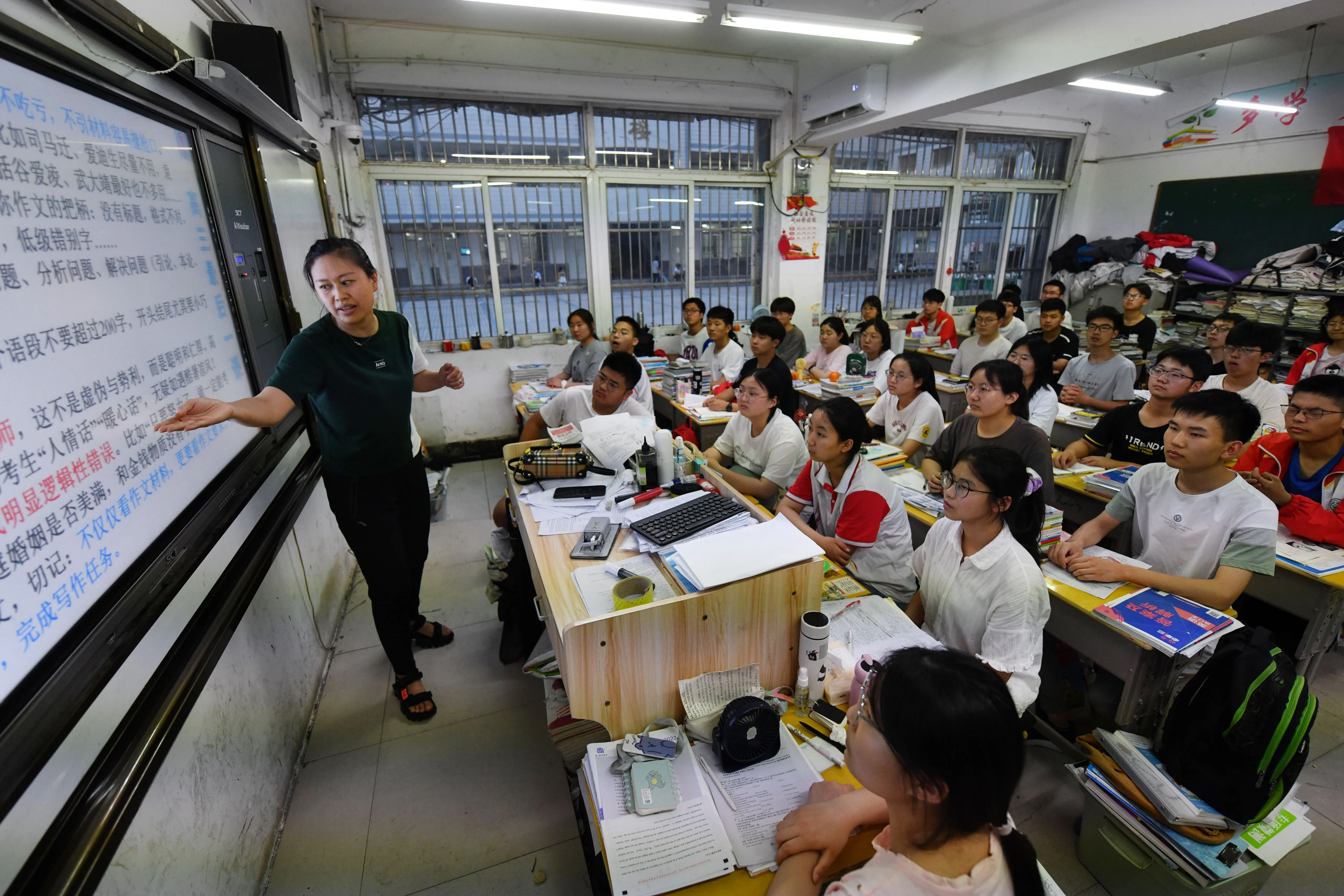
中国计划扩大高中和大学招生名额,同时缩减幼儿园和中小学班额,这一资源配置转变是由出生率下降导致的人口结构变化驱动的。
China is planning to expand high school and university places while reducing class sizes in kindergartens and schools for younger students, as changing demographics fuelled by falling birth rates drive a shift in resources.
一位高级官员表示,教育系统面临双重挑战:入学的幼龄儿童减少,而升入高中和大学的学生群体却在扩大。
The education system faces a dual challenge: fewer young children are starting school even as larger cohorts of students enter senior high school and university, a senior official said.
国家发展和改革委员会社会发展司副司长黄伟如周二在新闻发布会上表示,人口结构变化要求对教育体系的某些部分进行缩减,并对其他部分进行有针对性的扩大。
Huang Weiru, deputy director of the social development department at the National Development and Reform Commission, told a news conference on Tuesday that the demographic shift called for downsizing some parts of the education system and a targeted expansion in others.
这一评估出台之际,中国将教育改革视为在人口萎缩背景下支撑高质量经济增长的更广泛举措的一部分。在全球争夺顶尖人才的竞争中,北京日益重视科学素养、文化素养和职业技能。
The assessment comes as China frames education reform as part of a broader push to support high-quality economic growth with a shrinking population. Beijing has placed increasing emphasis on scientific literacy, cultural attainment and vocational skills amid a global race for top-tier talent.
黄伟如说:“在‘十五五’期间,高中和高等教育的供需矛盾将加剧。”他指的是2026年至2030年的经济规划周期。
“During the 15th five-year period, supply-demand tensions in senior high schools and higher education will intensify,” Huang said, referring to the 2026-2030 economic planning cycle.
黄伟如表示,当局计划通过新建设施、改造现有设施和更好地利用现有设施来创造更多高中学位,并将扩大大学招生规模,尤其是顶尖大学的招生规模。
Authorities plan to create more high-school places by building new facilities, renovating existing facilities and making better use of available ones, Huang said, adding that university enrolments would also be expanded, especially at top universities.
21世纪教育研究院院长熊丙奇表示,进入高中的学生人数预计要到2029年前后才会达到峰值,而大学新生人数预计将在2032年前后达到峰值。
Xiong Bingqi, director of the 21st Century Education Research Institute, said the number of students entering high school was not expected to peak until around 2029, while university entrants were projected to peak around 2032.
熊丙奇说:“在人口趋势和家长对高中升学率及本科招生名额期望提高的双重影响下,增加这些资源的供给是必然的现实选择。”
“Under the dual influence of demographic trends and rising parental expectations for higher high-school admission rates and undergraduate places, increasing the supply of these resources is an inevitable practical choice,” Xiong said.
与此同时,高级官员黄某表示,政府将支持研究型大学和提供本科教育的专业职业学院的发展。
Meanwhile, Huang, the senior official, said the government would support the development of research-oriented universities and specialised vocational colleges offering undergraduate degrees.
近年来,随着对科技创新的更强重视,中国涌现出越来越多由亿万富翁资助的研究型大学。
China has seen a growing number of billionaire-backed, research-focused universities in recent years amid a stronger emphasis on scientific and technological innovation.
最新的例子是位于杭州的钱塘大学。据浙江省政府上周发布的一份教育规划显示,农夫山泉创始人钟睒睒计划在10年内向该校捐赠400亿元人民币(约合60亿美元),以建设一所“高起点、研究驱动、国际化、小而精”的大学。
The latest example is Qiantang University in Hangzhou. Nongfu Spring founder Zhong Shanshan has backed the institution with a planned 40-billion-yuan (US$6 billion) donation over 10 years to establish a “high-starting-point, research-driven, internationally oriented and small yet excellent” university, according to an education plan released by the Zhejiang provincial government last week.
对于服务年龄较小学生的学校而言,挑战则相反:随着学生人数下降,如何利用过剩资源,据周三的吹风会介绍。
For schools serving younger students, the challenge is the reverse: how to make use of excess resources as student numbers drop, according to Wednesday’s briefing.
黄某表示,2021年至2025年间,幼儿园、小学和初中入学人数减少了近1700万学生。
Between 2021 and 2025, enrolment in kindergartens, primary schools and junior high schools fell by nearly 17 million students, Huang said.
她补充说,当局将鼓励减小班额,并将闲置校舍改建为劳动教育、艺术等活动场所,旨在提升质量,而非单纯削减资源。
Authorities would encourage smaller class sizes and convert unused buildings into spaces for labour education, arts and other activities, aiming to improve quality rather than simply cut resources, she added.
中国领导层多次将“高质量人口发展”描述为可持续增长的关键,因为中国总人口自2022年起已出现下降。在上月底的一次国务院会议上,总理李强强调了提高科学、文化和职业技能的重要性。
China’s leadership has repeatedly described “high-quality population development” as essential to sustainable growth, as the country’s total population has declined since 2022. At a State Council meeting late last month, Premier Li Qiang stressed the importance of improving scientific, cultural and vocational skills.
官方数据显示,从21世纪初到2010年代中期,年出生人口长期维持在1500万至1650万的相对稳定水平,2016年全国实施“二孩政策”后曾短暂回升。
Official figures showed that annual births remained relatively stable at 15 to 16.5 million from the early 2000s to the mid-2010s, before surging briefly in 2016 when the two-child policy took effect nationwide.
但随后出现了陡峭下跌。到2025年,出生人口数量已降至792万——不足约十年前水平的一半,也是1949年以来的最低数字。
But a steep fall followed. By 2025, the number had dropped to 7.92 million – less than half the level about a decade earlier and the lowest figure since 1949.