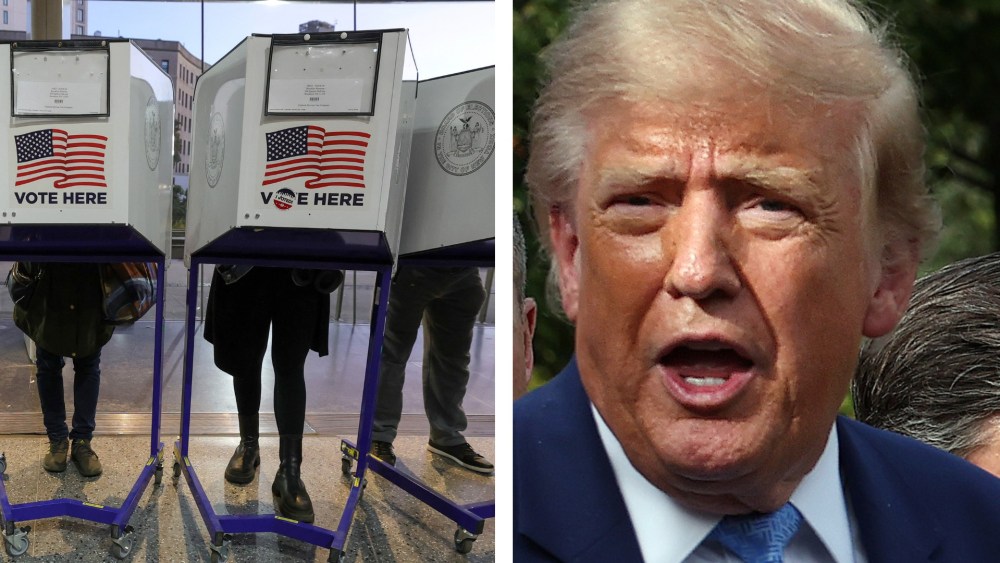
11月9日,总统唐纳德·特朗普在“真相社交”上发文,质疑民调为何会如此不准。“真的有人相信这场‘选举’是诚实的吗?”总统写道,“民调怎么会错得这么离谱???”同一天,密西西比州尚未决出胜负的参议院竞选中,民主党候选人斯科特·科洛姆抱怨称,那些将这场竞争判定为稳操胜券属于共和党的政治预言家们,使得“筹款变得更加困难,这也是南方长期被忽视的部分原因”。这种关于民调和预测出现巨大失误的说法正确吗?
On Nov. 9, President Donald Trump took to Truth Social to wonder how the polls could have been so wrong. “Does anybody really believe that this ‘Election’ was honest,” the president wrote. “How could the Polls be so wrong???”The same day, Scott Colom, the Democratic candidate in Mississippi’s still-uncalled Senate race, complained that political prognosticators who called the contest safely Republican made it “much more difficult to fundraise and are part of the reason the South has been neglected for so long.”Is this narrative of a massive polling and forecasting miss right?
专家预测人士在密西西比州以及众议院其他看似不可能获胜的民主党选区上失算了。但多数民调机构的表现符合历史预期。总统的顾问当时可能向他展示了来自右翼倾向机构的民调,这些机构在2024年总统大选中表现良好。它们今年表现得比其他机构更差。
Expert handicappers whiffed on Mississippi and on other seemingly unlikely Democratic victories in the House. But most pollsters performed in line with historical expectations. The president’s advisers may have been showing him surveys from right-leaning outfits that performed well in the 2024 presidential race. Those did worse than others this year.
我利用我们在“FiftyPlusOne”的历史民调数据库,筛选出了在竞选最后三周内发布的针对众议院、参议院和州长竞选的所有公开民调,以及全国两党意向投票——总共涉及88场竞选的373份民调。随后,我将这些民调与截至美东时间11月10日上午7点04日的中期选举结果进行了对比。总体而言,今年的民调在各项竞选中对民主党支持率的低估幅度平均达到了3.4个百分点。
I used our historical polling database at FiftyPlusOne to select every public poll released in the final three weeks of the campaign for House, Senate and governor races, plus the national generic ballot — 373 polls of 88 contests in all. I then compared them to the results of the midterm elections as of 7:04 a.m. EST on Nov. 10. On average this year, the polls underestimated support for Democrats across races by 3.4 points.
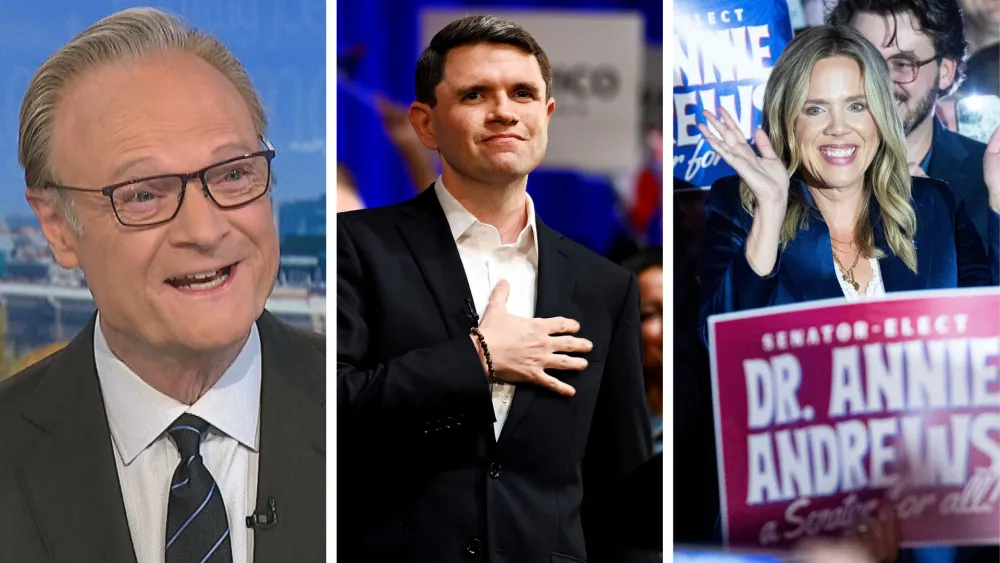
这比典型年份更糟糕。自1998年以来,一个周期内的平均民调偏差约为2.8个百分点,偏向其中一方。但偏差通常呈现两种规模:在其中一半的选举周期中,民调偏差在1个百分点或以下。今年的偏差在15个周期中排名第四,仅次于2020年(偏向共和党6.3个百分点)、1998年(偏向民主党3.8个百分点,同样是中期选举)和2016年。这使得民调表现与2012年、2014年和2024年处于同一水平。各类选举的民调偏差也十分均匀:众议院、参议院和州长民调对民主党的低估幅度均约为3.3个百分点。
That’s worse than a typical year. Since 1998, the polls in an average cycle have missed by about 2.8 points in one direction or the other. But misses tend to come in two sizes: In half of those cycles, the polls missed by a point or less. This year’s miss is the fourth-largest of the 15, behind 2020 (6.3 points in Republicans’ favor), 1998 (3.8 points in Democrats’ favor, also in a midterm) and 2016. That puts the polls on par with their performance in 2012, 2014 and 2024. The miss was also even across offices: House, Senate and governor polls each underestimated Democrats by about 3.3 points.
那么,为什么那么多选举观察人士会对上周的民调误差感到如此惊讶呢?一种解释是,他们被民调偏离的方向打了个措手不及,因为近期的民调往往低估了共和党人,而不是民主党人。从心理学角度来看,这算合理,虽然在统计学上未必如此。通用选票民调的最后平均结果显示,民主党人在全国范围内领先9个百分点,而根据目前的计票结果,他们在全国众议院得票率上领先约13个百分点。如果这一结果保持不变,这将是自1986年以来通用选票对民主党人的最大低估。
So why were so many election watchers so surprised at the polling error last week? One explanation is that they were caught off guard by the direction of the miss, as the polls have recently tended to underestimate Republicans, not Democrats. That’s fair psychologically, if not statistically. The final average of generic-ballot polls had Democrats up 9 points nationally, and on current counts they’re winning the national House vote by about 13 points. If that holds, it would be the largest underestimate of Democrats on the generic ballot since 1986.
另一种解释是,民主党人正在那些放在仅仅两年前会令人震惊的地方获胜。科洛姆在密西西比州的竞选就是一个很好的例子。在最后三周里,密西西比州参议院竞选唯一的公开民调来自变革研究公司(Change Research)10月21日至22日进行的调查,该民调显示他以43%比40%落后于共和党参议员辛迪·海德-史密斯,另一位候选人泰·平金斯的支持率为6%。
Another is that Democrats are winning in places that would have been shocking just two years ago. Colom’s race in Mississippi is a good example. The only public poll of Mississippi’s Senate race in the final three weeks, from Change Research on Oct. 21-22, had him trailing Republican Sen. Cindy Hyde-Smith 43% to 40%, with another candidate, Ty Pinkins, at 6%.
在几乎所有选票都已清点完毕的情况下,科洛姆微弱领先,这意味着误差大约为4个百分点(其中一部分原因可能是平金斯的支持者在最后关头转向了科洛姆)。但是……拜托?一个民主党人获胜?从2024年的角度来看,这是不可想象的。
With nearly all the vote counted, Colom is narrowly ahead, making for a roughly 4-point error (some of which may be Pinkins’ voters breaking for Colom late). But … come on? A Democrat winning? That is unthinkable from the vantage point of 2024.
对特朗普受到的冲击的一个更狭隘的解释是,他看错了民调机构。今年误差最大的机构通常是那些倾向于共和党并在倾向共和党的社交媒体(包括总统的服务平台“真实社交”)上被分享的机构。
A narrower explanation for Trump’s shock is that he was looking at the wrong pollsters. The firms that missed worst this year were the ones that usually lean Republican and get shared on GOP-leaning social media, including the president’s service, Truth Social.
看看得克萨斯州的民调。在最后三周里,有17家民调机构对参议院竞选进行了调查,它们的平均结果显示,民主党人詹姆斯·塔拉里科领先共和党人肯·帕克斯顿约3个百分点。截至周二,塔拉里科以约12个百分点的优势获胜。这9个百分点的误差相当大,即使考虑到对民调机构的中立筛选也是如此。
Consider the polls in Texas. Seventeen pollsters surveyed the Senate race in the final three weeks, and their average had Democrat James Talarico up about 3 points over Republican Ken Paxton. As of Tuesday, Talarico was winning by about 12 points. That 9-point error is quite large, even considering a neutral selection of the pollsters.
例如,特拉法加集团(Trafalgar Group)的民调——该机构由罗布·卡哈利(Rob Cahaly)领导,他是右倾有线电视网络的常客,过去曾与共和党竞选活动合作——今年在同一场次选举中,与其他民调机构相比,偏向共和党3.6个百分点。与2016年至2024年同一场次选举的其他民调相比,特拉法加偏向共和党3.8个百分点。
For instance, polls from the Trafalgar Group — led by Rob Cahaly, a frequent guest of right-leaning cable networks who has worked with GOP campaigns in the past — leaned 3.6 points toward Republicans this year, compared with other pollsters in the same races. Also compared with other polls in the same races from 2016 to 2024, Trafalgar leaned Republican by 3.8 points.
内部优势民调(InsiderAdvantage)今年偏向右翼2.1个百分点,历史上偏向1.5个百分点。来自co/efficient和埃舍隆洞察(Echelon Insights)两家知名共和党竞选民调机构的调查,也低估了对民主党的支持(埃舍隆的情况低估幅度稍小)。
InsiderAdvantage leaned 2.1 points to the right this year and 1.5 points historically. Surveys from co/efficient and Echelon Insights, two prominent Republican campaign pollsters, also understated support for Democrats (in Echelon’s case, by a little less).
2024年,在特拉法加和内部优势民调所调查的选举中,其他民调机构低估了共和党约3个百分点。特拉法加的民调误差仅为0.3个百分点,内部优势民调的误差为0.6个百分点。量子民调(Quantus)调查了总统竞选,在其调查的选举中平均误差为0.2个百分点,而这些选举中的其他民调机构低估了特朗普2.4个百分点。这让这些公司看起来像天才。
In 2024 other pollsters underestimated Republicans by about 3 points in the races Trafalgar and InsiderAdvantage surveyed. Trafalgar’s polls missed by just 0.3 and InsiderAdvantage’s by 0.6. Quantus, which polled the presidential race, was off by an average of 0.2 points in the races it surveyed, while other pollsters in those races underestimated Trump by 2.4. This made these firms look like geniuses.
然而,在经历了一次新的选举后,这些民调机构在调查中加入的“秘方”,让它们看起来准确,现在看起来更像是亲共和党偏见。当所有其他民调都低估对共和党的支持时,这奏效;但当这些机构本身是被低估的一方时,这会给它们的调查增加更多误差。
However, with a new election under their belt, it’s looking more like the secret sauce these pollsters were adding to their surveys to make them look accurate was just pro-Republican bias. That works when all the other polls understate support for Republicans, but adds even more error to your surveys when are the ones being underestimated.
需要说明的是,非党派民调机构的年份也不好。来自中立且备受尊敬的机构,如《纽约时报》/锡耶纳大学、YouGov和马里斯特大学的民调,也都低估了民主党。只是它们低估的幅度,比历史上偏向共和党的民调机构要小。
To be clear, it’s not like the nonpartisan pollsters had a good year, either. Polls from neutral and highly respected outfits, such as The New York Times/Siena University, YouGov and Marist University, all underestimated Democrats too. They just understated them by less than the historically GOP-leaning pollsters.
2016年、2020年和2024年民调都低估了共和党人,此后,民调偏向民主党的传统观念已硬化为一条规则。与此同时,偏向右翼的民调公司因“预测准确”而受到赞誉。8月,共和党民调员、Echelon Insights联合创始人帕特里克·拉菲尼撰写了一篇广为传播的分析文章,指出参议院民调“连续四个周期”高估了民主党,并以夏季民调显示民主党在俄亥俄州、得克萨斯州和阿拉斯加州领先为例,认为同样的模式正在再次出现。基于此,许多民调观察者得出结论,民调将再次高估民主党。
After the polls underestimated Republicans in 2016, 2020 and 2024, the conventional wisdom hardened into a rule that polls are biased against the GOP. Firms that leaned right, meanwhile, got credit for “getting it right.”In August, Patrick Ruffini, a Republican pollster and co-founder of Echelon Insights, wrote a widely shared analysis noting that Senate polls had overestimated Democrats “for four cycles in a row,” and he pointed to summer polls showing Democrats ahead in Ohio, Texas and Alaska as the same pattern playing out again. From this, many poll watchers concluded that polls would overstate Democrats again.

这一假设被证明是致命的错误。任何调整分析以有利于共和党的人,无论是信任偏向右翼的民调公司,还是假设共和党会再次出现偏差,最终都比简单的平均值更偏离实际结果。正如科洛姆指出的那样,预测人员将密西西比州的参议院选举评为“稳胜共和党”,尽管唯一的晚期民调显示双方相差不足3个百分点。
This turned out to be a fatally flawed assumption. Anyone who adjusted their analyses in favor of Republicans, whether by trusting the right-leaning firms or by assuming another GOP miss, ended up further from the result than the plain averages. Forecasters rated Mississippi’s Senate race “safe Republican,” as Colom pointed out, even though the only late poll had it within 3 points.
选举前一天,我们在FiftyPlusOne警告说,无法预先判断民调偏差会朝哪个方向发展。自1998年以来,一个周期的民调误差与下一个周期几乎没有关系。(从统计学上讲,周期之间甚至存在轻微的负相关;当民调在某一年高估民主党时,往往会在下一年低估他们。)因此,2026年的一个教训是,分析人士不应在2028年将民调数字向民主党方向推,正如他们不应在10月将民调数字向共和党方向推一样。预计民调会偏差几个百分点,不要假设你知道偏差的方向。
The day before the election, we warned at FiftyPlusOne that you can’t tell in advance which way the polling miss will go. Since 1998 there has been almost no relationship between one cycle’s polling error and the next. (Statistically speaking, there is even a slight negative correlation between cycles; when polls overshoot Democrats in one year, they tend to undershoot them the next.) So one lesson from 2026 is that analysts should not push poll numbers toward Democrats in 2028, any more than analysts should have pushed them toward Republicans in October. Expect the polls to miss by a few points, and don’t assume you know the direction.
另一个教训是,不要过分看重个别公司最近看似取得的胜利。公司可能因为其他民调机构恰好出错,或者其方法在某一环境下有效而在另一环境下无效,而连续几个周期都运气不错。你应该根据民调机构在多次选举中的记录来评判,而不是看他们是否在某一次中偏向了正确的一方。
The other lesson is to not overindex on recent apparent wins by individual firms. It is possible for firms to get lucky for a few cycles in a row just because other pollsters happen to be off, or because their methods work in one environment and not another. You should judge pollsters on their record over many elections rather than on whether they leaned the right way once.