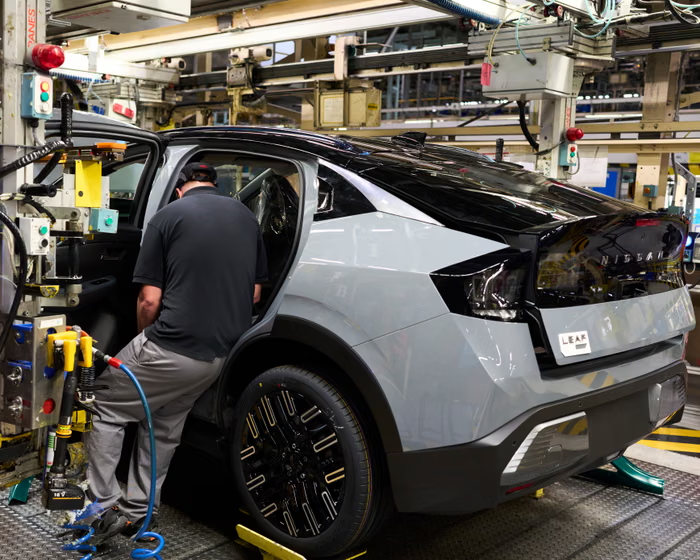
日本汽车制造商日产表示,在中国这个全球最大的汽车市场爆发残酷价格战之际,电动车和混合动力车加速普及的势头让其措手不及。
The Japanese carmaker Nissan has said it has been caught out by accelerating sales of electric and hybrid cars in China amid a brutal price war in the world’s biggest automotive market.
这家制造商大幅下调了中国市场的销量预测,并表示将削减燃油车产量,同时增加纯电动车和插电式混合动力车的产量。插电式混合动力车将较小的电池与汽油发动机结合在一起。
The manufacturer slashed its sales forecasts for China and said it would cut back on petrol car manufacturing while increasing production of battery electric vehicles and plug-in hybrids, which combine a smaller battery with a petrol engine.
日产表示,今年预计将销售297万至300万辆汽车,低于此前预测的315万辆,主要原因是其在中国的困境。
Nissan said it expected to sell between 2.97m and 3m cars this year, down from a previous forecast of 3.15m, mainly because of struggles in China.
“中国仍是我们最大的挑战,”日产首席执行官伊万·埃斯皮诺萨表示。“需求走弱,竞争加剧,向新能源汽车的转型比预期更快。市场形势非常、非常严峻。”该公司报告称,其本土市场以及北美市场的销量有所增长。由于政策决定,包括唐纳德·特朗普取消对电池汽车制造商的激励措施,这些地区向电动车的转型要慢得多。
“China remains our biggest challenge,” said Ivan Espinosa, Nissan’s chief executive. “Demand is weaker, competition is intensifying, and the shift to new energy vehicles is happening faster than expected. The market is being very, very harsh.”The company reported increased sales in its home market as well as in North America, regions in which the shift to electric cars has been much slower because of policy decisions, including Donald Trump’s tearing up of incentives for battery car makers.
世界不同地区之间的这种分化,凸显了全球汽车制造商面临的挑战。许多车企正试图尽可能长久地继续销售利润更高的汽油车和柴油车,同时冒着被较新的中国竞争对手甩在后面的风险。
That divergence between different parts of the world illustrates the challenge for global carmakers, many of whom are trying to continue selling their more profitable petrol and diesel cars for as long as possible while risking being left behind by newer Chinese rivals.
中国政府为其电动汽车产业提供了巨额补贴,看准了超越德国、日本和美国等国的机会。这些国家曾主导内燃机汽车的销售。
China’s government gave weighty subsidies to its electric car industry, spotting an opportunity to overtake other countries such as Germany, Japan and the US, which had dominated sales of internal combustion engine cars.
这催生了大量中国电动车竞争对手,而它们如今正在追逐一个不断萎缩的市场。日产表示,今年上半年其在华销量下降了22%。日产表示,这种压力“从7月到10月不断加剧”,导致该公司今年前九个月的销量下降了32%。
That led to a huge number of Chinese EV competitors, which are now chasing a shrinking market. Nissan said sales across China fell by 22% in the first half of the year. That pressure “intensified from July through October” and left the carmaker’s sales down 32% in the first nine months of the year, Nissan said.
埃斯皮诺萨表示,日产在中国的产品阵容以轩逸系列轿车为主,与汽油发动机的关联过于紧密,因此公司正在削减当地产量,出口部分产品,同时努力提升其N系列车型的产量,这些车型为纯电动或插电式混合动力车。
Espinosa said Nissan’s product lineup in China, led by the Sylphy family of saloon cars, was too heavily associated with petrol engines, so the company was cutting local production, exporting some products, while trying to ramp up its N series of models, which are electric or plug-in hybrids.
然而,在推动中国增加电动汽车生产的同时,日产也是在欧洲放缓向电池转型的制造商之一。在英国,这家汽车制造商游说削弱零排放车辆强制令(一项提高电动汽车销量的目标),并寻求在2035年后继续销售汽油车。
Yet at the same time as pushing for increased electric car production in China, Nissan has been among the manufacturers slowing the shift to batteries in Europe. In the UK the carmaker has lobbied to weaken the zero-emission vehicle mandate, a target for increasing EV sales, and to continue to sell petrol cars after 2035.
尽管有证据显示英国对电动汽车的需求正在上升,尤其是在伊朗战争推高汽油和柴油价格之后,日产仍进行了上述游说。本周的数据显示,二手电动汽车的销量增速远快于汽油车。
That lobbying came despite evidence of rising demand for electric cars in the UK, particularly since the Iran war pushed up petrol and diesel prices. Data this week showed that sales of used electric vehicles rose much faster than petrol cars.
汽车销售网站Autotrader的首席客户官伊恩·普拉默表示:“二手车市场最突出的趋势是电动汽车零售销量的快速上升,10月同比猛增56%,令人瞠目,目前占Autotrader零售销量的十分之一。”日产在欧洲唯一的工厂位于英格兰北部的桑德兰。埃斯皮诺萨表示,他希望日产在桑德兰和日本生产的产品能被纳入欧盟拟议的“欧洲制造”规则。按照草案,这些规则将把日产所有汽车排除在欧盟的补贴和其他激励措施之外,这给该汽车制造商增添了压力。
Ian Plummer, the chief customer officer at the car sales website Autotrader, said: “The standout trend in the used car market is the rapid rise of retail sales of electric vehicles, up an eye-popping 56% year on year in October and now accounting for one in 10 retail sales on Autotrader.”Nissan’s only European factory is in Sunderland in northern England. Espinosa said he was hopeful that the company’s products from Sunderland and Japan would be included in proposed “Made in Europe” rules from the EU. The rules as drafted would exclude all of Nissan’s cars from subsidies and other incentives within the EU, adding to pressure on the carmaker.