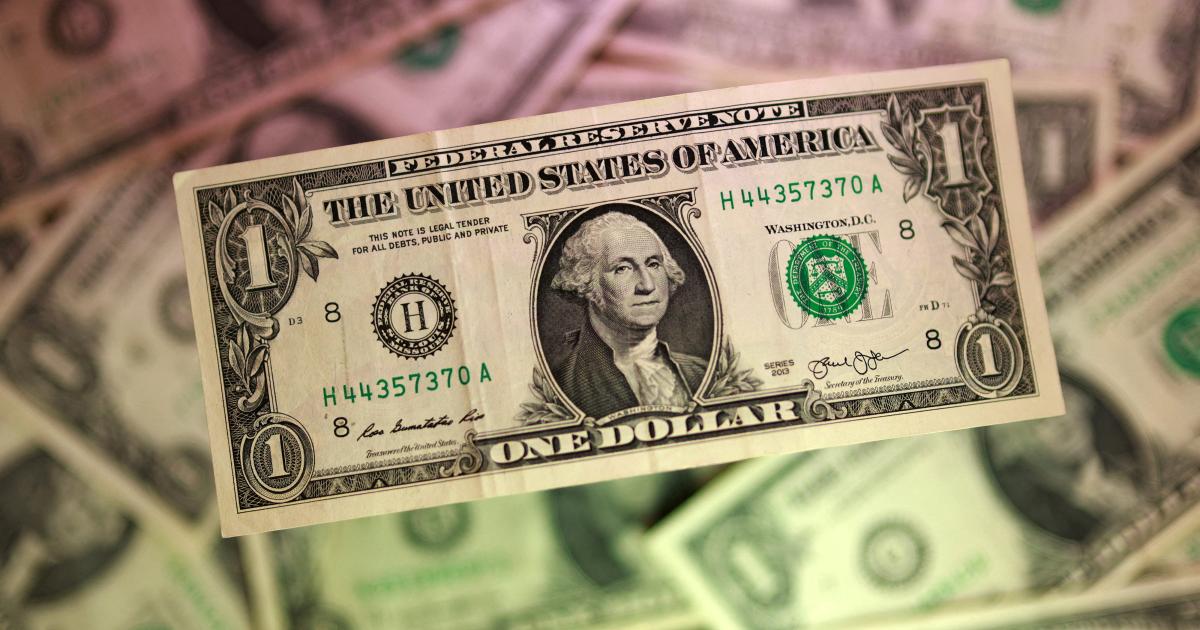
世界大部分地区急于摆脱以美元为主导的全球金融体系的魔爪,这已不是什么秘密。一个多世纪以来,该体系赋予了美国巨大的金融影响力,美国利用这种影响力对其对手实施金融制裁,并在近几十年来借钱为其预算和贸易赤字提供资金。几十年来,外国政府一直试图削弱美元的控制力,但在将本国货币确立为合法的替代选择方面几乎没有取得什么成功。
It is no secret that much of the world is eager to escape from the clutches of the dollar-dominated global financial system. For over a century, that system has given the United States enormous financial clout, which it has wielded in applying financial sanctions against its adversaries and, in recent decades, to borrow money to fund its budget and trade deficits. For decades, foreign governments have tried to weaken the dollar’s grip, but they have had little success in establishing their currencies as a legitimate alternative.
如今,一股可能带来剧烈变局的新力量已经出现:技术。金融创新,尤其是数字货币和电子支付系统方面的创新,最终可能会让其他货币拥有更好的与美元竞争的机会。这些创新使得直接兑换不同货币变得更加容易且成本更低,而无需再将美元作为中间货币。
Now, a new force has emerged that could shake things up: technology. Financial innovations, especially in digital currencies and electronic payment systems, could finally give other currencies a better chance of competing with the dollar. These innovations are making it easier and cheaper to exchange currencies directly for one another rather than using the dollar as an intermediary currency.
然而,尽管这些创新为货币兑换创造了诸多新机遇,但全球交易摩擦的减少可能只会巩固美元的主导地位。即便使用美元替代品的成本下降,如果这些国家的金融市场依然动荡、机构依然薄弱,外国投资者也不会利用这些替代品。随着美国政府债务飙升、法治遭到侵蚀、美联储的独立性受到质疑,美元的主导地位或许看起来充满不确定性。但美元可能会因缺乏竞争者而继续稳坐霸主地位。
But for all the new opportunities these innovations create for currency exchange, reduced frictions in global transactions might only reinforce the dollar’s dominance. Even if costs decrease for using dollar alternatives, foreign investors will not capitalize on them if those countries’ financial markets remain unsteady and their institutions weak. As U.S. government debt soars, the country’s rule of law erodes, and the Federal Reserve’s independence comes into question, the dollar’s dominance may seem uncertain. But the dollar could remain supreme by default.
美元继续占据主导地位可能会引发进一步的全球经济动荡,因为美国正在与其贸易伙伴为敌,并继续推行导致巨额预算赤字和贸易赤字的无纪律政策。美元也有可能失去外国投资者的信任——这种报应般的前景无疑会让许多国家的首都感到高兴。但各国政府应该小心自己许下的愿望。在全球金融恐慌时期,一个缺乏可靠最后贷款人货币的世界,可能会比一个由华盛顿主导的世界更加不稳定。
Continued dollar dominance could lead to further global economic turmoil, as the United States antagonizes its trading partners and persists with undisciplined policies that result in large budget deficits and trade deficits. There is a chance that the dollar, too, loses the trust of foreign investors—a prospect of comeuppance that would no doubt be received with glee in many capitals. But governments should be careful what they wish for. A world bereft of a reliable currency of last resort at times of global financial panic could be even more unstable than one dominated by Washington.
抓住我如果你能出于种种原因,美元本该失去其在全球金融中的主导地位。首先是美国有将本国货币武器化的嗜好。历届美国政府都对伊朗和俄罗斯等竞争对手实施金融制裁,切断它们进行美元交易的渠道,从而削弱它们的对外贸易。当美国政府威胁使用次级制裁切断美国盟友的银行和企业获取美元的渠道,以阻止第三方与受制裁国家进行交易时,美国盟友的经济有时也会卷入这些制裁之中。
CATCH ME IF YOU CAN The U.S. dollar should be losing its dominance in global finance for a host of reasons. First is the country’s penchant for weaponizing its currency. Across administrations, Washington has imposed financial sanctions on rivals, such as Iran and Russia, cutting off their access to dollar transactions and thereby kneecapping their foreign trade. The economies of U.S. allies sometimes get tangled up in these sanctions, too, when the U.S. government threatens to use secondary sanctions to cut off their banks and corporations from access to dollars in order to deter third parties from transacting with the sanctioned countries.
例如,在2014年,美国当局对法国巴黎银行处以罚款,因为该行代为处理了古巴、伊朗和苏丹客户的美元支付业务。法国政府对这笔罚款提出了抗议,但无济于事。鉴于这种高压行为,美国境外的政府官员和央行行长毫不掩饰他们减少美元依赖的意图。
In 2014, for instance, U.S. authorities penalized the French bank BNP Paribas for processing dollar payments on behalf of clients in Cuba, Iran, and Sudan. The French government protested the fine to no avail. In light of such heavy-handed behavior, government officials and central bankers outside the United States have hardly been shy about their intentions to reduce their dollar dependence.
华盛顿更广泛的政策选择,尤其是缺乏财政纪律,也应该在动摇人们对美国金融市场的信心。美国联邦政府债务目前已超过40万亿美元,接近该国年度GDP的125%,且几乎没有迹象表明华盛顿正试图加以控制。如此高的债务水平通常会导致高通胀、飙升的利息支出和货币贬值这几种情况的某种组合。特朗普政府对国际贸易采取的敌对态度(包括针对紧密盟友),也正促使各国政府考虑对其与美国的经济联系进行“去风险化”。
Washington’s broader policy choices, especially the lack of fiscal discipline, should also be undermining confidence in American financial markets. U.S. federal government debt now exceeds $40 trillion, nearly 125 percent of the country’s annual GDP, and there are scant signs that Washington is trying to rein it in. Such high debt levels usually lead to some combination of high inflation, soaring interest expenditures, and currency depreciation. The Trump administration’s hostile approach to international trade, including with close allies, is also causing governments to consider “de-risking” their economic ties to the United States.
总统唐纳德·特朗普对美联储独立性的公开攻击以及对制衡机制的削弱,正在侵蚀构成外国投资者对美元信任基础的美国体制支柱。美元受讨论最多的假想对手已经消退。
President Donald Trump’s open attacks on the independence of the Federal Reserve and weakening of checks and balances are eroding the pillars of the U.S. institutional system that underlies foreign investors’ trust in the dollar. The dollar’s most discussed putative rival has faded.
事实上,也确实有一些美元衰退的迹象。该货币在外汇储备(由外国央行持有)中所占的份额已从2000年的71%下降到今天的57%。美国国债的收益率——这种长期被视为投资者在金融动荡期间终极避风港的资产——已经上升,这意味着投资者正要求更高的回报率来向美国政府出借资金。10月,十年期国债收益率触及5.3%,创下2002年以来的最高水平。
And indeed, there are some signs of the dollar’s decline. The currency’s share of foreign exchange reserves held by foreign central banks has fallen from 71 percent in 2000 to 57 percent today. Yields on U.S. Treasury securities—the asset long seen as the ultimate safe haven for investors during financial turmoil—have risen, meaning investors are demanding a higher return for lending to the U.S. government. In October, the yield on ten-year Treasury notes hit 5.3 percent, the highest level since 2002.
然而,在大多数其他维度上,美元看起来依然像以往一样占据主导地位。如果不计入以共同使用欧元为特征的欧元区,有60%的跨境交易均以美元计价,且这一数字近年来还在不断上升。目前,在欧元区之外,欧元在跨境支付中所占的份额约为13%,人民币则不到3%。在衡量货币国际使用的绝大多数其他指标中,美元也依然保持着卓越地位,包括其在外汇市场交易活动中所占的份额,以及企业用于在全球资本市场筹集资金的国际债务证券的计价份额。
In most other dimensions, however, the dollar looks as dominant as ever. Sixty percent of cross-border transactions are denominated in dollars when excluding the eurozone, which is defined by the common use of the euro, and that number has only gone up in recent years. The euro’s share of cross-border payments outside the eurozone now stands at about 13 percent, and the renminbi’s is less than three percent. The dollar remains preeminent in most other measures of a currency’s international usage, too, including its share of trading activity in foreign exchange markets and denomination of international debt securities, which corporations use to raise funds in global capital markets.
简而言之,尚未出现能够对美元构成真正威胁的竞争对手。原因很简单:其他主要货币看起来甚至比美元更摇摇欲坠。欧元、日元和英镑等传统储备货币一直受到其各自国家疲弱经济和政治不稳定的侵蚀。尽管澳元、加元、瑞典克朗和瑞士法郎等货币填补了部分空白,但这些货币的规模都太小,无法在全球金融中产生实质影响。
In short, no serious rivals to the dollar have emerged. The reason is simple: other major currencies look even shakier than the dollar. Traditional reserve currencies such as the euro, the yen, and the pound sterling have been undermined by their countries’ weak economies and political instability. Although currencies such as the Australian and Canadian dollars, the Swedish krona, and the Swiss franc have filled in some of the gap, each of these is too small to be consequential in global finance.
人们讨论最多、名义上的美元潜在对手人民币也已黯然失色。北京方面几乎没有采取什么行动来缓解中国经济根深蒂固的问题,其中包括持续低迷的房地产市场、高额的地方政府债务,以及政府对经济和金融市场的严格管控。此外,中国政府一直不愿允许资金在其边境自由流动,也不愿让市场力量来决定其货币的汇率。
The dollar’s most discussed putative rival, the renminbi, has also faded. Beijing has done little to alleviate the Chinese economy’s deep-rooted problems, including a prolonged property market slump, high levels of local government debt, and tight government control over the economy and financial markets. Moreover, the Chinese government has been unwilling to allow for the free flow of money across its borders or for market forces to determine its currency’s exchange rate.
反过来,人民币也未能获得更广泛的国际使用。其结果是,第二梯队的货币日益碎片化,没有任何一种货币能够对占据统治地位的货币霸主构成真正的挑战。
The renminbi has, in turn, failed to garner greater international use. The result is a second tier of currencies that is increasingly fragmented, with none able to pose any real challenge to the reigning currency hegemon.
硬币的两面 在现代金融市场时代,国际货币的主要用途之一一直是促进不同货币之间的间接交易。长期以来,中国铁矿石进口商将人民币兑换成美元并以美元支付铁矿石货款,随后巴西出口商将这些美元兑换成巴西雷亚尔,这种方式一直更加简便且成本更低。这是因为跨境支付长期由以美元为基础的全球银行网络主导,这使得美元成为进行支付时最充裕的货币。但在近年来,数字技术创造了更便宜、更快速的跨境资金转移途径。
TWO SIDES OF THE SAME COIN In the era of modern financial markets, one of the main purposes of an international currency has been to facilitate indirect transactions among different currencies. It has long been easier and cheaper for a Chinese importer of Brazilian iron ore to exchange renminbi for dollars and pay for the ore in dollars and for the Brazilian exporter to then convert those dollars into Brazilian reais. This is because cross-border payments have long been dominated by a dollar-based global banking network, making dollars the most plentiful currency to conduct payments with. But in recent years, digital technologies have created cheaper and quicker pathways for moving money across borders.
一项关键的创新是货币和金融资产的代币化,这得到了被称为区块链的技术的推动。区块链本质上是一个公共数字账本,由计算机算法而不是单一银行或清算所管理,它为代币化资产的交易提供了一个平台。当事方位于哪国并不重要,只要他们能接入互联网即可。在过去的几年里,代币化的范围不仅扩大到了现金,还包括政府债券、股票和共同基金等金融资产。
One critical innovation has been the tokenization of money and financial assets, which has been facilitated by technology called blockchain. Blockchain, essentially a public digital ledger that is managed by a computer algorithm rather than by a single bank or clearinghouse, offers a platform for tokenized assets to trade. It does not matter which country the parties are located in, as long as they have Internet access. In the last few years, tokenization has expanded to include not just cash but also financial assets such as government bonds, equities, and mutual funds.
理论上,这些变化有可能重塑国际货币秩序。过去几年里,巴西、中国、印度、俄罗斯等国通过建立自己的跨境支付网络并将其相互连接,正在以本国货币进行更多贸易结算,以减少对美元的依赖。这些交易的规模目前仍然不大,因为这些货币在本国之外的用途有限,而用美元这种广为人知、广泛接受的货币进行交易仍然更容易、更便宜。
In theory, these changes have the potential to reshuffle the international currency order. Over the past few years, countries such as Brazil, China, India, and Russia have been conducting more trade in their own currencies by building their own cross-border payment networks and linking them to one another, in an effort to reduce their reliance on the dollar. The quantity of these transactions is still modest, because the currencies have limited use outside their countries, and it is still easier and cheaper to transact in a well-recognized and widely accepted currency such as the dollar.
但随着这些国家支付系统和金融市场的进一步发展,这一数字可能会大幅增加,从而改变货币格局。基于区块链的金融创新可能会增添动力。以美元计价的稳定币对美国有利。
But as the countries’ payment systems and financial markets develop further, that number could increase dramatically, altering the currency landscape. Blockchain-based financial innovations could add momentum. Dollar-denominated stablecoins are a boon for the United States.
跨境投资也可能变得容易得多。目前,投资外国证券需要通过经纪人和其他中介机构,它们收取高额费用,且处理交易需要数天时间。但债券和股票的代币化扩大了投资者获取更广泛国际金融资产的渠道,甚至包括新兴市场和发展中经济体的资产,这些经济体的金融市场往往规模较小、交易稀薄,且与全球交易网络连接不畅。
Cross-border investment could become much easier, too. Currently, investing in foreign securities involves going through brokers and other middlemen who demand hefty fees and take days to process transactions. But the tokenization of bonds and equities has expanded investors’ access to a broader swath of international financial assets, even in emerging-market and developing economies, where financial markets tend to be small, thinly traded, and not well connected to global trading networks.
同样,它也扩大了企业家和小企业获取全球资本池的渠道,而这些资本此前对它们来说遥不可及,这对金融市场不发达国家的企业可能尤为有益。银行存款也很可能很快以代币化形式出现,这将使通过更传统的支付渠道进行交易变得更加容易。
In the same way, it has expanded the access of entrepreneurs and small businesses to global pools of capital previously out of their reach, which could particularly help businesses in countries with underdeveloped financial markets. Bank deposits are likely to be available in tokenized form soon, too, which will make it easier to conduct transactions through more traditional payment channels.
然而,代币化的普及不仅不会削弱美元的主导地位,反而可能会巩固这一地位。稳定币的例子便说明了这一悖论。比特币等加密货币是由计算机算法创建和发行的,这意味着它们的价值没有任何锚定物,而稳定币的价值通常与官方货币挂钩。这种价值之所以稳定,是因为它有一对一的安全且流动性强的资产储备作支撑——通常为政府债券、银行存款和现金。
But the spread of tokenization might strengthen the dollar’s dominance rather than weaken it. The example of stablecoins illustrates this paradox. Whereas cryptocurrencies such as Bitcoin are created and distributed by a computer algorithm, meaning they have nothing anchoring their value, the value of a stablecoin is typically pegged to an official currency. This value is stable because it is backed one to one by stores of safe and liquid assets—usually government bonds, bank deposits, and cash.
这些资产通常以美元计价。目前流通中的稳定币规模已超过2500亿美元,其中99%以上的价值与美元绑定。只要美元依然占据主导地位,投资者就几乎没有动力用任何其他货币来支撑稳定币。
Those assets are usually denominated in the dollar. More than $250 billion in stablecoins is now in circulation, and over 99 percent of that value is tied to the dollar. As long as the dollar remains preeminent, investors will have little incentive to back stablecoins with any other currency.
以美元计价的稳定币对美国而言是一大利好。通过巩固美元在国际支付中的核心地位,对美元稳定币不断上升的需求也间接推动了对国债的需求,从而降低了美国政府向投资者发行这些国债时必须提供的收益率,并使弥补美国预算赤字变得更容易。其他支付创新可能会使使用美元进行跨境交易的成本变得更低,从而将此类创新为其他货币带来的相对优势降至最低。建立在新技术基础之上的金融创新本身无法弥补其他货币现有的弱点,即支撑这些货币的疲弱经济和制度。
Dollar-denominated stablecoins are a boon for the United States. By solidifying the dollar’s central position in international payments, rising demand for dollar-backed stablecoins also indirectly fuels demand for Treasury securities, lowering the yields the U.S. government has to offer investors to buy those securities and making it easier to fund U.S. budget deficits. Other payment innovations could make it even cheaper to use the dollar for cross-border transactions, minimizing the relative advantage that such innovations provide other currencies. Financial innovations built on new technologies cannot by themselves make up for other currencies’ existing weaknesses—namely, the weak economies and institutions that back them up.
逆流 全球经济正在发生另一场重大转变,这一转变有利于美元的命运,而金融创新很可能只会巩固这种趋势。在本世纪头二十年里,各国的中央银行——尤其是中国和印度等大型新兴市场经济体的央行——收购了大量以欧元、英镑、日元以及最主要的美元等硬通货计价的外国资产,以增加其外汇储备。这些储备帮助这些央行应对了资本流动和汇率的波动,对于那些因外国投资者青睐与否而跌宕起伏的国家来说,这是一种经常出现的风险,而这往往是因为超出其控制范围的因素,例如美国利率的变化。
COUNTER CURRENTS There is another major shift underway in the global economy that favors the dollar’s fortunes and that financial innovations are likely only to reinforce. In the first two decades of this century, central banks—particularly those of large emerging-market economies such as China and India—acquired vast troves of foreign assets denominated in hard currencies such as the euro, pound sterling, Japanese yen, and, most of all, the dollar to increase their foreign exchange reserves. These reserves helped those central banks cope with volatility in capital flows and exchange rates, which is a recurring hazard for countries that fall in and out of favor with foreign investors—often because of factors beyond their control, such as changes in U.S. interest rates.
但在过去几年里,各国央行已停止增加储备库存,或者开始向黄金等其他资产进行多元化投资,因为它们不愿在一个经济和地缘政治政策反复无常的国家增加投资。2010年,外国央行占外国投资者持有的美国国债的70%,随着需求趋于平稳,这一比例已降至约40%。这些曾可靠的需求来源的退缩,对华盛顿低成本借贷的能力构成了威胁。
But in the last few years, central banks have stopped adding to their reserve stockpiles or have begun diversifying into other assets, such as gold, because they are reluctant to increase their investments in a country with fickle economic and geopolitical policies. In 2010, foreign central banks accounted for 70 percent of U.S. Treasuries held by foreign investors, a share that has dropped to about 40 percent as demand has leveled off. The retreat of these once reliable sources of demand threatens Washington’s ability to borrow cheaply.
对美国而言幸运的是,存在一股替代力量,其在弥补这一需求缺口方面的作用远超绰绰有余。随着金融创新降低了跨境资产交易的成本,来自发达国家和新兴市场国家的私人投资者都在增加其海外投资,以寻求更高回报并实现投资组合多元化。他们正蜂拥涌向从国债、公司债券到股票的美元资产,因为美国金融市场提供了无与伦比的丰厚回报、低交易成本和法律保护相结合的优势。
Luckily for the United States, there is an alternative force that is more than making up for this loss in demand. As the costs to cross-border asset trade fall because of financial innovations, private investors from both advanced and emerging-market countries are increasing their foreign investments in search of higher returns and to diversify their portfolios. And they are flocking to dollar assets, from Treasuries to corporate bonds to equities, because U.S. financial markets offer an unmatched combination of good returns, low trading costs, and legal protections.
在本十年中,流入美国的金融资本净额在几乎每一个季度都保持正增长。尽管自特朗普当选以来,关于去风险和多元化的讨论不断,但这些资金流入在近年来却进一步加剧了。
In the present decade, net inflows of financial capital into the United States have been positive for practically every quarter. Despite chatter about de-risking and diversification since Trump’s election, these inflows have only ramped up in recent years.
更大的金融创新将加剧而非扭曲这些趋势,对那些试图加强其本币并对抗美元武器化的国家给予又一次打击。这些趋势受害最深的可能恰恰是那些规模较小、制度薄弱的国家。世界各地那些长期以来比信任本币更信任美元的人现在可以更便捷地获取美元——并且他们很可能会使用美元。更多地使用美元支持的支付系统以及对美元资产的投资,可能会导致这些国家放弃其货币主权,从而削弱其央行引导国内利率和通胀的能力。
Greater financial innovation will intensify rather than reverse these trends, delivering yet another blow to countries seeking to strengthen their currencies and counter dollar weaponization. These trends may hurt small and institutionally weak countries most of all. Those around the world who have long trusted the dollar more than their own currencies now have easier access to it—and they are likely to use it. Increased use of dollar-backed payment systems and investments in dollar assets could cause those countries to cede their monetary sovereignty, weakening their central banks’ ability to steer domestic interest rates and inflation.
这种“美元化”现象长期以来在拉丁美洲部分地区猖獗,这些地区屡次遭受高通胀之苦,并且通过贸易、旅游业和移民汇款等途径能够轻易获得美元现金。金融创新还可能将这种现象蔓延至发展中世界的其他角落,从而将全球更多的储蓄以及金融风险集中在由单一中央银行管理的单一货币之中。最不坏的选择理论上,最好、最稳定的国际货币体系应当是真正的多极体系,没有单一货币处于主导地位,而是由几种主要货币——每种货币都有深厚的金融市场、稳健的经济政策和可信的制度作为支撑——共同锚定国际贸易和金融。
This phenomenon of “dollarization” has long been rampant in parts of Latin America, which have suffered repeated bouts of high inflation and which, through trade, tourism, and remittances from emigrants, have ready access to dollar cash. Financial innovation could also spread that phenomenon to other corners of the developing world, concentrating even more of the world’s savings—and its financial risks—in a single currency managed by a single central bank. THE LEAST BAD OPTION In theory, the best, most stable international monetary system would be truly multipolar, with no single currency in a position of dominance but with several major currencies—each backed by deep financial markets, sound economic policies, and trustworthy institutions—anchoring international trade and finance.
在第一次世界大战前,英镑、法郎和德国马克都为交易计价并充当储备货币。当麻烦出现时,虽然只是零星发生,各国央行会相互支持,帮助避免更广泛的金融恐慌。重燃的货币竞争将迫使包括美国在内的竞争国政府采取负责任的政策,以免其货币被投资者抛弃。但考虑到困扰中国、日本、英国和欧元区的经济与制度困境,这种结果似乎不太可能出现。
In the period before World War I, the British pound sterling, the French franc, and the German mark all denominated transactions and served as reserve currencies. When trouble struck, although sporadically, the countries’ central banks supported one another, helping to stave off broader financial panic. Renewed currency competition would force the competing governments, including the United States, to adopt responsible policies to avoid their currencies being shunned by investors. But given the economic and institutional malaise plaguing China, Japan, the United Kingdom, and the eurozone, such an outcome seems unlikely.
如果美元失去其特权地位,而没有单一货币能够取而代之,全球货币体系将比现在更加碎片化。如果美国债务膨胀到投资者开始怀疑其价值并抛售的地步,如果额外的制裁和关税迫使各国尽管付出代价也要回避美元,或者如果美联储的独立性严重受损,导致通胀飙升、美元暴跌,这种情形就可能发生。照目前的情况看,如果美元失去特权地位,取而代之的不是少数几种强势货币,而是若干种弱势货币,没有一种拥有足够稳健的金融市场,或拥有能够且愿意在危机时充当世界最后贷款人的央行。世界需要一种值得信任的货币。
If the dollar loses its position of privilege and no single currency is able to replace it, the global currency system will become even more fragmented than it is now. Such a scenario could unfold if U.S. debt grew so large that investors began doubting its value and dumped it, if additional sanctions and tariffs drove countries to shun the dollar despite the costs, or if the Fed’s independence were seriously compromised, leading to a surge in inflation and a plunge in the dollar’s value. As things stand, if the dollar lost its position of privilege, it would be replaced not by a handful of strong currencies but by a number of weak ones, none backed by sufficiently robust financial markets or a central bank able and willing to serve as the world’s lender of last resort during a crisis. The world needs a currency it can trust.
如果全球经济体系缺乏一种能够锚定全球投资者信任的货币,金融市场的压力可能会演变成无法阻止的动荡。例如,在2008年至2009年的全球金融危机期间,美联储向美国和国际金融市场注入了大量美元,以支撑全球那些急需美元偿还债务义务、加强资产负债表的银行和企业。尽管美国是那场危机的震中,但对美联储的信任帮助防止了糟糕的局势进一步恶化。担心资产安全的投资者涌入国债市场,这是一种他们相信能够兑付的投资。
If the global economic system has no currency to anchor global investors’ trust, stress in financial markets could spiral into unstoppable turmoil. During the global financial crisis of 2008–9, for example, the Fed pumped a huge number of dollars into U.S. and international financial markets to prop up banks and corporations around the world that desperately needed dollars to meet their debt obligations and reinforce their balance sheets. Even though the United States had been the epicenter of the crisis, trust in the Fed helped prevent a terrible situation from becoming even worse. Investors who were anxious about the safety of their assets piled into Treasuries, an investment they trusted would be returned.
因此,美元主导地位进一步加强是未来的最可能情景。这一结果的危险在于,美国在实行财政负责制方面的动力将比以前更少。如果外国投资者仍然热衷于投资美国金融市场,华盛顿将几乎没有理由减少其预算赤字和贸易赤字。美联储的政策(包括利率变动)可能会给其他国家带来剧烈的冲击效应。例如,在2013年,美联储减少维持美国低利率措施的仅仅一丝预期,就导致巴西、印度、印尼和土耳其的货币暴跌,因为全球投资者开始预期美国资产会有更高回报,并从这些国家的股票和债券中撤出了资金。
Greater dollar dominance, then, is the most likely scenario for the future. The danger of this outcome is that the United States will have even less incentive than before to be more fiscally responsible. If foreign investors remain eager to invest in U.S. financial markets, Washington will have little reason to reduce its budget and trade deficits. Fed policies, including interest rate changes, could cause whiplash effects for other countries. In 2013, for example, the mere prospect of the Fed reducing measures to keep U.S. interest rates low sent currencies in Brazil, India, Indonesia, and Turkey tumbling because investors around the world began anticipating higher returns on U.S. assets and pulled their money out of those countries’ stocks and bonds.
在这种情景下,随着资本根据美联储的行动而不是根据自身货币政策在各市场间进出,其他国家可能会发现在稳定其经济和金融市场时缺乏政策工具。新兴市场和发展中经济体拥有浅显的金融市场,且高度依赖往往以美元计价的外债,因此尤其容易受到动荡的资本流动和汇率波动的冲击。在一个美元主导地位更加巩固的世界里,这些国家可能会面临更频繁的货币危机、资本外逃和债务困境。
As capital flows in and out of markets in response to the Fed’s actions rather than in response to their own monetary policy, other countries could be left bereft of policy tools to stabilize their economies and financial markets in such a scenario. Emerging-market and developing economies, which have shallow financial markets and rely heavily on foreign borrowing, often in dollars, are especially vulnerable to volatile capital flows and exchange rates. In a world of greater dollar dominance, those countries could face more frequent currency crises, capital flight, and debt distress.
然而,尽管美元持续占据主导地位看似令人不安,但世界需要一种可以信任的货币。随着对国际金融稳定威胁的加剧,金融市场经不起失去方向的折腾。不管怎样,世界将不得不学会接受货币失序的现实,而美元至少目前来看是次优选择中较好的那一个。
As disconcerting as the dollar’s continued preeminence might seem, however, the world needs a currency it can trust. As threats to international financial stability accelerate, financial markets can ill afford to be left adrift. One way or another, the world will have to learn to live with currency disorder, and the dollar, at least for now, is the least bad option.