
为什么取代美元作为世界主导储备货币和商业货币会如此困难?一长串竞争对手——尤其是中国——希望看到美元的霸权结束。甚至一些盟友也认为,美元的统治地位遭到了华盛顿的滥用,例如当美元被用于单边制裁时。即便如此,无论是竞争对手还是盟友,都不愿承受多极货币世界所带来的后果。
Why is it so hard to replace the US dollar as the world’s dominant reserve and business currency? A long list of rivals, not least China, want its supremacy to end. Even some allies agree that dollar dominance is abused by Washington, such as when it is used for unilateral sanctions. Even so, rivals and allies alike are loath to live with the consequences of the monetary equivalent of a multipolar world.
两项新的研究帮助厘清了这一困境。经济学家戈登·廖(Gordon Liao)、埃斯瓦尔·普拉萨德(Eswar Prasad)和托尼·张(Tony Zhang)上周在《外交事务》杂志上发表了他们的文章《美元霸权的悖论:技术是如何——以及如何没有——改变全球经济的》。作者旨在解释为什么美元本该失势却并未失势,至少没有灾难性地失势。
Two new studies help clarify this dilemma. Economists Gordon Liao, Eswar Prasad and Tony Zhang published their piece “The Paradox of Dollar Dominance: How Technology Is – and Isn’t – Changing the Global Economy” in Foreign Affairs last week. The authors set out to explain why the dollar should be losing ground but has not, at least not catastrophically.
在历届政府任内,华盛顿一直对伊朗和俄罗斯等竞争对手实施金融制裁,其发出的二级制裁威胁也让盟友卷入其中。2014年,法国巴黎银行因代客处理涉及古巴、伊朗和苏丹客户的美元支付而受到处罚;法国政府曾对此提出抗议,但无济于事。
Across administrations, Washington has imposed financial sanctions on rivals such as Iran and Russia, and its threat of secondary sanctions entangles allies too. In 2014, the French bank BNP Paribas was penalised for processing dollar payments on behalf of clients in Cuba, Iran and Sudan; the French government protested to no avail.
美国联邦债务超过40万亿美元,接近GDP的125%。美国总统唐纳德·特朗普对贸易抱持的敌对态度,正促使世界各国政府考虑“去风险”,而他对美国联邦储备委员会独立性的攻击以及政治制衡的削弱,正在侵蚀外国投资者信心的支柱。
The US federal debt exceeds US$40 trillion, nearly 125 per cent of GDP. US President Donald Trump’s hostile approach to trade is prompting governments worldwide to consider “de-risking”, while his attacks on the US Federal Reserve’s independence and the weakening of political checks and balances erode the pillars of foreign investors’ confidence.
衰落的迹象确实存在。美元在外国央行外汇储备中的份额已从2000年的71%降至今年第一季度的57%。10月,10年期美国国债收益率触及5.3%,创下2002年以来的最高水平。然而,除去欧元区,60%的跨境交易仍以美元计价。欧元约占13%;人民币不到3%。
Signs of decline exist. The US dollar’s share of foreign central banks’ reserves has fallen from 71 per cent in 2000 to 57 per cent in the first quarter this year. In October, the 10-year Treasury yield hit 5.3 per cent, the highest since 2002. Yet, excluding the euro zone, 60 per cent of cross-border transactions are still denominated in dollars. The euro accounts for about 13 per cent; the yuan, less than 3 per cent.
原因很简单:其他主要货币看起来更加摇摇欲坠。欧元、日元和英镑一直受到疲软经济和政治不稳定性的破坏。人民币在现实中还不是一个对手,而且目前尚不清楚北京在短期内是否仍有这一目标。
The reason is simple: other major currencies look even shakier. The euro, yen and sterling have been undermined by weak economies and political instability. The yuan is not realistically a rival, and it’s not clear that Beijing still has that goal in the near term.
房地产行业长期低迷、地方政府债务高企以及国家对经济的严密控制,意味着资本管制比允许自由浮动汇率和挑战美元更为重要。
The prolonged property sector slump, high local government debt and tight state control over the economy mean capital controls are more important than allowing free foreign exchange rates and challenging the dollar.
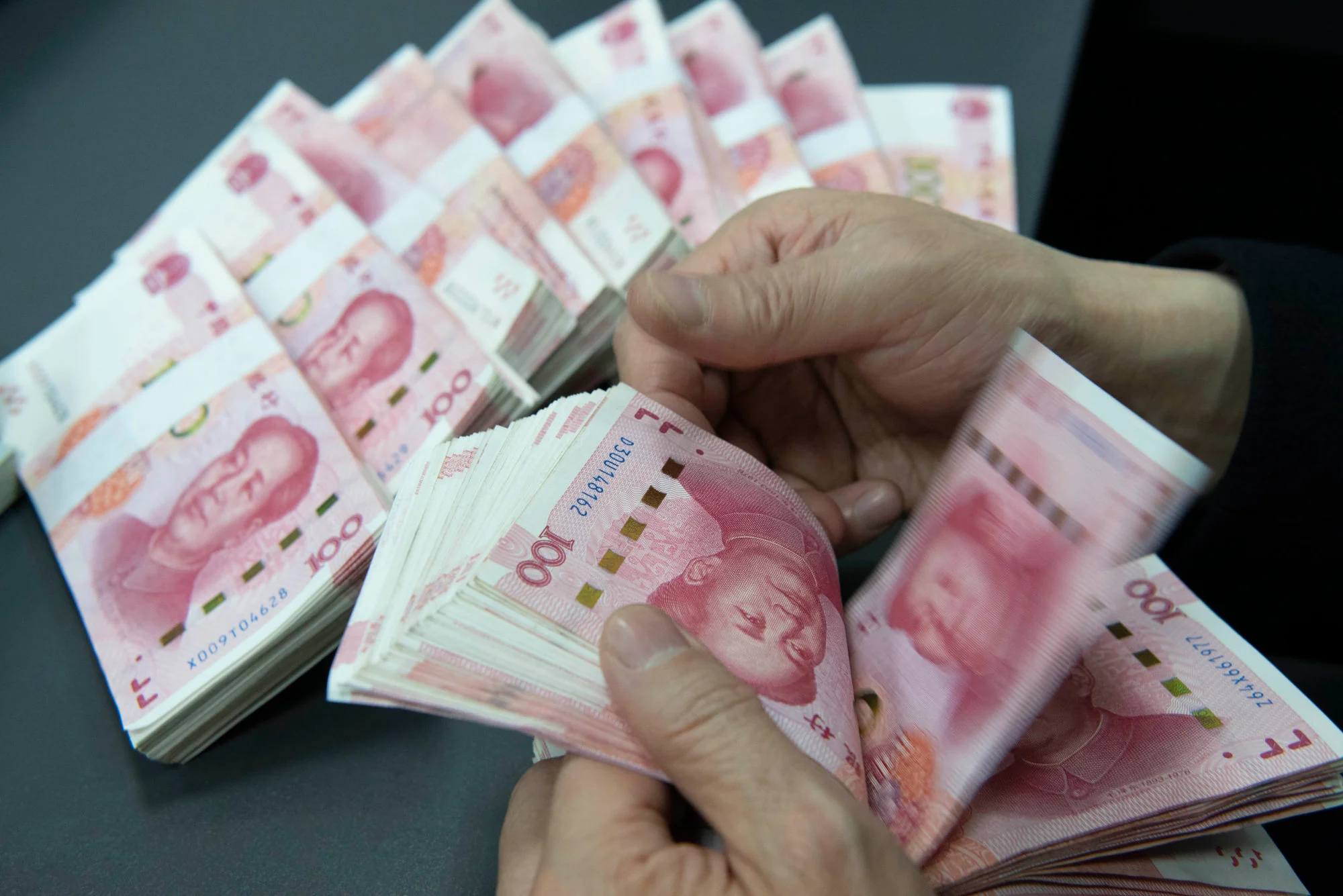
有一段时间,技术本应改变这种状况。代币化和区块链使跨境转移资金以及直接兑换货币变得更便宜、更快捷,而不再需要通过美元。巴西、中国、印度和俄罗斯一直在构建和连接自己的支付网络,以便用各自的货币进行贸易,然而廖、普拉萨德和张认为,创新可能会巩固而非削弱美元的统治地位。
For a while, technology was supposed to change this. Tokenisation and blockchain make it cheaper and quicker to move money across borders and to exchange currencies directly, rather than through the dollar. Brazil, China, India and Russia have been building and linking their own payment networks to trade in their own currencies, yet Liao, Prasad and Zhang argue that innovation could reinforce, not weaken, dollar dominance.
流通中的稳定币超过2500亿美元,其中超过99%的价值与美元挂钩。对美元稳定币不断上升的需求间接助长了对美国国债的需求,从而缓解了美国财政赤字的融资压力。创新无法弥补其他货币背后的疲软经济和体制。
More than US$250 billion in stablecoins is in circulation, and more than 99 per cent of that value is tied to the dollar. Rising demand for dollar-backed stablecoins indirectly fuels demand for US Treasuries, easing the financing of US deficits. Innovation cannot make up for the weak economies and institutions behind other currencies.
另一个转变则对美元有利。在2010年,外国央行占外国持有美债的70%;随着它们的需求趋于平稳,这一比例已降至约40%。但私人投资者正在弥补这一损失,他们被美国市场无与伦比的回报率、低交易成本和法律保护的结合所吸引。本十年以来,流入美国的净资本流入实际上在每个季度都为正。
A further shift favours the dollar. Foreign central banks accounted for 70 per cent of foreign-held Treasuries in 2010; that share has dropped to about 40 per cent as their demand has levelled off. But private investors are more than making up the loss, drawn by US markets’ unmatched combination of returns, low trading costs and legal protections. Net capital inflows into the US have been positive in practically every quarter this decade.
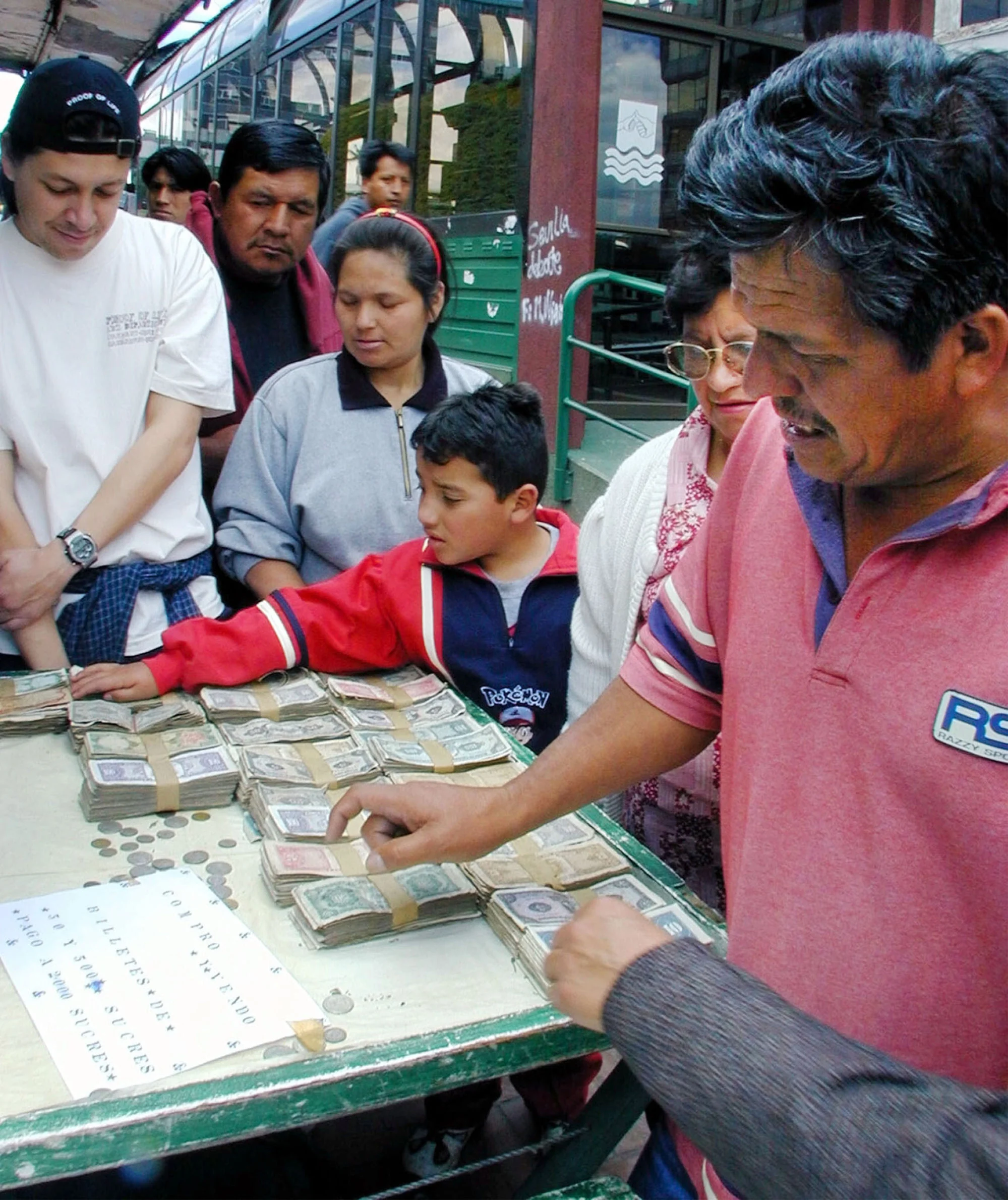
作者警告称,更容易获取美元可能会将长期在拉丁美洲部分地区肆虐的“美元化”蔓延到发展中世界的其他角落,从而侵蚀货币主权,并将全球更多的储蓄和风险集中在单一货币中。
The authors warn that easier access to the dollar could spread “dollarisation”, long rampant in parts of Latin America, to other corners of the developing world, eroding monetary sovereignty and concentrating more of the world’s savings and risks in a single currency.
当然,美元也并非一帆风顺。美国正逐渐失去以低成本借款的能力。
Of course, all is not rosy for the US dollar. The US is gradually losing its ability to borrow cheaply.
布鲁金斯学会经济研究项目高级研究员罗宾·布鲁克斯(Robin Brooks)在本月初发表的一篇文章中,追踪了美国的“便利收益率”,即市场为持有美债而放弃的收益率。他通过将10年期美债收益率与德国、日本、英国、加拿大、瑞士、瑞典和澳大利亚按美元对冲后的贸易加权平均收益率进行比较,得出了这一结果。美国曾以比这一平均水平低10个基点以上的成本借款。这一优势稳步消退,并在2018年变成了一种溢价。
Robin Brooks, a senior fellow in Economic Studies at the Brookings Institution, wrote an article earlier this month in which he tracks the US “convenience yield”, or the yield markets forgo to hold Treasuries. He did so by comparing 10-year Treasury yields against a trade-weighted average for Germany, Japan, Britain, Canada, Switzerland, Sweden and Australia, hedged into dollars. The US once borrowed more than 10 basis points more cheaply than this average. The advantage eroded steadily and, in 2018, turned into a premium.
2022年后,这种溢价稳定在15个基点左右,这可能是因为海外的财政压力——法国等高债务欧洲国家看起来尤其脆弱——让美国在相对意义上看起来更好。这种侵蚀伴随着美国债务相对于同类国家稳步上升,布鲁克斯警告称,这可能会带来更高的政府借款成本和更弱的美元。不过,他认为这“相对克制且规模很小”,这或许可以解释为什么美元的储备地位依然强劲。
After 2022, the premium stabilised at around 15 basis points, likely because fiscal stress abroad – with high-debt European countries such as France looking especially vulnerable – has made the US look better in relative terms. The erosion tracks the steady rise in US debt relative to its peers and, Brooks warns, could bring higher government borrowing costs and a weaker dollar. Still, he judges it “relatively contained and small”, which could explain why the dollar’s reserve status has stayed robust.
美元的过分特权正在 fraying(逐渐瓦解),但没有哪个继任者准备就绪。一个真正的多极系统——就像1914年之前英镑、法郎和马克并存的时代那样,当时央行在危机中相互支持——将是理想的。但困扰中国、日本、英国和欧元区的萎靡不振使得这种情况不太可能发生。如果美元动摇,取代它的将不是几家强势货币,而是几家弱势货币,且没有一家央行能够并愿意充当最后贷款人。在2008至2009年,尽管美国是全球金融危机的震中,但对美联储的信任帮助防止了可怕的局势进一步恶化。
The dollar’s exorbitant privilege is fraying, but no successor is ready. A truly multipolar system – like the pre-1914 era of sterling, franc and mark, when central banks supported one another in crises – would be ideal. But the malaise afflicting China, Japan, Britain and the euro zone makes that unlikely. Should the dollar falter, it would be replaced not by a handful of strong currencies but by several weak ones, none with a central bank able and willing to act as lender of last resort. In 2008-09, even though the US was the epicentre of the global financial crisis, trust in the Fed helped prevent a terrible situation from becoming worse.
华盛顿将有更少的财政纪律动力,美联储的决策可能会对其他人造成剧烈冲击。这可能会给新兴经济体带来更频繁的货币危机、资本外逃和债务困境。美元的遭贬或许是罪有应得,但甚至连美国的一些对手也得出结论认为,就目前而言,美国货币是“最不坏的选择”。
Washington will have even less incentive for fiscal discipline, and Fed decisions can whiplash others. That could cause emerging economies more frequent currency crises, capital flight and debt distress. The dollar’s comeuppance might be deserved, but even some of America’s adversaries have concluded the US currency is, for now, “the least bad option”.