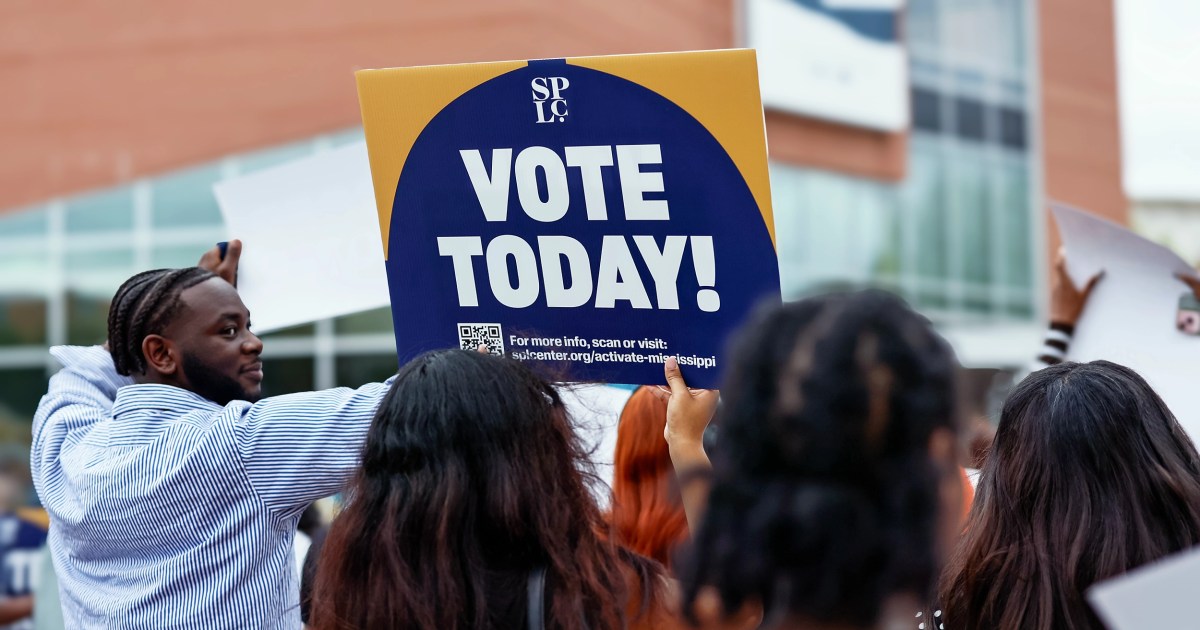
当马丁·路德·金列举他梦想自由生根发芽的地方时,他在我出生的那个州前面加了个“甚至”。当时美国种族主义无处不在,整个实行吉姆·克劳法的州集团以极其致命著称。但1963年,金从林肯纪念堂的台阶上讲出了这样一天将会到来:“甚至密西西比州……也将被改造。”就这一个词,金道出了那么多人所信、至今仍信的看法:密西西比州有着独一无二的压迫性,是美国黑人最不愿去的地方。
As Martin Luther King Jr. listed the places he dreamed of freedom taking root, he put the word “even” before the state where I was born. There was wall-to-wall racism in the United States, and the whole bloc of Jim Crow states was notoriously deadly. But from the steps of the Lincoln Memorial in 1963, King spoke of a day when “even the state of Mississippi…will be transformed.”With that one word, King voiced what so many people believed, what so many people still believe, about Mississippi: that it is singularly oppressive, the last place a Black person in the U.S. would want to be.
“难道偏见不是从那儿开始的吗?”有次我说出家乡,一名黑人男子——偏偏在路易斯安那州——这样问道。波士顿的一名黑人女子说,她为自己从未踏足我的家乡而感到自豪。但她说,在孟菲斯时,她一时冲动走过大桥,只为能说自己去过。笑话落在她头上,因为离开孟菲斯的大桥通向阿肯色州,但关键是她视密西西比州为如此可怕,只敢伸只脚尖进去。
“Isn’t that where prejudice kinda started at?” a Black man, in Louisiana of all places, once asked when I said where I was from. A Black woman in Boston said she’d been proud she’d never stepped foot in my home state. But while in Memphis, she said, she impulsively crossed the bridge just to say she had. Joke’s on her, because the bridges out of Memphis lead to Arkansas, but the point is she considered Mississippi so frightening, she’d only stick a toe in.
尽管该州以独树一帜著称——“他们那儿有吓唬白人的白人”,理查德·普赖尔如是说——但密西西比州上周也加入了“蓝色浪潮”,投票选民主党人斯科特·科隆进入美国参议院。科隆于周三终于宣称胜选,距离大选日已过去一周多。
Despite the state’s reputation as a thing unto itself — “They got white folks down there that scare white folks,” is how Richard Pryor put it — even Mississippi joined last week’s blue wave and voted to send Democrat Scott Colom to the U.S. Senate. Colom was finally able to claim victory Wednesday, more than a week after Election Day.
他的胜利具有历史意义,部分原因在于,该州此前派往参议院的每一位民主党人,都不是奴隶主,就是南方邦联士兵或种族隔离主义者,或是三者兼而有之。但更具历史意义的是,科洛姆是黑人,而该国黑人比例最高的州的选民,首次选举了一名黑人担任全州公职。(共和党人希拉姆·雷韦尔斯和布兰奇·K·布鲁斯,这两位来自密西西比州重建时期的黑人美国参议员,是由州议会选举产生的,因为在第十七修正案批准之前,参议员都是由州议会选出的。)
His win is historic in part because every Democrat the state previously sent to the Senate was some combination of slave owner, Confederate soldier or segregationist. But it’s even more historic because Colom is Black, and for the first time, voters in the Blackest state in the country have elected a Black person to a statewide office. (Republicans Hiram Revels and Blanche K. Bruce, Black U.S. senators from Mississippi’s Reconstruction era, were chosen by the state legislature, as senators were before the ratification of the 17th Amendment.)
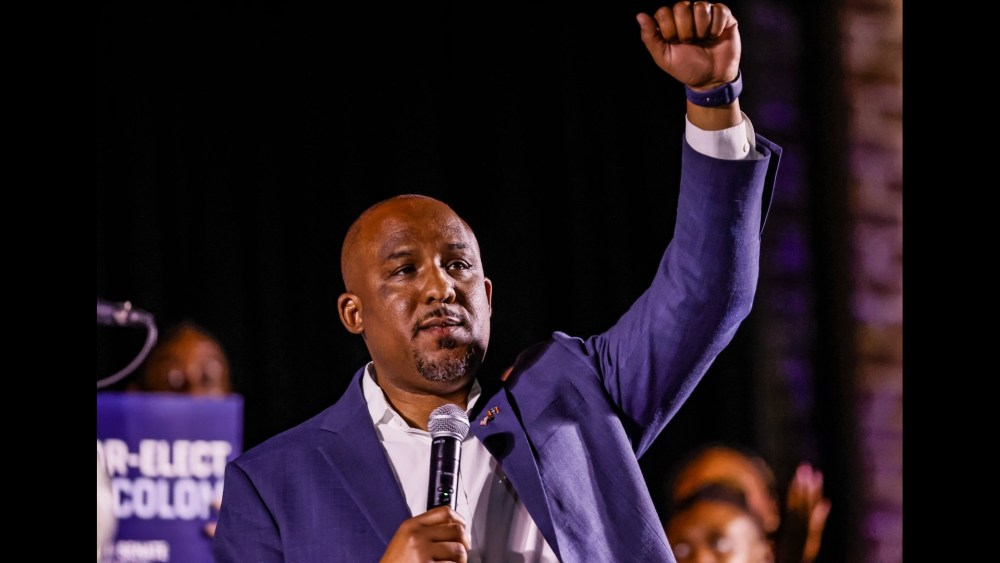
科洛姆是43岁,担任密西西比州东北部四个县的地方检察官,他击败了67岁的共和党籍现任参议员辛迪·海德-史密斯。八年前,海德-史密斯因对南方私刑历史的臭名昭著的调侃而闻名,她开玩笑说,如果某位支持者“邀请我参加一次公开绞刑,我会坐在第一排”。这种对本州种族主义过去的似有偏爱,当时并未让她付出代价,而且可能并未直接导致她输给科洛姆,但她最初拒绝道歉,暴露出她是一位傲慢的白人南方政客,无法想象这种冒犯会让她付出代价。怎么可能呢——在密西西比州?
Colom, a 43-year-old district attorney for four Northeast Mississippi counties, prevailed against the 67-year-old Republican incumbent Sen. Cindy Hyde-Smith, who eight years ago, infamously winked at the South’s history of lynching when she joked that if a certain supporter “invited me to a public hanging, I’d be on the front row.”That seeming fondness for the state’s racist past didn’t cost her then, and it may not have directly factored into her loss to Colom, but her initial refusal to apologize exposed her as an arrogant white Southern politician who couldn’t conceive of such offensiveness costing her. How could it — in Mississippi?
据MS NOW分析,除了保住副总统卡玛拉·哈里斯在2024年总统选举中赢得的所有县之外,科洛姆还赢得了当年总统唐纳德·特普赖特赢得的18个县,其中包括特普赖特在2020年赢得的10个县。海德-史密斯是今年那些似乎不懂如何在竞争激烈的选举中竞选的现任共和党人的典型,她获得的选票比特普赖特两年前少了大约30万张。科洛姆获得的选票比哈里斯多了数千张。
According to an MS NOW analysis, in addition to holding all the counties that Vice President Kamala Harris won in the 2024 presidential election, Colom won 18 counties President Donald Trump carried that year, including 10 counties Trump won in 2020. Hyde-Smith, who was typical of this year’s incumbent Republicans who seemed clueless about how to campaign in a competitive race, got about 300,000 fewer votes than Trump did two years ago. Colom got thousands more votes than Harris.
通常情况下,从总统大选到中期选举,选民投票率会断崖式下跌,但在本次竞选中,密西西比州以黑人为主的县份投票率达到了2024年大选投票率的88%,而其他地区的投票率仅为2024年的75%。据《纽约时报》选民趋势数据,科隆姆赢得了超过90%的黑人选票,且关键的是,还获得了25%的白人选票。
Voter turnout typically falls off a cliff between a presidential election and a midterm, but in this race, turnout in Mississippi’s majority-Black counties was 88% of turnout in 2024, while the turnout everywhere else was 75% of 2024’s turnout. According to The New York Times Voter Trends, Colom won more than 90% of the Black vote and, significantly, 25% of the white vote.
周三晚间的胜选演讲中,科隆姆广泛谈及信仰,并特别提到了两位密西西比人的信仰:投票权活动家范妮·卢·哈默——她于1963年6月9日在维诺纳遭警察殴打,几乎丧命——以及全国有色人种协进会(NAACP)外勤秘书梅德加·埃弗斯,他在三天后被刺杀于杰克逊的家门口。科隆姆深知这一时刻的分量。若非哈默和埃弗斯等人坚信黑人密西西比人终将参与选举,他不可能抱有信心赢得这场选举。
During his victory speech Wednesday night, Colom spoke broadly about faith, but also about the faith of two Mississippians in particular: voting rights activist Fannie Lou Hamer — who was beaten nearly to death by police in Winona on June 9, 1963 — and Medgar Evers, the NAACP field secretary who was assassinated outside his Jackson home three days later. Colom understood the moment. It would have been impossible for him to have faith that he could win his election without their prerequisite faith that Black Mississippians would someday participate in elections.
1964年,《投票权法案》签署前一年,南方区域委员会选民教育项目报告称,密西西比州“对想要投票的黑人设置的阻力比任何其他州都大,对黑人的恐吓和暴力比其他所有州加起来还要多”。报告说,在两年的争取黑人选民工作中,活动人士在佐治亚州布伦瑞克、北卡罗来纳州温斯顿-塞勒姆等小城市登记的选民,比在整个密西西比州还要多。
In 1964, the year before the Voting Rights Act was signed, the Southern Regional Council’s Voter Education Project reported that Mississippi “presents more resistance to would-be Negro voters than any other state and offers more intimidation and violence to Negroes than all the others combined.”In two years of working to Black voters, the report said, activists had signed up more people in small cities like Brunswick, Georgia, and Winston-Salem, North Carolina, than in all of Mississippi.
1964年,密西西比州有投票年龄的黑人中,只有约6.7%完成了选民登记。我今年四处打听,在我的大家庭中,没人能说出当时有谁在登记名单上,甚至包括那些拥有大学学位的亲戚。
Only an estimated 6.7% of voting-age Black Mississippians were registered in 1964. I asked around this year and wasn’t given the name of anybody in my big Mississippi family who was in that number, not even the ones with college degrees.
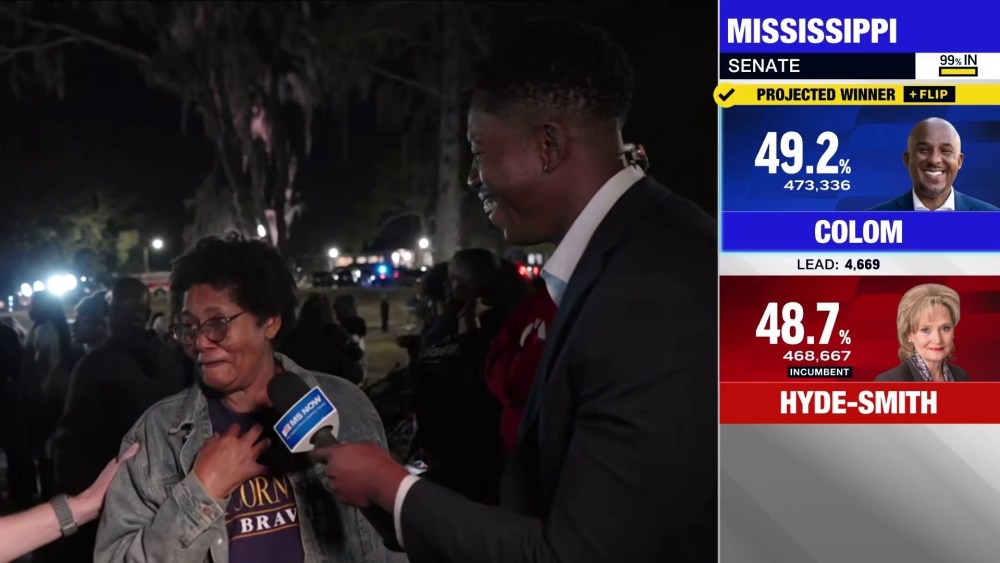
如今,62年后,黑人密西西比人让一位黑人密西西比人成为了参议员。
Now, 62 years later, Black Mississippians made a Black Mississippian a senator.
这对我的家乡州来说,在其他方面却是艰难的一年。黑人少年诺兰·韦尔斯在与白人朋友出游划船时离奇身亡,无人面临指控。一名白人塞纳托比亚警察在沃尔玛超市外向行驶中的汽车开枪,击杀了1岁的黑人婴儿科亨·怀利。不仅无人被指控,州检察长还认定该警员使用武力属于正当。美国最高法院掏空了《投票权法案》,密西西比州一些白人民选官员效仿其种族隔离主义先辈,公开讨论消除黑人选民的政治力量。
This has otherwise been a hard year for my home state. Nolan Wells, a Black teenager, mysteriously died while on a boating trip with white friends, and nobody is facing charges. A white Senatobia police officer fired his gun into a moving car outside Walmart and killed Kohen Wiley, a 1-year-old Black baby. And not only are there no charges, but the state’s attorney general determined the police officer’s use of force was justified. The U.S. Supreme Court hollowed out the Voting Rights Act, and some white elected officials in Mississippi, taking cues from their segregationist forefathers, openly discussed wiping out Black voters’ political strength.
9月22日,大陪审团决定不对韦尔斯之死提起指控的当天,我在脸书上发问:“黑人们,现在身在密西西比州是什么感受?”回复包括“可怕又悲伤”、“糟糕透顶,想离开”以及“沮丧失望”。一位高中同学用了个“精疲力竭”。那么,我们不能说密西西比州已实现变革。金恩的乌托邦式梦想虽在,但“变革”这词或许只能止步于“变得稍好”而已。
On Sept. 22, the day the grand jury declined to bring charges in Wells’ death, I asked on Facebook, “Black people, what’s it like being in Mississippi right now?”The responses included “scary and sad,” “terrible and I want to leave” and “frustrated and disappointed.”A high school classmate used the word “exhausting.”We can’t say, then, that Mississippi is transformed. King’s utopian dream notwithstanding, the state transform may be as good as it gets.
但我们仍可为这种未完成而欢欣。从选举日到科隆被宣布获胜的这段时间里,我那精疲力竭的同学承认感受到了“很久以来第一丝希望和乐观的曙光”。这不是黑人密西西比人首次为选举欢呼,2008年奥巴马获得98%选票、2012年获得96%选票时不是,2020年哈里斯成为首位黑人女性副总统的竞选组合获得94%支持时也不是。但那些历史性胜利归功于全国其他地区。密西西比州并未投给这两位候选人中的任何一位。
But we can still rejoice in the incompleteness. Between Election Day and Colom being declared the winner, my exhausted classmate acknowledged “the first glimmer of hope and optimism I’ve felt in a long time.”This is not the first time Black Mississippians have cheered an election, not when 98% chose Barack Obama in 2008 and 96% did in 2012. And not when 94% supported the 2020 ticket that made Kamala Harris the first Black woman vice president. But those historic victories can be credited to the rest of country. Mississippi didn’t go to either of those candidates.
周三晚上不一样。黑人密西西比人欢欣鼓舞,因为他们看到自己的祈祷和辛劳得到了回报——哪怕是在密西西比州。
Wednesday night was different. Black Mississippians were joyous because they saw their prayers and their labor pay off — even in Mississippi.