Investing.com -- 围绕英伟达的动荡引发的质疑已超出全球最具影响力的AI芯片制造商的未来前景,一位此前看好的半导体分析师警告称,后果可能通过疲软的AI投资和更严格的美国出口管制蔓延至整个行业。
Investing.com -- The turmoil surrounding Nvidia is raising questions about more than the future of the world’s most influential AI chipmaker, with a previously bullish semiconductor analyst warning that the fallout could spread across the industry through weaker AI investment and tighter US export restrictions.
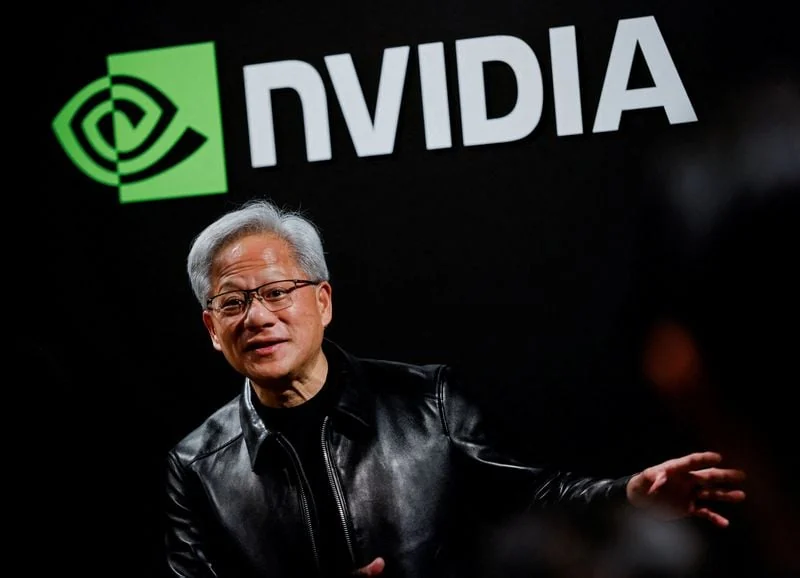
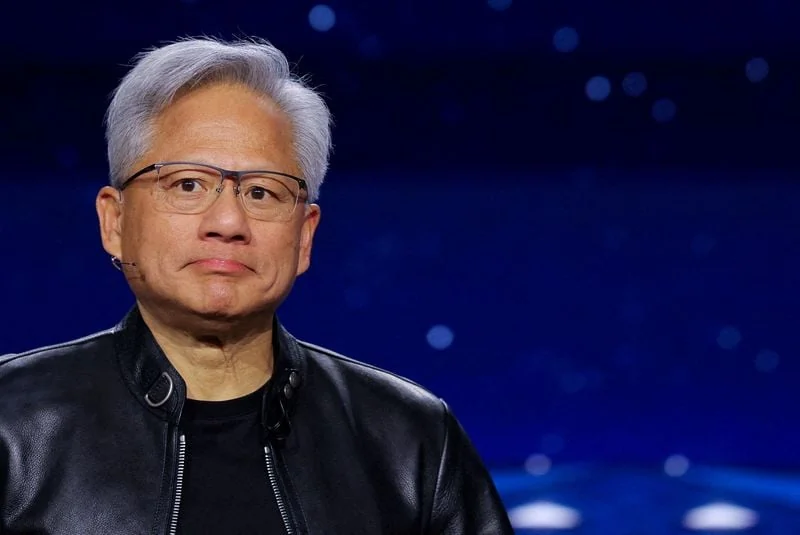
在一份题为“AI半导体:暴风雨前的宁静”的报告中,Lynx Equity Strategies的KC Rajkumar表示,在英伟达首席执行官黄仁勋突然离职后,投资者似乎陷入了不行动的僵局,因为他们难以评估对AI供应链中各公司的影响。
In a note titled “AI Semis: The Calm Before the Storm,” KC Rajkumar of Lynx Equity Strategies said investors appeared frozen in inaction following Jensen Huang’s sudden departure as Nvidia’s chief executive, as they struggled to assess the implications for companies throughout the AI supply chain.
黄仁勋于11月12日辞职,即时生效,此前有报道称其涉嫌个人关系问题,其中包括与总部位于新加坡的女商人Alice Huang的关系,美国当局怀疑她与中国情报机构有联系。英伟达任命首席财务官Colette Kress为临时首席执行官,并开始寻找永久继任者。
Huang resigned on November 12, effective immediately, following reports about alleged personal relationships, including one involving Alice Huang, a Singapore-based businesswoman suspected by US authorities of having links to Chinese intelligence. Nvidia appointed CFO Colette Kress as interim CEO and began searching for a permanent successor.
该争议还使英伟达的中国业务、其与客户和合作伙伴的关系,以及支撑AI基础设施繁荣的融资安排重新受到审视。
The controversy has also brought renewed scrutiny of Nvidia’s China business, its relationships with customers and partners, and the financing arrangements supporting the AI infrastructure boom.
Rajkumar表示,投资者越来越意识到涉及循环融资安排的取消浪潮风险,但似乎不确定从何处着手下调盈利预期。他认为,半导体股票相对平淡的反应可能反映了不确定性,而非行业已消化冲击的信心。
Rajkumar said investors were increasingly aware of the risk of a wave of cancellations involving circular financing arrangements but appeared unsure where to begin cutting earnings estimates. He believes the relatively muted reaction across semiconductor stocks may reflect uncertainty rather than confidence that the sector has absorbed the shock.
人们担心的是,英伟达与AI生态系统中各公司的投资和融资关系帮助支撑了对其自身芯片的需求。如果这些安排被缩减或项目失去财务支持,后果可能波及远超英伟达范围的芯片制造商和基础设施提供商。
The concern is that Nvidia’s investments and financing relationships with companies throughout the AI ecosystem have helped support demand for its own chips. If those arrangements are scaled back or projects lose financial backing, the consequences could extend to chipmakers and infrastructure providers well beyond Nvidia.
虽然尚未确认出现大规模取消订单的情况,但拉杰库马尔认为,这些安排可能被解除,这对行业的增长假设构成了重大风险。他预计即将举行的投资者会议将提供更多清晰度,但警告称,半导体公司可能需要重新审视其2027年的预测。
While no broad wave of cancellations has been established, Rajkumar believes the potential unwinding of these arrangements represents a significant risk to the industry’s growth assumptions. He expects upcoming investor conferences to provide greater clarity, but warned that semiconductor companies may need to revisit their 2027 forecasts.
卢特尼克争议加大了芯片制造商的赌注。英伟达危机也已波及华盛顿,给美国半导体公司带来了另一潜在的不确定性来源。
Lutnick controversy raises the stakes for chipmakers The Nvidia crisis has also spilled into Washington, creating another potential source of uncertainty for US semiconductor companies.
商务部长霍华德·卢特尼克因政府处理对华先进AI芯片出口限制的方式而受到审视。《Axios》11月11日报道称,卢特尼克曾多次抵制政府其他官员打击涉嫌将英伟达芯片转运至中国的公司的努力。
Commerce Secretary Howard Lutnick has come under scrutiny over the administration’s handling of restrictions on advanced AI chip exports to China. An Axios report on November 11 said Lutnick had repeatedly resisted efforts by other administration officials to crack down on companies suspected of diverting Nvidia chips to China.
次日,路透社报道称,白宫高级官员正在讨论是否应推动卢特尼克离职。两党议员也呼吁加强对商务部出口管制执法的监督。
The following day, Reuters reported that senior White House officials were discussing whether Lutnick should be pushed out. Lawmakers from both parties have also called for greater scrutiny of the Commerce Department’s export-control enforcement.
争议部分集中在总部位于新加坡的英伟达客户Megaspeed(迈速)身上,其高管黄爱丽丝(Alice Huang,音译)被美国情报官员怀疑与中国情报机构有联系。这些怀疑尚未被确立为事实。
The controversy centers partly on Megaspeed, a Singapore-based Nvidia customer whose executive Alice Huang has been suspected by US intelligence officials of having links to Chinese intelligence. Those suspicions have not been established as fact.
拉杰库马尔警告称,卢特尼克被免职或其政策发生逆转,可能对半导体行业产生与英伟达事件本身相当的后果。
Rajkumar warned that Lutnick’s removal or a reversal of his policies could have consequences for the semiconductor industry comparable to the Nvidia fallout itself.
他担心的是,华盛顿可能会转向对半导体出口采取更严厉的做法,并可能将限制范围从英伟达的AI处理器扩大到其他美国芯片制造商和硅产品。
His concern is that Washington could swing toward a much tougher approach to semiconductor exports, potentially extending restrictions beyond Nvidia’s AI processors to other US chipmakers and silicon products.
这种转变可能进一步限制美国公司进入中国市场,给2027年的半导体收入带来另一股逆风。更广泛限制的可能性尤为令人担忧,因为如果AI基础设施支出放缓,这将加剧需求疲软的风险。
Such a shift could further limit American companies’ access to China, creating another headwind for semiconductor revenue in 2027. The possibility of broader restrictions is particularly concerning because it would compound the risk of weaker demand if AI infrastructure spending slows.
尽管承认许多半导体股票的估值已变得具有吸引力,Rajkumar仍怀疑投资者是否愿意立即入场。
Valuations may not be enough to attract buyers Despite acknowledging that valuations across many semiconductor stocks have become attractive, Rajkumar doubts investors will be willing to step in immediately.
在他看来,问题不在于估值,而在于未来盈利的可预见性。如果公司被迫重新评估与AI相关的增长假设,同时还面临对华出口的额外不确定性,目前的分析师预期可能过于乐观。
The issue, in his assessment, is less about valuation than the visibility of future earnings. If companies are forced to reassess their AI-related growth assumptions while facing additional uncertainty over China exports, current analyst estimates could prove too optimistic.
Rajkumar表示,他希望对AI半导体股票持更积极的态度,但打算在近期继续观望,甚至在“黄仁勋事件”后续影响显现时为进一步下跌做好准备。
Rajkumar said he would like to become more constructive on AI semiconductor stocks but intends to remain on the sidelines in the near term, while even positioning for further downside as the post-Jensen fallout unfolds.
此前该分析师曾对该行业持看涨态度,此番警告标志着其立场明显转为防守。他并未将事态视为孤立的英伟达危机,而是看到AI投资周期、半导体盈利以及行业面临的美中紧张局势敞口,可能面临更广泛的重新评估。
His warning marks a notably more defensive stance from an analyst who has previously been bullish on the sector. Rather than viewing the developments as an isolated Nvidia crisis, he sees the potential for a broader reassessment of the AI investment cycle, semiconductor earnings and the industry’s exposure to US-China tensions.