在推动全公司范围的人工智能采用多年之后,企业现在正面临成本问题。随着董事会讨论转向投资回报率,企业领导人正更加审慎地审视应当资助和扩展哪些人工智能项目。
After several years of pushing organizationwide AI adoption, companies are now confronting the cost. As boardroom conversations shift to return on investment, business leaders are taking a harder look at which AI bets to fund and scale.
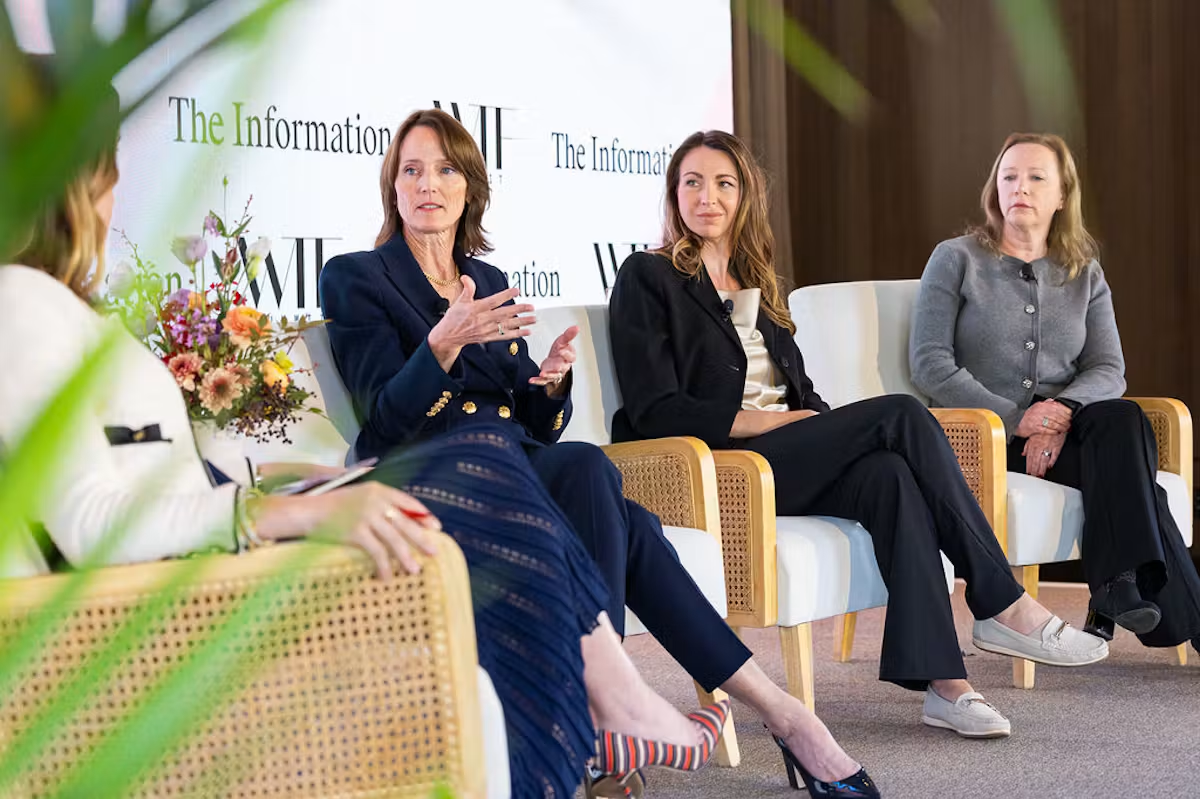
为了了解高管在进行人工智能投资前应当提出哪些问题,《信息》网站财经编辑梅雷迪思·马齐利采访了三位从不同角度看待人工智能的专家。卡伦·杨,美国合伙人委员会主席兼普华永道美国销售负责人米米·卡斯利,杰克·亨利与公司首席财务官兼财务主管海蒂·罗兹,Meta Platforms全球企业级上市客户成功与销售赋能总监重新设定优先级在Meta Platforms,马克·扎克伯格采取了先试验后推广的方式,将人工智能采用定为公司优先事项。
To understand what questions executives should be asking ahead of AI investments, Meredith Mazzilli, The Information’s finance editor, spoke with three experts approaching AI from different perspectives. Karen Young, chair of the U.S. board of partners and U.S. sales leader, PwC Mimi Carsley, chief financial officer and treasurer, Jack Henry & Associates Heidi Rhodes, global director, enterprise GTM customer success and sales enablement, Meta Platforms Resetting Priorities At Meta Platforms, Mark Zuckerberg has taken an experimentation-first approach, making AI adoption a priority across the company.
“他基本上说,‘今年将是所有人都采用人工智能的一年。’我们告诉员工,‘找出什么有效,然后去失败吧,’”海蒂·罗兹回忆道。
“He basically said, ‘This is going to be the year that everyone is going to adopt AI.’ We told our employees, ‘Figure out what works and go fail,’” recalled Heidi Rhodes.
这种试验自由帮助Meta识别出哪些工作流程受益于人工智能,并围绕它们进行标准化。最初,代币消耗并不是问题,罗兹承认并非每个组织都能负担这种奢侈。
That freedom to experiment helped Meta identify which workflows benefited from AI and standardize around them. Initially, token consumption wasn’t a concern, a luxury Rhodes acknowledged not every organization can afford.
“2023年,是:你有任何单一问题,就往上面撒点人工智能。然后我们收到了代币账单,”她说。“现在组织说,‘除非你能向我展示真正的投资回报率,否则谈话到此为止。’”其他公司采取了更谨慎的路线。杰克·亨利与公司在高度受监管的金融服务行业运营,首席财务官米米·卡斯利表示,该公司从治理入手,为评估和批准人工智能工具以及确定员工可以访问哪些数据设立了护栏。
“In 2023, it was: Any single problem that you have, rub some AI on it. Then we got our token bills,” she said. “Now organizations are saying, ‘Unless you can show me real ROI, we can end the conversation there.’”Other companies took a more cautious route. Jack Henry & Associates, which operates in the highly regulated financial services industry, started with governance, establishing guardrails for assessing and approving AI tools and determining what data employees could access, said CFO Mimi Carsley.
在普华永道,挑战不在于缺乏创意,而在于决定哪些创意值得推进。普华永道的员工都在拥抱人工智能,并探索将其融入工作的新方式。卡伦·杨表示,资助创意的决定性因素依然是客户,这与人工智能出现之前并无不同。
At PwC, the challenge is less a shortage of ideas than deciding which ones are worth pursuing. Employees across PwC are embracing AI and exploring new ways to integrate it into their work. Karen Young said the deciding factor in funding ideas remains the client, much as it did before AI.
“我们思考的是客户正在寻找的解决方案,以及如何将我们的人工智能工具规模化,以造福客户,”她说。
“We think about the solutions our clients are looking for and how we can scale [our AI tools] for their benefit,” she said.
控制支出在杰克亨利公司,为所有7300名员工提供微软Copilot许可证可能会增加300万美元的成本,卡斯利表示。因此,该公司会定期重新评估谁需要访问权限。
Controlling Spend At Jack Henry, providing Microsoft Copilot licenses to all 7,300 associates could add $3 million in costs, said Carsley. The company therefore regularly reassesses who needs access.
“如果有人没有使用他们的许可证,我们会去找他们谈谈,并给予指导。如果他们仍然没有使用,我们实际上会收回许可证,并在组织内的其他地方重新部署,”她说。
“If someone’s not using their license, we’ll go talk to them and coach them up. If they’re still not using it, we actually seize it back and redeploy it elsewhere in the organization,” she said.
杨表示,普华永道也已转向培训员工,使其更高效地使用人工智能。
Young said PwC has also shifted to training employees to be more efficient with their usage.
“我们引导他们出于正确的原因,为正确的模型使用正确的工具,”她说。
“We lead them to use the right tool for the right model for the right reason,” she said.
衡量重要的事情组织优先安排人工智能支出的一种方式,是超越效率提升,看看这些提升是如何被利用的。杨举例说,有一位客户转型了14个财务流程,将预测和情景规划从数周缩短到数分钟。
Measuring What Matters One way organizations can prioritize AI spending is to look beyond efficiency gains to how those gains are put to use. By way of example, Young cited a client that transformed 14 finance processes, cutting forecasting and scenario planning from weeks to minutes.
“真正的问题是:财务部门的这些员工现在正在做什么,以便更具战略性地利用他们的时间?”她问道。
“The real question is: What are those employees in finance now doing to be more strategic with their time?” she asked.
卡斯利表示,公司还需要考虑如何利用这些节省的时间,以及是否可以将投资重新部署到其他地方。
Carsley said companies also need to consider how they are using those time savings and whether they can redeploy investment elsewhere.
“如果有人用 AI 起草邮件,节省了五分钟,那么,你是拿这五分钟去喝杯咖啡,还是用来做点别的事?”她说。“如果你没有把节省下来的时间重新投入到其他生产力或效率提升中,那么花这笔钱到底值不值得?”与此同时,罗兹警告不要把效率提升当作裁员的借口。她举了一个客户的例子:在 AI 接管了数小时的调研工作后,该客户的销售团队生产力提高了 20% 到 30%。
“If someone’s gonna use AI to draft an email and you save five minutes, like, did you go get a cup of coffee or did you do something with the five minutes?” she said. “If you’re not redeploying that savings to another productivity or efficiency, did you really gain anything by the spend?”Rhodes, meanwhile, cautioned against treating efficiency gains as an excuse to reduce headcount. She cited a client whose sales team became 20% to 30% more productive after AI took over hours of research.
“你是要裁减人员吗?还是既然你已经拥有了世界上最高效的销售人员之一,就该出去多招人?”她问道,并补充说,她倾向于后者。不过,最终,AI 的优先级取决于公司的独特优势。
“Do you make a reduction in humans? Or now that you have one of the world’s most efficient salespeople, do you go out and hire more?” she asked, adding that her vote is for the latter. Ultimately, though, AI prioritization comes down to a company’s unique advantage.
“问问自己,你在什么方面有优势?然后把 AI 应用到该领域,作为加速剂,”卡斯利建议道。“做贵组织最擅长的事,然后把它提升 10% 到 20%。”
“Ask yourself, what do you have an advantage in? Then apply AI to that as an accelerant,” advised Carsley. “Do the thing you do best as an organization, then turn it up 10% to 20%.”