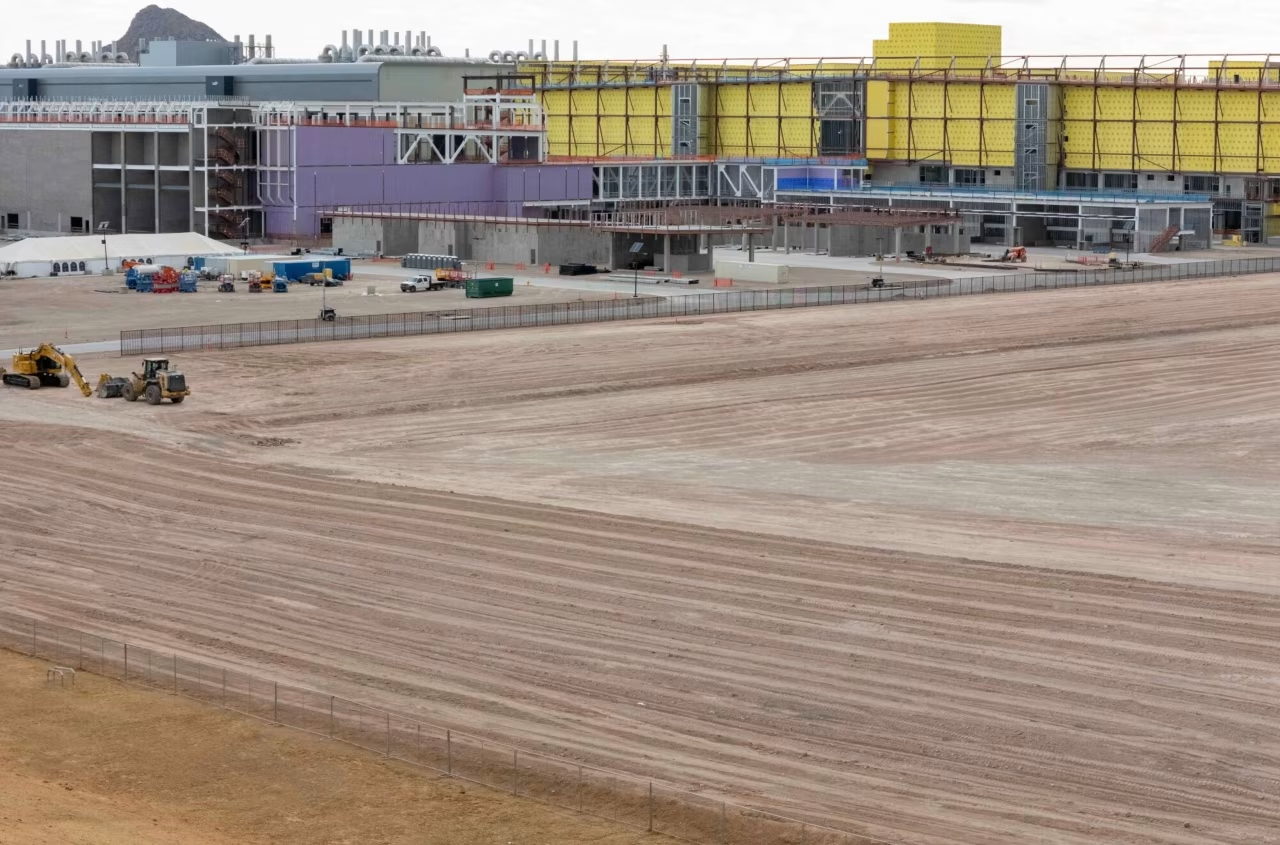
本周一,参议院推进了一项法案,其目的听起来相对平常:加快联邦许可流程。但其经济影响深远,因为它解决了阻碍增长的最隐蔽障碍之一。简单来说,在美国建设大型项目耗时太长、成本太高。
This past Monday, the Senate advanced a bill whose purpose sounds relatively mundane: speed up the federal permitting process. Its economic implications are profound, though, because it addresses one of the most insidious impediments to growth. Put simply, it takes too long and costs too much to build big things here.
从最新经济数据看,美国在建设方面存在问题或许并不明显:过去一年企业投资增长8%,为除疫情后复苏外12年来最快增速。
That the U.S. has a problem building stuff might not be obvious from the latest economic data: Business investment was up 8% in the past year, the fastest in 12 years outside of postpandemic recovery.
但细节不那么令人鼓舞:人工智能(AI)蓬勃发展,其他领域则不然。
The details, though, are less encouraging: AI is booming, not much else is.
自2024年第一季度以来,我所谓的“AI相关资本支出”(政府没有单一的AI类别)增长了55%。所有其他企业投资仅增长约3%。
Since the first quarter of 2024, what I call AI-adjacent capital spending (the government has no single AI category) is up 55%. All other business investment is up only about 3%.
非AI投资停滞不前可能有很多原因。企业看不出需要更多产能,或者可能无法在土地、资本和设备上与AI竞争。
Non-AI investment could be languishing for lots of reasons. Businesses see no need for more capacity, or perhaps they can’t compete with AI for land, capital and equipment.
但在幕后,政治、监管、许可和诉讼造成的延误和不确定性几乎肯定在拖累投资。
But in the background, delays and uncertainty caused by politics, regulation, permitting and litigation almost certainly weigh on investment.
一些统计数据可以说明这一点。据道奇建筑网络统计,跨多个行业,大型项目从宣布到破土动工的时间自2019年以来已延长。例如在制造业,滞后时间已从7个月增至12个月。该公司首席经济学家埃里克·高斯将此归咎于政策不确定性,尤其是关税方面。
A few statistics make this point. Across numerous industries, the time between when a major project is announced and when it breaks ground has lengthened since 2019, according to Dodge Construction Network. In manufacturing, for example, the lag behind has grown to 12 months from seven. Eric Gaus, the firm’s chief economist, blames policy uncertainty, especially over tariffs.
然而,在关税出现很久之前,美国在建设大型项目方面就已落后于同类国家。
Yet long before tariffs came along, the U.S. lagged behind its peers when it came to building big things.
日本为台积电建设一座半导体晶圆厂仅用了两年,仅为美国所需时间的一小部分。过去十年里,美国仅有两座核反应堆投入运行,且延期七年、预算超支逾100%。美国建设的长距离输电线路几乎比所有同类国家都少,建设一英里轻轨或地铁的成本也更高。
Japan built a semiconductor fabrication plant for TSMC in two years, a fraction of how long the U.S. has taken. Just two nuclear reactors started operations in the U.S. in the last decade and they were seven years late and more than 100% over budget. The U.S. builds less long-distance transmission than almost all of its peer countries, and spends more to build a mile of light transit or subway.
没有单一因素或法律能解释这些延误。尽管如此,这项参议院法案——被称为《两党美国可负担与就业法案》——着手解决关键的联邦障碍,首当其冲便是1969年首次通过的《国家环境政策法》(NEPA)。
No single factor or law explains these delays. Nonetheless, the Senate bill, dubbed the Bipartisan American Affordability and Jobs Act, tackles key federal impediments, starting with the National Environmental Policy Act, or NEPA, which was first passed in 1969.
进步研究所高级基础设施研究员布莱恩·波特在其Substack专栏“Construction Physics”中指出,该法律影响最大的条款,最初看似只是一个次要规定:要求联邦机构就其管辖范围内的重大项目编制一份“详细声明”,说明其对环境的影响。
On his Substack Construction Physics, Brian Potter, senior infrastructure fellow at Institute for Progress, notes the law’s greatest impact comes from what originally seemed like a minor provision: that federal agencies produce a “detailed statement” of the environmental impact of major projects in their jurisdiction.
波特写道,这些环境影响声明(EIS)如今通常“需要数年才能完成,且往往长达数千页”。他引用了20世纪80年代一份长达8000页的声明,打印分发后重达221吨。
These environmental impact statements, or EIS, now routinely take “years to complete and are often thousands of pages in length,” Potter wrote. He cited one 8,000-page statement from the 1980s that, once printed and distributed, weighed 221 tons.
波特写道,该法律为反对者提起诉讼创造了充足机会,往往明确希望制造足够的延误,导致项目取消。
The law created ample opportunities for opponents to sue, Potter wrote, often with the expressed hope of creating enough delays to result in cancellation.
在2023年的一项研究中,当时均在斯坦福大学的迈克尔·贝农和德文·威尔逊发现,28%需要编制环境影响声明的重大交通和能源基础设施项目引发了诉讼,其中89%的诉讼主张违反《国家环境政策法》。
In a 2023 study, Michael Bennon and Devon Wilson, both then of Stanford University, found that 28% of major transportation and energy-infrastructure projects requiring an EIS triggered litigation and 89% of those lawsuits claimed a NEPA violation.
《国家环境政策法》并非延误的唯一来源。麦肯锡去年在一份报告中指出,一个项目可能需要多达60项联邦许可,包括《清洁水法》和《清洁空气法》许可;美国海岸警卫队桥梁许可;候鸟许可;以及《海洋保护、研究和保护区法》许可。制造项目的许可过程需时两到三年,采矿项目则需八到九年。
NEPA isn’t the only source of delay. In a report last year McKinsey noted that a project can require up to 60 federal permits, including Clean Water Act and Clean Air Act permits; U.S. Coast Guard bridge permits; migratory-bird permits; and Marine Protection, Research and Sanctuaries Act permits. Permitting takes two to three years for manufacturing projects, eight to nine for mining projects.
“我们面临的不是单一的许可问题,而是许多问题相互叠加,”两党政策中心能源项目执行副总裁克桑·费希曼说。
“We don’t have one single permitting problem, we have many that stack on top of each other,” said Xan Fishman, executive vice president of the Bipartisan Policy Center’s energy program.
为应对这些延误,参议院法案将:要求机构考虑项目发起方自身的目标;减少延迟或重新发放许可的理由;扩大无需审查的项目清单;为机构决策和法院审查设定更快的截止日期;统一公众意见征询期限;并缩小提起诉讼的资格范围。
To counteract these delays, the Senate bill would: require agencies to consider a project sponsor’s own goals; reduce the grounds for delaying or reissuing permits; expand the list of projects not subject to review; create faster deadlines for agency decisions and court review; standardize comment periods; and narrow the grounds for who can sue.
输电线路许可方面的拟议变更可能尤为重要,将缩小能源部的角色。如果某州拖延输电线路项目,联邦能源监管委员会可以接管。菲什曼表示,这可能将审批流程从10年缩短至3年。
Proposed changes to power transmission line permitting could be particularly significant, shrinking the role of the Energy Department. If a state is delaying a line, the Federal Energy Regulatory Commission can take over. This could shrink the approval process from 10 years to three, said Fishman.
麦肯锡估计,许可延误会因通胀和材料延迟使项目成本增加24%至30%。消除此类延误将是教科书式的“免费午餐”,在不增加纳税人负担的情况下,提高基础设施、发电厂、建筑和工厂的建设量并降低价格。
McKinsey estimates permitting delays add 24% to 30% to the cost of a project through inflation and delays of materials. Eliminating such delays would be a textbook free lunch, boosting the volume and lowering the price of infrastructure, power plants, buildings and factories at no cost to the taxpayer.
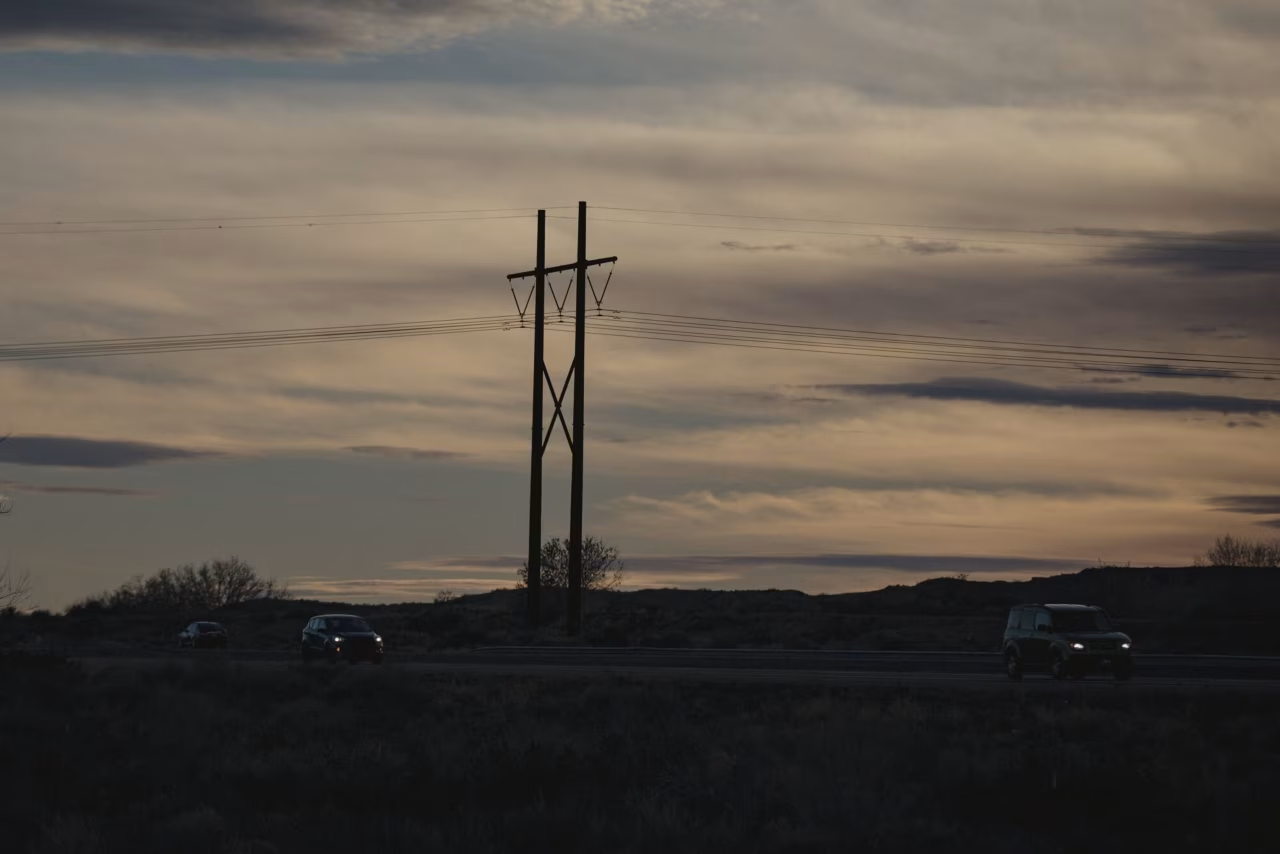
要精确量化其影响几乎不可能,但现实经验令人鼓舞。耶鲁大学的扎卡里·利斯科、达特茅斯学院的海迪·威廉姆斯和加州大学伯克利分校的约瑟夫·夏皮罗研究了一项1947年的法律变更,该变更赋经联邦批准的天然气管道(而非石油管道)通过征用权获取路权的权力。他们的研究发现,此后天然气管道里程增长了六倍,而新建石油管道里程保持稳定,这表明参议院法案可能对州际输电产生类似效果。
Quantifying its precise impact is next to impossible, but real-world experience is encouraging. Zachary Liscow of Yale University, Heidi Williams of Dartmouth College and Joseph Shapiro of the University of California, Berkeley looked at a 1947 legal change that gave federally approved gas pipelines, but not oil pipelines, the power to acquire rights of way via eminent domain. Growth in gas pipeline mileage then rose sixfold while new oil pipeline mileage held steady, their study found, suggesting the Senate bill could have a similar effect on interstate transmission.
该法案能否取得突破性进展尚无保证。州和地方政府可能继续阻挠项目。新当选的民主党州长曾以减缓或叫停数据中心建设为竞选承诺,而数据中心的建设周期本已在拉长。机构可能不会按预期实施法律,反对者可能寻找新的起诉途径。2015年和2023年的前几次修改效果不尽如人意。
There is no guarantee the bill will be a breakthrough. State and local governments could continue to block projects. Newly elected Democratic governors campaigned on slowing or halting data centers, where construction times are already lengthening. Agencies may not implement the law as intended, and opponents may find new ways to sue. Prior changes in 2015 and 2023 had underwhelming results.
该法案尚未稳操胜券。共和党人和特朗普总统支持该法案,本周许多参议院民主党人也投了赞成票。但众议院进步派民主党人中的反对声音正在增长。他们担心环境保护力度减弱、部落主权受损以及化石燃料得到提振。一些人不信任特朗普,特朗普表示他仍打算阻止风电项目。
And the bill isn’t home free yet. Republicans and President Trump back the bill, and many Senate Democrats voted in favor this week. But opposition among progressive Democrats in the House is growing. They worry about weaker environmental protection, compromised tribal sovereignty and the boost to fossil fuels. Some don’t trust Trump, who says he still intends to block wind projects.
这种反对可能是短视的。菲什曼表示,该法案实际上会让总统更难撤销已经颁发的许可证。他说,可再生能源获益将远大于化石燃料,因为输电线路、太阳能农场和风电项目常常涉及联邦管辖权。“同一项政策变革,既能带来更好的经济,也能带来更好的环境政策。”每周两次,在您的收件箱中获取格雷格·伊普关于经济、市场与政治交汇点的见解。
The opposition might be shortsighted. The law would actually make it harder for a president to revoke an already-issued permit, Fishman said. Renewables stand to benefit far more than fossil fuels because transmission lines, solar farms and wind projects so often touch federal jurisdiction, he said. “You can get a better economy and better environmental policy from the same policy change.”Get insights from Greg Ip on the intersection of economics, markets and politics in your inbox twice a week. .