周一,参议院投票推进一项两党法案,旨在简化新能源基础设施的建设。该法案名为《两党美国可负担与就业法案》(BAAJA),拥有广泛的支持基础,包括主张该法案将创造数千个就业岗位的劳工领袖,以及认为该法案有助于释放风能和太阳能潜力的清洁能源倡导者。发起人希望在现届国会于1月结束前通过该法案。
On Monday, the Senate voted to advance a bipartisan bill aimed at easing the construction of new energy infrastructure. The bill, the Bipartisan American Affordability and Jobs Act (BAAJA), has a broad base of support, including from labor leaders who contend it will produce thousands of jobs and clean energy proponents who believe it could unlock wind and solar. Its sponsors are hoping to pass the bill before the current Congress ends in January.
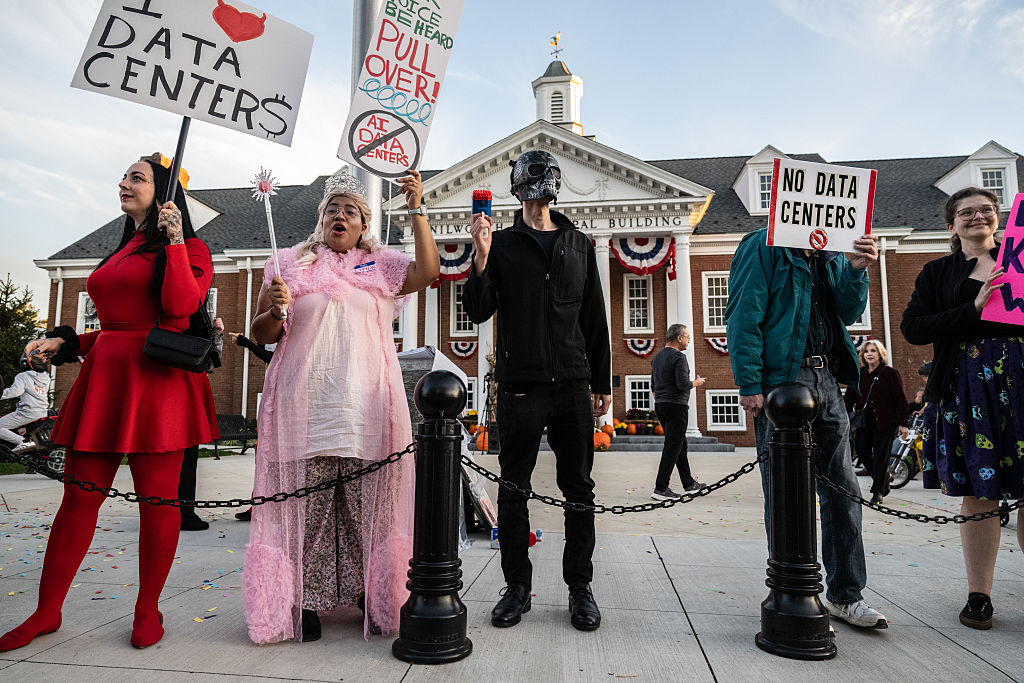
但该法案也遭到越来越多反数据中心批评者的强烈抨击,他们组成联盟认为,该法案将加速一个美国人在中期选举中明确投票反对的行业的建设。BAAJA确实通过强制数据中心支付其触发的升级费用的全部成本来解决可负担性担忧,并包含旨在现代化电网的输电改革。但它也削减了环境保护,并可能导致更多由天然气供电、建在公共土地上的数据中心。
But the bill has also received vehement blowback from a growing coalition of anti-data center critics, who argue that it would accelerate the buildout of an industry that Americans resoundingly voted against in the midterm elections. BAAJA does address affordability concerns by forcing data centers to pay the full cost of the upgrades they trigger, and contains transmission reforms designed to modernize the grid. But it also strips back environmental protections and could lead to more data centers powered by gas and built on public lands.
数百个地方和全国性组织签署信件敦促国会不要按原文通过该法案,其中包括“塞拉俱乐部”和“自然资源保护委员会”。相反,许多行业贸易团体支持该法案,尽管这可能会使建设成本增加。周日,唐纳德·特朗普在Truth Social上敦促参议院通过该法案,他写道:“中国将接走任何我们不想要的数据中心。”该法案代表了大选后民主党面临的首次重大考验,因为他们在努力同时兑现可负担性以及其庞大联盟中的许多其他诉求。
Hundreds of local and national organizations have signed letters urging Congress not to pass the bill as written, including the Sierra Club and the Natural Resources Defense Council. Conversely, many industry trade groups have been supportive of the bill, despite the fact that it would likely make building more expensive. On Sunday, Donald Trump urged the Senate to pass the bill on Truth Social, writing that “China will take any Data Center that we don’t want.”The bill represents the first major test for Democrats post-election, as they contend with how to deliver on affordability and many other issues in their sprawling coalition at the same time.
“BAAJA的方方面面都违背了本次中期选举选民的精神,在本次选举中,我们看到选民支持那些直接反对数据中心的候选人,”环保非营利组织石油变革国际的美国活动经理艾莉·罗森布卢斯说。“这项法案是对数据中心行业的巨大让利,并为化石燃料通过数据中心进入电网打开了一条后门。”
“Everything about BAAJA goes against the spirit of voters this midterms, in which we saw voters turn out for candidates who directly oppose data centers,” says Allie Rosenbluth, U.S. campaigns manager at the environmental nonprofit Oil Change International. “This bill is a massive giveaway to the data center industry—and creates a backdoor for fossil fuels to enter the grid through data centers.”
天然气和化石燃料。美国的数据中心热潮也带来了天然气热潮。在争相尽快让AI数据中心投入运营的过程中,许多开发商建造了自己的燃气发电厂,而不是等待接入电网。据《连线》杂志报道的全球能源监测组织数据显示,为数据中心供电的美国天然气项目,从2024年初的约4吉瓦,增加到2026年中期正在开发中的189吉瓦。科学研究人员认为,在某些情况下,这些燃气电厂加剧了当地污染,并恶化了哮喘等健康问题。
Gas and Fossil Fuels America’s data center boom has also been a gas boom. In the scramble to bring AI data centers online as fast as possible, many developers have built their own gas power plants instead of waiting to connect to the grid. Global Energy Monitor data reported by Wired show that U.S. gas projects powering data centers increased from roughly 4 gigawatts in early 2024 to 189 gigawatts in development by mid-2026. In some cases, these gas plants have worsened local pollution and exacerbated health issues like asthma, scientific researchers contend. BAAJA incentivizes a wide range of energy sources to come online faster, including solar and wind.
BAAJA鼓励包括太阳能和风能在内的广泛能源更快投入运营。许多专家希望该法案能加快输电线路的建设,而输电线路对于将清洁能源接入电网至关重要。
Many experts are hopeful that the bill will accelerate the buildout of transmission lines that are essential for bringing clean energy online. But environmentalists worry that the first and foremost beneficiary of the bill won’t be clean energy sources but rather gas-powered data centers, because there is already a massive pipeline of proposed projects waiting for various approvals.
但环保人士担心,该法案的首要受益者不会是清洁能源,而是燃气驱动的数据中心,因为已经有大量拟议项目在等待各种批准。罗森布卢斯指出,目前正在缓慢办理许可程序的几个燃气驱动数据中心,包括俄亥俄州的波特斯-派克科技园区和阿拉斯加的STAK能源园区。她说,如果BAAJA通过,它们正在争取获得的关键环境许可可能会被快速审批,从而可能让它们更快投入运营。
Rosenbluth points to several gas-powered data centers that are currently plodding through the permitting process, including the Ports-Pike Technology Campus in Ohio and the STAK Energy Campus in Alaska. If BAAJA were to pass, she says, key environmental permits they are trying to obtain could be fast-tracked, potentially allowing them to come online much more quickly. Holly Bender, chief program officer of the Sierra Club, says that "based on their need for speed to power, the data center industry is driving a historic and alarming investment in gas and fossil fuels.
希拉里·本德(Holly Bender),塞拉俱乐部(Sierra Club)首席项目官表示:“基于对速度和电力的需求,数据中心行业正推动对天然气和化石燃料的历史性且令人担忧的投资。该法案中有许多条款会让建造天然气管道变得更容易、更快捷,同时让社区更难发表意见。”公共和部落土地批评者的另一大担忧是,该法案将导致更多数据中心在联邦拥有的土地上建设。
There’s a lot in this bill that will make it easier and faster to build gas pipelines, while making it harder for communities to have a say.”Public and Tribal lands Another major concern from critics is that the bill will lead to many more data centers getting built on federally-owned land.
特朗普政府曾接受这一想法,并于2025年7月签署了一项行政命令,指示内政部和能源部将联邦场址提供给数据中心使用,并简化其环境审查程序。
The Trump administration has embraced this idea, and signed an executive order in July 2025 directing the Interior and Energy departments to make federal sites available for data centers and to streamline their environmental reviews.
“我们要‘开采,宝贝,开采’,这样才能‘建设,宝贝,建设’,因为我们必须建设人工智能数据中心,”内政部长道格·伯格姆(Doug Burgum)在2025年表示。
“We’re going to ‘mine, baby, mine’ so we can ‘build, baby, build’ because we’ve got to build AI data centers,” Interior Secretary Doug Burgum said in 2025.
一项近期研究发现,至少有17个与数据中心园区相连的在建申请位于公共土地上,涉及亚利桑那州、爱达荷州、内华达州等多个州的数千英亩土地。BAAJA的许可条款可能会使这些项目更容易推进、更难以阻止,包括限制法官因环境审查而停止建设的能力。
There are at least 17 active applications connected to data center campuses on public land, covering thousands of acres in Arizona, Idaho, Nevada, and other states, one recent study found. BAAJA’s permitting provisions could make those projects easier to advance and harder to stop, including limiting judges’ ability to halt construction due to environmental review.
此外,一些部落组织和领袖已强烈反对该法案,部落领袖联盟周六写道,该法案将“削弱部落国家和美国公众识别并保护受联邦相关项目(包括数据中心)威胁的历史和文化场所的能力”。潜在利益然而,该法案的支持者认为,它解决了公众对数据中心最迫切的几项担忧。首要问题是负担能力:法案包含费率支付人保护条款,要求开发商承担输电增加成本。
Additionally, some Tribal organizations and leaders have spoken out forcefully against the bill, with a coalition of Tribal leaders writing on Saturday that the bill would “gut the ability of Tribal Nations and the American public to identify and protect historic and cultural places threatened by federally connected projects—including data centers.”Potential benefits However, the bill’s advocates argue that it addresses several of the public’s most pressing data center concerns. The first is around affordability: The bill contains ratepayer protections which would require developers to pay for the added cost of transmission.
一项研究估计,数据中心在十年内将支付约550亿美元的输电费用——比现行政策多出约350亿美元。法案确立保护措施,防止家庭和企业为失败项目买单。
One study estimates that data centers would pay approximately $55 billion in transmission charges over ten years—about $35 billion more than under current policy. The bill establishes protections to prevent households and businesses from being left with the bill for failed projects.
“数据中心免费搭便车的日子将在该法案通过时结束,”该法案的民主党发起人之一、参议员谢尔登·怀特豪斯上周表示。他周一补充说,通过该法案将为民主党明年在控制两院时推进实质性清洁能源政策奠定基础。
“The day of data center freeloading ends when this bill passes,” Senator Sheldon Whitehouse, one of the bill’s Democratic sponsors, said last week. He added on Monday that passing the bill would set the stage for Democrats to work on substantial clean energy policies next year when they control both chambers.
铂业集团的一项研究预测,该法案在提出时的版本将降低家庭电费,既通过扩大获取低成本电力的渠道,也通过防止数据中心成本转嫁给其他客户。但地球正义组织的工作科学家梅格·斯拉特里认为,数据中心行业旺盛的需求可能会直接吸纳新增上线的电力。
A study from the Rhodium Group projected that the bill as introduced will reduce household electricity bills, both by expanding access to lower-cost electricity and by preventing data-center costs from being shifted to other customers. But Meg Slattery, a staff scientist at Earthjustice, contends that the ravenous demand from the data center industry could simply soak up the power that comes online.
“如果建设更多天然气管道,例如,这很可能会增加数据中心的需求,”她说。“我们支持输电改革,因为我们想要建设一个惠及所有人的清洁能源电网。但这些其他条款,我们认为,将加速推进这个故事最糟糕的版本。”在周一的终结辩论投票之后,参议院必须投票决定是否着手处理该立法。如果通过,法案将进入修正案程序,参议院通过的任何版本随后都必须以完全相同的形式在众议院获得通过,然后才能呈送特朗普。
“It's quite possible that if there are more gas pipelines being built, for example, that is going to increase data center demand,” she says. “We are supportive of transmission reform because we want to build a clean energy grid that benefits everybody. But these other provisions, we think, are going to fast-track the worst version of this story.”Following Monday’s cloture vote, the Senate must vote to take up the legislation. If it does, the bill will face the amendment process, and any Senate-passed version would then have to pass the House in identical form before going to Trump.
该法案的支持者认为,其通过将是一次罕见的两党胜利,也是可负担性的胜利。但批评者,尤其是左派人士,呼吁民主党人等到下一届国会再行动。“你们刚刚听到美国人要求在人工智能塑造其生活的方式上拥有更多发言权,”Omidyar Network首席执行官米歇尔·贾万多说。“每当你们试图在跛脚鸭国会期间、在一百名新众议员就职前强行推进某事,这对行业或其他行为体来说从来都不是好事。”
The bill’s advocates argue that its passage would serve as a rare bipartisan win and a victory for affordability. But critics, especially those on the left, are calling for Democrats to wait until the next Congress. “You just heard Americans demand much more of a say in a way that AI is shaping their lives,” says Michele Jawando, the CEO of Omidyar Network. “Whenever you try to ram something through in a lame duck Congress before you have a hundred new House members, that’s never a good look for either the industry or other actors.”