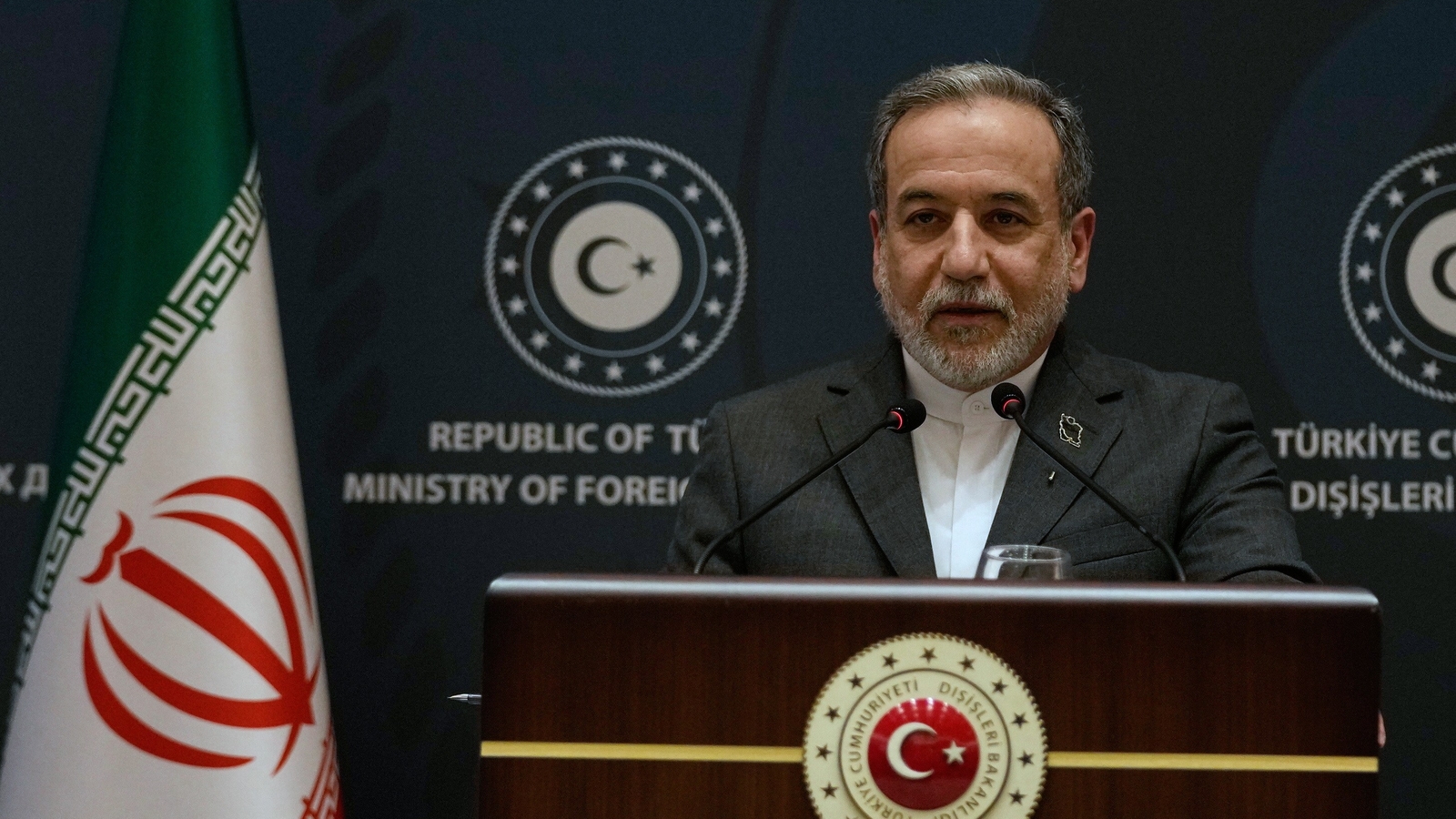
伊朗外交部长赛义德·阿巴斯·阿拉格齐指责美国和以色列通过对伊朗的军事袭击违反了国际法。阿拉格齐在共同社发表的署名文章中主张,不应允许任何国家根据其对可能发生的未来威胁的自身评估而对另一国使用武力。阿拉格齐还在X平台上分享了该文章,提出了关于国际法律秩序以及冲突期间遵守既定规则必要性的问题。
Iranian Foreign Minister Seyed Abbas Araghchi has accused the United States and Israel of violating international law through their military attacks on Iran. In an opinion piece for Kyodo, Araghchi argued that no country should be allowed to use force against another based on its own assessment of possible future threats. Araghchi also shared the article on X, raising questions about the international legal order and the need to follow established rules during conflicts."
他写道:“如果各国可以自由地根据其对可能发生的未来威胁的自身评估而相互攻击,国际法律秩序还将剩下什么?”
If states were free to attack one another based on their own assessments of possible future threats, what would be left of the international legal order?" he wrote.
据阿拉格齐称,美国和犹太复国主义政权对伊朗的袭击明显违法。他说,这些袭击违反了禁止使用武力的规则,并损害了伊朗的自主权。他写道,应依据《联合国宪章》审视这些袭击,而非依据战斗开始后给出的理由。他为何称袭击是错误的据阿拉格齐称,《联合国宪章》不允许任何国家威胁或使用武力针对另一国。他说,国际法院也在1986年支持了这一规则。
According to Araghchi, the attacks by the US and the Zionist regime on Iran are plainly against the law. He said they break the rule against using force and hurt Iran’s right to rule itself. He wrote that the attacks should be checked against the UN Charter, not against reasons given after the fighting began. Why he says the attack is wrongAs per Araghchi, the UN Charter does not allow any country to threaten or use force against another country. He said the International Court of Justice also backed this rule in 1986.
他写道,使用武力仅在少数情况下被允许。其中之一是自卫,但他表示,这适用于一国已经遭受攻击的情况。据他称,美国未获得安理会批准。他还表示,对未来危险的担忧不足以成为攻击的理由。在他的观点中,接受这一点将允许各国基于自身意见发动战争。
He wrote that force is allowed only in a few cases. One is self-defense, but he said that applies when a country has already been attacked. According to him, the US did not get the Security Council’s approval. He also said that a fear of danger in the future is not enough reason to attack. In his view, accepting that would allow countries to start wars based on their own opinion.
阿拉格齐还援引了2026年3月6日的一份声明。国际法协会美国分会负责人称对伊朗的袭击是非法的。他说,对未来可能发生之事的推测不能成为使用武力的正当理由。
Araghchi also pointed to a statement from March 6, 2026. The head of the American Branch of the International Law Association called the attack on Iran unlawful. He said guesses about what might happen later cannot justify the use of force.
他还对袭击学校、体育场馆、民用基础设施以及受国际原子能机构保障监督的伊朗核设施表示关切。
He also raised concerns about attacks on schools, sports stadiums, civilian infrastructure and Iranian nuclear sites under IAEA safeguards.
据阿拉格齐称,交战国家必须将军事目标与普通民众区分开来,并尽量避免伤害平民。他主张的内容及其重要性阿拉格齐写道,根据联合国规则,一国军队对另一国领土的攻击属于侵略行为。他表示,在没有正当法律理由的情况下,美国应对这一不法行为负责。
According to Araghchi, countries at war must separate military targets from ordinary people and try to avoid harming civilians. What he wants and why it mattersAraghchi wrote that under UN rules, an attack by one country’s army on another’s land counts as aggression. He said that without a valid legal reason, the US is responsible for a wrongful act.
根据该署名文章,此类国家必须停止不法行为,承诺不再重演,并赔偿损失。他写道,政治或安全理由不能免除这一义务。他补充说,其他国家应通过合法手段共同制止严重违规行为。它们也不应接受此类行为为合法,或协助其持续下去。
As per the op-ed, such a country must stop the wrongful act, promise not to repeat it and pay for the damage. He wrote that political or security reasons do not remove this duty. He added that other countries should work together, by lawful means, to end serious breaches. They should also not accept them as lawful or help keep them going.
据阿拉格齐称,如果遭到攻击,伊朗仍有权在国际法范围内进行自卫。
According to Araghchi, Iran still has the right to defend itself if attacked, within the limits of international law.
他说,这不仅关乎伊朗。“禁止使用武力不是强国给弱国的让步。它是适用于所有国家的具有约束力的义务。”
He said this is not only about Iran. “The prohibition on the use of force is not a concession that powerful states make to weaker ones. It is a binding obligation that applies equally to all states.”
他以警告结束文章。“如果允许强权凌驾于法律之上,伊朗不会是唯一的受害者。国际法律秩序的基础,以及《联合国宪章》本身的权威,也将面临风险。”
He ended with a warning. “If power is permitted to prevail over law, Iran will not be the only casualty. The foundations of the international legal order, and the authority of the U.N. Charter itself, will also be at risk.”