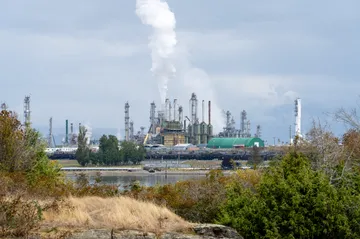
伊朗战争已持续八个多月之久,随着德黑兰方面在霍尔木兹海峡附近持续发动袭击,油轮上依然滚滚浓烟不断。然而,全球市场上的原油供应极其充足。
More than eight months into the Iran war, smoke continues to billow from oil tankers as Tehran presses ahead with repeated attacks near the Strait of Hormuz. And yet there’s more than enough crude on the global market.
作为石油输出国组织(欧佩克)的实际领导者,沙特阿拉伯表示,其10月日均原油产量达到1050万桶,这一水平自2022年以来仅达到过一次。伊拉克和科威特也报告了大幅增产,而阿拉伯联合酋长国目前已不受欧佩克配额限制,可以随心所欲地进行开采。据TankerTrackers.com公司透露,本周海湾地区的货运量略有下降,但在经历了一连串袭击后依然保持稳健。
Saudi Arabia, the de facto leader of the Organization of the Petroleum Exporting Countries, said it pumped 10.5 million barrels a day in October, a level reached only once since 2022. Iraq and Kuwait also reported big increases, while the United Arab Emirates is now free of OPEC quotas, allowing it to pump as much as it wants. Gulf shipments nudged lower this week, but remain healthy despite a slew of attacks, according to TankerTrackers.com Inc.
充足的供应加大了油价的压力。本周期货价格一度较本月高点下跌了近25%,缓解了通胀担忧,并为全球经济提供了喘息之机。随着生产商争夺客户以及高昂的海运成本开始回落,现货价格也已暴跌。
The ample supply has added to pressure on oil prices. Futures at one point this week were down almost 25% for the month, easing inflation concerns and offering respite for the global economy. Prices for physical cargoes have also plummeted, as producers compete for customers and exorbitant shipping costs begin to thaw.
复苏之路依然充满变数。本月袭击事件已造成至少一名海员丧生,泄漏的原油正冲刷着该地区的海岸海滩。由于航运持续面临威胁,且伊朗媒体声称袭击了霍尔木兹附近的航行设备,原油运输量很不稳定,随时可能放缓。
The recovery is still precarious. Attacks have killed at least one seafarer this month and spilled oil is washing ashore on the region’s beaches. With shipping under constant threat and Iranian media claiming attacks on navigational equipment near Hormuz, oil flows are erratic and could slow at any moment.
但阿联酋官员在阿布扎比召开的一次近期会议上急于强调该行业的韧性。这种持续输送原油的能力在整个海湾地区得到了呼应,它帮助中东的出货量恢复到了战前水平,并一度将本周的布伦特原油价格压低至每桶90美元以下。
But Emirati officials at a recent conference in Abu Dhabi were keen to stress the resilience of the industry. That ability to keep crude flowing, mirrored across the Gulf, has helped bring Middle East shipments back toward pre-war levels and pushed Brent crude prices below $90 a barrel at one point this week.
“我们国家航运公司别无选择,”沙特船东Bahri船舶管理总裁Khalid Alhammad在迪拜的一次会议上表示。“我们仍然必须通过霍尔木兹海峡。我们必须保持能源运输。”这与战争爆发初期的一些最坏担忧形成了显著反差。冲突前,全球约五分之一的石油通过霍尔木兹海峡流动,分析师警告称,一旦海峡关闭,原油价格可能飙升至每桶200美元以上。
“For us national shipping companies, there is no choice,” Khalid Alhammad, president of ship management for Saudi vessel owner Bahri, said at a conference in Dubai. “We still have to go through the Strait of Hormuz. We have to keep moving the energy.”It’s a remarkable turnaround from some of the worst fears at the outset of the war. Before the conflict, about a fifth of the world’s oil flowed through Hormuz, and analysts warned that a closure could send crude prices above $200 a barrel.
上周在阿布扎比国际石油展(Adipec)——中东最大的石油会议上,高管们一致认为,随着2027年临近,原油市场供应充裕,进一步的价格下跌可能缓解抗击通胀的压力,尽管为补充战争期间耗尽的库存所做的努力可能限制跌幅。
Last week at Adipec, the Middle East’s biggest oil conference, senior executives agreed that crude markets look well supplied heading into 2027, with further price declines potentially easing the fight against inflation, though efforts to rebuild stockpiles depleted during the war could limit how far they fall.
复苏在周五达到一个里程碑,国际能源署(IEA)表示,自战争爆发以来,石油供应首次超过需求。海湾地区以外产量上升帮助缓冲了全球市场,美国每周原油产量首次突破1400万桶/日,巴西和圭亚那的最新产量数据也均创纪录。
The recovery reached a milestone Friday, when the International Energy Agency said oil supply was outpacing demand for the first time since the war began. Rising production beyond the Gulf has helped cushion global markets, with weekly US crude output topping 14 million barrels a day for the first time and the latest figures from Brazil and Guyana all at records.
国际能源署表示,这一转变加上实物原油价格暴跌,表明市场“出现了初步再平衡迹象”。紧张局部依然存在。燃油价格仍远高于原油,例如欧洲柴油交易价约为每桶170美元。航运成本也仍处于历史高位。从美国向亚洲运输原油使美油价格增加约20%,溢价较一年前翻了一倍多。
The IEA said the shift, alongside a plunge in physical crude prices, suggested the market was “showing tentative signs of rebalancing.”Pockets of tightness persist. Fuel prices remain far higher than crude, with European diesel trading at about $170 a barrel, for example. Shipping costs are also still historically elevated. Transporting crude from the US to Asia adds roughly 20% to the price of American oil, more than double the premium a year ago.
即便如此,这些紧张局面也有所缓解。运费市场仍处高位,但远低于一个月前的极端水平。据美国汽车协会(AAA)数据,美国零售汽油价格也已跌破每加仑4美元,为7月以来首次。
Yet even those strains have eased. Freight markets remain elevated, but are well below the extremes seen a month ago. US retail gasoline prices have also fallen below $4 a gallon for the first time since July, according to the American Automobile Association.
Marex集团旗下的CSC Commodities分析师萨沙·福斯(Sasha Foss)表示:“来自海湾地区的供应回流压低了价格,加之运费泡沫的破裂,市场的压力已较以往有所减轻,但10月是霍尔木兹海峡发生船只事故最多的一个月,因此风险依然存在。”这种再平衡付出了代价。全球最大的独立石油贸易商维多集团(Vitol Group)最近表示,伊朗战争已使全球石油消费量每天减少约300万桶,其他主要贸易商也呼应了这一评估。
“The return of supply from the Gulf has depressed prices, coupled with the deflation of the freight bubble,” said Sasha Foss, an analyst at Marex Group’s CSC Commodities. “The market is less stressed than it was, but October was the biggest month for vessel incidents in Hormuz, so there are still risks.”The rebalancing has come at a cost. Vitol Group, the world’s top independent oil trader, said recently that the Iran war has cut global oil consumption by about 3 million barrels a day, an assessment echoed by other major traders.
换句话说,市场正在站稳脚跟,部分原因在于这场战争已大幅削减了跨燃料和跨地区的石油需求。
The market, in other words, is finding its footing partly because the war has sharply curtailed demand across fuels and regions.
中国10月份的原油进口量同比下降约15%,至每天990万桶。欧洲国家报告称柴油需求出现两位数下降,而美国在夏季出行高峰期的汽油消费量较上年同期略有下降。
China’s crude imports fell about 15% from a year earlier to 9.9 million barrels a day in October. European nations have reported double-digit declines in diesel demand, while US gasoline consumption was marginally lower than a year earlier during the peak summer driving season.
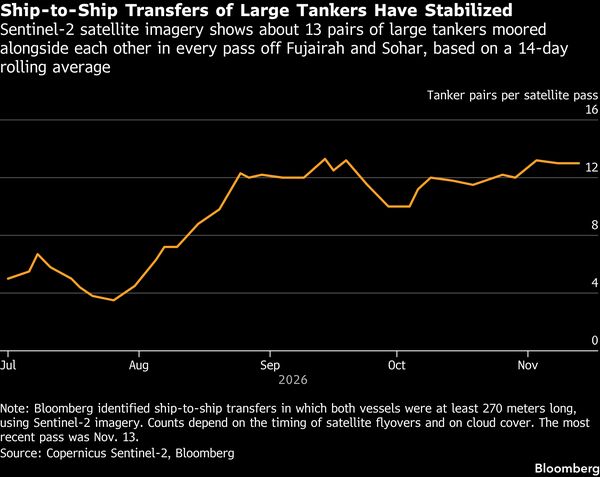
供应恢复在夏季全面启动,并自此加快了步伐。这阿曼湾船对船转运量的稳步上升中显现出来,贸易商将货物卸载到霍尔木兹海峡外的新船上,作为蓬勃发展的穿梭运输的一部分。
The supply recovery began in earnest over the summer and has gathered pace since then. It shows up in a steady uptick in ship-to-ship transfers in the Gulf of Oman, as traders unload cargoes onto new ships just outside Hormuz as part of a burgeoning shuttle trade.
这给贸易商留下了大量可供销售的货物。本周,阿布扎比国家石油公司(Abu Dhabi National Oil Co.)大幅下调了其旗舰原油品种的价格以吸引买家。沙特阿拉伯也下调了其主要石油价格,尽管该王国在长期合同下销售的原油数量少于战前,使得其定价更难追踪。相反,沙特越来越多地转向临时现货销售。
It has left traders with plenty of cargoes to sell. This week, Abu Dhabi National Oil Co. slashed the price of its flagship crude grade to attract buyers. Saudi Arabia also cut its key oil prices, though the kingdom is selling fewer barrels under long-term contracts than before the war, making its pricing harder to track. Instead, it has increasingly turned to ad hoc sales.
这些降价凸显了有多少石油正在流出海湾地区,尽管油轮仍在遭受袭击。
The cuts underscore just how much oil is leaving the Gulf, even as tankers remain under attack.
“变通措施和轮渡系统设法防止了这些价格飙升,”Again Capital合伙人约翰·基尔达夫说。“问题是持久性。我们经历了一段伊朗人在海峡没有制造太大麻烦的时期。但最近,这种情况又升级了,人们担心这可能会失控。”
“The workarounds and the shuttle system have managed to keep these prices from going sky-high,” said John Kilduff, partner at Again Capital. “There’s a question of durability. We’ve gone through a period where the Iranians didn’t cause much havoc in the Strait. But lately, that’s ramped up again, and there’s a concern that this could go off the rails.”