凤凰城,亚利桑那州:当跨国公司决定在何处建厂、开矿或设立地区办事处时,必须考虑该投资在未来数年是否仍能保持盈利。
PHOENIX, Arizona: When multinational companies decide where to build a factory, open a mine or establish a regional office, they have to consider whether the investment will still be profitable years into the future.
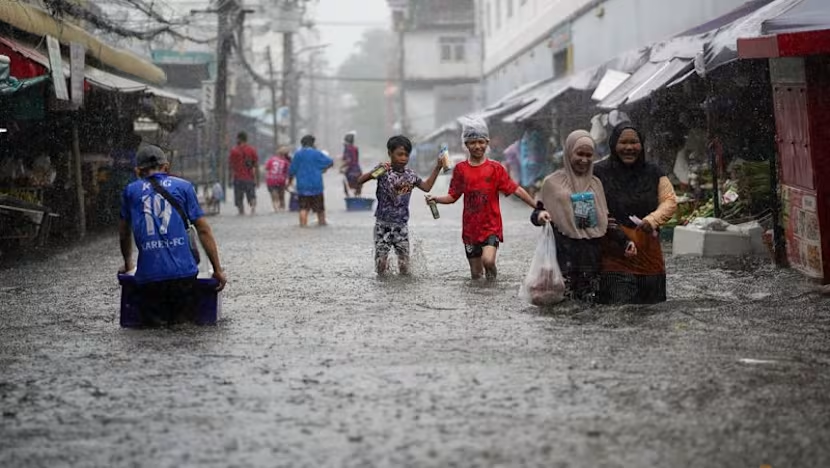
做出这一决定越来越多地意味着要考量风险,例如周边道路是否会被淹没、夏季极端高温是否会危及工人安全、清洁水源是否能够保障供应。
Making that decision increasingly means thinking about risks, like whether surrounding roads will flood, worker safety will be compromised by extreme heat in the summer, and clean water will be available.
随着气候变化导致全球极端天气事件的频率和强度增加,这些影响在缺乏资源备灾或灾后快速恢复的较贫穷国家可能尤为严重。
As climate change increases the frequency and intensity of extreme weather events around the world, these effects can be especially severe in poorer countries that lack the resources to prepare for disasters or recover quickly after they hit.
我研究政治和环境风险如何影响国际业务。在我的新书《跨国公司与气候变化:风险、责任与韧性》中,我探讨了灾害风险如何影响全球企业看待这些气候脆弱市场的方式,以及这些看法如何导致一些外国投资者完全避开这些发展中国家。
I study how political and environmental risks affect international business. In my new book, Multinational Corporations and Climate Change: Risks, Responsibilities, and Resilience, I explore how disaster risk is affecting the ways global companies see these climate-vulnerable markets, and how those views are leading some foreign investors to avoid these developing nations altogether.
当跨国公司绕过低收入和中等收入国家时,受损的不仅是这些国家。如果企业撤离,它们自身也将错失新兴市场的商业机遇。
Low- and middle-income countries aren’t the only ones that suffer when multinational corporations pass them by. The companies themselves also stand to lose out on business opportunities in emerging markets if they pull away.
气候风险如何影响外国投资 多项研究的证据表明,跨国公司正在系统性地避免投资最脆弱的国家。其中包括我对159个国家的分析。尽管这些研究关注的样本不同,但它们指出了同一趋势:气候脆弱性更高的国家获得的外国投资更少。
HOW CLIMATE RISK AFFECTS FOREIGN INVESTMENT Evidence from several studies suggests that multinationals are systematically avoiding investing in the most climate-vulnerable countries. These include my own analysis of 159 countries. Although these studies focus on different samples, they identify the same trend: Countries characterised by greater climate vulnerability received less foreign investment.
结果并非微不足道。我的著作指出,在其他相关因素保持不变的情况下,气候脆弱性指数(满分100分)每上升1分,外国直接投资就会减少12%。该脆弱性数据衡量的是各国面临气候灾害的风险程度以及其适应能力。
The results are not trivial. My book identifies a 12 per cent reduction in foreign direct investment for each 1-point rise in climate vulnerability on a 100-point scale, while holding other relevant factors constant. This vulnerability data measures countries’ exposure to climate hazards as well as their capacity to adapt.
企业很少说明为何避开某个特定地点,但它们与气候相关的担忧偶尔会显现出来。
Companies rarely say why they’re avoiding a particular location, but their climate-related concerns occasionally become visible.
例如,智利一家环境法院因担心对水资源和环境的潜在影响,撤销了谷歌的建设许可,谷歌随即叫停了在智利投资2亿美元建设数据中心的计划。同样,微软和阿布扎比人工智能公司G42在肯尼亚提出的10亿美元数据中心项目,因当地水资源紧张的担忧而被推迟,最终暂停。企业对气候风险保持谨慎是有原因的。
For example, Google halted plans to build a US$200 million data centre in Chile after an environmental court revoked its construction permit over the likely effects on water supplies and the environment. Similarly, a US$1 billion data centre proposed in Kenya by Microsoft and the Abu Dhabi-based artificial intelligence company G42 was delayed and ultimately suspended amid concerns about water stress in the area. Companies have reason to be cautious about climate risks.
一项对71家大型上市公司的分析发现,在扣除整体市场波动影响后,报告重大洪水损失的企业,其股东价值在随后一年平均下降了5%。
One analysis of 71 large publicly traded companies found that firms reporting major flood losses experienced a 5 per cent average decline in shareholder value over the following year, after accounting for broader market movements.
在越南,台风和洪水导致2022年能源和交通基础设施遭受约4.75亿美元损失。不可靠的基础设施给当地企业造成约2.8亿美元损失。
In Vietnam, typhoons and floods caused an estimated US$475 million in damage to energy and transportation infrastructure in 2022. Unreliable infrastructure cost companies there about US$280 million.
2011年泰国严重洪水导致工厂被淹,迫使包括丰田、日产和本田在内的多家公司暂时停产,当地零部件或整车生产被迫中断。
Severe flooding in Thailand in 2011 forced several companies, including Toyota, Nissan and Honda, to temporarily suspend production as factories flooded, shutting down production of parts or vehicles made there.
此类成本影响着企业下一步的投资选择。虽然气候风险不会阻止所有对气候脆弱市场的投资,但它确实使这些国家的项目相对更昂贵、吸引力更低、融资更难,相比之下,风险较低的地点更具优势。谁因投资者回避而受损?
Costs like those shape where companies choose to invest next. While climate risk does not stop all investment in climate-vulnerable markets, it does make projects in these nations relatively more expensive, less attractive and more difficult to finance than less risky locations. WHO LOSES FROM INVESTOR AVOIDANCE?
对于发展中国家而言,外国投资减少意味着创造的就业岗位变少。这些国家也失去了从跨国公司海外投资带来的新技术中获益的机会。
For developing countries, less foreign investment means fewer jobs are created. These countries also have fewer opportunities to benefit from exposure to the new technologies that multinationals bring when they invest abroad.
这些结果凸显了气候变化加剧全球不平等的另一种方式。它削弱了本可支撑未来发展的经济活动,同时破坏实体基础设施,威胁人类健康与福祉。
Those results highlight another way climate change is deepening global inequality. It reduces the economic activity that could support future development, while simultaneously damaging physical infrastructure and threatening human health and well-being.
发展中国家对全球气温上升的影响尤为脆弱,无论是因为其对农业市场的依赖、地理条件,还是相对脆弱的基础设施。芝加哥大学气候影响实验室的一份报告预测,未来几十年与高温相关的死亡中,90%将发生在低收入和中等收入国家。
Developing countries are especially vulnerable to the effects of rising global temperatures, whether for their dependence on agricultural markets, geography or relatively fragile infrastructure. A report from the Climate Impact Lab at the University of Chicago projects that 90 per cent of heat-related deaths in the coming decades will take place in low- and middle-income countries.
同样,一项2022年的研究发现,面临洪水威胁的人群中,约90%生活在发展中国家。
Similarly, a 2022 study found that around 90 per cent of people exposed to flooding live in developing nations.
然而,贫穷国家导致气候变化的排放量仅占极小比例,却承受着最严重的损害。例如,非洲国家在全球温室气体排放中的占比不足4%。但它们将经历气候变化带来的最大负面影响。
Yet poor countries have contributed only a tiny fraction of the emissions that are causing climate change, even as they face the brunt of the damage. For example, African countries are responsible for less than 4 per cent of greenhouse gas emissions globally. But they stand to experience the greatest negative effects of climate change.
跨国公司错失的机遇 当一家公司避免在气候脆弱国家投资时,或许能降低其面临洪水、干旱或极端高温的风险,但这一决定也给公司带来潜在成本。
LOST OPPORTUNITIES FOR MULTINATIONAL COMPANIES When a company avoids investing in climate-vulnerable countries, that may reduce its exposure to floods, droughts or extreme heat, but the decision also carries potential costs for the company.
这些国家中许多拥有不断增长的消费市场、能源资源或跨国公司所需的关键矿产。将这些国家视为风险过高而予以放弃的公司,可能会错失良机。
Many of these countries have growing consumer markets, energy resources or critical minerals that multinationals need. Companies that dismiss them as too risky may lose out on promising opportunities.
例如,刚果民主共和国供应了世界上大部分的钴,而印度尼西亚已成为镍的主要生产国。这些国家极易受到气候变化的影响,这很可能正在吓退一些公司。
For example, the Democratic Republic of Congo supplies most of the world’s cobalt, while Indonesia has become the dominant producer of nickel. These countries are highly vulnerable to climate change, which is likely scaring some companies away.
然而,风险承受能力较强的公司已在这些国家的矿产行业确立了稳固地位。因此,更为谨慎的企业或许能降低其风险敞口,但也同时放弃了获取重要资源和不断增长的市场的机会。减少投资者的规避行为有办法帮助公司克服对气候风险的规避,从而让更多投资流入这些国家:富裕国家的外援可以帮助发展中国家在极端风暴或干旱发生前,加固其道路、港口、电网和供水系统。
Yet companies with a greater tolerance for risk have established strong positions in those countries’ mineral industries. Thus, more cautious firms may reduce their risk exposure, but they are also surrendering access to important resources and growing markets. REDUCING INVESTOR AVOIDANCE There are ways to help companies overcome their climate-risk avoidance so more investment can pour into these countries: Foreign aid from wealthy countries can help developing countries shore up their roads, ports, electrical grids and water systems before extreme storms or droughts occur.
我的2025年研究发现,获得更多气候适应援助的气候脆弱国家,吸引的外国直接投资也比获得较少援助的国家更多。这一结果表明,该类资金可能让企业确信气候风险正在得到应对。
My 2025 study found that climate-vulnerable countries that received more aid for climate adaptation also received more foreign direct investment than those receiving less aid. The result suggests the funding may reassure companies that climate risks are being addressed.
国际开发银行可以通过向跨国公司提供气候风险保险来分担部分风险。如果承保的中断事件导致项目无法按预期运营,这将提供一张安全网,吸收部分损失。世界银行已经提供针对政治风险事件的类似保障,这已让企业有信心在肯尼亚、莫桑比克和尼日利亚等国投资。
International development banks can share some of the risks by providing climate risk insurance to multinationals. This would offer a safety net to absorb some of the losses if a covered disruption prevents a project from operating as intended. The World Bank already offers similar coverage against political risk incidents, which has given companies confidence to invest in countries such as Kenya, Mozambique and Nigeria.
更好的数据能让公司获得关于气候风险的更精确信息。许多风险评分将整个国家笼统地标记为脆弱或不脆弱,尽管不同城市或项目地点的风险敞口各不相同。关于当地洪水风险、水资源可用性、高温、基础设施和适应能力的更详细信息,将使公司能将规避范围限制在风险最高的区域,而不是完全绕开这些国家。
Better data can give companies more precise information about climate risks. Many risk scores label entire nations as vulnerable or not, even though exposure varies from one city or project site to another. More detailed information about local flood exposure, water availability, heat, infrastructure and adaptation capabilities would allow companies to limit their avoidance to the riskiest areas, instead of bypassing those countries altogether.
了解当地风险、为企业提供风险保险,并帮助各国使基础设施更能抵御风暴、干旱和高温,可以在造福企业的同时,推动气候脆弱国家的经济增长和发展。
Understanding the local risk, insuring companies against risk and helping countries make their infrastructure more resilient to storms, droughts and heat can help boost investment in ways that benefit the companies and spur economic growth and development in climate-vulnerable countries at the same time.
乔纳斯·甘索是亚利桑那州立大学国际贸易与全球研究副教授。本评论首发于《对话》。
Jonas Gamso is Associate Professor of International Trade and Global Studies at Arizona State University. This commentary first appeared on The Conversation.