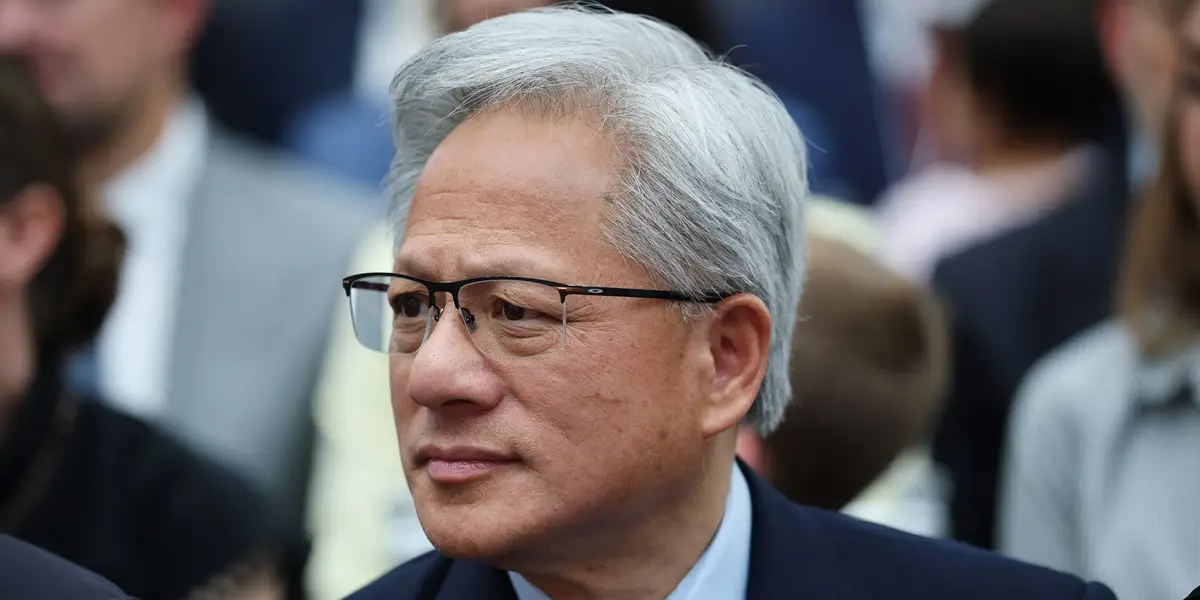
“支持黄仁勋”运动本周末逐渐升温,成败难料。但至少它提出了一个问题:英伟达董事会是否对这位传奇首席执行官采取行动过快?黄仁勋于上周辞职。这个问题的答案取决于另一个问题:黄仁勋离职是因为他让公司和国家面临间谍活动的威胁,还是因为他的总体行为表现,包括他对英伟达董事会的坦诚程度如何。
The "Stand with Jensen" movement that's gaining traction this weekend may or may not succeed. But at the least it raises the question of whether the Nvidia board moved too fast against its legendary CEO, who resigned this past week. And the answer to that question depends on another one: whether Jensen Huang is out because he left his company, and country, vulnerable to espionage, or because of his general conduct, including how forthcoming he was or wasn't with Nvidia's board. The "Stand with Jensen" argument for at least a temporary reinstatement is something like this: Short of a proven case of espionage waged against Jensen, he should be brought back until the board can complete a thorough investigation. "We have not been shown evidence substantiating the espionage allegation. After thirty-three years pouring his heart and soul into NVIDIA, Jensen deserves due process," the organizers said in an open letter. Today my colleague Alistair Barr dug into how firm or flimsy the arguments of espionage are based on recent reporting casting doubt on them.
“支持黄仁勋”方主张至少暂时让其复职,理由大致如下:在没有确凿证据证明针对黄仁勋的间谍指控之前,应让他回归,直到董事会完成彻底调查。组织者在一封公开信中表示:“我们未看到任何证实间谍指控的证据。黄仁勋倾注心血三十三年打造英伟达,理应享有正当程序。”
Barr makes the case that political motivation by China hawks who want stricter limits on China's access to US AI technology could have led to a plumped up or exaggerated handling of what evidence might exist. The idea would be that getting rid of Jensen, a proponent of a less restrictive approach on AI tech in China, would help the hawks' cause. If the allegations are flimsy and Jensen lost his job over them, then that's not great. As Barr writes, referring to the executive of an Nvidia customer with whom Huang is said to have had a relationship: "The possibility that Alice Huang was a Chinese intelligence agent was likely the key reason Nvidia's board ousted Jensen Huang so quickly."
今日,我的同事Alistair Barr深入剖析了近期质疑间谍指控的报道,探讨相关论据是站得住脚还是经不起推敲。Barr指出,主张对华实施更严格AI技术限制的“中国鹰派”出于政治动机,可能夸大或渲染了现有证据。逻辑在于:黄仁勋主张对华AI技术采取相对宽松的做法,将其赶下台有助于鹰派达成目的。如果指控站不住脚,黄仁勋却因此丢了饭碗,那可不是好事。
And, Barr says: "What concerns me is the possibility that US intelligence was overstated to help bring down the leader of one of America's most important companies. If that's what happened, officials may have damaged America's lead in AI in the name of protecting it." But what if espionage wasn't at the root of the board's thinking? When the board said this week it had accepted Huang's resignation, it didn't give reasons. But let's say the board concluded — before or in the future — that espionage wasn't at play. Would that be enough for Huang to keep his job? The New York Times in a piece on Saturday wrote that Huang "confessed," last week to Nvidia's general counsel about the affair — suggesting he wasn't forthcoming about it before then.
Barr写道,提及一位据称与黄仁勋有过关系的英伟达客户高管:“Alice Huang(音译)极有可能是中国情报人员,这很可能是英伟达董事会如此迅速罢免黄仁勋的关键原因。”
There's also the fact that Huang misled the media, on the record, about the relationship. And the fact that, also reported by the Times before the resignation, Huang had an extra-marital relationship with a direct report.
Barr还表示:“我担心的是,美国情报可能被夸大,以助推美国最重要公司之一的领导者下台。”
In "the world of corporate governance, the worst thing a chief executive can do is lie, especially in a crisis. It is a reason they get fired," the Times wrote.
如果真是这样,官员们可能正在以保护美国在人工智能领域的领先地位之名,损害这一领先地位。“但如果间谍活动并非董事会考量的根源呢?董事会本周宣布接受黄仁勋辞职时,并未给出理由。但假设董事会得出结论——无论是在之前还是未来——认为间谍活动并不存在。这足以让黄仁勋保住工作吗?《纽约时报》周六的一篇文章写道,黄仁勋上周向英伟达总法律顾问‘坦白’了这段关系——暗示他此前并未主动披露。还有黄仁勋在公开场合向媒体误导这段关系的事实。以及《纽约时报》在辞职前报道的另一事实:黄仁勋与一名直接下属存在婚外情。《纽约时报》写道:‘在企业治理的世界里,首席执行官最糟糕的行为就是撒谎,尤其是在危机时刻。这是他们被解雇的理由。’如果英伟达董事会基于间谍担忧仓促行事,而这些担忧最终可能站不住脚,那可不是好事,也许‘支持黄仁勋’请愿背后的力量还有机会。但如果间谍指控的证据力度并非他离职的决定性因素,而是他的诚实和可信度,那么英伟达领导层的这一篇章就已翻篇。杰米·海勒是《商业内幕》总编辑。可通过此处联系。”
If Nvidia's board acted hastily based on spying concerns that ultimately might not hold up, that's not good, and maybe the forces behind the "Stand with Jensen" petition have a chance. But if the strength of the espionage case wasn't the deciding factor in his departure but rather his honesty and trustworthiness, then this chapter for Nvidia leadership is closed. Jamie Heller is editor-in-chief of Business Insider. Reach out here.