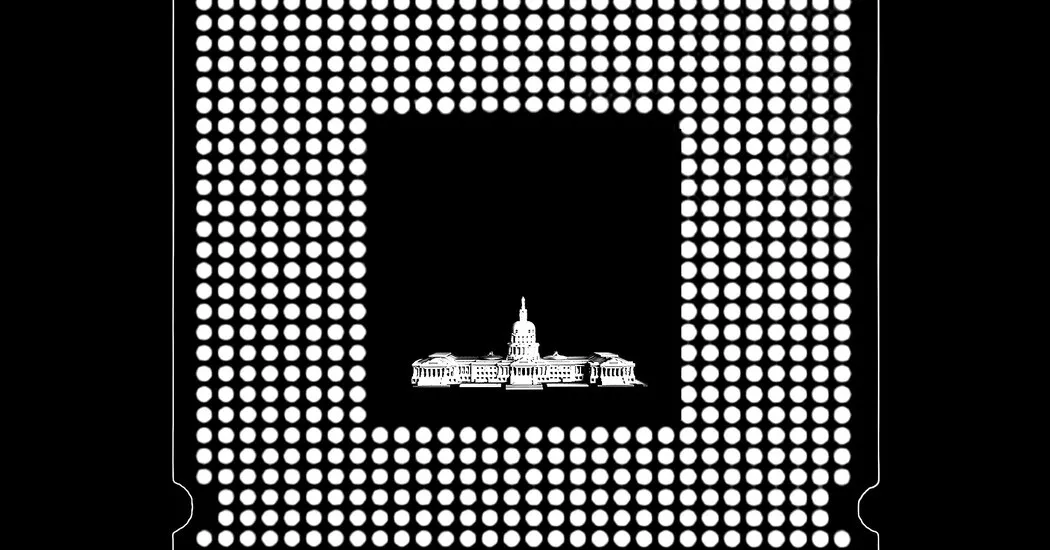
很容易将黄仁勋的突然失势归咎于他的判断失误——包括日益增多的婚外情——但英伟达的困境是一个大得多的问题的症状。
It is easy to attribute Jensen Huang’s abrupt fall to his lapses in judgment — including his growing list of extramarital dalliances — but Nvidia’s woes are a symptom of a much bigger problem.
硅谷发现自己越来越处于少数几位占主导地位的酋长和投资者的控制之下。随着这些权力非同寻常的高管与特朗普总统走得更近,权钱交易的黑暗后果正逐渐浮出水面。
Silicon Valley finds itself increasingly under the control of a handful of dominant chieftains and investors. And as these extraordinarily powerful executives grow closer to President Trump, the dark consequences of the wheeling and dealing are coming to the fore.
这些问题很严重,但绝非新鲜事。在该国历史的大部分时期,特别是 20 世纪初,许多美国公司都在类似条件下运营,由权力巨大的首席执行官和控股股东主导,他们的行为几乎不受制约。随着时间的推移,丑闻、危机和经济压力迫使监管机构和公众股东要求更严格的保障措施,以保护普通投资者的经济利益。这种压力催生了我们今天视为理所当然的许多规则。
These problems are serious, but they are hardly new. Through much of this country’s history, particularly in the early 1900s, many American companies operated under similar conditions, dominated by powerful chief executives and controlling shareholders who faced few checks on their behavior. Over time, scandals, crisis and economic strain compelled regulators and public shareholders to demand more rigorous safeguards to protect the economic interests of everyday investors. This pressure led to many of the rules we take for granted today.
上市公司必须拥有独立董事会以监督高管;必须清晰、充分地披露运营情况;股东拥有权利。这些规则并未终结所有危机,但使企业具备了应对危机的良好能力。
Publicly traded companies must have an independent board of directors to hold executives accountable; they must disclose their operations clearly and in full; shareholders have rights. Such rules didn’t end all crises, but they made corporations well equipped to deal with them.
在过去十五年里,规则开始松动,因为几届总统政府都放松了企业监管。部分变化出于正当理由:降低公司上市成本、鼓励创新、减轻昂贵的合规和报告要求。其他变化则源于不那么站得住脚的动机,例如投资者、董事会和监管机构对创始人集中控制权的容忍度提高。
In the past decade and a half, the rules began to weaken, as several presidential administrations relaxed corporate regulations. Some of the changes occurred for good reasons: to reduce the cost for a company to take itself public, to encourage innovation, and to ease costly compliance and reporting requirements. Other changes derived from less defensible motives, such as an increased tolerance among investors, boards and regulators for concentrated founder control.
没有哪个行业比硅谷更深地践行了这种转变。你可以从其最成功公司的许多创业故事中看到问题的种子:一位才华横溢的创始人,或许在自家车库里辛勤耕耘,怀揣着独特的愿景和专注。随着时间的推移,甚至连投资者也开始把成功的创始人视为某种近乎神秘的天才,认为他们无可替代。如果一家公司失去了创始人,它就永远迷失了。在这种心态下,董事会成员和股东几乎把领导者想要的一切都给他们。涌入最大公司的巨额资金让投资者心满意足,进一步巩固了这种做法。
Few industries have taken this shift further than Silicon Valley. You can see the seeds of the problem in the many origin stories of its most successful companies: a brilliant founder, toiling perhaps in his garage, possessed with a singular vision and focus. Over time, even investors came to regard successful founders as something akin to mystical geniuses who could not be replaced. If a company loses its founder, it is lost forever. In such a mind-set, board members and shareholders give leaders pretty much whatever they want. The gushers of money flooding the biggest companies keep investors satiated, further entrenching this practice.
这解释了为什么硅谷一些最大的公司基本上是威权领地。Meta首席执行官马克·扎克伯格只是众多成功创始人中的一位,他们获得了一类特殊股份,从而对公司的未来拥有实际控制权;Anthropic的创始人在首次公开募股前提出了类似安排,使他们共同掌握大多数投票权,尽管他们拥有的公司股份比例要小得多。特斯拉和SpaceX首席执行官埃隆·马斯克也有类似安排。
That explains why some of Silicon Valley’s largest companies are basically authoritarian realms. Mark Zuckerberg, the chief executive of Meta, is one of many successful founders who were granted a special class of stock that gives them effective control over their companies’ futures; the founders of Anthropic have proposed a similar arrangement ahead of their initial public offering, giving them collectively a majority of voting power, though they would own a much smaller share of the company. Elon Musk, the chief executive of Tesla and SpaceX, has a similar arrangement.
黄仁勋并未持有能让他免于被解雇的特殊股份。相反,他通过监管公司看似各个方面的运营,巩固了自己的地位。英伟达主导着人工智能开发所需尖端芯片的制造,这使该公司成为美国人工智能产业成败的关键(也使其成为外国势力,尤其是中国,极力觊觎的目标)。然而,黄仁勋管理这家市值4万亿美元的公司,更像是在经营家族企业,而非对数百万股东负责的上市公司。
Mr. Huang lacked the special shares that would have made him impossible to fire. Instead, he entrenched himself in the company by overseeing seemingly every aspect of its operations. Nvidia dominates the manufacture of cutting-edge chips needed for artificial intelligence development, making the company critical to the success of the American A.I. industry (and also a highly desired target of foreign powers, China in particular). Yet Mr. Huang ran the $4 trillion company almost like a family business, rather than as a public company accountable to millions of shareholders.
他无视传统的管理架构,让约60名高管直接向他汇报。他从未指定继任者。黄仁勋的两个孩子现年均在30多岁,在公司内迅速晋升,据报道正被培养为其明显的继承人。
Ignoring traditional management structures, he had about 60 executives report directly to him. He never identified a successor. Both of Mr. Huang’s children, who are in their 30s, were swiftly rising through the ranks, with reports that they were being groomed as his heirs apparent.
随后特朗普重返政坛。硅谷精英几乎立即开始向总统示好,考虑到他长期以来偏袒朋友(并打压视为敌人者)的历史,这是合乎逻辑的举动。黄仁勋似乎与特朗普建立了特别紧密的关系——鉴于商务部于2022年限制英伟达向中国出售最尖端芯片,这一关系颇有用处。黄仁勋多次游说特朗普放宽限制,久而久之,他的愿望似乎成真了。商务部曾就新加坡公司Megaspeed是否转移英伟达芯片至中国展开调查,该调查被政府突然叫停并移交司法部。
Then Mr. Trump returned to power. Silicon Valley’s elite almost immediately began making nice with the president, a logical move given his lengthy history of favoring his friends (and persecuting his perceived enemies). Mr. Huang seemed to develop a particularly close relationship with Mr. Trump — a useful connection given that the Commerce Department had restricted sales of Nvidia’s most cutting-edge chips to China in 2022. Mr. Huang repeatedly pressed Mr. Trump to ease the restrictions, and, over time, his wishes seemed to come true. A Commerce Department inquiry investigating whether the Singaporean company Megaspeed was diverting Nvidia chips to China was abruptly halted by the administration and transferred to the Justice Department.
许多人将危机归咎于黄仁勋的风流韵事。但仔细审视就会发现,政府也必须承担部分责任。如果政府早已执行出口限制,Megaspeed(美极速)的担忧本可更早得到解决,中国也不会如此有动力设局陷害英伟达这位极具个人魅力的首席执行官。(中国已否认间谍指控。)后果一片狼藉。英伟达不仅必须寻找一位永久领导人,还必须在面对关于其与Megaspeed交易、可能违反出口管制以及对美国技术造成损害的严重质疑中完成这一任务。
Many have pointed to Mr. Huang’s dalliances as the catalyst for the crisis. But look carefully, and you can see that the administration must shoulder some of the blame. Had it enforced the export restrictions, concerns at Megaspeed could have been addressed sooner, and China would not have been so incentivized to ensnare Nvidia’s charismatic chief executive. (China has rejected the espionage claims.) The fallout has been messy. Not only must Nvidia find a permanent leader, but it must do so while facing serious questions about its dealings with Megaspeed, its possible violations of export controls and the consequent damage to American technology.
近期传出该公司突然决定改变去年新加坡收入的报告方式——上次报告时该项收入已膨胀至总收入的22%——必将引发更多疑问。
Recent news that the company suddenly elected to change how it reported revenue from Singapore last year — revenues that at last reporting had ballooned to 22 percent of total revenue — is sure to raise questions.
英伟达董事会刚刚宣布了一位临时首席执行官,并任命了一位董事长(黄仁勋一直实际上兼任该职),但这两项举措都无助于解决更深层的问题,而该问题的性质使公司置身于未知领域。在调查涉及国家安全的指控、向联邦监管机构和公众股东交代的同时管理领导层过渡,没有标准的行动手册。
Nvidia’s board has just announced an interim chief executive and appointed a chair of the board (Mr. Huang had been functionally filling the post), but neither helps address the deeper problem, the nature of which places the company in uncharted territory. There is no standard playbook for managing a leadership transition while investigating allegations involving national security and answering to federal regulators and public shareholders.
良好的公司治理要求预想此类情形,并为各类危机的出现制定预案。但在英伟达(以及特斯拉和Meta)的案例中,财务成功让投资者更愿意忽视过度依赖单一个人的风险,而非要求一份清晰可信的继任计划。
Good corporate governance demands thinking about such scenarios and having plans in case crises of various kinds emerge. But in the case of Nvidia (and Tesla and Meta), financial success has made investors more willing to see past the risks of relying so heavily on one person, instead of demanding a clear and credible succession plan.
就在这些科技公司成为数百万美国家庭命运的核心之际,我们却变得愿意容忍薄弱的治理实践,让少数个人掌握巨大权力。
Just as these tech companies are becoming central to the fortunes of millions of American households, we have become willing to tolerate weak governance practices that put immense power in the hands of a few individuals.
并非每一条旧规都需要恢复,但我们应当重新审视那些对公众所有制至关重要的保障措施,以及它们最初设立的原因。董事会应当拥有挑战管理层的权力和意愿。这需要监管机构、公司董事会和股东共同努力,以保护数百万投资于公开交易科技公司的美国投资者。投资退休金的机构投资者可以要求这些公司提升治理水平。
Not every old rule needs to return, but we should revisit the safeguards essential for public ownership and why they were originally introduced. Boards should have the authority and willingness to challenge management. This will require concerted effort from regulators, corporate boards and shareholders to protect the millions of Americans invested in publicly traded technology companies. Institutional investors who invest retirement money could demand that these companies up their governance game.
美国股市一直是国家增长的引擎,也是全球关注和羡慕的焦点——部分归功于我们健全的公司治理结构。值得注意的是,在少数科技公司同时推动股市和经济增长之际,我们却面临遗忘这一教训的风险。
The American stock market has been the engine of the country’s growth and a center of attention and envy for the rest of the world — thanks, in part, to our robust corporate governance structure. Remarkably, at a time when a handful of technology companies are powering both the market and our economic growth, we risk forgetting that lesson.
阿米特·塞鲁是斯坦福大学商学院金融学教授,也是胡佛研究所高级研究员。大卫·拉尔克是斯坦福大学商学院会计学荣休教授。
Amit Seru is a finance professor at the Stanford Graduate School of Business and a senior fellow at the Hoover Institution. David Larcker is an accounting professor emeritus at the Stanford Graduate School of Business.