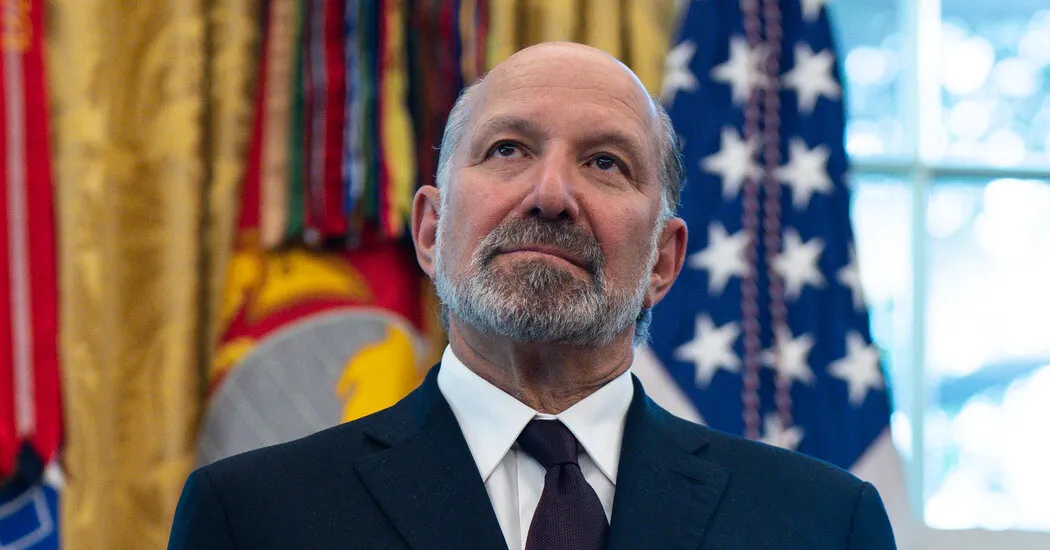
商务部长推动削弱与家族业务重叠的芯片规则 商务部长正在制定新规则,这些规则将影响东南亚的数据中心,其中一些是他曾经领导的公司的客户。
Lutnick Pushed to Weaken Chip Rules That Overlap With His Family Business The commerce secretary has been writing new rules that would affect Southeast Asian data centers, some of which are clients of his former firm.
在马来西亚郁郁葱葱的南部半岛,一家名为A201的数据中心计划明年开业,里面将配备数亿美元的英伟达最先进的人工智能服务器。
In Malaysia’s lush southern peninsula, a data center known as A201 is set to open next year, packed with hundreds of millions of dollars in Nvidia’s most advanced artificial intelligence servers.
该数据中心计划将这些算力供应给一家中国科技巨头。这一安排合法且有利可图。它还将规避美国禁止将最先进的人工智能芯片直接销售给中国公司的规定。
The data center plans to supply this computing power to a Chinese tech giant. The setup is legal and profitable. It will also sidestep U.S. rules that ban sales of the most advanced A.I. chips directly to Chinese firms.
运营该数据中心的公司是坎托 Fitzgerald的客户,坎托 Fitzgerald是一家金融服务公司,此前由商务部长霍华德·卢特尼克领导,他已将领导权交给了自己的儿子。卢特尼克先生现在正在制定将对该数据中心业务产生重大影响的规则。
The company operating the data center is a client of Cantor Fitzgerald, the financial services firm formerly led by Howard Lutnick, the commerce secretary, who handed off leadership of it to his sons. Mr. Lutnick is now writing the rules that would have a substantial effect on the data center’s business.
卢特尼克先生一直被视为减缓那些规则的力量,这些规则将打击英伟达芯片销售给类似A201的数据中心,这些数据中心位于中国境外,但向中国公司提供人工智能算力。
Mr. Lutnick has been seen as a force slowing rules that would clamp down on the sale of Nvidia chips to data centers like A201, which sit outside China but provide A.I. computing power to Chinese firms.
特朗普政府担心丧失美国在人工智能领域的优势,禁止向中国出售尖端芯片。但在过去两年多的时间里,政府一直陷入内部争论,关于在多大程度上限制向东南亚数据中心销售芯片。争论的一方是中国鹰派,他们认为这些数据中心是北京绕过芯片销售禁令的一种方式。另一方是官员,最突出的是卢特尼克先生,他们反对过度限制英伟达等美国公司在亚洲销售其产品的能力。
The Trump administration, concerned about ceding the country’s advantage in A.I., bans the sale of cutting-edge chips to China. But it has been embroiled in an internal debate for much of the past two years over how far to go in limiting chip sales to data centers in Southeast Asia. On one side of the debate are China hawks, who see the data centers as a way for Beijing to do an end run around the chip sales ban. On the other are officials, most prominently Mr. Lutnick, who are pushing against going too far in limiting the ability of U.S. companies like Nvidia to sell their products in Asia.
最近,卢特尼克先生一直在倡导一种较为宽松的正在考虑中的管控版本,该版本可能通过让美国政府对向国际数据中心销售芯片拥有更多监督权,从而削减英伟达的业务。这是卢特尼克先生在芯片监管方面采取软手段的最新例证,这一做法引发了立法者及政府内其他人士的批评。
Recently, Mr. Lutnick has been advocating a less stringent version of those controls under consideration, which could cut back on Nvidia’s business by giving the U.S. government more oversight of chip sales to international data centers. It is the latest example of Mr. Lutnick’s soft touch on chip regulation, which has prompted criticism from lawmakers and others in the administration.