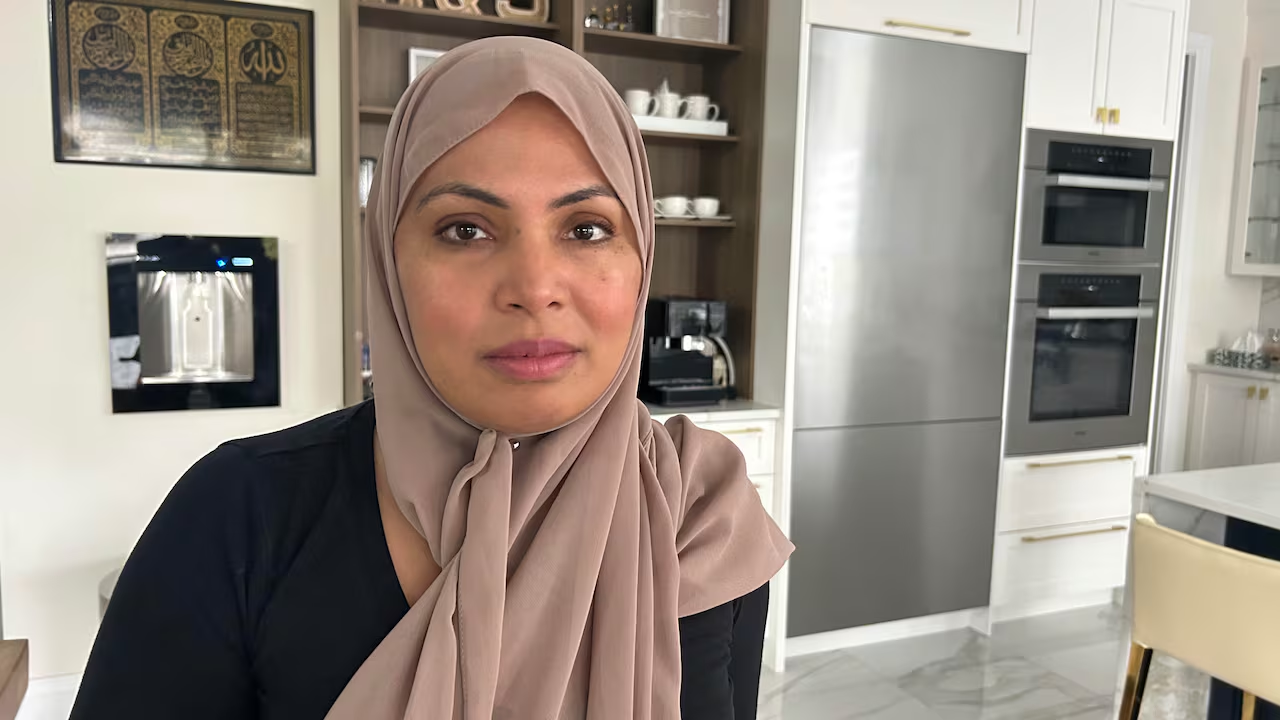
梅瓦伊什·拉贾(Mehwaish Raja)11岁的女儿今年秋天开始戴着头巾去上小学。拉贾表示,她认为政府不应该决定她女儿上学时穿什么。(史蒂夫·鲁卡维纳,CBC新闻)梅瓦伊什·拉贾11岁的女儿在今年夏天去日间夏令营的路上与她交谈时,给了她一个惊喜。
Mehwaish Raja's 11-year-old daughter started wearing a hijab to elementary school this fall. Raja says she doesn't think the government should decide what her daughter wears to school. (Steve Rukavina, CBC News) Mehwaish Raja’s 11 year-old daughter surprised her during a conversation this past summer on the way to day camp.
拉贾说:“她在车里跟我分享说:‘妈妈,我会在夏天结束时戴上头巾。’”在此之前,她的女儿只在特殊场合才戴头巾,拉贾从未坚持让她经常戴。
“She shared with me during the car ride: ‘Mama, I will wear my hijab at the end of the summer,’” Raja said. Up until that point, her daughter only wore the hijab for special occasions, and Raja had never insisted she wear it regularly.
拉贾说:“我只是说,‘好的。’到了夏天结束时,这真的发生了。”
“I just said, ‘OK.’ And by the end of the summer, it actually happened,” Raja said.
她的女儿现在在蒙特利尔西岛一所公立学校的五年级课堂上,每天都戴着头巾。
Her daughter now wears the hijab every day in her Grade 5 class in a public school in Montreal’s West Island.
如今,新上台的魁北克党团政府正在提议一项法律,将这种做法定为非法。这是该党在竞选期间宣布的一系列旨在加强世俗主义的措施的一部分。各团体谴责魁北克拟议禁止学童佩戴宗教标志的禁令拉贾很难理解这是为什么。
Now, the new Parti Québécois government is proposing a law that would make that practice illegal as part of a series of measures announced on the campaign trail to strengthen secularism. Groups decry Quebec's proposed ban on school kids wearing religious symbols Raja is struggling to understand why.
她说:“老实说,我无话可说。当我听到这样的话时,我无话可说。”她认为政府不应该有权决定她女儿上学时穿什么。
“Honestly, I'm out of words. I'm out of words when I hear things like this,” she said. She doesn’t think the government should be able to decide what her daughter wears to school.
她说:“当我们走出家门时,我们是以原本的身份离开的。我们究竟要把我们身上的哪一部分留在家里?”家长和专家对魁北克拟议禁止学童佩戴宗教标志的禁令表示担忧10小时前|时长 4:53多年来,魁北克逐步收紧了对学校教师、工作人员和家长志愿者佩戴宗教标志的限制。魁北克党团坚定不移地推进将该法律扩大到学童的计划,但专家和研究人员对此表示担忧,称这可能导致边缘化甚至是去人性化。
“When we step out of our house, we leave as who we are. What part of us do we leave at home?” she said. Parents, experts raise concerns over Quebec’s proposed ban on school kids wearing religious symbols 10 hours ago|Duration 4:53Over the years, Quebec has gradually tightened restrictions on wearing religious symbols in schools for teachers, staff members and parent volunteers. The Parti Québécois has stood firm on its plans to extend that law to school kids, but experts and researchers raise concerns, saying it could lead to marginalization and even dehumanization.
宗教标志在学校中逐渐被排挤出去前魁人党政府已推出多项法律,限制学校内的宗教象征,起初禁止教师佩戴,随后扩大至所有学校工作人员——甚至包括家长志愿者。
Religious symbols gradually squeezed out of schools The previous CAQ government already introduced several laws restricting religious symbols in schools, preventing at first teachers , and then all school staff – even parent volunteers – from wearing them.
总体而言,魁北克针对宗教象征的禁令一直以被视为处于权威地位的国家雇员为对象,但魁人党通过推出禁止在学校佩戴全脸遮盖物的规定,为针对学生敞开了大门。
Generally, religious symbols bans in Quebec have targeted employees of the state considered to be in positions of authority, but the CAQ opened the door to targeting students by introducing a ban on full face coverings at school.
省长保罗·圣皮埃尔·普拉蒙正在进一步推开这扇门,提议全面禁止小学生在校期间佩戴“显眼”宗教象征。
Premier Paul St-Pierre Plamondon is opening that door wider, proposing a blanket ban preventing elementary school students from wearing " conspicuous" religious symbols while at school.
圣皮埃尔·普拉蒙在9月宣布该措施时表示:“在如此年幼的年龄,因孩子们穿戴之物和宗教信仰而将他们分隔开,无助于凝聚力与融合。”他未提供任何具体事例。
“Separating children through what they wear and through religious beliefs at such a young age is not helping cohesion and integration,” St-Pierre Plamondon said in September when announcing the measure, without providing any specific examples.
他说:“我们认为,就让孩子们单纯做孩子而言,这是一项好政策,与他们的父母持有何种宗教信仰毫无关联。”
“We think it's a good policy in terms of letting children just be children, with no connection whatsoever to what their parents believe about religion,” he'd said.
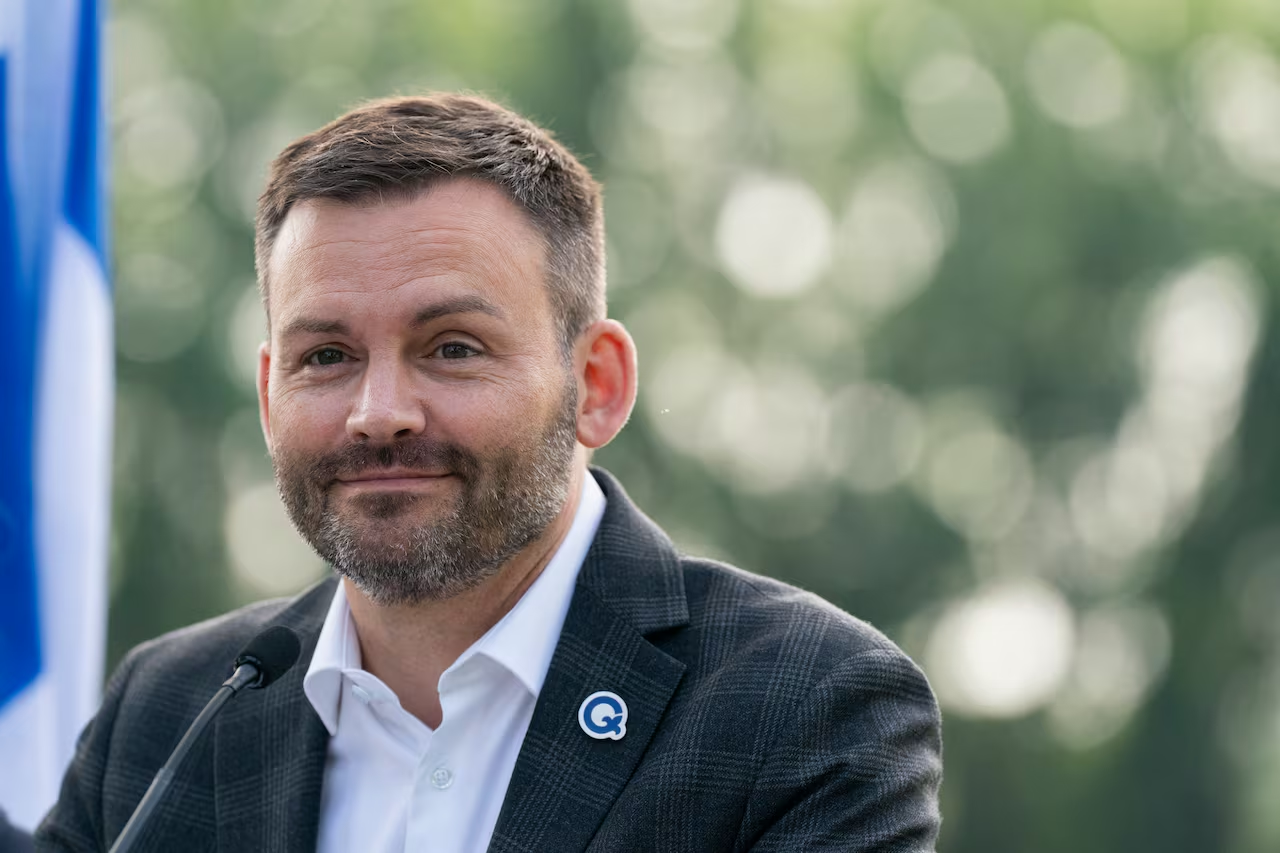
魁人党领袖保罗·圣皮埃尔·普拉蒙在竞选期间提议禁止小学生佩戴宗教象征时称,这些象征“干扰凝聚力与融合”。(Ivanoh Demers/CBC/Radio-Canada)在大选中赢得少数派政府并未动摇魁人党的决心,新任教育部长乔埃尔·阿尔诺表示,该措施“绝无商量余地”。
When proposing the religious ban for elementary schools during the election campaign, PQ Leader Paul St-Pierre Plamondon said the symbols 'interfere with cohesion and integration.' (Ivanoh Demers/CBC/Radio-Canada) Winning a minority government in the general election did not soften the PQ's resolve, with new Education Minister Joël Arseneau saying the measure was a "non-negotiable."
阿尔诺10月下旬在国会大厦对记者说:“我们是基于此当选,也是基于此开展工作。”母亲称拟议法律基于误解阿斯玛·库雷希表示,魁人党的提议源于无知。
"It’s on this basis that we were elected, and it’s on this basis that we’re working,” Arseneau told reporters at the National Assembly in late October. Mother says proposed law based on misconceptions Asma Qureshi says the PQ's proposal comes from a place of ignorance.
居住在蒙特利尔南岸的库雷希育有四个孩子。她最大的女儿现就读高中,四年级时开始在学校佩戴希贾布。她最小的女儿目前读幼儿园,今年曾几次佩戴希贾布去学校,只是想试一试。
Qureshi, who lives on Montreal’s South Shore, has four children. Her oldest daughter, now in high school, started wearing a hijab to school when she was in Grade 4. Her youngest daughter, currently in kindergarten, wore one to school a couple of times this year just to try it.
库雷希本人也戴着头巾。她说,两个女儿戴头巾都不是她要求或命令的。“我告诉自己,绝不会把这件事强加给孩子。”她说。
Qureshi – who wears a hijab herself – says in both cases, she didn’t ask or order her daughters to wear one. "I told myself that I would never impose it on my kids," she said.
“有一种说法一直在流传——从我小时候起就有——说儿童和女性是被迫戴头巾的。”
"There’s this narrative that goes around – and it's been there since I was a young kid – that children and women are being forced to wear the scarf."
魁北克省的世俗主义法律颠覆了她们的生活。她们担心接下来情况可能更糟库雷希认为,正是这种误解助长了魁北克省对佩戴宗教标志的限制逐步收紧,尤其是在学校里。她说,她还没有和女儿们讨论过这项拟议中的禁令。“你怎么告诉一个孩子,你戴你母亲戴的东西是违法的?”她说。
Quebec’s secularism laws upended their lives. They fear what comes next could be worse Qureshi thinks that misconception is what’s feeding the gradual tightening of restrictions on wearing religious symbols in Quebec, particularly in schools. She says she hasn’t yet discussed the proposed ban with her daughters. “How do you tell a child it’s against the law for you to wear something that your mother wears?” she said.
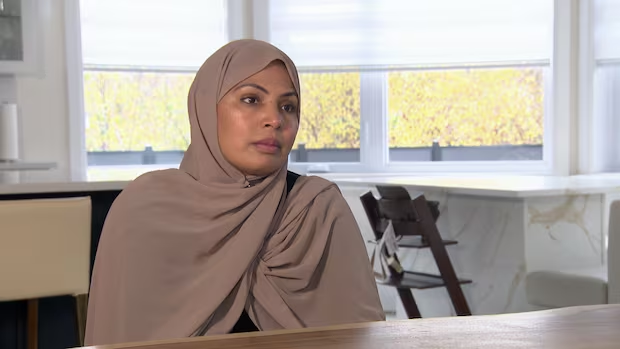
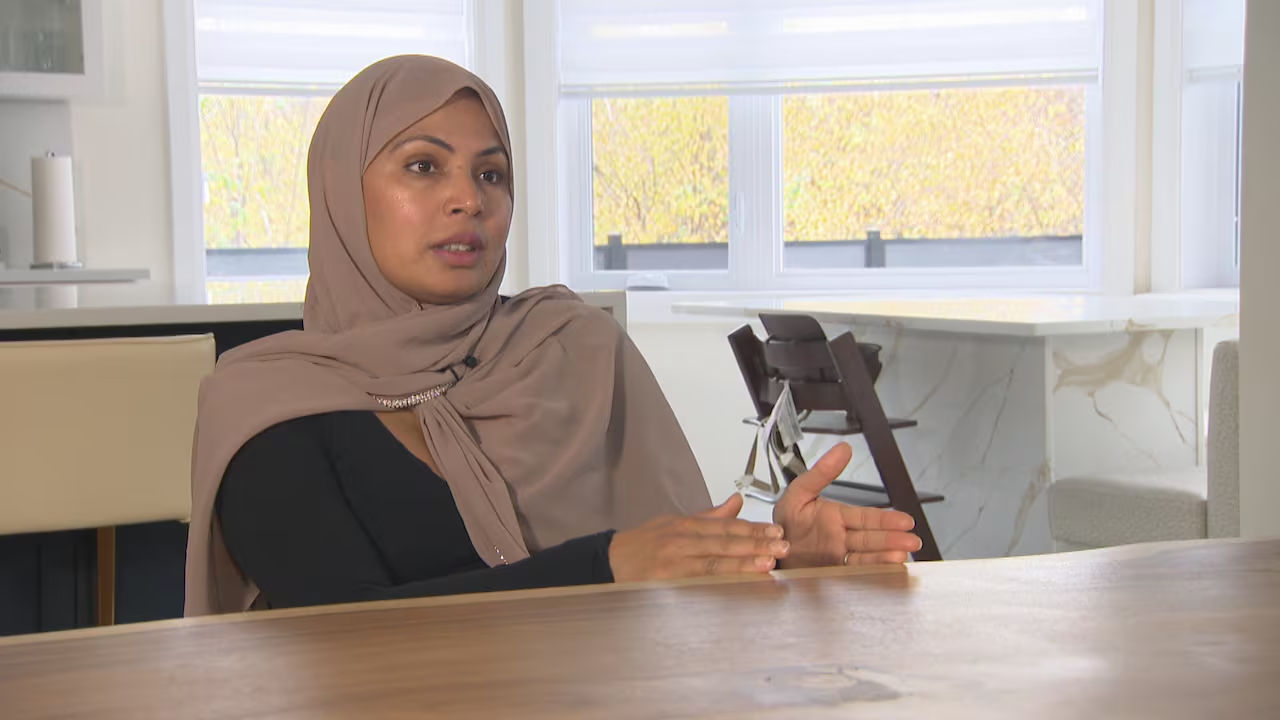
拉贾说,女儿今秋决定开始经常戴头巾,这促使她也戴上了头巾。(加拿大广播公司新闻)对拉贾而言,她此前一直不愿在魁北克戴头巾,怕引人注目。她说,女儿今秋决定在学校戴头巾,说服了她也这样做。
Raja says her daughter's decision to start wearing the hijab regularly this fall convinced her to do the same. (CBC News) For Raja, who up until now had been reluctant to wear a hijab in Quebec for fear of standing out, says her daughter's decision to wear one at school this fall convinced her to do the same.
“我真的为她感到骄傲,因为她11岁就决定戴了,而我40岁了却一直没能做到。”她说。“我女儿真的激励了我。”专家称禁令会造成伤害研究世俗主义和儿童发展的专家告诉加拿大广播公司,禁止学生佩戴宗教标志毫无正当理由,而且这项措施会造成伤害。
“I'm really proud of her because at 11 years old, she decided to wear it, whereas I’m 40 and I hadn't been able to,” she said. “My daughter truly inspired me." Ban would cause harm, experts say Experts in secularism and child development told CBC there is no justification for banning students from wearing religious symbols — and that the measure would be harmful.
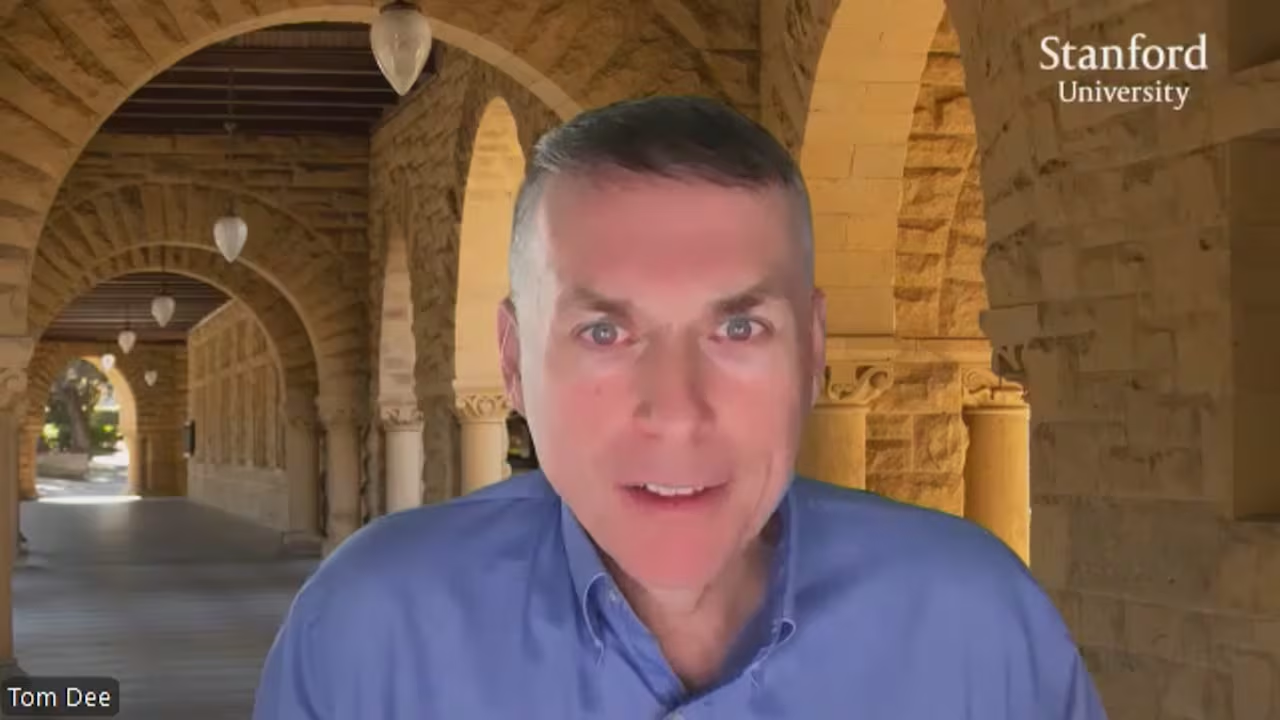
斯坦福大学经济学家托马斯·迪专门研究教育政策如何影响学生表现。他不认同让孩子抛开父母宗教包袱的说法。
Thomas Dee, an economist at Stanford University who specializes in how education policy affects student outcomes, disagreed with the notion of asking children to leave their parents' religious baggage behind.
“父母是孩子的第一任老师,也是影响最大的老师,把他们的引导和见解搁置一旁,在我看来是错误的,也是不尊重的。”他说。
“Parents are children's first and most impactful teachers, and to sideline their guidance and insights just seems misguided to me and disrespectful,” he said.
迪曾作为专家证人在针对魁北克省第一部世俗主义法律第21号法案的法庭挑战中作证。
Dee testified as an expert witness in the court challenge to Bill 21, Quebec’s first secularism law.
斯坦福大学经济学教授托马斯·迪研究教育政策对学生成绩的影响。他表示,一项在学校中边缘化家长价值观的政策是错误的,也是不尊重的。(加拿大广播公司新闻)拉瓦尔大学教育学院教授西瓦娜·赫希专门研究学校的文化与宗教多样性。她认为这项禁令是个糟糕的主意。
Thomas Dee, an economics professor at Stanford University who studies the effects of education policy on student outcomes, says a policy that marginalizes parents' values in school is misguided and disrespectful. (CBC News) Sivane Hirsch, a professor in the faculty of education at Université Laval who specializes in cultural and religious diversity in schools, believes the ban is a horrible idea.
“我们不希望孩子们觉得在学校里学到的东西是在对抗父母、对抗家庭,”赫希说。迪表示,这种冲突还会损害学生的表现。
“We don’t want children to feel they’re being taught in school against their parents, against their family,” Hirsch said. Dee said such a conflict would also hurt students’ performance.
“任何让学生感到不受欢迎或不安的做法,都意味着他们无法将全部注意力和动力投入到实现自身学业潜力上,”迪说。加蒂诺一位母亲被告知不能在课后活动中戴头巾:家长委员会泽纳布·迪亚卜是蒙特利尔大学宗教研究研究员,也是《以世俗之名》一书的作者,该书讲述魁北克的伊斯兰恐惧症。她表示,一项针对幼童的世俗主义法律是不人道的。
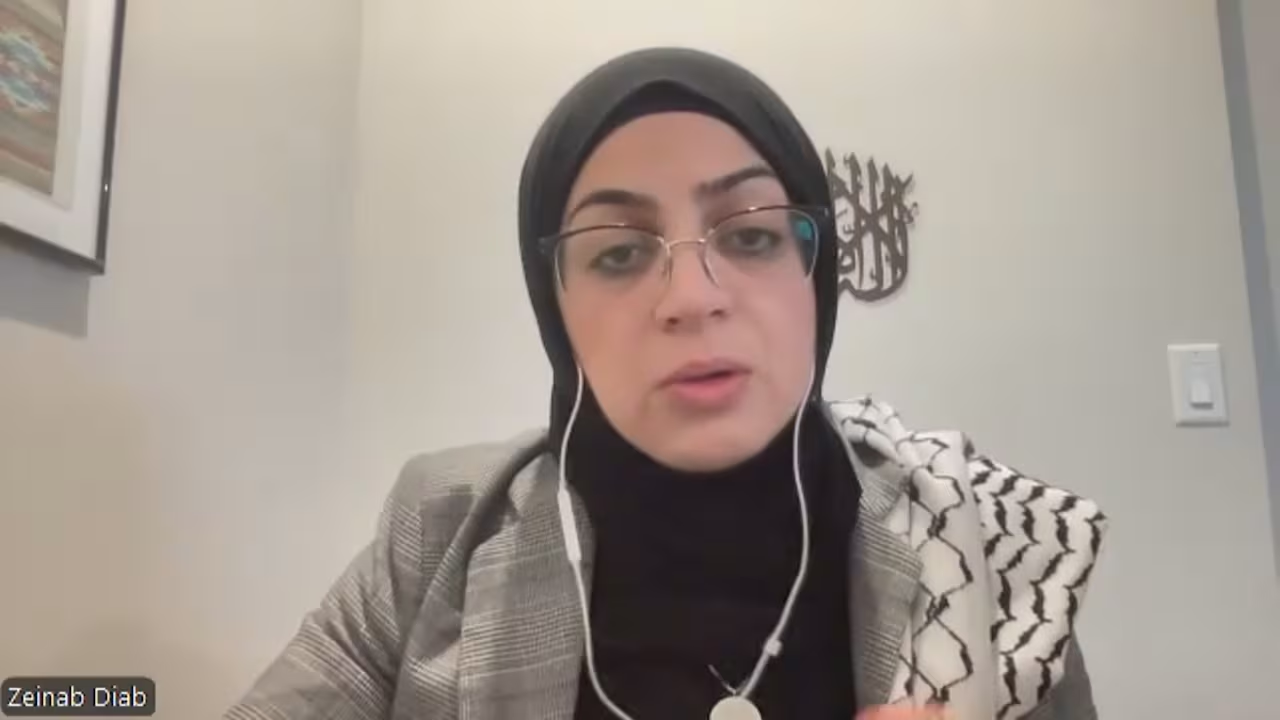
“Anything that makes students feel less welcome or less at ease will imply they're not able to bring their full attention and motivation to the realization of their academic potential,” Dee said. Gatineau mom told she can't wear hijab at after-school event: parent committee Zeinab Diab, a religious studies researcher at Université de Montréal and author of Au nom de la laïcité , a book about Islamophobia in Quebec, said a secularism law that targets young children is inhumane.
“他们正在剥夺这些孩子的人性,限制他们上学的机会。什么样的社会允许这种事?”她说。
“They are dehumanizing them and limiting their access to school. What kind of society allows that?” she said.
作家兼宗教研究研究员泽纳布·迪亚卜表示,针对儿童实施宗教符号禁令是不人道的。(加拿大广播公司新闻)迪表示,宗教符号出现在课堂上实际上可能有帮助。
Author and religious studies researcher Zeinab Diab says targeting children for a religious symbols ban is inhumane. (CBC News) Dee said the presence of religious symbols in the classroom could actually help.
“如果你与不同的人接触交流,你就不再使用简单的经验法则来评判他们,而是把他们当作人来评判,”他说。库雷希说,这正是她女儿的经历。她说,女儿开始戴头巾时,没有其他学生发表负面评论或为难她。
“If you engage with people across difference, you no longer use simple rules of thumb to judge them, but rather you judge them as people,” he said. Qureshi said that was her daughter’s experience. She said no other students made negative comments or gave her daughter a hard time when she started wearing the hijab.
“她就像任何其他普通人一样,”她说。“这就是美好之处——当人们能够认可你是谁,而不是你穿什么。”魁人党至少需要另一个政党的支持为了通过这项禁令,魁北克人党至少需要国民议会中另一个政党的支持。
“It was just like she was any other regular person,” she said. “That's the beautiful thing – when people can recognize you for who you are rather than what you wear." PQ needs support of at least 1 other party In order to adopt the ban, the PQ will need support from at least one other party in the National Assembly.
魁北克自由党领袖、官方反对党领袖查尔斯·米利亚尔上周表示,他的政党不会支持这项措施。
Charles Milliard, leader of the Quebec Liberals and the Official Opposition, said last week his party wouldn’t support the measure.
“我们谈论的是孩子。我不会拿孩子来做政治文章,”米利亚尔说。魁北克团结党也不支持这项措施。这样一来就只剩下魁北克保守党。
“We're talking about children. I'm not going to do politics on the backs of children,” Milliard said. Québec Solidaire also doesn’t support the measure. That leaves the Conservative Party of Quebec.
周一,该党领袖埃里克·杜海姆表示,他的政党总体上支持世俗主义,但在决定是否支持这项拟议法律之前,希望看到更多细节。
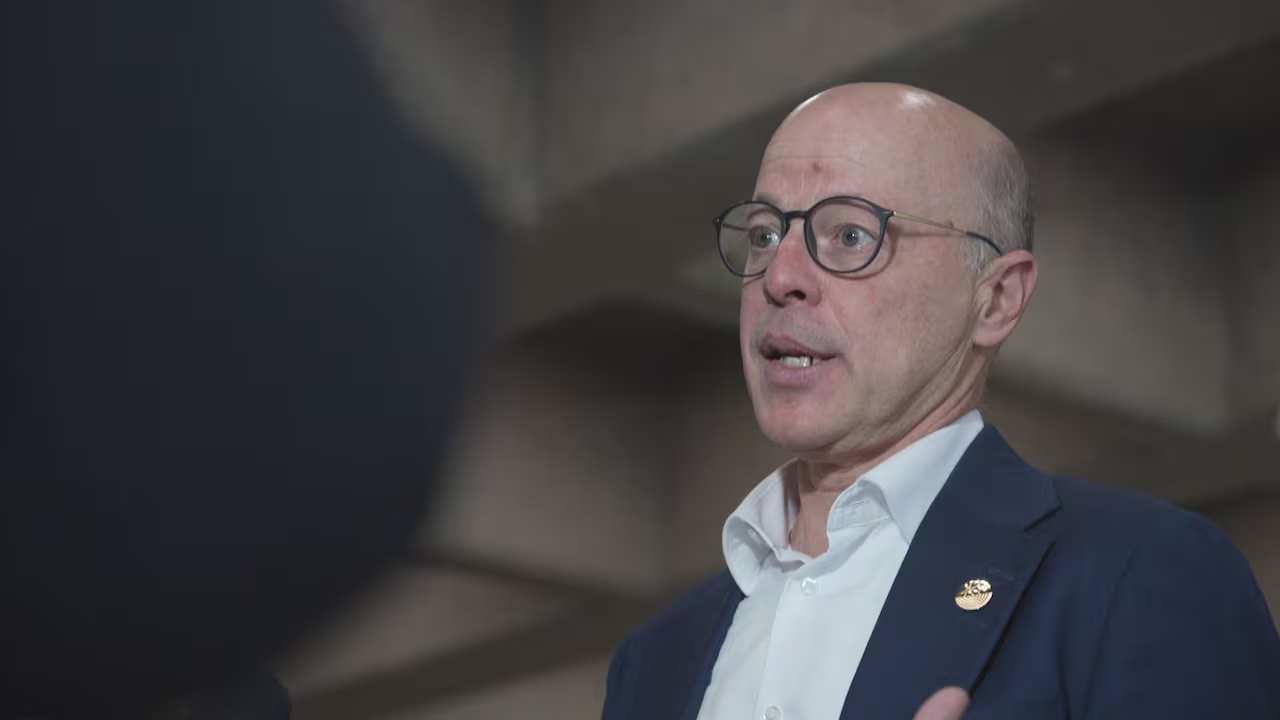
On Monday, leader Éric Duhaime said his party generally supports secularism, but wanted to see more details before deciding whether to support the proposed law.
“我的意思是,如果那些孩子不遵守规定,我们打算怎么办?”杜海姆对记者说。“这就是我希望在推进之前弄清楚的事情。”
"I mean, what are we going to do with those kids if they don't respect the rules?" Duhaime told reporters. "That's the kind of thing that I want to know before we move forward."
教育部长若埃尔·阿瑟诺表示,他正在与其他政党就禁止小学生佩戴宗教标志的想法进行谈判,他们的立场可能会发生变化。(加拿大广播公司新闻)上周,阿瑟诺表示他正在与其他政党就该法案进行谈判,他们的立场可能会发生变化。他拒绝了加拿大广播公司新闻的采访请求。
Education Minister Joël Arseneau says he's negotiating with other parties about the idea of banning religious symbols for elementary school students, and that their positions may evolve. (CBC News) Last week, Arseneau said he was in negotiations with other parties about the bill, and that their positions may evolve. He declined CBC’s request for an interview.
拉贾说,如果禁令真的成为法律,她的女儿很可能会离开目前就读的学校。
Raja says if the ban does become law, her daughter would likely leave her current school.
“如果公立系统真的要求我们不要践行我们坚定信仰的某些价值观,我会选择另一种教育孩子的方式,”她说。
“If the public system is really asking us not to practise certain values that we strongly believe in, I would choose another way of educating my children,” she said.
对她来说,那很可能是私立学校,但她说其他一些家长可能会选择在家教育。迪亚卜说,并非所有家庭都有钱或时间选择这些方式。
For her that would likely be private school, but she said some other parents might choose homeschooling. Diab said not all families have either the money or the time for those options.
“也许他们会适应,但没有人应该一直处于抗争和求生模式,”她说。“这太令人疲惫了。”
“Maybe they’re going to adapt, but no one should be always in fight and survival mode,” she said. “This is exhausting.”