阿塞拜疆禁止戴头巾的抗议活动:为什么儿童也参与其中?作者:Ismi Aghayev, Mark Scheider日期:2026年10月16日在阿塞拜疆,佩戴头巾的女孩被学校拒之门外,这引发了儿童们的抗议活动。政府的官方规定中并未提及“头巾”这一禁令,那么学校为何要执行这些不成文的规则呢?
Protests against hijab ban in Azerbaijan: Why are children involved? Ismi Aghayev Mark Scheider October 16, 2026 Girls wearing headscarves have been turned away from schools in Azerbaijan, triggering unusual protests involving children. The government rules do not mention hijabs. Why are schools enforcing unwritten rules?
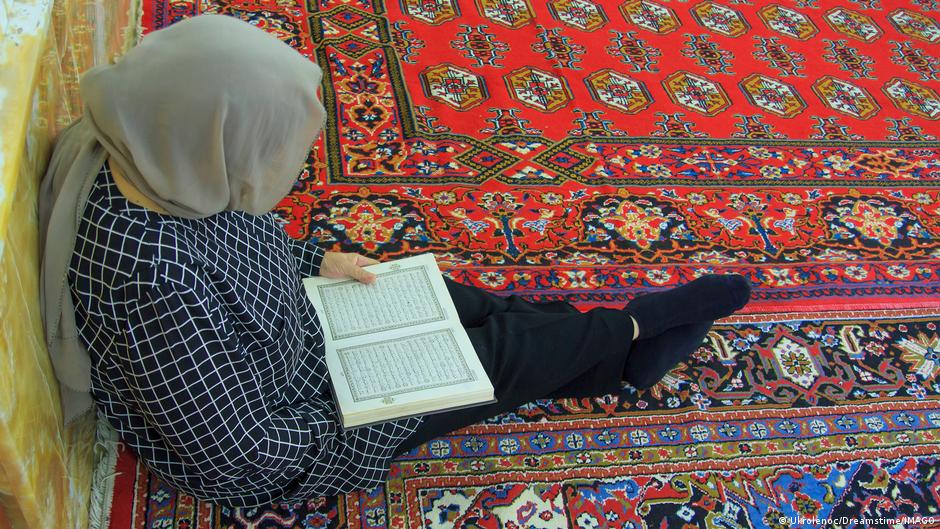
阿塞拜疆是一个以穆斯林为主的国家(图片来自2016年)。关于学校中佩戴头巾的争议不仅在国内引发了抗议,还导致阿塞拜疆与土耳其两国政界人士之间出现了罕见的公开批评。两国领导人通常将彼此的关系描述为“一个国家,两个国家”。这场争议引发了人们对宗教自由、国家主权以及土耳其和伊朗在该地区影响力范围的质疑。
Azerbaijan is a majority Muslim country (file photo from 2016) A dispute over Islamic headscarves in Azerbaijani schools has triggered protests at home and an unusual exchange of criticism between politicians in Azerbaijan Turkey two countries whose leaders routinely describe their relationship as that of "one nation, two states". The row has raised questions about religious freedom, sovereignty and the limits of Turkish and Iranian influence in the south Caucasian country.
这场前所未有的抗议活动已在阿塞拜疆持续了近一周时间。孩子们纷纷走上街头,反对学校实施的头巾禁令。参与抗议的不仅有佩戴头巾的女孩,还有男生们,他们与同学们一起表达了自己的反对意见。
The unprecedented protests have been taking place across Azerbaijan for a nearly week. Children have demonstrated against the headscarf ban introduced at schools. Among those rallying outside of schools are girls who wear Islamic headscarves; others, including boys, have joined classmates in solidarity.
在阿塞拜疆,公开抗议活动本来就十分罕见,警方通常会立即予以镇压;而涉及儿童的抗议活动更是史无前例。随着抗议视频在社交媒体上的传播,该国的TikTok服务一度被中断,这表明当局对此事的重视程度之高。互联网监控机构记录到了这次服务被封锁的情况,但当局并未说明封锁的具体原因。
Rallies in general are rare in a country where police routinely disperse any public protests. But demonstrations involving children are unprecedented in Azerbaijan. As the videos showing the protests started spreading on social media, access to TikTok was disrupted in the country, indicating how seriously the authorities are taking the issue. Internet monitors documented blocks; the authorities have not explained their cause. School rules interpreted as a hijab ban The dispute follows a series of legal changes.
这场争议的背景是阿塞拜疆近期的一系列法律变革:7月7日,该国修订了《普通教育法》,强调了世俗教育的原则,并要求学生和教师遵守着装规定;9月21日,政府又通过了第309号决议,进一步严格了校服规定。
On July 7, Azerbaijan amended its general education law, reinforcing the principle of secular education and requiring pupils and teachers to comply with dress codes. On September 21, the government adopted Resolution No. 309, tightening school uniform rules.
该决议禁止额外服装,这些服装会扰乱标准校服或与世俗教育相冲突。它并未明确提及头巾 ― 穆斯林用以遮盖头发和颈部的头巾 ― 也未指示学校拒绝佩戴头巾的学生入学。但一些学校管理人员将该规则解释为适用于头巾,并拒绝佩戴头巾的女生入校。该规定赋予每所学校的教学委员会解决合规问题的责任。
The resolution prohibits additional clothing that disrupts the standard uniform or conflicts with secular education. It does not explicitly mention the hijab ― a Muslim headscarf covering the hair and neck ― or instruct schools to exclude pupils wearing one. But some school administrators have interpreted the rule as applying to hijabs and turned girls covering their heads away. The regulation gives each school's pedagogical council responsibility for resolving compliance issues.
10月6日的另一项决定为教师设定了着装要求。随后有报道称,佩戴头巾的女性被禁止从事教学工作。
A separate decision on October 6 set dress requirements for teachers. Reports followed of women wearing headscarves being prevented from teaching.
来自巴库政府的新规则并未明确提及头巾。世俗教育与宗教自由。阿塞拜疆是一个以穆斯林为主的国家,但其宪法第18条将宗教与国家分离,并要求国家教育具有世俗性。宪法第42条和第48条保障受教育权和良心自由。
The new rules from the government in Baku don't explicitly mention the hijab Secular education and religious freedom Azerbaijan is a predominantly Muslim country, but Article 18 of its constitution separates religion from the state and requires state education to be secular. Articles 42 and 48 protect the right to education and freedom of conscience.
支持学校做法的人士认为,同样的着装规则应适用于所有学生。批评者则认为,因宗教服装而将女生排除在外侵犯了她们的权利。这一争议超越了传统的政治分歧:一些政府批评者支持这些限制,而一些非宗教的阿塞拜疆人则反对它们。学校头巾限制也曾在2010年及随后几年引发抗议。
Supporters of the schools' actions say the same dress rules should apply to all pupils. Critics argue that excluding girls because of religious clothing violates their rights. The dispute cuts across conventional political divisions: some government critics support the restrictions, while some non-religious Azerbaijanis oppose them. School headscarf restrictions also prompted protests in 2010 and subsequent years.
家庭和教师描述了影响。巴库一位拥有40年教龄的文学教师表示,佩戴头巾的女生在其所在学校未被允许进入课堂。一些学生摘下了头巾;另一些学生回家或希望在家学习。该教师不愿透露姓名,仅提供了首字母M.C.,他支持执行校服规定,认为儿童年龄尚小,无法就宗教着装做出决定。
Families and teachers describe the impact A Baku literature teacher with 40 years of experience, said that girls wearing headscarves were not admitted to classes at the teacher's school. Some removed their scarves; others went home or wanted to study at home. The teacher, who didn't want to be identified by name and provided only the initials M.C., supported enforcing the uniform rules, arguing that children were too young to make decisions about religious dress.
一位自称为D.A.的家长对德国之声表示,这并不是全国性的头巾禁令,而是校服问题。另一位反对限制的家长在稿件发表前撤回了采访。
A parent identified as D.A. told DW this was not a nationwide hijab ban, but a matter of school uniforms. Another parent who opposed the restrictions withdrew an interview before publication.
来自巴库的Facebook用户萨拉夫·卡巴罗夫在其社交媒体账号上发文称,他的女儿塞维尔是阿塞拜疆首都的一名小学教师,因拒绝摘下头巾而被解雇。他还发布了一份学校通知,根据新的着装规定,对其发出书面警告。
Facebook user Sarraf Cabbarov from Baku posted on his social media account that his daughter Sevil, a primary school teacher in Azerbaijan's capital, was dismissed for refusing to remove her headscarf. He also published a school order issuing her a written warning under the new dress regulations.
阿塞拜疆的拘留与反应 10月12日,内政部表示,有37人因与抗议活动有关而被拘留。根据该部门的声明,该群体与学校工作人员发生冲突,损坏财产,并试图阻碍学校活动和交通。刑事案件根据第233条立案,涉及扰乱公共秩序。内政部未透露被拘留者的身份,也未说明是否包括儿童。
Detentions and reactions in Azerbaijan On October 12, the Interior Ministry said 37 people had been detained in connection with the protests. According to the ministry's statement, the group had confronted school staff, damaged property and attempted to obstruct school activities and traffic. A criminal case was opened under Article 233, concerning disruption of public order. The ministry did not identify those detained or say whether they included children.
头巾是巴库日常生活的一部分 艺术家兼活动家伊尔金·胡赛诺夫在发起一个将志愿家教受限制影响的学生联系起来的项目后失踪。当地媒体随后援引其亲近的人士报道称,他因 allegedly 不服从警察命令而被行政拘留30天。
Hijabs are part of daily life in Baku Artist and activist Ilkin Huseynov went missing after launching a project linking volunteer tutors with pupils affected by the restrictions. Local media later reported, citing people close to him, that he had been given 30 days of administrative detention for allegedly disobeying police orders.
一些观察家认为,校服新规的出台是阿塞拜疆政府试图抵消邻国伊朗影响以及国内宗教团体日益壮大的举措。这种解读在本质上也得到了政府官员的呼应,尽管他们避免明确点名伊朗。
Some observers linked the introduction of the new rules for school uniform to the attempts by the Azerbaijani government to counter the influence of neighboring Iran and the growing strength of religious groups within the country. This interpretation is, in essence, echoed by government officials as well, although they stop short of explicitly naming Iran.
法齐尔·穆斯塔法,阿塞拜疆议会公共协会和宗教机构委员会主席表示,当局担心受国外影响的宗教团体,并为学校规定进行辩护。阿拉赫舒库尔·帕沙扎德,高加索穆斯林办公室负责人也警告了外部干涉,但呼吁和平解决。所谓的外国介入尚未得到独立证实。
Fazil Mustafa, who chairs the Committee for Public Associations and Religious Institutions at Azerbaijan's parliament, said the authorities were concerned about religious groups influenced from abroad and defended the school rules. Allahshukur Pashazade, head of the Caucasus Muslims Office, also warned of outside interference but called for a peaceful solution. The alleged foreign involvement has not been independently established.
大赦国际谴责了禁止佩戴头巾女生入学的行为,并呼吁释放仅因和平抗议而被拘留的任何人。
Amnesty International condemned the exclusion of girls wearing hijabs and called for the release of anyone detained solely for protesting peacefully.
争议波及土耳其 这场争议也在土耳其引发了批评,土耳其是阿塞拜疆的亲密盟友。抗议者于10月3日聚集在伊斯坦布尔阿塞拜疆领事馆外。土耳其总统雷杰普·塔伊普·埃尔多安的顾问奥克泰·萨拉尔批评了这些限制,称拒绝佩戴头巾的学生接受教育是不可接受的。阿塞拜疆执政党新阿塞拜疆党回应称,密切关系不能成为干涉其内政的理由。
Dispute reaches Turkey The controversy has also drawn criticism in Turkey, Azerbaijan's close ally. Protesters gathered outside Azerbaijan's consulate in Istanbul on October 3. Oktay Saral, an adviser to Turkish President Recep Tayyip Erdogan, criticized the restrictions, saying it's unacceptable to deny education to students wearing headscarves. Azerbaijan's ruling New Azerbaijan Party replied that close relations did not justify interference in its internal affairs.
对于受影响的家庭,当前的紧迫问题是孩子们是否能够在不摘下头巾的情况下上学。辛姆·德米尔对此有报道贡献。
For affected families, the immediate question remains whether children can attend school without removing their headscarves. Sinem Demir contributed reporting.