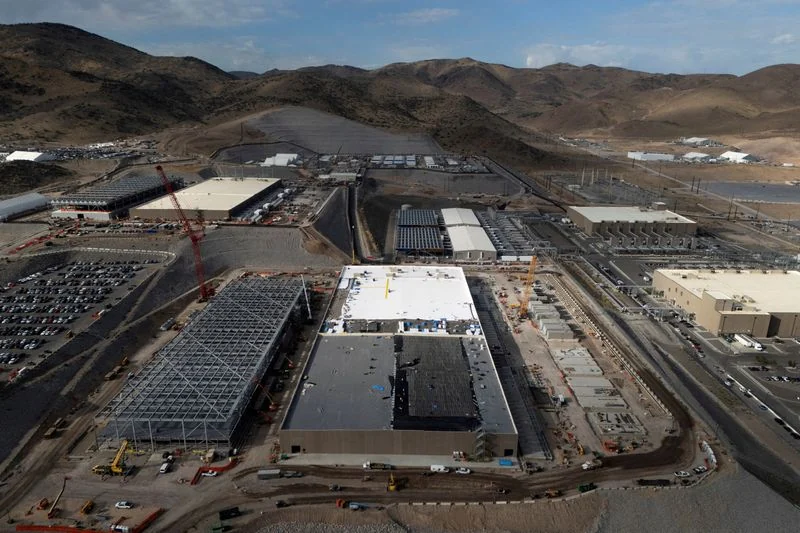
11月18日 —— 风电场、数据中心、输油管道和输电线路的未来,可能取决于美国国会是否批准一项许可制度改革。支持者称这将降低电力成本,但批评者警告这会削弱环境保护。
Nov 18 - The future of wind farms, data centers, oil pipelines and transmission lines could hinge on whether the US Congress approves a permitting overhaul that backers say would cut electricity costs, but critics warn would weaken environmental protections.
这部长达400页的《两党美国可负担与就业法案》预计将于本周在参议院进行最终表决,该法案将通过缩短环境审查和诉讼的时间表,加快重大能源和基础设施项目的审批。
The 400-page Bipartisan American Affordability and Jobs Act, expected to receive a final vote in the Senate this week, would accelerate approvals for major energy and infrastructure projects by cutting timelines for environmental reviews and litigation.
该法案旨在解决什么问题?几十年来,民主党人和共和党人都认为,美国建设大型基础设施项目耗时过长。
WHAT PROBLEM IS THE BILL TRYING TO SOLVE? Democrats and Republicans alike have argued for decades that the US takes too long to build large infrastructure projects.
随着人工智能的快速增长推高电力需求,引发对电价、输电瓶颈以及电网能否迅速扩张以支持新数据中心的担忧,这一问题变得更加紧迫。
The issue has taken on urgency as AI’s rapid growth drives electricity demand, raising concerns about power prices, transmission bottlenecks and whether the grid can expand quickly to support new data centers.
例如,SunZia输电线路全长550英里(885公里),旨在将新墨西哥州的风电输送至亚利桑那州和加利福尼亚州,该项目从提案到完工耗时近二十年。
SunZia, a 550-mile (885-km) transmission line to deliver wind power from New Mexico to Arizona and California, for example, took nearly two decades to move from proposal to completion. WHAT WOULD THE BILL DO?
该法案将做什么?
• Speed environmental reviews.
- 加快环境审查。 该法案将对许多联邦审查设定最后期限,要求各机构协调许可决定,并建立联邦许可追踪系统。根据白宫经济顾问委员会的数据,该法案将主要联邦环境审查的目标时间设定为两年,而目前的平均耗时超过四年。
The bill would impose deadlines on many federal reviews, require agencies to coordinate permitting decisions and create a federal permitting tracker. The bill would set a two-year target for major federal environmental reviews, compared with an average of more than four years now, according to the White House Council of Economic Advisers. • Make data centers pay.
- 让数据中心承担费用。 该法案最受关注的条款之一,将要求大型数据中心承担更多与其电力需求相关的输电和基础设施成本。
One of the bill’s most closely watched provisions would require large data centers to bear more of the transmission and infrastructure costs associated with their electricity demand. • Expand transmission development.
- 扩大输电建设。 该立法包含旨在加快输电线路及现有基础设施升级的规划、选址和建设的条款。
The legislation includes provisions intended to accelerate planning, siting and construction of transmission lines and upgrades to existing infrastructure.
- 增加许可确定性。该法案将限制许可被撤销或在法庭上受到挑战的情形。它为许多法律挑战设定了在许可或审查后150天的窗口期,取代了目前允许诉讼在批准后数月甚至数年才出现的零散截止日期体系。
• Increase permit certainty. The bill would limit circumstances under which permits can be revoked or challenged in court. It establishes a 150-day window for many legal challenges after permits or reviews, replacing a patchwork of deadlines that can allow litigation to emerge months, even years, after approvals.
- 支持者表示,许可确定性将给投资者信心以推进项目。批评者认为,这限制了问责和司法审查。关于特朗普冻结风电项目的情况如何?
• Supporters say permit certainty would give investors confidence to move forward. Critics argue it limits accountability and judicial review. WHAT ABOUT TRUMP’S FREEZE ON WIND PROJECTS?
旨在防止挑战和延误的条款被纳入法案,是为了防止政治风向变化导致项目被取消。例如,前民主党总统乔·拜登取消了“基石XL”输油管道的许可,而唐纳德·特朗普的共和党政府则冻结并延误了风电项目。
The provisions meant to prevent challenges and delays were included to prevent political swings resulting in project cancellations. Former Democratic President Joe Biden, for example, canceled the Keystone XL oil pipeline permit while President Donald Trump’s Republican administration has frozen and delayed wind projects.
一些民主党议员和环保团体表示,在特朗普本月说出“我不会批准风力涡轮机,因为风力涡轮机是一个主要的失败者”之后,他们需要进一步的保证,确信特朗普会遵守法律。为什么该法案与数据中心挂钩?
Some Democratic lawmakers and environmental groups say they need further assurances that Trump would follow the law, after he said this month: "I will not approve wind turbines because wind turbines are a major loser." WHY HAS THE BILL BECOME TIED TO DATA CENTERS?
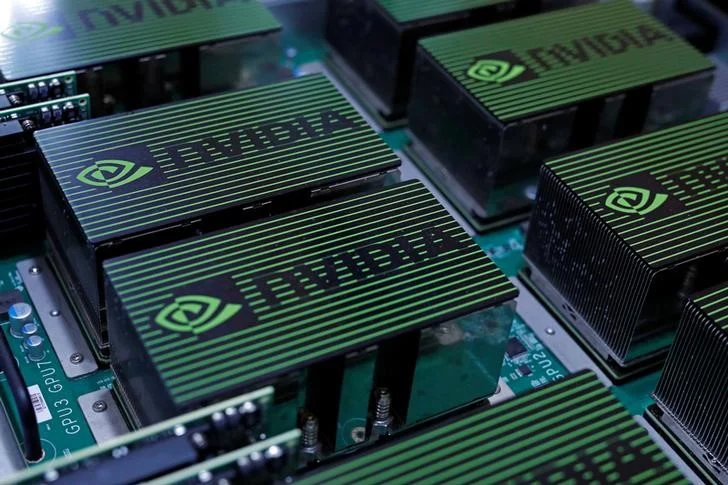
针对全国各地社区普遍反对数据中心开发的情况,该法案将要求大型计算设施承担其给电网带来的更多成本。
In response to widespread opposition to data center development from communities nationwide, the bill would require large computing facilities to bear more of the costs they impose on the grid.
批评者认为,放宽所有行业的许可要求只会让数据中心更容易建设。该法案将如何降低能源价格?
Critics argue that loosening permitting requirements for all industries will only make data centers easier to build. HOW WOULD THE BILL LOWER ENERGY PRICES?

支持者认为,发电厂、输电线路和其他基础设施的许可延误增加了消费者和企业的成本。白宫经济顾问委员会估计,该法案每年可使经济产出增加820亿至1640亿美元,并将平均家庭电费每年降低约178至251美元。
Supporters argue delays in permitting power plants, transmission lines and other infrastructure raise costs for consumers and businesses. The White House Council of Economic Advisers estimated the bill could increase annual economic output by $82 billion to $164 billion and reduce average household electric bills by roughly $178 to $251 per year.
独立分析普遍认为,该法案将降低成本。未来资源研究所估计,该法案将大幅扩大输电能力,并在2050年前带来3500亿美元的节省,而荣鼎咨询发现,该法案可能降低导致气候变暖的排放。为什么环保组织和部落反对?
Independent analyses generally conclude the bill would lower costs. Resources for the Future estimated it would significantly expand transmission capacity and generate $350 billion in savings through 2050, while Rhodium Group found it could lower climate-warming emissions. WHY ARE ENVIRONMENTAL GROUPS AND TRIBES OPPOSED?
包括环境保护选民联盟、塞拉俱乐部和自然资源保护委员会在内的环保组织支持该法案的输电和清洁能源条款,但认为它也会加速化石燃料开发,并削弱对公共土地、水源、野生动物和社区的保护。
Environmental groups including the League of Conservation Voters, Sierra Club and Natural Resources Defense Council support the bill’s transmission and clean-energy provisions but argue it would also accelerate fossil-fuel development and weaken protections for public lands, water, wildlife and communities.
包括美国印第安人全国大会在内的部落组织表示,该法案将加快审批置于保护圣地与部落协商之上。为什么民主党人存在分歧?
Tribal organizations, including the National Congress of American Indians, say the bill prioritizes faster approvals over protections for sacred sites and tribal consultation. WHY ARE DEMOCRATS DIVIDED?
民主党人最大的分歧在于,是现在就通过这项两党法案,还是等到明年本党掌控众议院和参议院时再推动一个更强有力的版本。
The biggest Democratic disagreement is about whether to pass the bipartisan bill now or pursue a stronger version next year, when the party takes control of the House of Representatives and Senate.
民主党参议员、新墨西哥州的马丁·海因里希和罗德岛州的谢尔登·怀特豪斯与共和党人、西弗吉尼亚州的雪莉·摩尔·卡皮托和犹他州的迈克·李共同提出了该法案。他们表示,选民希望现在就降低能源成本,国会可以在以后加强环境保护。接下来会发生什么?参议院已以压倒性多数通过了两项程序性障碍。
Democratic Senators Martin Heinrich of New Mexico and Sheldon Whitehouse of Rhode Island, who authored the bill with Republicans Shelley Moore Capito of West Virginia and Mike Lee of Utah, say voters want lower energy costs now and that Congress can strengthen environmental protections later. WHAT HAPPENS NEXT? The Senate has voted overwhelmingly to clear two procedural hurdles.
该法案仍需参议院进行最终表决,预计本周进行,并需众议院审议。由于民主党人之间存在分歧,而且国会正努力在12月11日联邦资金到期前为政府提供资金,该法案今年能否在众议院通过仍不确定。
The bill still faces a final Senate vote, expected this week, and consideration by the House. Passage in the House this year remains uncertain due to the divide among Democrats and as Congress works to fund the government before federal funding expires on December 11.