我敢打赌,黄仁勋一定后悔没早想到这一招。Anthropic的创始人想出了一个巧妙办法,确保自己不会重蹈英伟达被罢免CEO的覆辙:把公司控制权牢牢掌握在自己手中。
I bet Jensen Huang wishes he'd thought of this. Anthropic's founders have devised an ingenious way to make sure they don't suffer the same fate as Nvidia's ousted CEO: Give themselves control of the company.
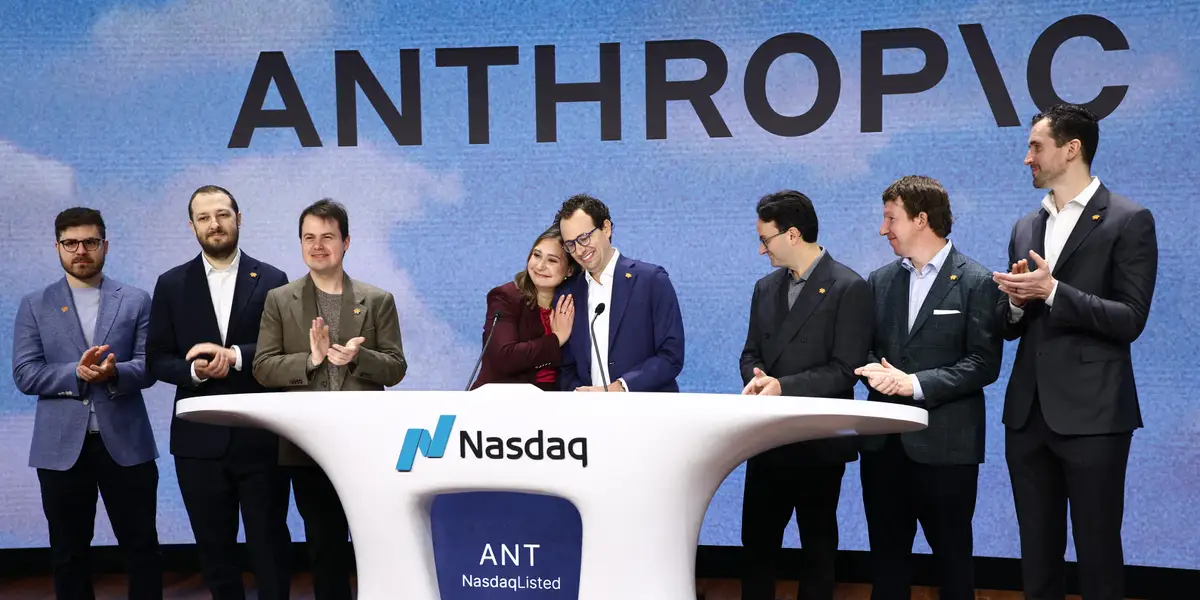
我以前见过这出戏。2004年,我为MarketWatch报道谷歌IPO。联合创始人拉里·佩奇和谢尔盖·布林坚持认为,他们的搜索引擎对世界至关重要,因此需要特殊投票权股份来保护使命。这招奏效了。他们保住了控制权,随后包括马克·扎克伯格在内的其他科技创始人纷纷效仿。如今,Anthropic把这个想法推得更远。其七位联合创始人(包括CEO达里奥·阿莫代伊)通过特殊的F类股,共同掌握50.1%的股东投票权。
I've seen this movie before. In 2004, I covered Google's IPO for MarketWatch. Cofounders Larry Page and Sergey Brin insisted their search engine was so important to the world that they needed special voting stock to protect their mission. It worked. They retained control, and other tech founders, including Mark Zuckerberg, followed their lead. Now Anthropic is taking this idea even further. Its seven cofounders, including CEO Dario Amodei, collectively control 50.1% of shareholder votes through a special Class F share.
无论Anthropic发行多少普通股,这一投票权都不会改变。一个独立的、为保护Anthropic AI安全使命而设立的信托,持有T类股,通常有权任命和罢免大多数董事。Anthropic称,这些保护措施必要,因为AI过于强大,其发展必须免受短期投资者压力干扰。还有一个更实际的好处:掌握公司投票权的领导人极难被赶下台。
No matter how many ordinary shares Anthropic sells, that voting power remains intact. A separate, independent trust, established to protect Anthropic's AI safety mission, holds Class T stock that generally lets it appoint and remove a majority of the board. Anthropic says these protections are necessary because AI is so powerful that its development must be shielded from short-term investor pressure. There's a more practical benefit: It's extremely difficult to oust leaders who control their company's voting power.
这就说回黄仁勋了。33年前,他联合创立英伟达,当时公司做显卡芯片。那时,特殊投票权股份在科技界罕见。若声称电子游戏对人类太重要,不能交给普通股东,恐怕很难说服大家。如今,英伟达驱动AI革命。但黄仁勋仅持有约3.5%股份,没有特殊投票权。董事会把他推了出去。支持者希望他回归。我怀疑,如果能重来一次,黄仁勋会另选路子。
Which brings me back to Jensen. He cofounded Nvidia 33 years ago, when it made video game chips. Back then, special voting stock was rare in tech. And claiming video games were too important to humanity to leave to ordinary shareholders would have been a tough sell. Today, Nvidia powers the AI revolution. But Huang owns only about 3.5% of its shares, without special voting rights. His board pushed him out. His supporters want him back. I suspect Jensen would do things differently if he could start again. here.
联系邮箱:abarr@businessinsider.com
Reach out to me via email at abarr@businessinsider.com