

Anthropic 的创业传说是其“安全至上”销售宣传的核心:从前,一小群理想主义研究人员从 OpenAI 出走,创立了自己的公司——一家将更负责任地开发人工智能的公司。
Anthropic’s founding lore is central to its safety-first sales pitch: Once upon a time, a handful of idealistic researchers defected from OpenAI to start their own company — one that would develop artificial intelligence more responsibly.
五年后,这家公司即将成为同类中首家上市的企业,进行有史以来规模最大的首次公开募股(IPO)之一。Anthropic 瞄准 1.4 万亿美元的估值,将于本周开始交易,这将使其仅次于 SpaceX 6 月 IPO 时创下的 1.7 万亿美元纪录估值。
Five years later, that company is set to become the first of its kind to go public in one of the biggest initial public offerings in history. Anthropic is targeting a $1.4 trillion valuation when it begins trading this week, which would put it just behind SpaceX’s record $1.7 trillion valuation from its June IPO.
Anthropic 的企业历程多有非同寻常之处。但透过两个相关哲学运动的视角——被称为“有效利他主义”和“长期主义”,这两者在硅谷 AI 爱好者中变得尤为流行——可以理解其许多怪癖。作为一个定义宽松的伦理框架,有效利他主义专注于运用数学和逻辑,使慈善捐赠的影响最大化。
Much about Anthropic’s corporate journey is atypical. But many of its quirks can be understood through the lens of two related philosophical movements, known as “effective altruism” and “longtermism,” that have become especially popular among AI enthusiasts in Silicon Valley. A loosely defined ethical framework, effective altruism focuses on using math and logic to maximize the impact of charitable giving.
长期主义主张,后代的福祉“是我们时代的一个关键道德优先事项”,正如推广该术语的牛津哲学家威廉·麦卡斯基尔所言。
Longtermism posits that future generations’ well-being is “a key moral priority of our time,” as William MacAskill, the Oxford philosopher who popularized the term, puts it.
如果 AI 存在灾难性风险——Anthropic 一再宣称存在这种可能——那么,按照这种思路,“好人”控制这项技术就很重要。而如果 AI 可能创造出全球性的乌托邦,等待则是一种遗憾。
If catastrophic risk from AI is possible — as Anthropic has repeatedly claimed — then, the thinking goes, it is important for the “good guys” to control the technology. And if AI may be capable of unleashing a global utopia, it’d be a shame to wait.
Anthropic 对安全的执着是其立身之本:CEO 达里奥·阿莫代伊于 2020 年率领团队出走 OpenAI,事后他将其归因于对 OpenAI 的山姆·奥特曼缺乏信任。在其 300 多页的 IPO 募股说明书中,“安全”一词出现了 250 多次;它注册为公益公司,从法律上约束自己在股东利益与公众福祉之间取得平衡;其营销也借势打造了 AI 领域“行善者”的声誉。
Anthropic’s preoccupation with safety is foundational: CEO Dario Amodei led an exodus from OpenAI in 2020 over what he later described as a lack of trust in OpenAI’s Sam Altman. The word “safety” appears more than 250 times in its 300-plus-page IPO prospectus; it registered as a public benefit corporation, legally binding it to balance shareholder interests with the public’s well-being; and its marketing has leaned into its reputation as the do-gooder of AI.
当然,这一切都取决于公众是否相信Anthropic——或其在业内众多竞争对手中的任何一家——是好人。在英伟达创始人、长期担任首席执行官的黄仁勋上周辞职引发的余波中,这一希望可能更难实现。黄仁勋辞职前承认了两段婚外情:一段是与公司的一名下属,另一段是与一名美国官员称可能为中国情报机构工作的女性。
Of course, that’s all dependent on whether or not the public believes that Anthropic — or any of its many competitors in the industry — are the good guys. That’s a hope that may be harder to conjure amid the fallout from Nvidia’s founder and longtime CEO, Jensen Huang, resigning last week after admitting to two affairs — one with a subordinate at the company and another with a woman US officials say may be working with Chinese intelligence agencies.

“很大程度上取决于创始人……他们是判断力良好的人吗?”斯坦福大学哲学教授、有效利他主义的著名批评者利夫·韦纳在接受采访时说。“我认为我们都应该想一想,我们的未来在多大程度上取决于这样一个人的品格——他认为只有自己才能把世界从他亲手创造的东西中拯救出来。”近年来,Anthropic及其创始人一直试图与有效利他主义这一标签保持距离——尤其是在该运动最臭名昭著的头面人物、前加密货币大亨萨姆·班克曼-弗里德在其FTX交易所崩盘后被判处25年监禁之后。但Anthropic的一些员工与该运动在2010年代的早期岁月有着确凿的联系。
“A lot depends on the founders… Are they people of good judgment?” said Leif Wenar, a Stanford University philosophy professor and prominent critic of effective altruism, in an interview. “I think we should all consider how much of our future depends on the character of someone who thinks only he can save the world from the thing that he has created.”Anthropic and its founders have sought to distance themselves from the effective altruist label in recent years — especially after its most notorious figurehead, the former crypto mogul Sam Bankman-Fried, was sentenced to 25 years in prison after the collapse of his FTX exchange. But some Anthropic employees have well-established connections to the movement’s early years in the 2010s.
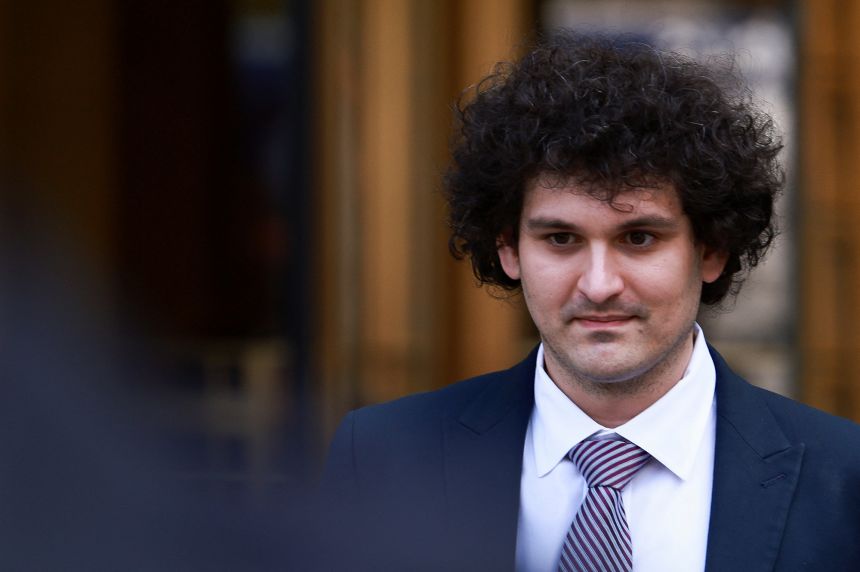
阿莫代伊是2010年最早签署“捐赠我们所能承诺”的人之一,该承诺要求将收入的10%或更多捐给慈善团体。这项承诺由麦卡斯基尔和另一位牛津大学教授发起,两人被认为创造了“有效利他主义”一词。阿莫代伊还曾在博客中谈到,自己作为普林斯顿大学研究生时决定通过GiveWell捐赠1万美元。GiveWell是一家与有效利他主义一致的非营利组织,旨在根据成本效益评估慈善机构。
Amodei was one of the earliest signatories of the Giving What We Can Pledge, a commitment to donate 10% or more of one’s income to charitable groups, in 2010. That pledge was created by MacAskill and another Oxford professor who are credited with coining the term “effective altruism.”Amodei also blogged about his decision, as a Princeton graduate student, to donate $10,000 through GiveWell, an EA-aligned nonprofit that aims to evaluate charities based on cost-effectiveness.
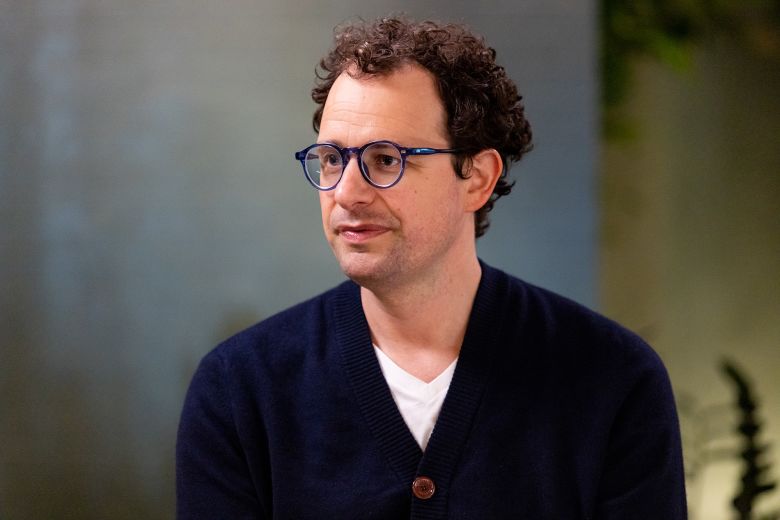
阿莫代伊2023年对《纽约时报》表示,他对有效利他主义的理念“抱有同情”,但反对“把人划分成不同部落”。他的联合创始人兼妹妹达妮埃拉·阿莫代伊去年对《连线》杂志表示,她并非有效利他主义方面的专家,也“不认同这个说法”,不过她嫁给了GiveWell联合创始人霍尔登·卡诺夫斯基,后者于2025年加入Anthropic的安全团队。
Amodei told the New York Times in 2023 that he was “sympathetic” to the ideas of effective altruism but was against “dividing people up into tribes.”His co-founder and sister, Daniela Amodei, told Wired last year that she is not an expert in effective altruism and doesn’t “identify with that terminology,” though she is married to Holden Karnofsky, the co-founder of GiveWell who joined Anthropic’s safety team in 2025.
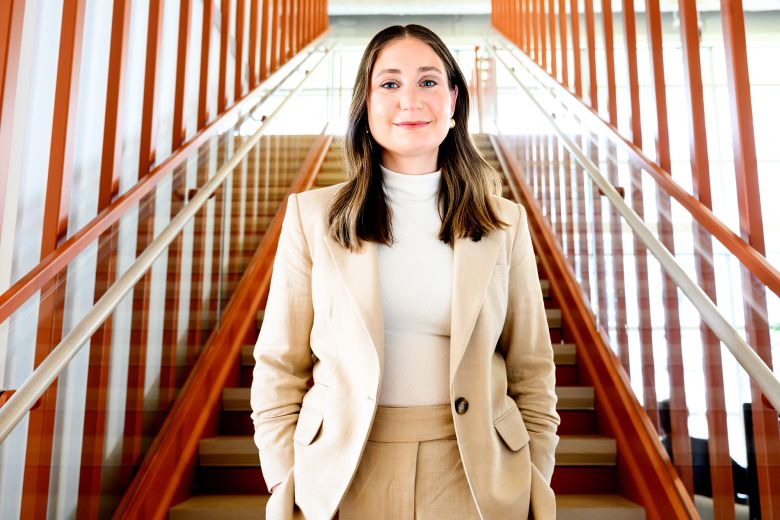
阿曼达·阿斯凯尔是Anthropic的常驻哲学家,负责教导其聊天机器人Claude按道德行事。她是一位知名伦理研究者,曾为有效利他主义刊物撰稿,并曾与麦卡斯基尔有过婚姻。
Amanda Askell, Anthropic’s resident philosopher in charge of teaching its chatbot, Claude, to act morally, is a prominent ethics researcher who has contributed to EA publications and was formerly married to MacAskill.
Anthropic的许多早期投资者也来自有效利他主义圈子。被捕前,班克曼-弗里德在2021年向这家初创的人工智能公司投入了5亿美元。另一位早期投资者是Facebook联合创始人、慈善家达斯汀·莫斯科维茨,他和妻子已向与有效利他主义一致的事业投入约80亿美元,用于“疟疾和铅中毒,以及为致命大流行病和日益强大的人工智能系统等新兴威胁做准备”。Anthropic在股票上市前须遵守强制静默期,拒绝置评。
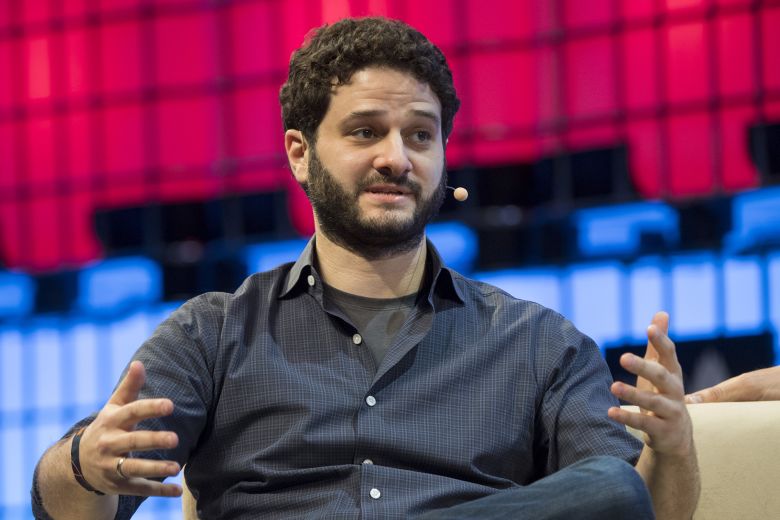
Many of Anthropic’s early investors also come from EA circles. Before his arrest, Bankman-Fried directed $500 million to the nascent AI startup in 2021. Another early Anthropic investor was Facebook co-founder and philanthropist Dustin Moskovitz, who along with his wife has directed some $8 billion to EA-aligned causes such as “malaria and lead poisoning, and to prepare for emerging threats like deadly pandemics and increasingly powerful AI systems.”Anthropic, which is subject to a mandatory quiet period ahead of its stock market debut, declined to comment.
这场运动有很多批评者。他们指出,除其他问题外,有效利他主义热衷于对社会公益进行不偏不倚、冷静客观的计算,这可能使它看不到它试图改善的人类层面体系的混乱之处。
The movement has plenty of critics, who say, among other things, EA’s devotion to impartial, dispassionate calculations of social good can make it blind to the messiness of the human-level systems it is attempting to improve.
斯坦福大学哲学家韦纳尔表示,虽然他无意质疑Anthropic创始人的道德,但他确实普遍担心自己经常在学生身上看到的一种“有效利他主义心态”。
Wenar, the Stanford philosopher, said that while he has no reason to question the morality of Anthropic’s founders, he does worry generally about an “EA mindset” he often sees in his students.
韦纳尔说,有效利他主义者往往真诚且出于善意,但“有时存在性格缺陷,这个缺陷就是认为行善全都关乎自己——认为自己将成为拯救世界的英雄”。
While often earnest and well-intentioned, “EAs sometimes have a character flaw, and the flaw is thinking that doing good is all about them — that they’re going to be the hero that saves the world,” Wenar said.
Anthropic本就面临艰难的IPO环境。甚至在英伟达丑闻成为焦点之前,AI类股票就已持续下跌,原因是市场担心新获得权力的民主党议员将对建设数据中心的企业采取更不宽容的态度。
Anthropic was already facing a difficult IPO environment. Even before the Nvidia scandal took center stage, AI stocks had been tumbling over concerns that newly empowered Democratic lawmakers would be less permissive to companies building data centers.
英伟达的余波给这笔交易带来了更大压力。多年来,这家芯片制造商一直扮演着AI行业某种中央银行的角色,为数据中心交易提供担保,投资AI初创企业,并为购买其芯片的客户充当财务后盾。围绕黄仁勋的丑闻已使该公司市值蒸发超过1万亿美元。
The Nvidia fallout puts even more pressure on the deal. For years, the chip maker has served as a kind of central bank for the AI industry, guaranteeing deals for data centers, investing in AI startups and acting as a financial backstop for customers that bought its chips. The scandal around Huang has cost the company more than $1 trillion in market value.
Anthropic在试水公开市场之际,需要让公众相信,其创始人可以成为值得信赖的自己技术的管理者——这些创始人将保留对投票权股份的多数控制权。周五,阿莫代伊站在聚光灯下,正是为了说明这一点。
As Anthropic tests public markets, it will need to reassure the public that its founders, who will retain majority control of the voting shares, can be trusted as stewards of their own technology. On Friday, Amodei was front and center, working to make just that point.
“我希望我们能证明怀疑者是错的,证明每一种你能想到的疾病——心脏病、阿尔茨海默症、癌症,”他在纽约的一场活动上对摩根大通首席执行官杰米·戴蒙说。“这听起来天真,听起来疯狂。我真的相信。我真的相信这能够做到。”
“My hope is that we prove the skeptics are wrong and every disease you can think of — heart disease, Alzheimer’s, cancer,” he told JPMorgan Chase CEO Jamie Dimon at an event in New York. “It sounds starry-eyed, it sounds crazy. I really do believe it. I really do believe it can be done.”