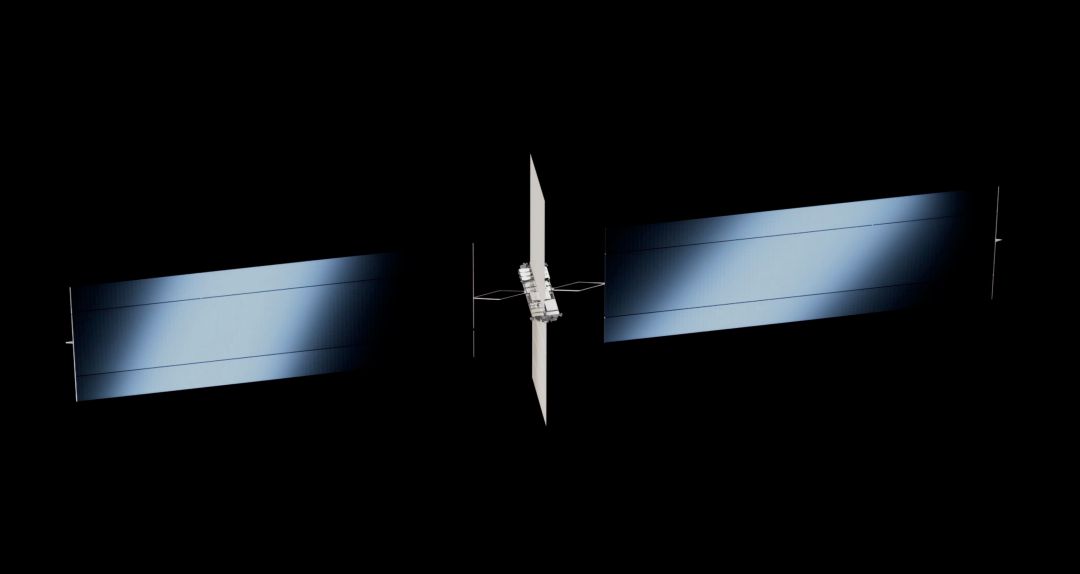
在太空建设数据中心的推进面临诸多障碍,从棘手的工程难题到能将芯片送入轨道的火箭短缺。但芯片的资金从何而来?
The push to build data centers in space faces plenty of obstacles, from tricky engineering to a dearth of rockets that could take chips to orbit. But what about paying for the chips?
数据中心生态系统目前依赖债务融资,云服务提供商借款建设数据中心,再用部分收入偿还贷款。
The data center ecosystem currently depends on debt financing, with cloud providers borrowing to build out data centers and then paying back the loans with a share of the revenue.
这些交易通常以芯片作为抵押品——如果数据中心违约,贷方可以取得芯片所有权并转售。这种兜底机制降低了企业为芯片融资的成本。即使是旧款芯片也保值——据 Compute Credit Research Index 数据,部分 H100 售价约为其 2023 年原始成本基础的一半,而部分 H200 配置的售价与 2024 年推出时持平。
Those deals typically use the chips as collateral — if the data centers default on their loans, the lenders can take possession of the chips and re-sell them. That backstop makes it cheaper for companies to finance their chips. Even older chips retain value — according to Compute Credit Research Index, some H100s are selling for about half of their original cost basis from 2023, while some H200 configurations are selling for the same price they did when introduced in 2024.
但你无法收回安装在距地球 300 英里(约 483 公里)轨道、以每小时 17,500 英里(约 28,163 公里)飞行的卫星上的芯片。《金融时报》报道,SpaceX 400 亿美元芯片融资交易背后的贷方要求,所购芯片不得用于该公司的轨道数据中心计划。目前不清楚他们是否成功让 SpaceX 同意该条款。
But you’re not going to repossess chips installed in a satellite orbiting 300 miles above the Earth at 17,500 miles per hour. The Financial Times is reporting that lenders behind SpaceX’s $40 billion chip financing deal asked that none of the chips purchased be used for the company’s orbital data center plans. It’s not clear if they succeeded in getting SpaceX to agree with the provision.
从近期来看,这对公司可能影响不大——SpaceX 在地面站部署算力的能力已被证明利润丰厚,且在公司最近一次财报电话会上,首席执行官埃隆·马斯克详细说明了如何从火箭团队调派工程师,通过解决以比现有供应商更快的速度铸造发电机涡轮叶片等挑战,来加速这一建设。
That may not matter to the company in the near-term — SpaceX’s ability to deploy compute at terrestrial ground stations has proven lucrative, and on the company’s most recent earnings call, CEO Elon Musk detailed how he was dispatching engineers from the company’s rocket team to accelerate that buildout by taking on challenges like casting turbine blades for generators at faster than existing suppliers.
不过,关于寻找土地和电力支持数据中心建设有多容易,仍存在未解之谜。许多潜在项目面临延期和当地反对,而市场正在等待观察算力需求的状况,以及买家将其转化为收入的能力。
However, open questions remain about how easy it will be to find land and power to support the data center buildout. Many potential projects face delays and local opposition, while markets wait to see the state of compute demand and the ability of its buyers to turn it into revenue.
与此同时,马斯克从2026年初开始表示,他认为太空将在两到三年内成为运营数据中心“最便宜”的场所。除非SpaceX能够以完全可复用的配置飞行其“星舰”火箭,否则这不太可能实现。在最近一次飞行测试中,该公司未能回收助推器级,但成功将火箭的轨道级降落回得克萨斯州的发射设施。不过,目前尚不清楚第二级何时将再次飞行,也不知道为其准备第二次太空之旅需要多少成本。
Musk, meanwhile, began saying at the beginning of 2026 that he believes space will be the “cheapest” place to operate data centers in two to three years. That’s unlikely until SpaceX can fly its Starship rocket in a fully reusable configuration. In its most recent flight test, the company failed to recover the booster stage but did succeed in landing the orbital stage of the rocket back at its launch facility in Texas. It’s not clear, though, how when the second stage will fly again or how expensive it will be to prepare it for a second trip to space.
即便如此,SpaceX以及StarCloud、Cowboy Space Company、Sophia Space、Orbital等初创公司仍需购买芯片。如果太空数据中心已经令人望而却步的经济性还不够具挑战性,看来它们购买芯片的花费将比地面同行更高。
Even with Starship, however, SpaceX — as well as startups like StarCloud, Cowboy Space Company, Sophia Space, Orbital and others — will need to buy chips. If the already daunting economics of space data centers weren’t challenging enough, it looks like they’ll be spending more to buy them than their terrestrial counterparts.
这可能对谷歌构成优势,后者专注于通过“捕日者计划”在太空部署其自研的TPU芯片。SpaceX和特斯拉正合作在美国建设自有芯片晶圆厂Terrafab,但该项目尚未动工,且需要数年时间和数十亿美元投资,才能开始大规模生产半导体。
That might be an advantage for Google, which is focused on deploying its own TPU chips in space through Project Suncatcher. SpaceX and Tesla are working together to build their own chip foundry, Terrafab, in the US, but that project has yet to break ground and will require years and billions of dollars before it starts producing semiconductors at scale.