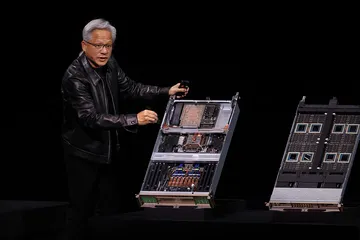
发布时间:2026年11月25日18:00(北京时间)英伟达丑闻包罗万象:性、腐败、企业权谋、地缘政治博弈,以及战略性关键技术。特朗普总统干预,恢复黄仁勋出任首席执行官,几乎可以确定,这场丑闻将在明年成为白宫与国会之间的一场决定性较量。然而,英伟达的故事也是更大故事的一部分:美国的战略命运如今与推动人工智能革命的科技巨头紧密相连,而华盛顿正努力制定规则。
Published: 2026-11-25T18:00:00+08:00 The Nvidia scandal has everything: sex, corruption, corporate intrigue, geopolitical maneuvering, and strategically crucial technology. President Donald Trump’s intervention to reinstate Jensen Huang as CEO virtually ensures that the scandal will be a defining fight between the White House and Congress come the new year. Yet the Nvidia saga is also part of a larger story about how America’s strategic fortunes are now tied to the tech titans driving the AI revolution — and how Washington is struggling to set the terms.
战略目标与私人利益的交织并非新鲜事。商人和贸易商常常是美国海外存在的先锋。早在美国成为全球超级大国之前,标准石油、福特、辛格等大公司就已将美国影响力投射到沙俄和南美。
The intermingling of strategic aims and private interests isn’t new. Traders and merchants have often been the leading edge of America’s overseas presence. Long before the US was a global superpower, major corporations — Standard Oil, Ford, Singer — projected US influence from tsarist Russia to South America.
20世纪,美国的地缘政治霸权建立在工业和技术实力之上。杜邦、联合碳化物、北美航空等企业巨头参与了曼哈顿计划和太空竞赛。美国通过政府从私营国防公司购买武器的安排,建立了一支举世瞩目的军队。
In the 20th century, America’s geopolitical supremacy rested on industrial and technological prowess. Corporate giants such as DuPont, Union Carbide and North American Aviation participated in the Manhattan Project and the space race. The US built a world-beating military through arrangements in which the government bought weapons from privately owned defense firms.
亲密、有时甚至是秘密的联系是常态:美国电信公司通过将电报流量传递给情报界来对抗共产主义,正如微软和其他科技巨头后来帮助国家安全局在全球反恐战争中监视美国的敌人一样。
Intimate, sometimes secretive ties were standard: US telecoms firms fought communism by passing telegram traffic to the intelligence community, just as Microsoft and other tech majors later helped the National Security Agency surveil American enemies in the global war on terror.
中央情报局曾应联合果品公司或国际电话电报公司的要求推翻第三世界政府,这大多是神话。不可否认的是,美国的全球力量长期以来反映了其企业的影响力和活力。
It’s mostly myth that the CIA once overthrew Third World governments at the behest of United Fruit or International Telephone & Telegraph. What’s undeniable is that America’s global power has long reflected the reach and dynamism of its firms.
人工智能革命正在放大这种互动。少数几家领先的实验室——Anthropic、OpenAI、Google DeepMind、Meta AI、xAI——产生的能力支撑着美国的战略影响力,无论是尖端网络武器,还是让五角大楼以更大的猛烈程度和速度发起打击的模型。特朗普实际上已将这些公司,以及更广泛的人工智能生态系统中的领导者,如英伟达,列为国家冠军:它们的成败将决定美国的全球地位。
The AI revolution is magnifying that interaction. A handful of leading labs — Anthropic, OpenAI, Google DeepMind, Meta AI, xAI — generate capabilities that underwrite US strategic influence, whether cutting-edge cyberweapons or models that allow the Pentagon to strike with greater ferocity and speed. Trump has effectively declared many of those firms, as well as the leaders of the larger AI ecosystem such as Nvidia, national champions: Their success or failure will determine America’s global standing.
包括谷歌、亚马逊、Meta和微软在内的主要超大规模云服务商,正在推动支撑美国经济的人工智能建设:该行业占标准普尔500指数的一半以上。但如果私营部门的创新仍然产生美国的经济实力和地缘政治活力,那么这种关系的条件已经改变。
Major hyper-scalers, including Google, Amazon, Meta and Microsoft, are pushing an AI buildout that sustains the US economy: The industry accounts for more than half of the S&P 500. But if private-sector innovation still generates US economic strength and geopolitical vitality, the terms of that relationship have changed.
冷战期间,华盛顿声称对国防工业拥有单一买方权力:由于美国政府实际上是其产品的唯一买家,它可以在很大程度上决定这种关系的节奏。政府提供了点燃国防部门并释放其商业衍生品的大部分研发资金。
During the Cold War, Washington claimed monopsony power over the defense industry: Because the US government was effectively the sole buyer of their products, it could largely set the rhythms of the relationship. Government provided most of the research and development funding that ignited the defense sector and unleashed its commercial spinoffs.
但如今,领先的人工智能公司的收入主要来自商业和全球销售。研发资金的平衡已决定性地转向私营部门;政府已成为商业开发能力的单纯消费者。华盛顿的结构性杠杆不如从前。
But today, leading AI firms derive their revenue largely from commercial and global sales. The balance of R&D funding has shifted decisively toward the private sector; government has become a mere consumer of commercially developed capabilities. Washington has less structural leverage than before.
意识形态的一致性也比反共产主义将美国政府与美国企业联系在一起时更具挑战性。科技行业远不如2018年谷歌退出“梅文计划”时那样反对五角大楼。但黄仁勋曾游说向北京出售世界上最先进的相关技术之一,并宣称美国的中国鹰派应该戴上耻辱徽章。五角大楼曾就访问Anthropic技术的条款与该公司发生争执。
Ideological alignment is also more challenging than it was when anti-communism bound the US government to US corporations. The tech sector isn’t nearly as Pentagon-phobic as it was when Google walked away from Project Maven in 2018. But Huang has lobbied for selling some of the world’s most sophisticated relevant technology to Beijing and declared that America’s China hawks should wear badges of shame. The Pentagon has fought with Anthropic about the terms of conditions of access to that firm’s technology.
最后,监管框架已变得扭曲且高度个人化。特朗普的做法——干预公司治理纠纷、获取英特尔的所有权股份、建立一个不透明且具有选择性的前沿模型审查流程——可能会让人工智能行业更顺应他的意愿。但这对推动人工智能安全或美国利益帮助不大。
Finally, the regulatory framework has become distorted and hyper-personalized. Trump’s approach — intervening in corporate governance disputes, grabbing an ownership stake in Intel, establishing an opaque, selective process for reviewing frontier models — might make the AI sector more responsive to his whims. It doesn’t do much to advance AI safety or US interests.
美国若没有其人工智能巨头,就无法在地缘政治上繁荣发展。然而,它与这些巨头的联系已呈现出令人担忧、或许是不健康的形式。
The US can’t thrive geopolitically without its AI juggernauts. Yet its connection to them has taken on troubling, perhaps unhealthy forms.
确实,黄仁勋的回归之所以令人震惊,是因为这发生在本应使其丧失资格的行为之后。甚至连国家安全机构也无法约束这家设计全球一些最关键芯片的公司。前拜登政府官员朱利安·格维尔茨写道:“美国战略在非同寻常的程度上依赖于强大的私营部门参与者,而政府不能简单假设他们的激励机制会与国家利益保持一致。”
Indeed, Huang’s return is so astounding because it occurred despite conduct that should have been disqualifying. Not even the national security state can rein in the firm that designs some of the world’s most crucial chips. As Julian Gewirtz, a former Biden administration official, has written: “American strategy has come to depend, to an extraordinary degree, on powerful private-sector actors whose incentives the government cannot simply assume will align with the national interest.”
美国需要一种更好的方法,来协调私营部门的活力与美国战略。这种方法应当包含美国政府对新人工智能模型的保证性、定期获取权,以使国家安全机构在竞争中保持处于前沿。领先的人工智能公司将需要更强有力的政府支持,以抵御大规模蒸馏、间谍活动和敌对网络攻击。
America will need a better approach to reconciling private-sector dynamism with US strategy. That approach should feature guaranteed, regular access to new AI models for the US government, to keep the national security apparatus at the cutting edge of competition. Leading AI firms will need stronger government support in defending themselves against large-scale distillation, espionage and adversarial cyberattacks.
从长远来看,美国可能会从单一公司占主导地位的领域引入更多商业竞争中受益。由一家美国公司主导高端芯片设计在战略上是有利的,但如果有两三家美国公司争夺主导地位,华盛顿对英伟达的依赖就会减少。最后,美国需要的监管应更少个人化、更多制度化:监管人工智能行业的机构应具备技术能力、资金和权力,以监管这样一个快速变化的领域。
Over the long term, the US would probably benefit from greater commercial competition in areas where a single firm dominates. It’s strategically beneficial that an American firm dominates high-end chip design, but Washington would be less reliant on Nvidia if two or three US firms were vying for primacy. Finally, the US needs oversight that is less personalized and more institutionalized: The bodies that oversee the AI sector should have the technical capability, funding and authority to monitor such a dynamic field.
人工智能革命已使英伟达等公司成为主要地缘政治参与者。关键问题是美国政府将如何应对。彭博观点其他内容:想了解更多?
The AI revolution has made Nvidia and other firms major geopolitical players. The critical question is how the American state will respond. Elsewhere in Bloomberg Opinion: Want more?