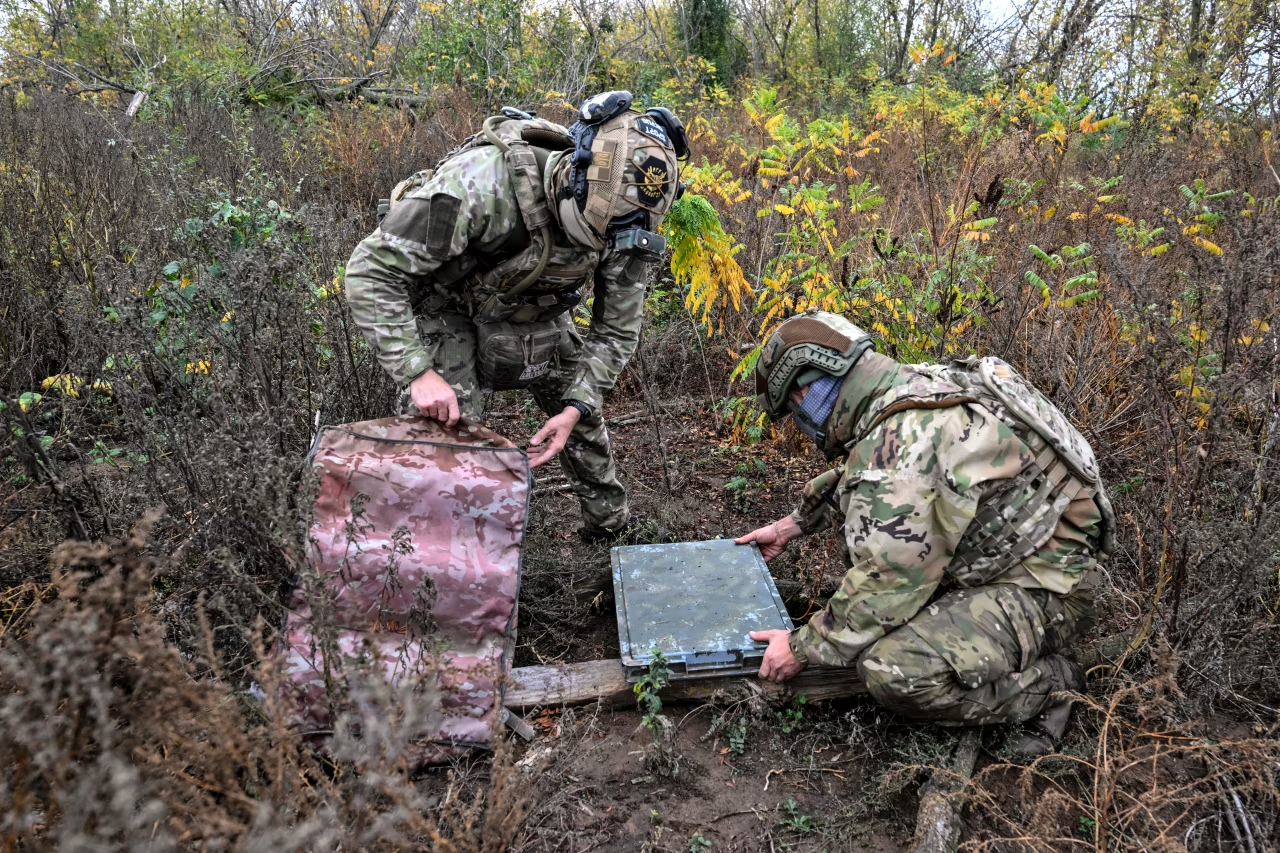
近日清晨,乌克兰军官弗拉季斯拉夫·奥利尼克下令其无人机小组攻击在乌克兰东南部一条公路上发现的一辆俄罗斯装甲车辆。
Early on a recent morning, Ukrainian officer Vladyslav Oliinyk ordered his drone team to hit a Russian armored vehicle spotted on a road in southeastern Ukraine.
他说,无人机使该车辆瘫痪,并袭击了一些俄罗斯步兵。但乌克兰飞手必须小心慢飞,否则可能失去连接——因为最近对Starshield实施了速度限制,Starshield是卫星互联网服务Starlink的军用版本。
The drones disabled the vehicle and set upon some Russian infantrymen, he said. But the Ukrainian pilots had to take care to fly slowly, or risk losing the connection—because of recently imposed speed limits on Starshield, a military-grade version of the satellite internet service Starlink.
乌克兰军方依赖Starshield——由埃隆·马斯克的SpaceX根据美国政府合同提供的订阅服务——来破坏俄罗斯军队后勤,并帮助拦截正在猛击基辅和其他乌克兰城市的俄罗斯喷气式动力无人机。
Ukraine’s military relies on Starshield—a subscription service provided by Elon Musk’s SpaceX under U.S. government contracts—to disrupt Russian army logistics, and to help intercept jet-powered Russian drones that are pounding Kyiv and other Ukrainian cities.
乌克兰部队称,今秋有两个时段,他们在Starshield终端上遇到了每小时100英里的速度限制。以该速度,战场无人机更容易被俄罗斯击落——而拦截无人机几乎没有机会追上俄罗斯喷气式动力无人机。
For two periods this fall, Ukrainian units say they have encountered speed limits of 100 miles an hour on their Starshield terminals. At that speed, battlefield drones are easier for the Russians to shoot down—and interceptor drones have little chance of catching Russian jet-powered drones.
乌克兰的短程无人机主要靠无线电遥控,用于在前线附近对抗俄罗斯入侵部队,部分使用光纤电缆。
Ukraine’s short-range drones, which counter Russia’s invasion forces near the front line, are mostly radio-controlled, while some use fiber-optic cables.
但乌克兰严重依赖Starshield进行中程无人机行动,打击俄罗斯军队后方区域和补给线。中程战役在将俄罗斯今年的领土收益限制在微小范围内方面发挥了重要作用。
But Ukraine is heavily dependent on Starshield for its midrange drone operations against Russian forces’ rear areas and supply lines. The midrange campaign has played a major role in limiting Russia to tiny territorial gains this year.
在特朗普总统与乌克兰总统泽连斯基之间出现政治紧张局势之际,马斯克于10月首次下令对Starshield实施速度限制。在包括美国议员在内的强烈反弹后,特朗普要求马斯克恢复卫星服务。
Musk first ordered speed limits on Starshield in October amid political tensions between President Trump and Ukrainian President Volodymyr Zelensky. After a backlash, including from U.S. lawmakers, Trump asked Musk to restore the satellite service.
但自11月10日起,乌克兰无人机部队称,他们在乌克兰被俄罗斯占领的地区再次面临每小时100英里的速度上限。基辅及其支持者重新提出抗议,但限制依然生效。
But since Nov. 10, Ukrainian drone units say they have again faced a 100 mph speed cap over Russian-occupied areas of Ukraine. Kyiv and its supporters have renewed their protests, but the limits have stayed in place.
SpaceX和美国政府均未承认责任。马斯克上周表示,其Starlink卫星——乌克兰的Starshield服务即使用这些卫星——并非用于实施致死的无人机打击。
Neither SpaceX nor the U.S. government has admitted responsibility. Musk said last week that his Starlink satellites, which Ukraine’s Starshield service uses, aren’t meant for drone strikes that kill people.
自2026年初以来,Starlink更广泛使用的商业服务在乌克兰的速度上限大幅降低,实际上将乌克兰军方对其的使用限制在静态用途,如部队间通信。Starlink和Starshield在俄罗斯领土上无法工作,乌克兰在那里使用其他方法引导无人机打击军工厂、炼油厂和其他目标。
Starlink’s more widely used commercial service has had a much lower speed cap in Ukraine since early 2026, effectively limiting its use by Ukraine’s military to static purposes such as communication between troops. Starlink and Starshield don’t work over Russian territory, where Ukraine uses other methods to steer its drone strikes against arms factories, refineries and other targets.
基辅担心,俄罗斯控制的乌克兰部分地区的速度上限是一个新现实,可能损害其中程打击行动的效力。军事分析人士警告,随着时间的推移,这可能帮助莫斯科更好地向前线调动部队、弹药和其他物资,从而为明年的俄军攻势创造条件。
Kyiv is worried that the speed cap in Russian-held parts of Ukraine is a new reality that could hurt the effectiveness of its midrange strike campaign. Over time, that could help Moscow to better move troops, ammunition and other supplies to the front line, enabling Russian offensives next year, military analysts warn.
大多数中程无人机飞行员别无选择,只能试图适应Starshield的新限制——即使这意味着他们无法像几个月前那样有效工作。
Most midrange drone pilots have little choice but to try to live with Starshield’s new limits—even if it means they can’t work as effectively as a few months ago.
“自从他们限制速度以来,有些任务我们无法执行,包括导弹拦截,”乌克兰第一独立突击团第一无人系统营高级中尉Oliinyk说。
“Since they capped the speed, there are some missions we can’t do, including missile interceptions,” said Oliinyk, a senior lieutenant with the First Unmanned Systems Battalion of Ukraine’s First Separate Assault Regiment.
速度较慢的无人机仍能击中俄罗斯装甲车辆或补给卡车。但要到达目标,它们必须首先突破俄罗斯防空系统。“速度降低后,我们的无人机更容易被拦截,”Oliinyk说。
Slower-flying drones can still hit Russian armored vehicles or supply trucks. But to reach their target, they must first get through Russian air defenses. “With lower speeds, our drones are easier to intercept,” Oliinyk said.
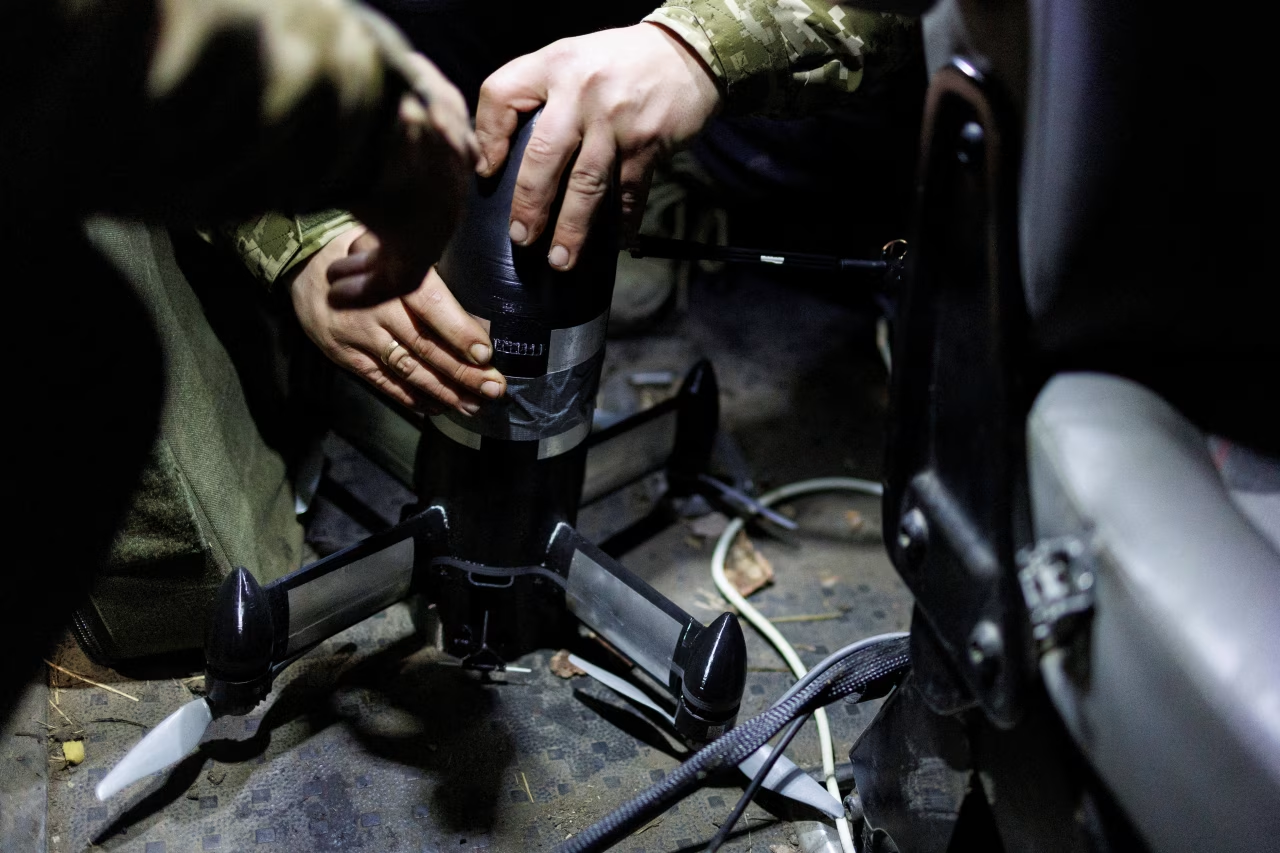
呼号为Loza的一名中程无人机飞行员表示,现在击中一个给定目标往往需要更多无人机,因为更多无人机因连接故障或俄罗斯火力而损失。
It often takes more drones now to hit a given target, because many more of them are being lost to connection failures or Russian fire, said a midrange drone pilot known by his call sign Loza.
“你看到的是效率的逐渐丧失。机会变少了。为了同样的结果要付出更多努力,”他说。
“What you see is a gradual loss of efficiency. Fewer opportunities. More work for the same result,” he said.
几名无人机操作员表示,速度限制有时看似随机。有时,他们在俄占区上空能达到每小时125英里(约201公里)的速度;有时,即便在低速飞行时连接也会中断。
The speed restrictions can appear random sometimes, several drone operators said. At times, they can hit speeds of up to 125 mph over Russian-occupied areas. At other times, the connection cuts out even at low speeds.
“我们真的不知道会发生什么,”洛扎说。“情况看起来不错,然后突然之间你就得应对连接问题。”洛扎和其他操作员对不得不依赖乌克兰无法控制的技术表示沮丧。
“We don’t really know what to expect,” Loza said. “Things seem fine, and then suddenly you’re dealing with connection problems.”Loza and other operators expressed frustration at having to rely on a technology that Ukraine can’t control.
“装备再好、人员再有经验、准备工作再充分,你仍可能发现自己无法完成任务,”一名在南部扎波罗热地区工作的通讯军官、呼号“什唐加”说。
“You can have good equipment, experienced people, everything ready to go, and still find yourself unable to do what you need to do,” said a communications officer working in the southern Zaporizhzhia region, known by his call sign Shtanga.
乌克兰部队正在寻找SpaceX卫星的替代方案。有时,无人机飞行员会使用组网技术,即利用无人机将无线电信号中继给其他无人机,或者使用蜂窝网络。据两位知情人士透露,一些无人机小组正在使用以色列卫星通信服务商HiSKY。
Ukrainian forces are looking for alternatives to SpaceX’s satellites. At times, drone pilots are using mesh networks, which use drones to relay radio signals to other drones, or cellular networks. Some drone teams are using HiSKY, an Israeli satellite-communications provider, according to two people familiar with the matter.
但这些选项都有显著缺点。蜂窝网络仅在部分地区可用,且这些连接更容易被俄罗斯干扰。组网需要昂贵的设备,且视频传输往往存在明显的时间延迟。
But those options all come with significant downsides. Cellular networks only work in some areas, and those connections are easier for Russians to jam. Mesh networks require expensive equipment, and the video feeds often have significant time lags.
欧洲卫星服务商如Eutelsat OneWeb的网络规模远小于Starlink,其终端也更昂贵。
European satellite providers such as Eutelsat’s OneWeb have far smaller networks than Starlink, and their terminals are more expensive.
“目前,我们没有完全可行的替代方案来取代Starlink,”乌克兰军事分析组织Oko Hora创始人德米特罗·巴捷哈说。“有一些欧洲系统,但其部署规模非常有限。”此外,乌克兰生产的许多无人机都是为SpaceX的服务配置的。将其重新配置以适配其他通信系统,往往需要将其退回制造商处。
“At present, we do not have a fully viable alternative to replace Starlink,” said Dmytro Batekha, founder of Ukrainian military analysis group Oko Hora. “There are some European systems, but their deployment is on a very limited scale.”In addition, many of the drones Ukraine is making are configured for SpaceX’s services. Reconfiguring them to work on other communications systems often requires sending them back to the manufacturer.
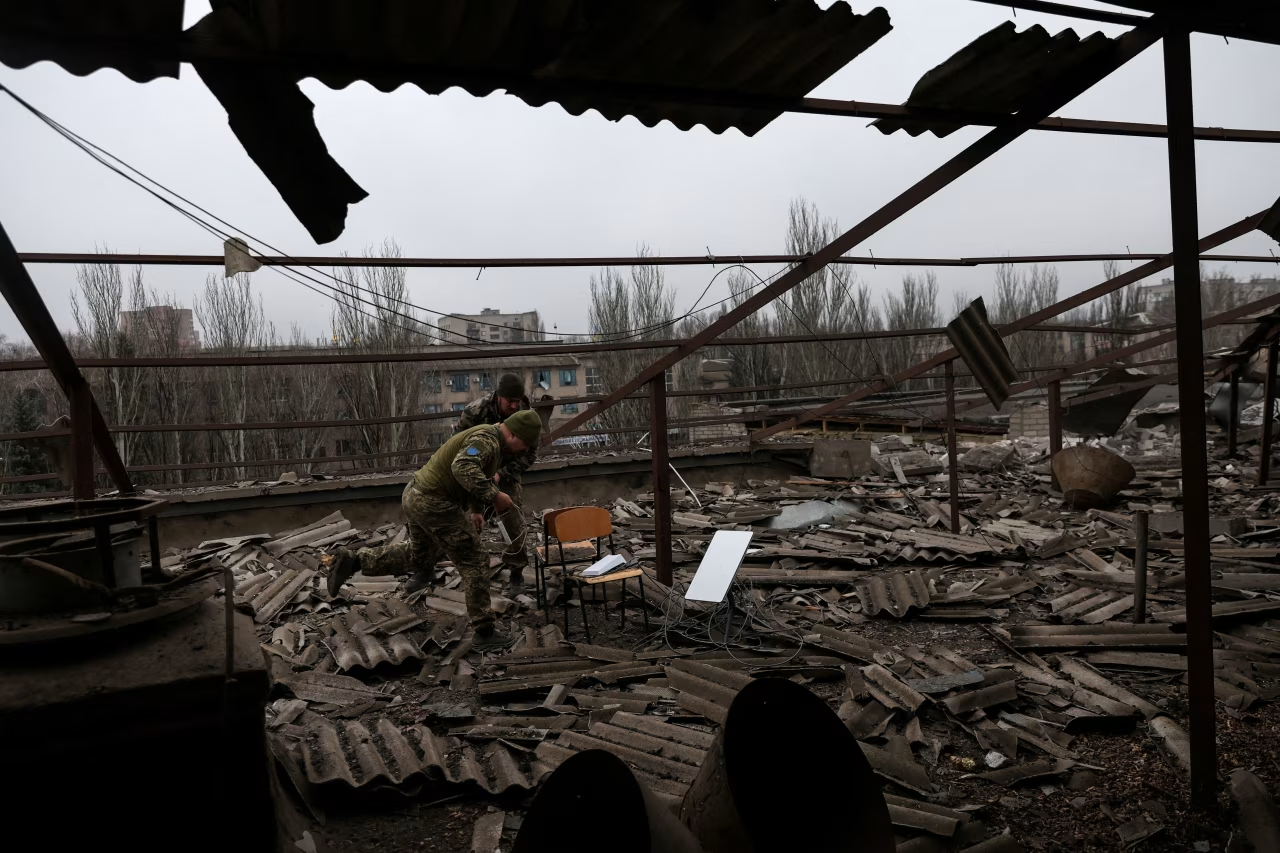
据知情人士透露,乌克兰用于袭击连接被占领的克里米亚与俄罗斯的大桥的部分弹药使用了 HiSKY 系统。据其中一名知情人士称,与“星链”不同,HiSKY 在俄罗斯境内也能工作,乌克兰无人机小组曾用它搜寻俄罗斯弹道导弹发射车。HiSKY 未回应置评请求。
Some of the Ukrainian munitions used to attack the bridge connecting occupied Crimea to Russia used HiSKY, according to people familiar with the matter. Unlike Starlink, HiSKY also works inside Russia, and Ukrainian drone teams have used it to hunt for Russian ballistic-missile launchers, one of these people said. HiSKY didn’t respond to requests for comment.
这名知情人士表示,与易于使用的“星链”终端相比,这套以色列系统需要更多技术专长,包括任务期间必须有专家在场。这意味着它很可能仅用于特别高价值的任务,而非乌克兰部队在俄罗斯持续入侵期间每天都需要发起的常规无人机任务。
The Israeli system requires more technical expertise, including having specialists present during missions, compared with easy-to-use Starlink terminals, this person said. That means it is only likely to be used for particularly high-value missions, rather than routine drone missions that Ukrainian forces need to launch every day while Russia maintains its invasion.