AI股票至少在2027年上半年之前,大概率将继续剧烈波动。把这种动荡视为AI时代终结的人,是在误读正在发生的事情。
AI stocks are likely to keep swinging hard through at least the first half of 2027. Anyone treating the turbulence as the end of the AI era is misreading what’s happening.
留在市场中很重要。精心挑选也很重要。同样重要的是,要把目光投向那些主导所有AI话题的寥寥几个名字之外。
Staying in the market matters. So does choosing carefully. And so does looking well beyond the handful of names that dominate every conversation about this technology.
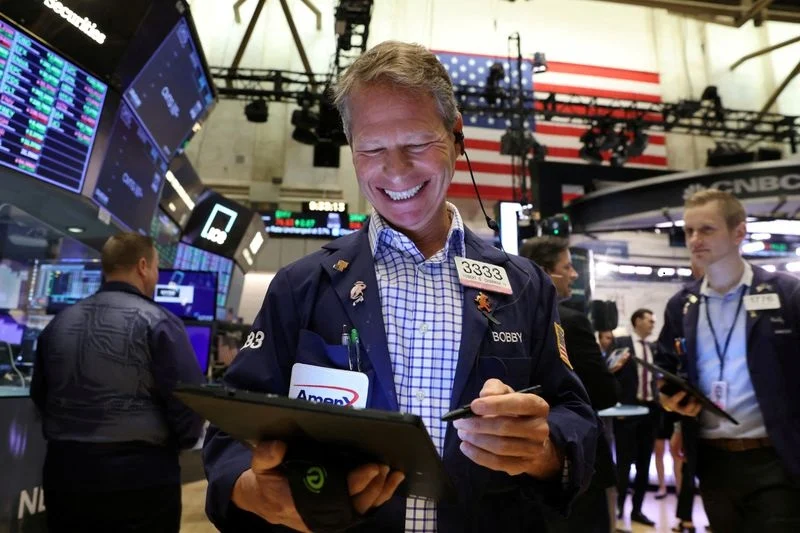
过去两个月是AI交易有史以来最剧烈的时期之一。纳斯达克指数于10月6日见顶,此后市值蒸发约8.7万亿美元。仅在11月20日一天,它就下跌了5.28%,抹去了2026年全年的涨幅。
The past two months have been among the most violent the AI trade has ever seen. The Nasdaq peaked on 6 October and has since lost roughly $8.7 trillion in market value. On 20 November alone, it fell 5.28% and wiped out all of its gains for 2026.
一篮子受密切关注的AI概念股自10月初以来下跌了32%。同期标普500指数其余成分股下跌了6%。
One closely watched basket of AI-focused stocks is down 32% since early October. The rest of the S&P 500 has fallen 6% over the same period.
接着周一到来了。全球最大的AI芯片制造商在其创始人回归担任首席执行官后,单日市值增加约9520亿美元,创下史上任何股票最大单日涨幅纪录。48小时内,股价又开始回落。
Then came Monday. The world’s biggest AI chipmaker added around $952 billion in a single session after its founder returned as chief executive, the largest one-day gain for any stock in history. Within 48 hours, the shares were sliding again.
10月时,市场为AI定出了完美的价格。现在它们在一瞬间把所有疑虑都计入了价格。谁为建设买单?更高的借贷成本会对其产生什么影响?中期选举后华盛顿会怎么做?
In October, markets priced AI for perfection. Now they’re pricing in every doubt at once. Who pays for the buildout? What do higher borrowing costs do to it? What does Washington do after the midterms?
这些问题到春天都不会有定论。我们的基本判断是,大幅波动将持续出现。
None of those questions will be settled by spring. Our base case is for the big swings to keep coming.
然而,喧嚣之下的业务看起来很强劲。这家领先的AI芯片制造商最新季度营收较上年同期翻了一倍多,达到1158亿美元。仅仅因为股价下跌,对算力的需求并没有消失。
Yet the business underneath the noise looks strong. The leading AI chipmaker’s latest quarterly revenue more than doubled from a year earlier, to $115.8 billion. Demand for computing power hasn’t vanished just because share prices fell.
周一也显示了在场外观望的代价有多高。近1万亿美元的价值在几小时内出现,而在前一周恐慌抛售的投资者错失了所有涨幅。最强劲的交易日往往伴随最糟糕的交易日到来,而且它们不会提前通知。
Monday also showed how expensive the sidelines can be. Close to $1 trillion of value appeared in a few hours, and anyone who sold in the panic the week before missed all of it. The strongest days tend to arrive right alongside the worst ones, and they don’t come with advance notice.
但保持投资并不意味着可以盲目买入。持有AI股票并不等于买下所有名字里带“AI”的公司。部分估值已脱离基本面,一些企业大举借贷为支出融资,而这些投资可能需要数年才能收回成本。
Staying invested is no licence to buy indiscriminately, though. Owning AI doesn’t mean owning everything with AI in its name. Some valuations got silly, and some companies are borrowing heavily to fund spending that could take years to pay back.
未来几个月,已从AI中赚到真金白银的企业与仍在兜售愿景的企业之间的差距,恐将大幅拉大。此时,纪律性投资显得尤为重要。
Over the coming months, the gap between businesses already making real money from AI and those still selling a promise is likely to widen sharply. Discipline earns its keep there.
长期机遇的很大一部分,也在于芯片制造商和推动市场大幅波动的科技平台之外。每座数据中心都需要电力、制冷、网络、内存和土地。将AI应用于实际业务的行业——从医疗保健、物流到金融服务——有望分享AI创造的大量价值。
Much of the long-term opportunity also sits beyond the chipmakers and tech platforms behind the market’s biggest moves. Every data centre needs power, cooling, networking, memory and land. The industries putting AI to work, from healthcare to logistics to financial services, stand to capture a large share of the value it creates.
仅持有最拥挤的AI热门股票,就是在押注一个庞大版图中的一隅。
A portfolio holding only the most crowded AI names is a concentrated bet on one corner of something far bigger.
我们仍处于AI时代的早期。波动是参与其中的代价,而对于有耐心坚持到底的投资者而言,这是值得承担的代价。
We’re still early in the AI era. Volatility is the cost of being part of it, and for investors with the patience to see it through, it’s a cost well worth bearing.