美国消费者对连锁餐厅和大型零售商越来越高科技的定价方式感到不安。
U.S. consumers are uneasy about the increasingly high-tech ways that restaurant chains and major retailers are setting prices.
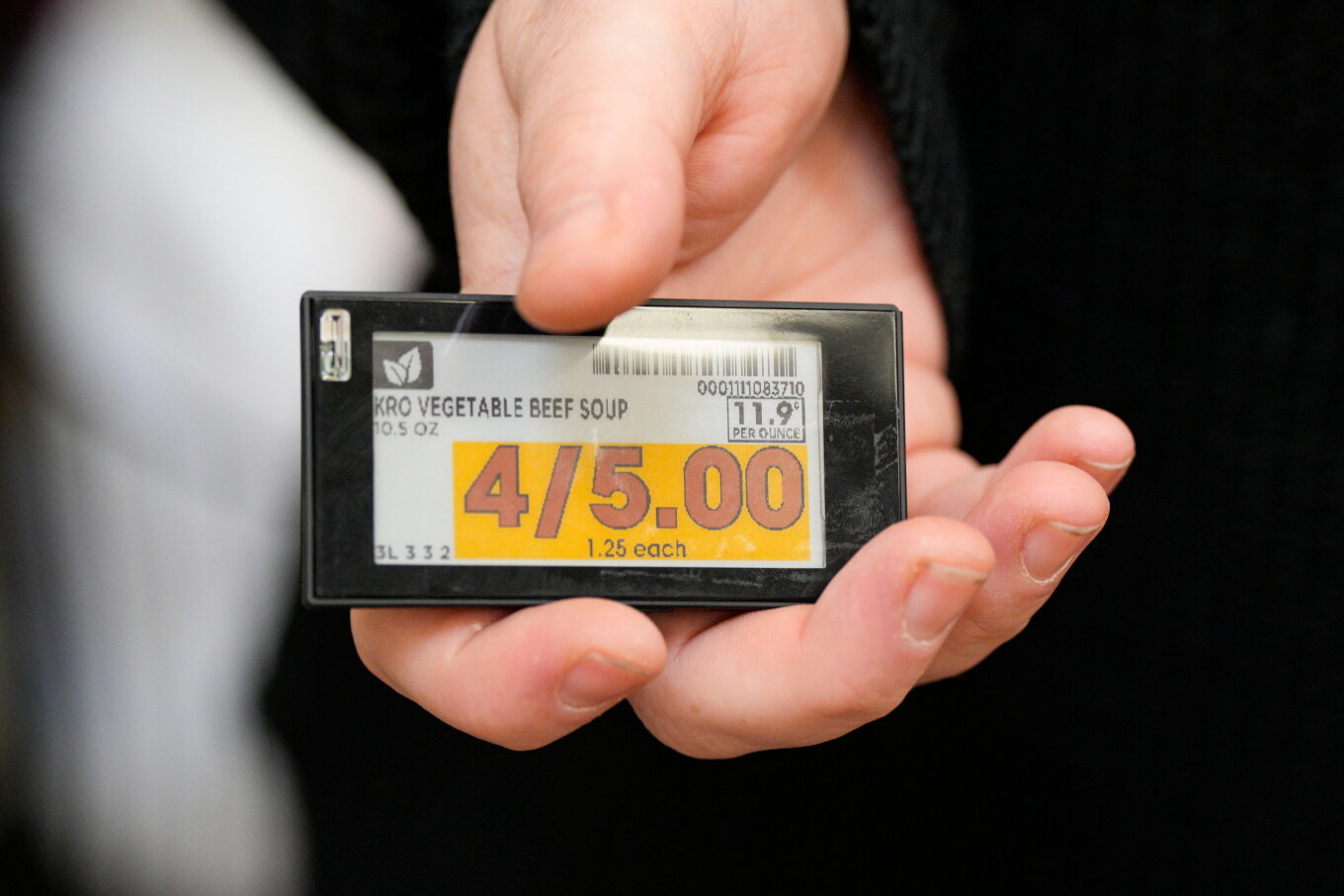
迪安·德宾(DEE-ANN DURBIN)、安娜·迪诺琴齐奥(ANNE D'INNOCENZIO) 美国消费者不仅对高昂的价格感到沮丧,他们还对连锁餐厅和大型零售商采用越来越高科技的定价方式感到愤怒和困惑。在杂货店的过道里,电子价签正在迅速取代纸质价签。
DEE-ANN DURBIN, ANNE D'INNOCENZIO U.S. consumers aren’t just frustrated with high prices They’re angry and confused about the increasingly high-tech ways that restaurant chains and major retailers are setting those prices. Digital price tags are rapidly replacing paper ones in grocery aisles.
人工智能工具通过预测消费者的反应,帮助企业决定收费标准。“动态定价”和“监控定价”等术语在社交媒体上引发了焦虑,用户们纷纷猜测不同的人是否在为同一产品支付不同的价格。
Artificial intelligence tools help businesses decide what to charge by predicting how customers might respond. Terms like“dynamic pricing” and “surveillance pricing” are stirring anxiety on social media, where users wonder if different people are getting different prices for the same product.
美国人已经习惯了在预订机票、酒店房间和网约车时价格会发生变化,但由他们无法理解的算法以及他们可能没有意识到自己正在分享的个人数据来塑造日常支出的前景,触动了敏感的神经。
Americans have grown accustomed to changing prices when booking flights, hotel rooms and rides, but the prospect of everyday spending shaped by algorithms they don’t understand and personal data they may not realize they’re sharing has touched a nerve.
管理咨询公司科尔尼(Kearney)内部消费者行为智库负责人凯蒂·托马斯(Katie Thomas)表示:“目前,在这些算法、机器人和人工智能的使用权究竟归属公司还是购物者之间,正在发生重大的紧张关系。”
“There are major tensions happening right now between who’s really going to have the power with some of these algorithms and usage of bots and AI: the companies or the shopper,” said Katie Thomas, who leads an internal consumer behavior think tank at the management consulting firm Kearney.
使用该技术的企业表示,一些担忧源于对其定价工具工作原理的误解。沃尔玛(Walmart)首席执行官约翰·弗纳(John Furner)上个月在的一篇博客文章中表示,电子价签节省了员工的时间,并保持了价格的实时更新。他表示,这些标签并未被用于根据天气、一天中的时间或个别购物者来提高价格。弗纳写道:“我们给产品定价,而不是给个人定价。”
Companies using the technology say some concerns stem from misconceptions about how their pricing tools work. Walmart CEO John Furner said in a blog post last month that digital price tags save workers’ time and keep prices up to date. He said the labels aren’t used to raise prices based on the weather, time of day or individual shopper. “We price the product, not the person,” Furner wrote.
然而,企业对于其收集的客户数据以及这些数据的用途并不总是透明的,这让消费者产生了怀疑并引发了猜测。托马斯表示,例如,社交媒体上的帖子错误地暗示,沃尔玛计划在其全美所有门店安装的电子货架标签会扫描购物者的面部或手机以设定个性化价格。
But companies aren’t always transparent about the customer data they collect and how it’s used, which has made consumers suspicious and led to speculation. For example, social media posts falsely imply that electronic shelf labels Walmart plans to put in all its U.S. stores scan shoppers’ faces or cellphones to set individualized prices, Thomas said.
立法者和监管机构正在采取行动。根据美国州议会全国会议的数据,今年至少有30个州的立法者审议了定价法案,其中包括针对算法定价和个性化定价的法案。
Lawmakers and regulators are taking action. Legislators in at least 30 states have considered pricing bills this year, including measures addressing algorithmic and personalized pricing, according to the National Conference of State Legislatures.
美国联邦贸易委员会已经提出了一项执法政策,警告企业:未能披露其利用个人数据来设定个性化价格的行为可能会违反消费者保护法。以下是引发审查的一些定价做法和技术。动态定价可以提高和降低价格它是什么:是指根据不断变化的市场条件(包括供需情况)来调整价格。临近出发时调整机票价格的航空公司就是在采用动态定价。优步在需求超过可用司机供应时(例如在交通高峰期)提高车费的做法,是一种被称为激增定价的动态定价。
The Federal Trade Commission has proposed an enforcement policy warning businesses that failing to disclose their use of personal data to set individualized prices could violate consumer protection law. Here are some of the pricing practices and technologies drawing scrutiny. Dynamic pricing can raise and lower prices What it is: means adjusting prices in response to changing market conditions, including supply and demand An airline that adjusts ticket prices as departures approach is using dynamic pricing. Uber’s practice of lifting fares when demand outstrips the supply of available drivers, such as during rush hour, is a type of dynamic pricing known as surge pricing.
为什么它很重要:频繁的价目变动远远超出了食品范畴。网络数据公司Decodo追踪了2025年从电子产品、服装到家居改善用品等各种产品的价格变动情况。高级产品营销经理加布里埃莱·维特克表示,该公司记录的美国价格变动中,约有一半是降价,这与消费者认为动态定价只会涨价的假设相反。
Why it matters: Frequent price changes extend well beyond food. Decodo, a web data company, tracked price changes in 2025 across products ranging from electronics to clothing and home improvement supplies. About half the U.S. changes it recorded were decreases, contrary to consumers’ assumptions that dynamic pricing only raises prices, said Gabriele Vitke, a senior product marketing manager.
数字价格标签即将在更多美国门店普及它们是什么:允许商店以电子方式更新货架价格而不是更换纸质标签的数字显示屏。
Digital price labels are coming to more US stores What they are: Digital displays that let stores update shelf prices electronically instead of replacing paper tags.
影响何在:长期在欧洲和亚洲使用的电子价格标签正受到更多关注,因为它们正在向沃尔玛和全食超市等美国大型零售商普及。消费者维权人士辩称,电子标签最终可能会被用于需求定价或个性化定价。工会也反对这项技术。
Why it matters: Digital price labels, long used in Europe and Asia, are drawing more attention as they spread to major U.S. retailers like Walmart and Whole Foods. Consumer advocates have argued that digital labels could eventually be used for surge pricing or personalized pricing. Labor unions also have opposed the technology.
电子货架标签使频繁调价变得更容易,但在需求旺盛时期并不一定会导致价格上涨。零售科技公司Relex Solutions的阿萨·法夸尔表示,零售商通常会按固定时间表(通常是每周)更新电子货架价格,因为购物者看重价格的一致性。
The electronic shelf labels make frequent changes easier but don’t necessarily lead to higher prices during periods of strong demand. Retailers typically update electronic shelf prices on a regular schedule, often weekly, because shoppers value consistency, said Asa Farquhar of Relex Solutions, a retail technology company.
追踪一家未具名杂货连锁店价格的研究人员发现,在该标签引入后“几乎不存在需求定价”。
Researchers who tracked prices at an unnamed grocery chain found “virtually no surge pricing” after the labels were introduced.
法夸尔说:“像航空公司或网约车应用那样在一天当中不断更改价格,在如今的杂货店和综合商品零售中极为罕见。”
“Changing prices throughout the day, the way airlines or rideshare apps do, is exceedingly rare in grocery and general merchandise today,” Farquhar said.
个性化定价(也被称为监控定价)利用了客户数据。何为个性化定价:个性化定价是指根据客户的地点、收入、网页浏览习惯以及关于个人或购物者群体的其他信息,向他们提供不同的价格和折扣。一些维权组织和监管机构用“监控定价”一词来指代这种做法。
Personalized pricing, also called surveillance pricing, draws on customer data What it is: Personalized pricing means offering customers different prices and discounts based on their locations, incomes, web-browsing habits and other information about individuals or groups of shoppers. Some advocacy groups and regulators use the term “surveillance pricing” for the same practice.
影响何在:目前尚不清楚企业在多大程度上利用个人信息来定制价格。美国联邦贸易委员会2025年1月发布的一份工作人员报告发现,提供能够定制价格和促销工具的中介机构合作了至少250家客户,其中包括杂货和服装零售商。
Why it matters: It’s unclear how widely businesses use personal information to customize prices. An FTC staff report released in January 2025 found that intermediaries offering tools that can tailor prices and promotions worked with at least 250 clients, including grocery and clothing retailers.
马里兰州、新泽西州和康涅狄格州的议员最近颁布了限制使用购物者个人数据来决定其支付金额的规定。马里兰州和新泽西州的法律侧重于杂货,但对某些忠诚度折扣和其他促销优惠作出了例外规定。康涅狄格州的立法则涵盖了更广泛的零售购买行为。
Lawmakers in Maryland, New Jersey and Connecticut recently enacted restrictions on using shoppers’ personal data to determine what they pay. The Maryland and New Jersey laws focus on groceries, with exceptions for certain loyalty discounts and other promotional offers. Connecticut’s legislation covers a broader range of retail purchases.
加利福尼亚州检察官于2022年起诉塔吉特公司,指控这家零售商的应用程序在购物者进店前显示较低价格,而在他们进店后提高价格。
California prosecutors sued Target in 2022, alleging that the retailer’s app displayed lower prices before shoppers entered stores and raised them once they were inside.
塔吉特同意支付500万美元达成和解,并被禁止使用所谓的地理围栏(geofencing)技术来提高价格。
Target agreed to a $5 million settlement and a ban on using so-called geofencing technology to increase prices.
塔吉特表示,涉事的应用程序功能被用于“为顾客提供准确的价格,这些价格在不同门店和渠道之间可能有所不同”。这家零售商表示,它并没有根据顾客的数据或行为来定制价格,并且仍然“致力于清晰、透明的定价”。不同的价格并不一定意味着使用了个人数据。去年,《消费者报告》、基层合作组织和“更完美联盟”进行的一项调查发现,Instacart平台上的购物者在同一家店购买相同产品时,被展示了不同的价格。
Target said the app functionality at issue was used to “provide guests with accurate pricing, which can vary across stores and channels.”The retailer said it didn’t personalize prices based on a guest’s data or behavior and remains “committed to clear, transparent pricing.”Different prices do not necessarily mean personal data was used. Last year, an investigation by Consumer Reports, Groundwork Collaborative and More Perfect Union found that shoppers on Instacart were shown different prices for identical products at the same stores.
此后,Instacart终止了它所描述的测试,即随机将购物者分组成不同群体,而不是根据他们的个人信息来设定价格。
Instacart subsequently ended what it described as tests that randomly assigned shoppers to groups rather than setting prices based on their personal information.
算法定价借助了人工智能的助力。什么是算法定价:算法定价使用软件来推荐或自动设定价格。企业使用此类系统已有数十年历史。人工智能可以帮助软件识别销售、竞争对手价格和其他信息中的模式,以预测需求并估计不同价格将如何影响销售和利润。这些工具既可以支持动态定价,也可以支持个性化定价。
Algorithmic pricing gets an assist from AI What it is: Algorithmic pricing uses software to recommend or automatically set prices. Companies have used such systems for decades. AI can help the software identify patterns in sales, competitors’ prices and other information to predict demand and estimate how different prices would affect sales and profits. These tools can support both dynamic and personalized pricing.
为什么这很重要:目前尚不清楚零售商在多大程度上使用人工智能来协助设定价格,但研究表明,各行各业的企业都在采用这种技术。
Why it matters: It’s unclear how widely retailers use AI to help set prices, but research suggests businesses across industries are adopting it.
全球咨询公司西蒙施特劳特去年对28个国家和39个行业的2万2000多名商界领袖进行了调查,其中41%的人表示他们使用人工智能软件来收集市场情报,包括竞争对手的价格。另有28%的人表示他们将其用于“实时价格优化”。价格优化是指选择能够推进商业目标的价格,例如增加利润、吸引购物者或清理滞销商品。
Simon-Kucher, a global consulting company, surveyed more than 2,200 business leaders in 28 countries and 39 industries last year, and 41% said they used AI software to gather market intelligence, including competitors’ prices. Another 28% said they used it for “real-time price optimization.”Price optimization means choosing prices that advance business goals, such as increasing profits, attracting shoppers or clearing unsold goods.
代表大型和小型店铺的全美零售联合会表示,算法定价是零售商一贯做法的一种新方法:即根据供应、需求、季节性、竞争对手价格和其他因素来监控和调整价格。一些诉讼指控企业利用定价算法来破坏竞争。
The National Retail Federation, which represents big and small stores, said algorithmic pricing is a new method of doing what retailers have always done: monitor and adjust prices depending on supply, demand, seasonality, competitors’ prices and other factors. Some lawsuits have alleged companies used pricing algorithms to undermine competition.
美国联邦贸易委员会在2023年对亚马逊提起的一项反垄断诉讼对多项做法提出了质疑,其中包括一个代号为“尼斯湖水怪项目”的算法工具。该机构指控亚马逊利用该工具识别那些可以提高价格且竞争对手可能效仿的产品,从而产生了超过10亿美元的超额利润。
A 2023 anti-monopoly lawsuit the FTC brought against Amazon challenged, among other practices, an algorithmic tool codenamed Project Nessie The agency alleged Amazon used the tool to identify products whose prices it could raise with competitors likely to follow, generating more than $1 billion in excess profits.
审判预定于明年进行。亚马逊表示,美国联邦贸易委员会的指控“严重歪曲”了该定价工具。
A trial is scheduled for next year. Amazon said the FTC allegations “grossly mischaracterize” the pricing tool.
这家电商巨头表示,“尼斯湖水怪项目”旨在阻止零售价格匹配做法导致价格低得不可持续。亚马逊表示,该公司对该工具进行了几年的测试,但它没有达到预期效果,在该联邦机构提起诉讼之前就被废弃了。
Project Nessie was intended to stop retail price-matching practices from creating unsustainably low prices, the e-commerce giant said. Amazon said it tested the tool for a few years but it didn’t work as intended and was scrapped before the federal agency’s lawsuit.
近期针对麦当劳的一起消费者诉讼指控其定价系统使用来自竞争分店的非公开销售数据来协同定价。这家总部位于芝加哥的汉堡巨头表示,该诉讼“充满了不准确之处”,并且该公司向美国的加盟商提供该工具,以帮助他们在各自的餐厅设定价格。
recent consumer lawsuit against McDonald’s alleged that its pricing system use nonpublic sales data from competing locations to coordinate prices. The Chicago-based burger giant said the lawsuit was “filled with inaccuracies” and that the company makes the tool available to U.S. franchisees to help them set prices at their individual restaurants.