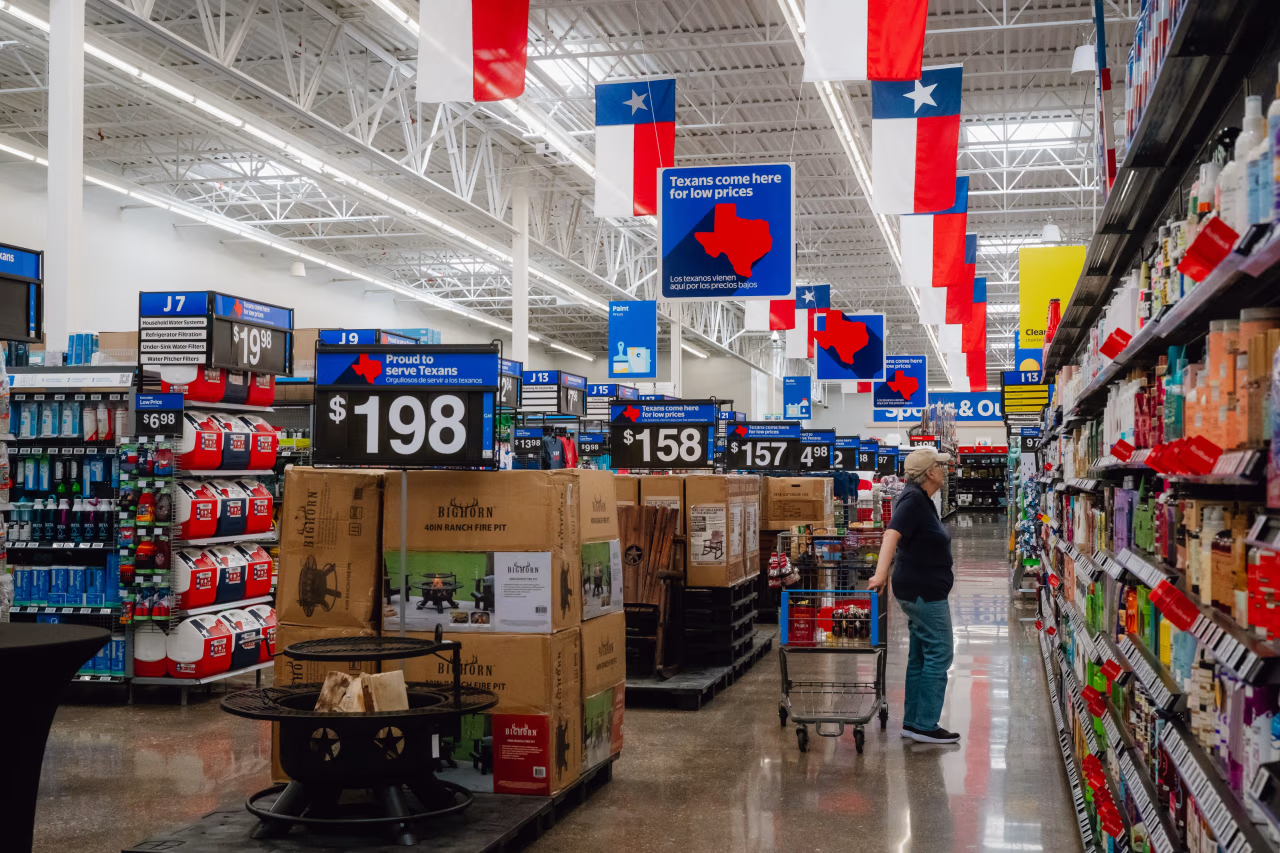
尼克·纳多最近通过沃尔玛的应用程序购买了一块硬盘——但他对其价格产生了不好的预感。
Nick Nadeau recently bought a hard drive through Walmart’s app—and got a bad feeling about its price.
在纳多的手机上,沃尔玛将该硬盘标价为369美元。然而,在他妻子的手机上,同一款硬盘却便宜了110美元。
On Nadeau’s phone, Walmart listed the drive for $369. On his wife’s phone, however, the drive cost $110 less.
“他们正在利用Cookie或存储的数据来对付我,”现年38岁、在一家科技公司担任产品经理的纳多心想。
“They are using cookies or stored data against me,” Nadeau, 38, a product manager at a technology company, thought.
这可以称为人工智能引发的价格焦虑。美国购物者深信,企业——包括零售商、餐馆、网约车服务和杂货商——正在部署技术以收取更高的价格。他们担心企业正在利用人工智能和其他技术,通过评估他们的需求或画像来快速调整价格。
Call this AI-induced price anxiety. American shoppers are convinced that businesses—including retailers, restaurants, ride-shares and grocers—are deploying technology to charge higher prices. They worry that businesses are using artificial intelligence and other technology to quickly change prices by assessing their needs or profile.
沃尔玛、克罗格和麦当劳等公司均表示并未这样做。沃尔玛甚至在上个月发布了其首席执行官的一封信,称公司不会根据购买者身份或突发需求来给产品定价。
Walmart, Kroger and McDonald’s are among companies that say they aren’t doing this. Walmart went so far as to issue a letter from its chief executive last month saying it doesn’t price products based on who is buying or sudden need.
然而,这些否认未能平息购物者和消费者权益活动人士的担忧。在社交媒体上,帖子抱怨商店将人工智能与电子货架标签结合使用,以追踪购物者的兴趣并进行突然的或个性化的价格调整。
Yet the denials have failed to stanch the concerns of shoppers and consumer activists. On social media, posts complain that stores are using AI in combination with digital shelf tags to track shoppers’ interest and make sudden or personalized price changes.
随着投诉的增加,多个州已通过法律,限制数据驱动定价或要求公司披露算法定价的使用情况。本月初,一名顾客向麦当劳提起诉讼,指控其对菜单项目进行“算法价格操纵”。麦当劳表示,该诉讼“充满了不实之处”。居住于伊利诺伊州贝尔维尔的纳多最终以妻子用手机发现的较低价格买下了那块硬盘,但这次经历让他感到惊恐。“这感觉就是具有侵入性,”他说。
As the complaints have risen, several states have passed laws restricting data-driven pricing or requiring companies to disclose use of algorithmic pricing. Earlier this month, a customer filed a lawsuit against McDonald’s that alleges “algorithmic price-fixing” of menu items. McDonald’s said the lawsuit is “filled with inaccuracies.”Nadeau, who lives in Belleville, Ill., wound up buying the hard drive at the lower price his wife found using her phone, but he was alarmed by the experience. “It just felt invasive,” he said.
沃尔玛的一位女发言人表示,价格差异是由于一个已修复的错误造成的,并非因为公司利用个人信息来校准产品价格。
A spokeswoman for Walmart said the prices varied because of an error that has been corrected, not because it used personal information to calibrate the price of a product.
根据需求或购买时间来调整价格(这种定价方式有时被称为“动态定价”或“个性化定价”)其实并不新鲜。多年来,航空公司、酒店以及像 Uber 这样的出行共享公司一直都在采用这种策略。
Adjusting prices based on demand or time of purchase—sometimes referred to as surge, dynamic or personalized pricing—isn’t new. For years, airlines, hotels and ride-share companies such as Uber have done so.
同样,零售商们也早就通过调整价格来应对成本上升或实现利润最大化。一些零售商的会员忠诚度计划会根据消费者的购买历史或个人信息提供不同的折扣;针对学生或老年人的折扣也很常见。
Likewise, retailers have long moved prices around to reflect rising costs or maximize profits. Some retailer loyalty programs offer different discounts to different shoppers based on their purchase history or personal attributes. Discounts based on being a student or senior are also common.
然而,由于通货膨胀正在挤压消费者的钱包,消费者现在对任何可能导致价格上涨的因素都格外敏感。在过去六年中,以消费者价格指数衡量的整体物价涨幅已超过 29%。
Yet consumers are especially sensitive now to anything that drives prices higher, because inflation is squeezing their pocketbooks. Over the past six years, overall prices as measured by the consumer-price index have risen more than 29%.
“再加上人们对人工智能(AI)的担忧,情况就更复杂了,”詹姆斯·斯皮瓦克(Jameson Spivack)说道。他是非营利组织“隐私未来论坛”(Future of Privacy Forum)的专家,该组织与沃尔玛(Walmart)、苹果(Apple)等企业合作,研究技术隐私相关问题。
“Then you add to that the anxiety around AI,” said Jameson Spivack, who focuses on AI governance issues for the Future of Privacy Forum, a nonprofit that works with member companies, including Walmart and Apple, on technology-privacy issues.
斯皮瓦克指出,利用数据来制定价格其实并不新鲜,但如今企业掌握了更多关于消费者的个人信息,这些信息可以用于定价决策。此外,企业还拥有新的工具,能够快速在线或实体店中调整价格。
Using data to set prices isn’t new, Spivack said, but companies now have much more data about individual consumers that they can use when setting prices. In addition, they have new tools to quickly change prices online or in stores.
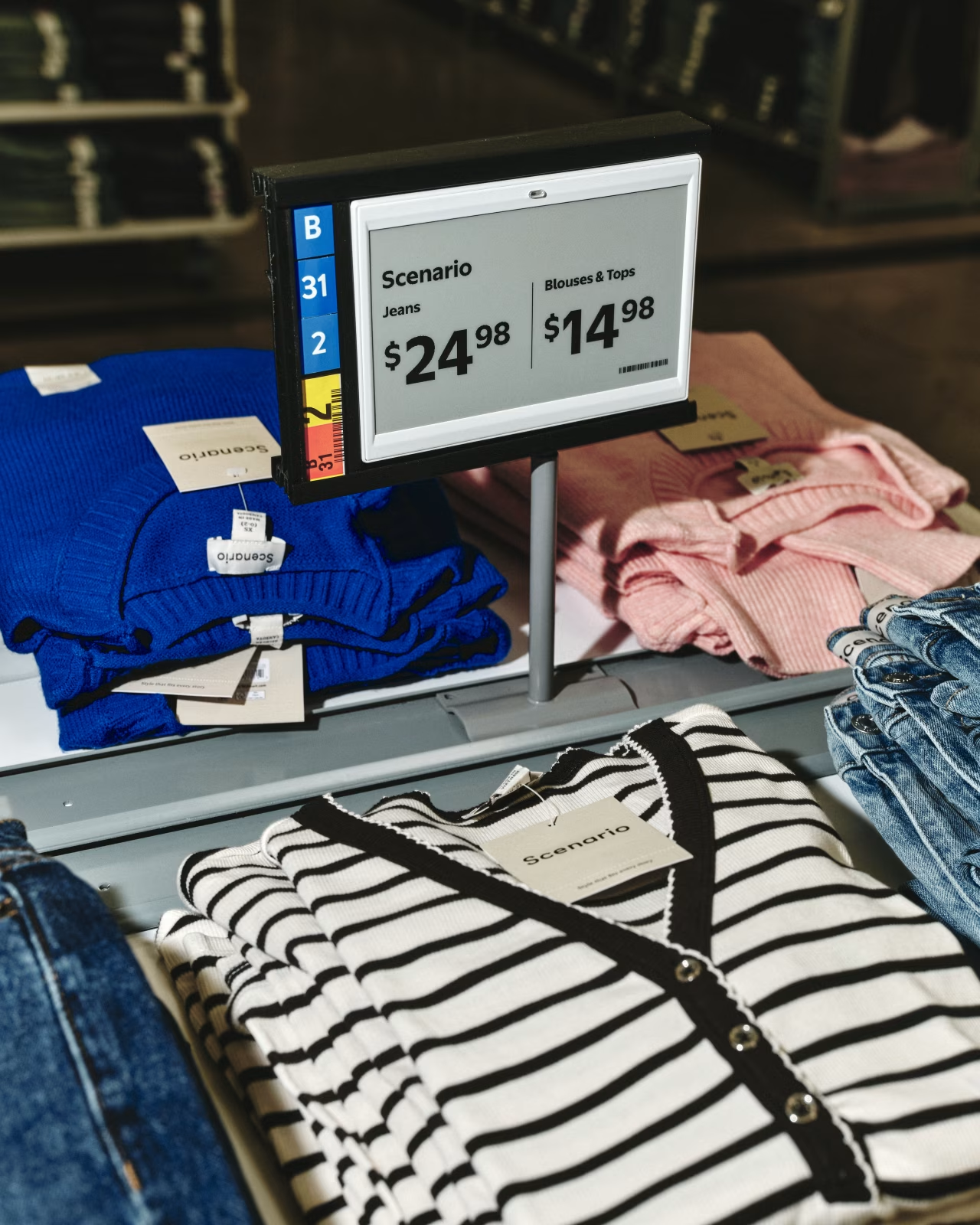
目前消费者普遍担忧的是电子货架标签(digital shelf labels)的普及——这些标签已经取代了传统上贴在货架上的纸质标签。在美国和欧洲,这种技术已经被广泛使用超过十年。研究发现,电子货架标签并不会导致价格突然上涨;相反,商家利用这些标签来打折处理即将过期的商品,从而减少了食物浪费。零售商们表示,使用电子标签可以节省更换纸质标签的时间。
Much current angst is focused on electronic shelf labels, which have replaced the printed labels that dotted shelves at groceries and other stores. Research on digital shelf labels in the U.S. and Europe, where grocers have widely used the technology for more than a decade, found the labels don’t lead to surge pricing, in part because price changes are obvious to anyone walking by. Rather, research found, grocers have used the labels to discount goods that are about to expire, reducing food waste. Retailers say they use digital labels to save time on paper tag changes.
电子标签让部分欧洲市场的杂货商能够每周数百次通过降价吸引购物者。然而,在大多数情况下,商店会在夜间或固定时段(如周一上午)提价。沃尔玛表示,通常在门店关门时更换电子价签,部分原因是不想让购物者感到困惑。
The electronic labels have enabled some grocers in certain European markets to entice shoppers by discounting prices hundreds of times a week. For the most part, however, stores raise prices overnight or at regular intervals such as Monday mornings. Walmart said it typically changes digital price tags when stores are closed, in part because it doesn’t want to confuse shoppers.
尽管如此,企业仍因申请技术专利、收集日益增长的个人数据而遭到消费者权益倡导者和部分政客的抨击。批评者称,这些做法为未来部署更复杂的动态定价或个性化定价奠定了基础。
Companies have nevertheless drawn fire from consumer advocates and some politicians for taking out patents on technology and collecting growing quantities of personal data that, the critics say, lay the groundwork to deploy more sophisticated dynamic or personalized prices in the future.
在监管审视下,包括杂货订购服务Instacart在内的部分公司已退出了可变定价的实验。
Under scrutiny, some companies, including grocery-ordering service Instacart, have backed away from experiments with variable pricing.
本月,麦当劳表示,其加盟商不使用人工智能设定菜单价格,也不根据实时状况或需求调整价格。“关于菜单价格如何设定,存在不准确的报道,”该公司表示。
This month, McDonald’s said its franchisees don’t use artificial intelligence to set menu prices or change prices based on real-time conditions or demand. “There has been inaccurate reporting about how menu prices are set,” said the company.
沃尔玛首席执行官约翰·弗纳上月致信顾客称,价格会变动,但沃尔玛不会利用某人的收入、购物历史或急需时刻来收取更高费用。“我们给产品定价,不给人定价,”他说。
Walmart Chief Executive John Furner published a letter to customers last month saying prices change, but that Walmart won’t use someone’s income, shopping history, or moment of need to charge more. “We price the product, not the person,” he said.
这封信未能平息批评后,沃尔玛企业事务负责人丹·巴特利特致信非营利组织“协作基石”的一位消费者权益倡导者。该组织领导人称,沃尔玛的专利和技术可能利用个人数据提高价格。
After the letter failed to quell criticism, Walmart’s head of corporate affairs, Dan Bartlett, published a letter addressed to a consumer advocate at the nonprofit Groundwork Collaborative. Leaders of the nonprofit have said Walmart’s patents and technology could enable the use of personal data to raise prices.
“您最近的公开声明反复歪曲沃尔玛的定价做法,”巴特利特说。他还重申了首席执行官早前的否认。
“Your recent public statements repeatedly mischaracterize Walmart’s pricing practices,” Bartlett said. He also echoed the CEO’s earlier denial.
作为回应,“协作基石”呼吁沃尔玛撤回部分专利。“专利不等于计划,”一位沃尔玛发言人说。她表示,沃尔玛不会使用或续展一项备受关注的专利。
In response, Groundwork Collaborative called on Walmart to withdraw some of its patents. “A patent isn’t a plan,” said a Walmart spokeswoman. Walmart won’t use or renew one of the patents that has garnered scrutiny, she said.
纽约州去年通过一项法案,要求公司披露何时对产品使用算法定价。今年,马里兰州、康涅狄格州和新泽西州通过法律,限制某些类型的个性化或数据驱动定价。
New York last year passed a bill that requires companies to disclose when they have used algorithmic pricing on a product. This year, Maryland, Connecticut and New Jersey passed laws restricting certain types of personalized or data-driven pricing.
“新泽西州家庭已经感受到更高成本的压力。他们最不需要的就是公司秘密使用他们的个人数据,对完全相同的产品向他们收取比别人更多的费用,”新泽西州州长米基·谢里尔在签署该州法律时表示。
“New Jersey families are already feeling the pressure of higher costs. The last thing they need is companies secretly using their personal data to charge them more than someone else for the exact same product,” Gov. Mikie Sherrill said when the state law was signed.
数十个州正在考虑各种法案,旨在禁止或监管使用个人数据或实时需求输入(例如天气)来设定更高价格。
Dozens of states are considering a variety of bills that would prohibit or regulate the use of personal data or real-time demand inputs, such as weather, to set higher prices.
今年夏天,联邦贸易委员会发布了一项拟议的执行政策声明,旨在对公司的“任何欺骗性或不公平的个性化定价”进行处罚,特别是“在消费者合理预期产品或服务的价格不会基于其个人数据而有所不同的情况下”。科罗拉多州州长贾里德·波利斯(民主党人)今年早些时候否决了一项法案,该法案本会使公司使用个人数据设定个性化工资或价格成为非法。“由于该法案范围过于广泛,它将惩罚差异性较低的价格,而不仅仅是较高的价格,”波利斯说。
This summer, the Federal Trade Commission issued a proposed enforcement policy statement aiming to penalize companies for “any deceptive or unfair personalized pricing,” particularly “where consumers reasonably expect that prices for a product or service will not vary based on their personal data.”Colorado Gov. Jared Polis, a Democrat, earlier this year vetoed a bill that would have made it illegal for companies to use personal data to set individualized wages or prices. “Because of the broad sweep, the bill would punish differentially lower prices, not just higher prices,” Polis said.