美国人对政府应如何应对生活成本危机有清晰的认识:在尝试提高工资之前,先介入以降低成本。
Americans are clear-eyed on what they want the government to do to address the affordability crisis: Step in to lower costs before trying to boost wages.
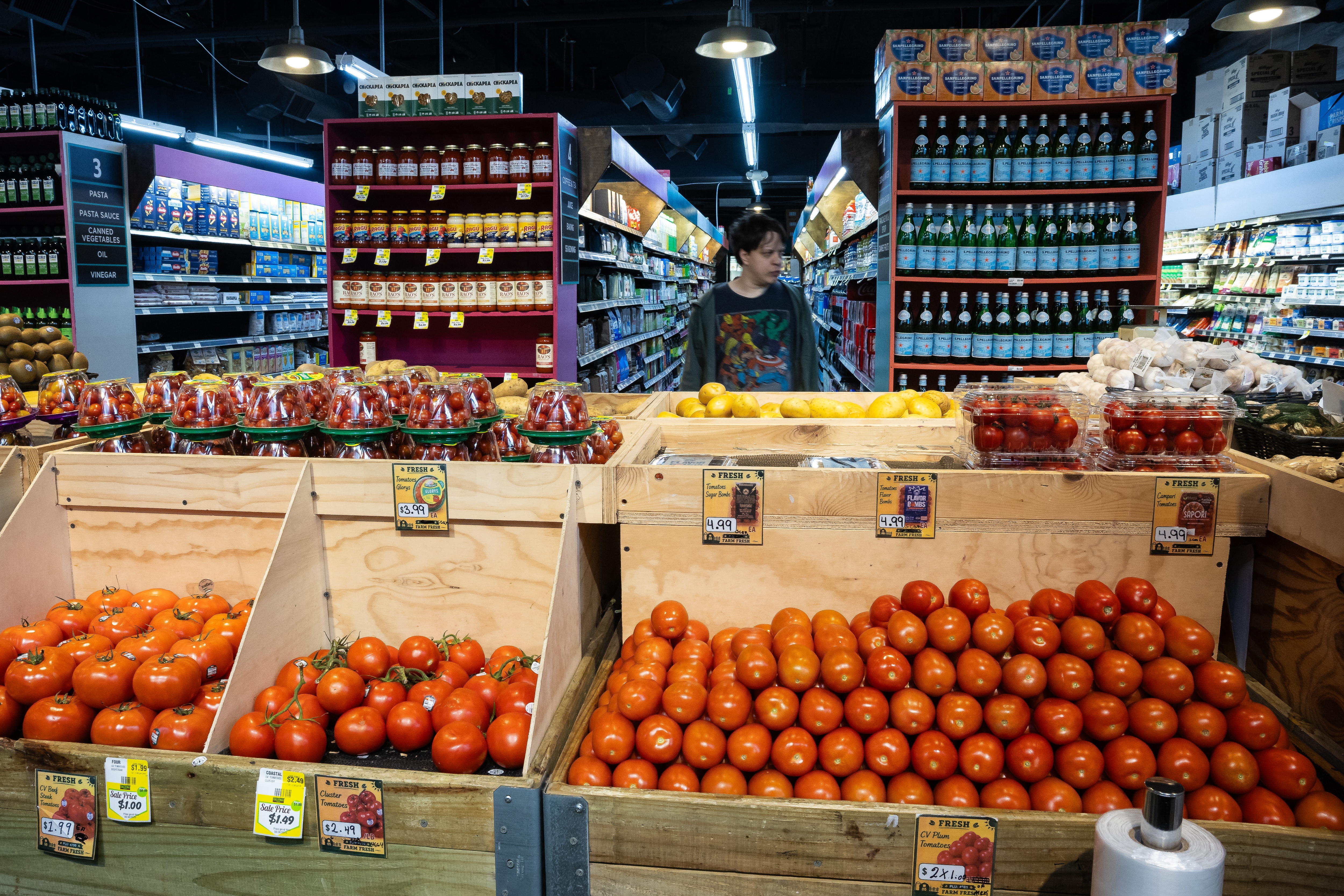
根据《政治》杂志(POLITICO)本月进行的民意调查结果,十分之六的人表示,政府应优先降低日常必需品的成本——如食品杂货、电费和汽油价格——而不是优先提高家庭收入。
Six in 10 people say the government should prioritize bringing down the cost of everyday essentials — like groceries, electricity bills and gas prices — rather than prioritize raising household incomes, according to results from The POLITICO Poll conducted this August.
调查结果表明,旨在降低价格的政策可能比旨在提高收入的政策(如提高最低工资或取消对小时工小费的征税)更具政治影响力。
The results suggest policies intended to lower prices may be more politically powerful than those aimed at increasing incomes, like raising the minimum wage or removing tax on tips for hourly workers.
“人们觉得这是一个更容易的解决方案,因为政府尚未证明他们将改变工资结构,”全国真实生活成本联盟(National True Cost of Living Coalition)联合主席、非党派倡导组织成员詹妮弗·琼斯·奥斯汀(Jennifer Jones Austin)表示。该组织致力于研究可持续工资。
“People feel like that’s an easier fix because the government has not demonstrated that they’re going to change the wage structure,” said Jennifer Jones Austin, co-chair of the National True Cost of Living Coalition, a nonpartisan advocacy group that researches sustainable wages.
《政治》杂志的民意调查多次询问美国人,他们认为推动生活成本危机的核心问题是高价还是工资停滞。每次调查结果都显示,他们认为是成本上升——而且比例约为2:1。
The POLITICO Poll has repeatedly asked Americans whether they believe the core issue driving the affordability crisis is high prices or stagnant wages. Every time, they say it’s rising costs — and by a two-to-one margin.
今年8月,美国人还被要求在两个可能的政府优先事项之间做出选择,以帮助缓解生活成本压力:“提高工资和家庭收入,使人们能够承受价格上涨”,或者“降低成本,使人们不需要更高的收入”。政客们一直在探索多种方案来缓解生活成本压力,从将联邦最低工资提高到25美元,到试点联邦支持的就业保障计划。但民意调查结果表明,选民可能更倾向于——或对——聚焦于价格的立法更持乐观态度。
This August, Americans were also asked to state their preference between two possible government priorities to help alleviate cost-of-living concerns: “Raising wages and household incomes so people can afford rising prices,” or bringing down costs “so people don’t need higher incomes.”Politicians have focused on a number of solutions to alleviate cost-of-living concerns, ranging from increasing the federal minimum wage to $25 to piloting federally-backed job guarantees. Still, poll results indicate voters may be more keen on — or optimistic about — legislation focused on prices.
在所有收入水平、政治立场和教育程度的人群中,大多数人都认为政府应首先介入以降低成本。
Across all income levels, political ideologies and levels of education, majorities of people agree that the government should first step in to lower costs.
超过60%的2024年投票给唐纳德·特朗普总统和卡玛拉·哈里斯前副总统的选民表示,政府应优先降低成本,而非提高家庭收入。
More than 60% of those who voted for President Donald Trump and those that voted for former Vice President Kamala Harris in 2024 say the government should prioritize bringing down costs over raising household incomes.
即使在年收入低于25,000美元的家庭中,56%的人表示政府应首先致力于降低成本 — — 这一比例是认为政府应优先解决工资问题的人数的两倍多。大多数美国人希望看到华盛顿采取行动。
Even among those with a household income of less than $25,000 per year, 56% say the government should work to lower costs first — more than double the share of those who say the government should prioritize addressing wages first. Most Americans want to see action out of Washington.
超过70%的民众认为联邦政府应比目前做得更多来解决可负担性问题,但政府选择不这样做 — — 包括65%的特朗普选民和84%的哈里斯选民。只有16%的人表示联邦政府在可负担性方面已无法再提供比目前更多的帮助。
More than 70% of people say the federal government should do more to address affordability than it currently does, but that it is choosing not to — including 65% of Trump voters and 84% of Harris voters. Just 16% of people said the federal government can’t help on affordability any more than it already does.
实际上,政府应同时关注价格和工资,琼斯·奥斯汀如是说。她表示,降低价格的努力至关重要,但“如果你的资源处于低迷状态,你将永远无法积累资产,而在美国,这对经济安全至关重要。”超过一半的国家受访者表示,他们所在地区的生活成本是他们“能够记得的最糟糕”情况,这一比例约为55%,时间是在今年八月。
In reality, the government should address both prices and wages, Jones Austin said. Efforts to reduce prices are critical, she said, but “if your resources are depressed, you will never be able to build assets, which in America is essential for economic security.”More than half the country said the cost of living in their area is the worst they “can ever remember it being” this August, about 55%.
而且,一些人似乎正在失去希望。超过25%的民众表示,自上次感觉日常用品负担得起以来,已经过去了20年或更久;近三分之二的公众认为,在美国向上流动的社会经济阶梯现在比以前更难,甚至不可能。
And some people appear to be losing hope. More than 25% of people said it's been 20 years or more since the last time they felt like everyday items were affordable, and nearly two-thirds of the public say it's harder or impossible to move up the socioeconomic ladder in America than it used to be.