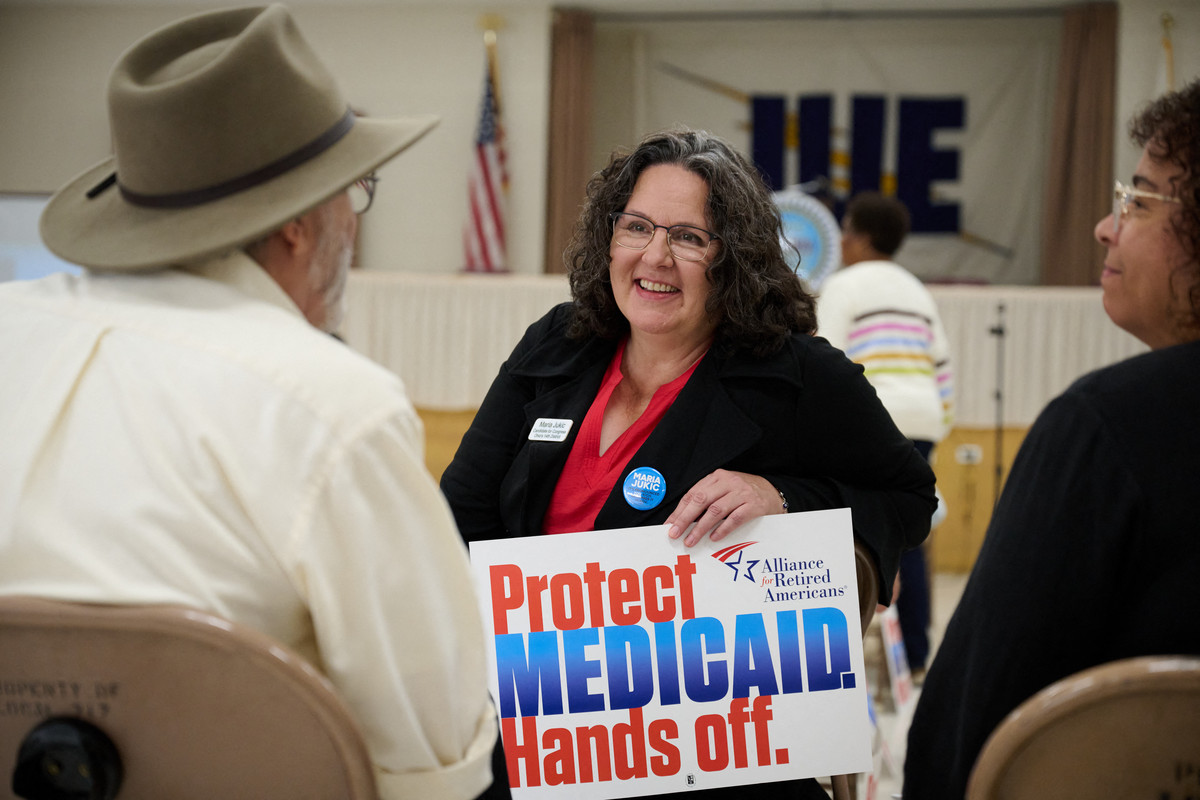
民主党人对其医疗保健信息的信心正在电视广播和辩论舞台上体现出来。
Democrats’ confidence in their health care message is showing up on the airwaves and the debate stage.
在寻求于11月夺回国会控制权的摇摆州民主党人看来,他们手中有一件强有力的武器:共和党去年在其标志性立法《一揽子美好法案》中批准的对医疗补助计划的深度削减。
Democrats in battleground states seeking to flip control of Congress in November are counting on a potent weapon: the deep cuts to Medicaid that Republicans approved last year in their signature legislation known as the One Big Beautiful Bill Act.
在阿拉斯加、佐治亚、爱荷华、缅因、密歇根和南卡罗来纳州的最近参议院辩论中,民主党候选人抨击支持该法律的对手,该法律将在未来几年将数十亿美元的联邦资金从低收入人群的健康保险项目中削减。他们还承诺,如果当选,将把这些资金恢复到该项目中。
In recent Senate debates in Alaska, Georgia, Iowa, Maine, Michigan and South Carolina, Democratic candidates went after their opponents for supporting the law, which will reduce federal funding to the low-income health insurance program by hundreds of billions of dollars over the coming years. They also vowed to restore the money to the program if elected.
这些州的共和党候选人则采取了相同的辩护:他们大肆宣传去年最后一刻加入该巨型法案的500亿美元农村健康基金,以争取担心该法案对其他健康项目造成深度削减的共和党议员的支持。
Republican candidates in those states have turned to the same defense: touting the $50 billion fund for rural health that was added last minute to the megabill to shore up support from GOP lawmakers concerned about its deep cuts to other health programs.
去年在参议院全会上反对该法案但在委员会投票支持推进该法案的缅因州参议员苏珊·柯林斯(R-缅因州)在为其决定辩护时,指向了该农村健康基金。
Sen. Susan Collins (R-Maine), who voted against the bill on the Senate floor last year but voted to advance it out of committee, pointed to the rural health fund when defending that decision.