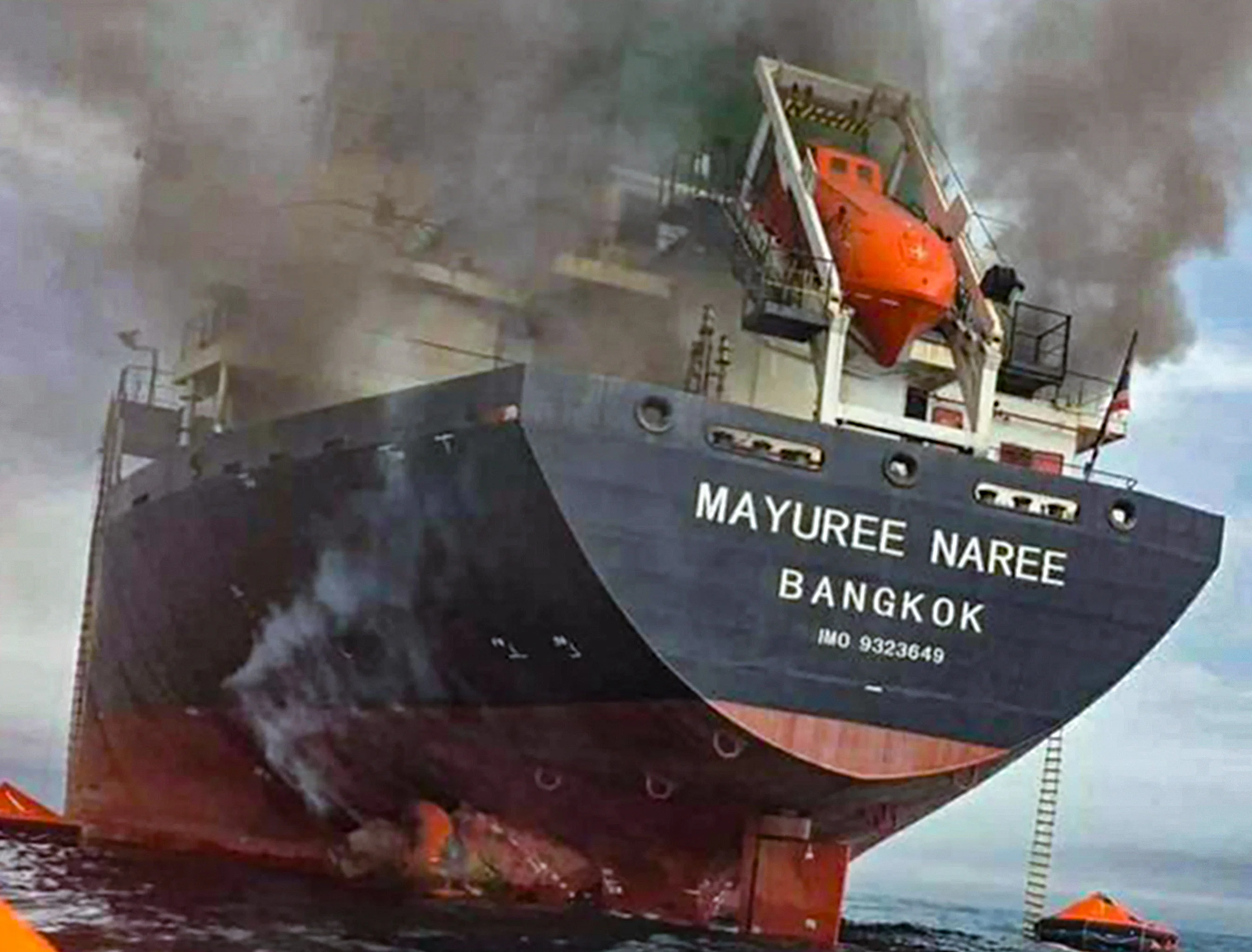
菲律宾水手杰伊在八月的一个晚上,正在一艘经过霍尔木兹海峡的船舶上执行瞭望任务时,无人机群突然从上空蜂拥而至,掠过他的船只以及他所跟随的另外两艘船只。几秒钟后,前方油轮传来爆炸声。
Filipino seafarer Jay was on lookout duty aboard a vessel passing through the Strait of Hormuz one evening in August when drones swarmed overhead, darting past his ship and two others it was following. Within seconds, an explosion rang out from the tanker ahead.
“看到我们船前方的油轮被击中,这对我来说是一次创伤,”杰伊说。他的真名被保密,以防止可能的雇主报复。
“That was traumatic for me when I saw that the tanker ahead of our vessel had been hit,” said Jay, whose real name has been withheld to protect him from possible employer retribution.
这位29岁的水手和他的船员们平安通过了海峡,但这次经历一直萦绕在他心头。“我们从未谈论过发生的事情;事情已经过去了。我们会继续前行,进行下一次航行,”他说。
The 29-year-old and his fellow crew members made it through the strait unscathed, but the experience stayed with him. “We never talked about what happened; it was done. We would move on and proceed to the next voyage,” he said.
然而,对于杰伊这样的水手来说,危险并不会随着航程的结束而结束。随着冲突威胁到霍尔木兹海峡和海湾地区其他海上咽喉要道,这些菲律宾工人面临着艰难的抉择:冒险航行经过危险水域,或是拒绝航行,从而可能危及他们的生计。
For sailors like Jay, however, the danger does not end when a voyage is over. As conflict threatens the Strait of Hormuz and other maritime chokepoints in the Gulf region, these Filipino workers face a difficult choice: risk sailing through dangerous waters or refuse a voyage and potentially jeopardise their livelihoods.
根据移民劳工部(DMW)的数据,菲律宾是全球最大的水手供应国,去年有超过46.8万名菲律宾水手被派遣出国工作。
The Philippines is the world’s leading supplier of seafarers, with over 468,000 Filipino seafarers deployed last year, according to data from the Department of Migrant Workers (DMW).
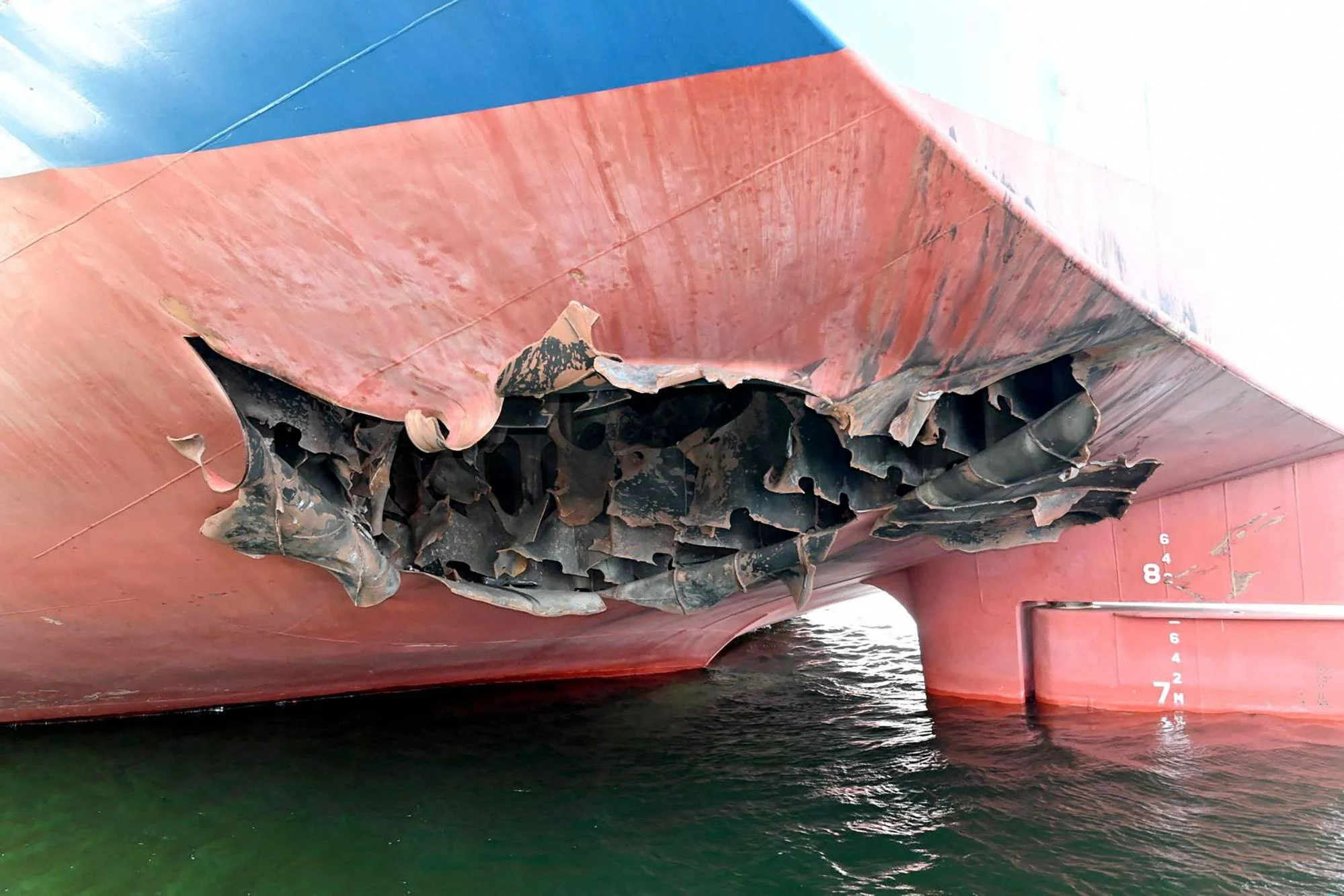
2024年3月,DMW发布了一份备忘录,明确规定菲律宾水手有权拒绝航行经过高风险区域,特别是红海、亚丁湾及其周边水域,此举是针对民用船只遭遇海盗袭击、劫持和武装攻击增加的情况。
In March 2024, DMW issued a memorandum setting out the right of Filipino seafarers to refuse to sail through high-risk areas, particularly the Red Sea, Gulf of Aden and surrounding waters, following an increase in piracy, hijackings and armed attacks on civilian ships.
根据该规定,拒绝航行经过这些区域的菲律宾水手有权获得包括遣返协助和两个月基本工资在内的保障。招聘和安置机构也不得因其拒绝航行而阻止他们未来签订合同或就业。
Under the rules, Filipino seafarers who refused to sail through these areas are entitled to protections including repatriation help and two months’ basic wages. Recruitment and placement agencies also cannot bar them from future contracts or employment.
该备忘录的发布是在当月胡塞武装分子袭击红海一艘商船之后,此次袭击导致两名菲律宾水手死亡,三人受伤。
The memorandum was issued after Houthi rebels attacked a commercial vessel in the Red Sea that month, killing two Filipino seafarers and injuring three others.
根据移民劳工部(DMW)的数据,过去三年有近1500名菲律宾海员行使了这一权利。9月份,10名拒绝通过霍尔木兹海峡航行的菲律宾人安全返回菲律宾。
Nearly 1,500 Filipino seafarers had exercised that right over the past three years, according to the DMW. In September, 10 Filipinos who refused to sail through the Strait of Hormuz returned safely to the Philippines.
自伊朗战争于2月22日爆发以来,已有5名菲律宾人死亡,1人仍下落不明,移民劳工部长汉斯·卡克达克在9月份予以确认。
Since the Iran war began on February 22, five Filipinos had died and one remained missing, Secretary of Migrant Workers Hans Cacdac confirmed in September.
保护问题 马尼拉通常会评估对海外菲律宾劳工(OFWs)的潜在威胁,并据此发布相应的警报级别,菲律宾大学法学院劳工与雇员项目主任阿诺德·德·维拉如此表示。“最严重的情况可以证明部署禁令的合理性,而对已经在当地的劳工,则应实施强制遣返,”他说。
Protection problem Manila generally assesses potential threats to overseas Filipino workers (OFWs) and issues corresponding alert levels, according to Arnold de Vera, director of the workers and employees programme at the University of the Philippines Law Centre. “The worst cases justify a ban on deployment and, for those already there, mandatory repatriation,” he said.
然而,他们的保护很大程度上仍然依赖于雇佣他们的招聘机构和外国雇主。
However, much of their protection still depends on the recruitment agencies and foreign employers that hire them.
“我们对OFWs的监管保护体系在很大程度上依赖于一项法律规定,该规定在外国雇主和当地招聘与安置机构之间实行连带责任。通过让他们承担连带责任,当地机构可以被要求承担归因于外国雇主的责任,”德·维拉说。
“Our system of regulatory protection for OFWs relies heavily on the statutory provision imposing a solidary liability between the foreign employer and the local recruitment and placement agency. By making them solidarily liable, the local agency can be made to answer to the liabilities attributable to the foreign employer,” de Vera said.
德·维拉还表示,许多海员还受到工会和船东谈判的集体谈判协议的保护,这提供了另一层保障。
Many seafarers are also covered by collective bargaining agreements negotiated by unions and shipowners, which provide another layer of protection, according to de Vera.
不过,实施仍面临挑战,特别是当争议最终进入诉讼程序时。工人安全责任的划分可能导致海员陷入行使拒绝权变得复杂的情况。
Implementation remains a challenge, though, particularly when disputes end up in litigation. The division of responsibility for worker safety can leave seafarers in situations where exercising their right to refuse becomes complicated.
在杰伊的船只停靠沙特阿拉伯的朱拜勒港后,他决定行使拒绝航行的权利,因为他知道自己仍需再次穿越被指定为高风险区域的红海和亚丁湾。“我给公司发了一封邮件,告知他们我将行使拒绝航行的权利。我也给移民劳工部和其他相关团体发了邮件,”他说。
After Jay’s ship docked in Al Jubail, Saudi Arabia, he decided to exercise his right to refuse to sail, knowing that he would again have to transit the Red Sea and Gulf of Aden, both designated high-risk areas. “I sent an email to my company informing them that I would exercise my right to refuse. I also emailed the DMW and other concerned groups,” he said.
然而,他和他的船员同伴们不被允许离开船只。“穷日子很难过。我的公司说,它因其他船只被袭击而申报了财务损失。我们要求公司在不把我们送回家的情况下增加我们的补偿,但他们未能满足我们的要求……即使我们行使了拒绝的权利,我们仍继续航行。”9月,一名菲律宾海员在试图通过霍尔木兹海峡的油轮上遇害,其家属称他事先未被告知该船将穿越该海峡。
However, he and his fellow crew members were not allowed off the vessel. “It is very hard to be poor. My company said that it had filed for financial losses because its other ships had been attacked. We asked our company to increase our compensation if we would not be sent home but they failed to meet our demand … we continued to sail even after we exercised our right to refuse.”In September, the family of a Filipino seafarer killed aboard an oil tanker attempting to pass through the Strait of Hormuz claimed that he had not been informed in advance that the vessel would transit the strait.
人力资源与社会保障部表示,同月正在检查法规的遵守情况。《本周亚洲》也联系了该部门以获取评论。
The DMW said that same month it was examining compliance with regulations. This Week in Asia also contacted the department for comment.
杰说,他的雇主未能处理这次经历带来的心理负担,反而专注于完成航程。“他们甚至不关心经历过此次创伤的船员的心理健康。他们告诉我们的是[不会有]船员轮换和[要]交付货物,”他补充道。
Jay said his employer had failed to address the psychological toll of the experience, focusing instead on completing the voyage. “They don’t even care about the mental health of their crew that has experienced this trauma. What they told us is [there will be] no crew change and [to] deliver the cargo,” he added.
他担心,当合同到期时,他的中介机构可能不会重新雇佣他,因为他给人力资源与社会保障部的邮件中包含了他所在船只的名称及其航线。
He feared that his agency might not rehire him when his contract ended because his email to the DMW had included the name of his vessel and its route.
家庭义务 失去未来工作的前景也是菲律宾海员罗纳德·阿兰·鲁伊斯考虑的因素之一,尽管存在风险,他仍选择通过霍尔木兹海峡。“在红海,我们面对的是海盗、索马里人……伊朗与美国之间的冲突以及附近的紧张局势,这就是事情发生变化的原因,”鲁伊斯说。
Family obligations The prospect of losing future work was also a factor for Filipino seafarer Ronald Allan Ruiz, who transited the Strait of Hormuz despite the risks. “In the Red Sea, what we deal with is the pirates, the Somalis … the conflict between Iran and the US, and the nearby tensions, that is what changed things,” Ruiz said.
他和其他菲律宾籍船员之所以同意出航,是因为家里的亲人急需用钱。他还提到,公司也提供了额外奖励来鼓励他们穿越高风险海域。“虽然船员有权拒绝出航,但对我们这些人来说,经济压力依然存在。公司毕竟是大型企业,说不定还会因此不再录用你。”尽管鲁伊斯觉得招聘机构和雇主对待自己还算公平,但他仍担心回国后可能面临的不确定性。
He and his fellow Filipino crew members had agreed to the voyage because of their families’ financial needs back home. They were also offered incentives for transiting high-risk areas, he said. “Even though you have the right to refuse to sail, [the financial need] doesn’t go away for our colleagues either. Maybe the office won’t rehire you – because, of course, the company deals with a big business.”Although Ruiz felt his recruitment agency and employer had treated him fairly, he remained concerned about the uncertainty he might face if he returned home.
“还有所谓的‘价钱合适’这一因素。所以即便心里害怕,人们还是会为家人着想,”他说道,“如果现在回国,很可能短期内找不到工作,要长时间处于无业状态。”多家维权组织指出,日益紧张的局势已让海员及其家人忧心不已。
“There’s also what we call ‘if the price is right’. So sometimes even when you’re afraid, you also think about your family,” he said. “If you go home, they might not rehire you right away, you could be without work for a long time.”Advocacy groups say escalating tensions have become a serious concern for seafarers and their families.
“每有一艘船只遭到袭击,就有更多海员陷入危险。他们的家人送他们出海工作,并非为了让他们去承受大国利益争斗带来的致命后果。在我们的政府明确表态之前,还要有多少生命要被置于险境呢?”国际海员行动中心主席埃德温·德拉·克鲁兹说道。
“Every ship attacked puts more seafarers at risk. Their families send them off to work, not to face the deadly consequences of wars fought for the interests of powerful countries. How many more lives must be put in danger before our government takes a clear stand?” said Edwin Dela Cruz, president of the International Seafarers Action Centre.
然而对鲁伊斯这样的海员而言,养家糊口的需求使得他们难以完全避开这些风险。
Yet for seafarers such as Ruiz, the need to provide for their families means the risks can be difficult to avoid.
“在场的每一位菲律宾人都是为了工作、为了赚钱才来到这里。所以即便内心深处并不想冒险航行……但很多时候人们背负着沉重的经济负担,或者只能告诉自己:无论如何都得去。”
“Every Filipino here is here because of the job, because of the money. So [even if] deep down, we don’t want to sail through danger … sometimes people have a lot of financial obligations, or we just tell ourselves [come what may].”