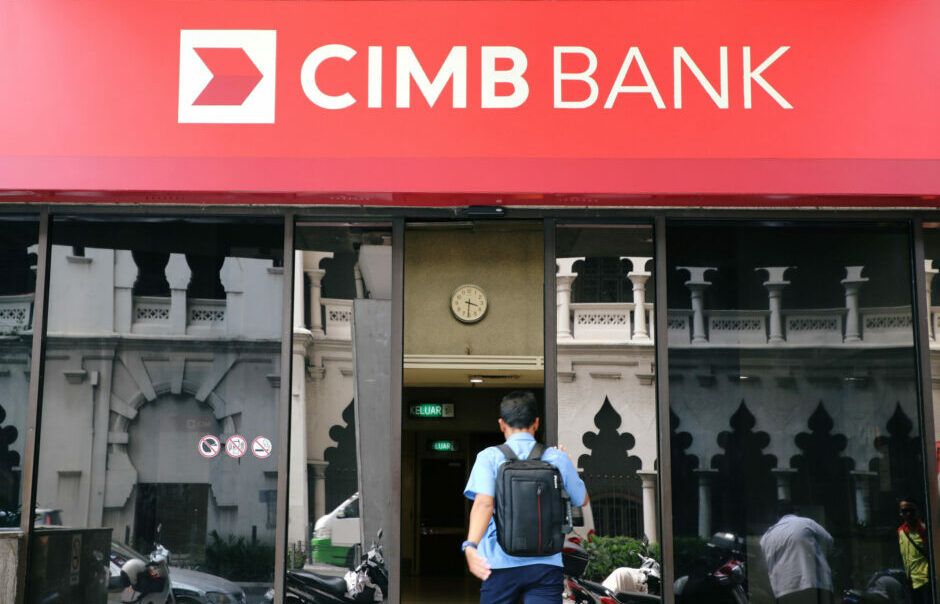
马来西亚CIMB集团控股正考虑将其印尼子公司PT Bank CIMB Niaga私有化,因为该银行集团正在权衡各种方案,以在疲软的股市环境下满足印尼的最低公众持股要求。
Malaysia’s CIMB Group Holdings is considering taking its Indonesian subsidiary PT Bank CIMB Niaga private, as the banking group weighs options to meet Indonesia’s minimum public shareholding requirements amid weak equity market conditions.
CIMB投资银行——该集团的投资银行部门——表示,私有化目前是针对CIMB Niaga正在考虑的三个方案中最具战略性和可信度的一个,另外两个方案分别是向战略投资者配售股份和进行再上市,据《The Edge Malaysia》援引。根据研究报告和分析师在CIMB管理层简报会后的评论,潜在退市仍处于初步阶段,尚需克服监管障碍。
CIMB Investment Bank, the group’s investment banking arm, said privatisation was currently the most strategic and credible of three options under consideration for CIMB Niaga, alongside placing shares with strategic investors and conducting a re-IPO, as cited in The Edge Malaysia The potential delisting remains at a preliminary stage, with regulatory hurdles to overcome, according to research notes and analyst comments following a briefing by CIMB management.
CIMB需要降低其在CIMB Niaga的持股比例,以遵守印尼修订后的自由流通股规则。法规要求该集团将持股比例从91.4%降至2027年3月前至少87.5%,并在2028年3月前降至85%。
CIMB needs to reduce its stake in CIMB Niaga to comply with Indonesia’s revised free-float rules. The regulations require the group to lower its ownership from 91.4% to at least 87.5% by March 2027 and 85% by March 2028.
然而,印尼股市近期的波动已削弱了新股发行的前景。MSCI已警告可能将印尼从新兴市场降级为独立市场,理由是对市场透明度和交易做法存有担忧。该警告引发了印尼股票的大幅抛售。
However, recent volatility in Indonesian equities has weakened the prospects for a new share offering. MSCI has warned that it could downgrade Indonesia from emerging-market to standalone-market status, citing concerns over market transparency and trading practices. The warning has triggered a sharp sell-off in Indonesian stocks.
CIMB投资银行表示,该集团继续认为CIMB Niaga被低估,并对印尼的长期前景保持乐观。其援引了该印尼贷款机构在财富管理、企业银行、富裕客户银行、伊斯兰银行和区域互联互通方面的地位。
CIMB Investment Bank said the group continued to view CIMB Niaga as undervalued and remained positive on Indonesia’s long-term prospects. It cited the Indonesian lender’s positions in wealth management, corporate banking, affluent banking, Islamic banking and regional connectivity.
私有化可能涉及全额收购少数股东股份,或允许部分少数投资者在退市后保留剩余股份的安排。CIMB援引了其泰国和马来西亚银行单位此前涉及少数股权安排的案例作为可能的先例。
A privatisation could involve a full buyout of minority shareholders or arrangements allowing some minority investors to retain a residual stake after delisting. CIMB has cited previous minority ownership arrangements involving its Thai and Malaysian banking units as possible precedents.
MBSB投资银行估计,以CIMB Niaga每股1550印尼盾的价格收购少数股东股份,成本约为2.95万亿印尼盾(1.64亿美元),而30%的溢价将使对价增至3.84万亿印尼盾(2.135亿美元)。
MBSB Investment Bank estimated that buying out minority shareholders at CIMB Niaga’s share price of 1,550 rupiah would cost around 2.95 trillion rupiah ($164 million), while a 30% premium would raise the consideration to 3.84 trillion rupiah ($213.5 million).
CIMB Niaga自1989年起在印尼证券交易所上市,股票代码BNGA。周三,该股每股交易价为1585印尼盾,较今年初下跌10.45%。
CIMB Niaga has been listed on the IDX since 1989 under ticker BNGA. It was trading at 1,585 rupiah apiece on Wednesday, down by 10.45% since early this year.
截至2026年上半年,其资产同比增长2.5%,达到382万亿印尼盾,使这家私人银行成为该国第二大银行,仅次于拥有1.661万亿印尼盾资产的亚洲银行。
Its assets rose 2.5% to 382 trillion rupiah year-to-date as of six months of 2026, making the private bank the second largest in the country after Bank Central Asia with 1.661 trillion rupiah.
这一潜在举动紧随CIMB集团于9月将其泰国银行子公司CIMB泰国银行从泰国证券交易所摘牌之后。
The potential move follows CIMB Group’s delisting of its Thai banking subsidiary, CIMB Thai Bank, from the Stock Exchange of Thailand in September.
CIMB泰国银行的股票自9月12日起摘牌,此前交易所对最低流通股比例的要求发生了变化。CIMB集团表示,摘牌不会对该银行的客户、运营、财务实力或监管地位产生实质性影响。CIMB泰国银行将继续作为该集团区域银行网络的一部分运营。
CIMB Thai’s shares were delisted effective September 12, following changes to the exchange’s minimum free-float requirements. CIMB Group said the delisting would not materially affect the bank’s customers, operations, financial strength or regulatory standing. CIMB Thai continues to operate as part of the group’s regional banking network.
CIMB集团尚未就CIMB Niaga的上市地位做出最终决定。任何摘牌都需要进一步考虑监管要求、交易结构和少数股东的利益。
CIMB Group has not announced a final decision on CIMB Niaga’s listing status. Any delisting would require further consideration of regulatory requirements, transaction structure and the interests of minority shareholders.