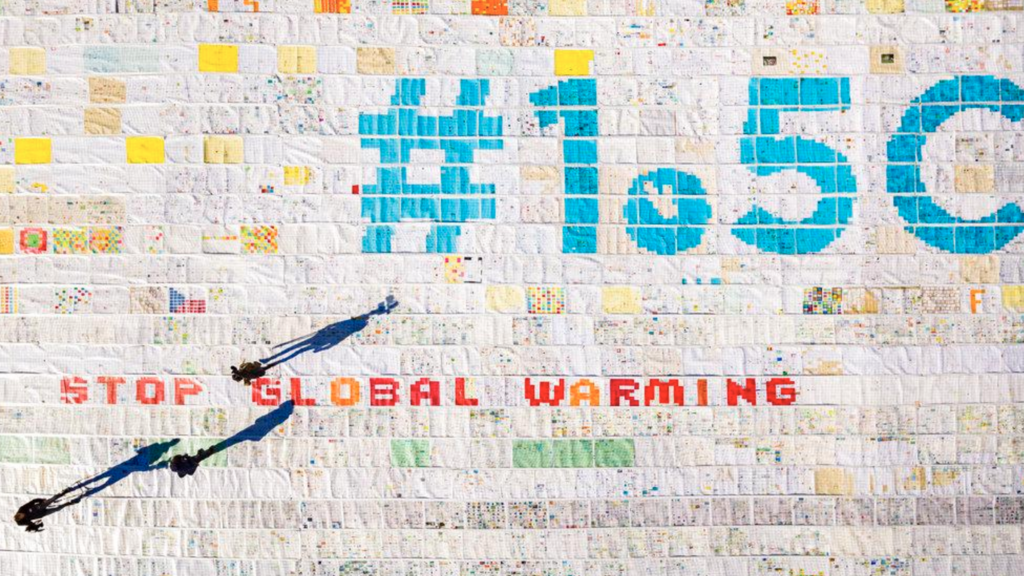
联合国环境规划署警告称,在数十年气候行动不力之后,全球变暖现在将突破《巴黎协定》设定的1.5摄氏度目标上限。联合国环境规划署表示,气温仍有可能降下来,但这需要大幅度削减排放,并利用联合国称之为“成本高昂且风险巨大”的方法从大气中移除大量二氧化碳。
Global warming is now set to breach the 1.5C target limit set out in the 2015 Paris Agreement, after decades of insufficient climate action, the United Nations Environment Programme has warned. Temperatures could still be reduced, but only with far larger emissions cuts and the removal of vast amounts of carbon dioxide from the atmosphere using methods the UN says are "costly and risky".
联合国环境规划署(UNEP)周三发布的年度《排放差距报告》称,将平均升温控制在1.5摄氏度以内的机会实际上已经消失——至少是暂时消失。
The chances of keeping average warming to 1.5C have effectively vanished – at least temporarily – the UN Environment Programme (UNEP) said in its annual Emissions Gap Report published on Wednesday.
这份报告发布于下个月将在土耳其安塔利亚举行的第31届联合国气候变化大会(Cop31)之前。联合国环境规划署已在9月发布的《限制超限》报告中提出了超限的前景——即暂时超过1.5摄氏度限制,随后再将气温降下来。
The report comes ahead of Cop31, the UN climate conference to be held in Antalya, Turkey next month. UNEP had already raised the prospect of an overshoot – temporarily exceeding the 1.5C limit before bringing temperatures back down – in its Limiting Overshoot report in September.
平均全球变暖已比工业化前时期(西方经济发展开始使地球变暖的时期)高出约1.4摄氏度。过去九年是有记录以来最热的九年。
Average global warming is already around 1.4C above pre-industrial times, when economic development in the West began warming the planet. The past nine years have been the hottest on record.
2024年是首个平均升温超过工业化前水平1.5摄氏度的单一年份,然而《巴黎协定》目标指的是长期变暖,通常以约20年的周期来衡量。
The year 2024 was the first individual year to average more than 1.5C above pre-industrial levels, however the Paris Agreement target refers to long-term warming, typically measured over around 20 years.
2025年,全球排放量达到584亿吨二氧化碳当量,这是一种用于比较不同气体升温效应的度量单位。
In 2025, global emissions stood at 58.4 gigatonnes of CO2 equivalent, a measure used to compare the warming effect of different gases.
联合国环境规划署警告称,这一总量与2024年大体持平,但化石燃料产生的二氧化碳、一氧化二氮和氟化气体仍在上升,因此现在断言排放已达峰值还为时过早。
That total was roughly unchanged from 2024, but CO2 from fossil fuels, nitrous oxide and fluorinated gases are still rising, so it is too early to say emissions have peaked, UNEP warned.
在经历了一个非同寻常的2024年之后,森林火灾排放量减少抵消了这些增加量。
Smaller releases from forest fires, after an exceptional 2024, offset those increases.
法国难以为农业气候适应提供资金,损失不断加大 “迫在眉睫且不可避免” 报告称,在数十年减排不力之后,更大幅度超越1.5摄氏度限制现在已是“迫在眉睫且不可避免”。
France struggles to fund farm climate adaptation as losses mount 'Imminent and unavoidable' After decades of falling short on emissions cuts, a larger overshoot of the 1.5C limit is now “imminent and unavoidable”, the report said.
突破1.5摄氏度并不会触发单一的突然变化。相反,每增加一小部分度数都会加剧损害,导致海冰缩减、永久冻土融化、珊瑚死亡,并使干旱和火灾恶化,进而对健康以及粮食和能源价格产生连锁影响。
Passing 1.5C does not trigger a single sudden shift. Instead, each additional fraction of a degree adds to the damage, shrinking sea ice, thawing permafrost, killing corals and worsening droughts and fires, with knock-on effects on health and on food and energy prices.
报告称,挑战在于将升温控制在远低于2摄氏度,同时限制气温超越1.5摄氏度的幅度和时长,并能在本世纪末可信地回落。一些变化,包括冰川融化,无法逆转。
The challenge is to keep warming well below 2C while limiting how far and how long temperatures overshoot 1.5C, with a credible return by the end of the century, the report said. Some changes, including glacier melt, cannot be reversed.
联合国秘书长古特雷斯在随报告发布的视频致辞中说:“超标并非投降。我们仍能将其控制在尽可能小、尽可能短的范围内。”
“Overshoot is not surrender. We can still keep it as small and as short as possible,” UN secretary-general Antonio Guterres said in a video message released with the report.
在最理想情景下,升温将在本世纪中叶左右达到1.7或1.8摄氏度的峰值,随后回落。这一情景到2100年将升温恢复至1.5摄氏度或以下的概率约为50%。排放量需在2030年前减少18%,2035年前减少45%,2040年前减少69%——即每年近6%的降幅。
In the best-case scenario, warming would peak at 1.7 or 1.8C around the middle of this century before falling. This scenario gives an approximately 50 percent chance of returning to 1.5C or below by 2100. Emissions would have to fall by 18 percent by 2030, 45 percent by 2035 and 69 percent by 2040 – so almost 6 percent a year.
联合国环境规划署执行主任安德森在新闻发布会上表示:“这18%的温室气体减排幅度完全讲得通。如果我们行动迅速,具备政治意愿和勇气,这完全可能做到。”
“This 18 percent reduction in greenhouse gas emissions makes complete sense. If we act very quickly, with political will and courage, it is entirely possible,” UNEP executive director Inger Andersen said at a press conference.
‘我的家不再安全’:法国有记录以来最热夏季的教训 承诺偏离轨道 报告发现,即使各国政府完全落实其国家气候计划,到2030年排放量也仅会下降5%至8%,到2035年下降11%至15%。
'My home wasn't safe anymore': lessons from France's hottest summer yet Pledges off track Even if governments fully implemented their national climate plans, emissions would fall by only 5-8 percent by 2030 and 11-15 percent by 2035, the report found.
在此基础上,到本世纪末升温仍将达到约2.6摄氏度,若按现行政策则为2.8摄氏度。若无紧急行动,将峰值升温控制在1.7或1.8摄氏度以下很快将变得不可能。
Warming would still reach about 2.6C by the end of the century on that basis, or 2.8C under current policies. Without urgent action, keeping peak warming below 1.7 or 1.8C will soon become impossible.
要将升温恢复至1.5摄氏度,还需到2035年将煤炭在全球能源供应中的占比削减55%,石油削减15%,天然气削减5%。燃煤发电需在2040年前在全球范围内基本淘汰,即便中国和印度仍在继续建设新电厂。
Returning to 1.5C would also require cutting coal’s share of the world’s energy supply by 55 percent by 2035, oil by 15 percent and gas by 5 percent. Coal-fired electricity would need to be effectively phased out worldwide by 2040, even as China and India continue building new plants.
甲烷是一种强效温室气体,到2035年需要较2025年水平下降至少25%,到2040年下降至少40%。如果政府有意修复卫星现在可以追踪的泄漏,这些削减在技术上是可行的。
Methane, a powerful greenhouse gas, would need to fall at least 25 percent below 2025 levels by 2035 and at least 40 percent by 2040. Such cuts are within technical reach if governments find the will to repair leaks that satellites can now track.
从秘鲁到菲律宾,捍卫土地付出致命代价 碳移除赌注 仅靠深度减排是不够的。要让气温回落,还需要移除大气中已有的二氧化碳。
From Peru to the Philippines, defending the land comes at a deadly cost Carbon removal gamble Deep emissions cuts would not be enough on their own. Bringing temperatures back down would also require removing CO2 already in the atmosphere.
最佳情景路径要求在本世纪内移除并储存约320亿吨二氧化碳,相当于大约八年的排放量。
The best-case pathway would require removing and storing about 320 gigatonnes of CO2 over the century, equivalent to roughly eight years of emissions.
报告作者凯万·里亚希解释说,二氧化碳可以通过种植森林、改善湿地管理等基于自然的措施移除,也可以通过在能源生产过程中捕获排放或直接从空气中移除二氧化碳的技术移除。
Carbon could be removed through nature-based measures such as planting forests and improving wetland management, as well as technologies that capture emissions during energy production or remove CO2 directly from the air, report author Keywan Riahi explained.
但自然和技术两种方法都可能无法按所需规模移除碳。气候变化正在削弱自然吸收二氧化碳的能力,而技术解决方案仍然不确定。
But both natural and technological approaches may fail to remove carbon on the scale required. Climate change is weakening nature’s ability to absorb CO2, while technological solutions remain uncertain.
“所有这些技术都伴随着风险,”里亚希说,他是位于奥地利的国际应用系统分析研究所能源、气候与环境方案主任。
“All of those technologies come with risks,” said Riahi, director of the Energy, Climate and Environment Program at the International Institute for Applied Systems Analysis, an Austria-based research centre.
因此,目标应该是将超限尽可能降低,以便世界以后不必过度依赖碳移除技术,他说。
The aim should therefore be to keep the overshoot as low as possible so the world does not have to depend heavily on carbon-removal technologies later, he said.
联合国环境规划署此前在其9月份的报告中就已警告,大规模碳移除存在重大风险。“如此大规模的移除成本高昂且风险巨大,”联合国环境规划署科学顾问安·奥尔霍夫说。
UNEP had already warned in its September report that large-scale carbon removal carried major risks. “Removal on such a scale is costly and risky,” UNEP science advisor Anne Olhoff said.
世界银行放弃气候融资目标,引发对非洲的担忧:太阳能热潮与对化石燃料的依赖。报告发现,清洁能源是取得进展的一个领域。自《巴黎协定》以来,太阳能的扩张速度比预期快七倍,而可再生能源有望实现到2030年将全球产能增至三倍的目标。
World Bank drops climate funding target, raising fears for Africa Solar boom, fossil reliance One area in which progress has been made is clean energy. Solar power has expanded seven times faster than expected since the Paris Agreement, the report found, while renewables are on track to meet the goal of tripling global capacity by 2030.
安德森表示,这表明气候政策可以发挥作用,尽管仅靠清洁能源的增长还不够。化石燃料的使用并未以同样的速度下降。
Andersen said this showed climate policies can work, although clean-energy growth alone would not be enough. Fossil-fuel use has not fallen at the same pace.
石油、天然气和煤炭仍占全球能源供应的80%至86%,而随着新兴经济体的增长、电动汽车销量和数据中心的增加,需求正在上升。减少能源需求被科学界公认为削减排放的有效途径,但报告并未提及这一点。
Oil, gas and coal still provide 80-86 percent of the world’s energy supply, while demand is rising with growth in emerging economies, electric vehicle sales and data centres. Reducing energy demand, which science recognises as an effective way to cut emissions, is not mentioned in the report.
2023年在迪拜举行的第28届联合国气候变化大会(Cop28)上,与会各国同意在能源系统中摆脱化石燃料。
Countries in attendance at the Cop28 UN climate summit in Dubai in 2023 agreed to transition away from fossil fuels in energy systems.
奥尔霍夫表示:“发展可再生能源当然至关重要,但我们越来越需要把重点放在逐步淘汰化石燃料上。我们看到的进展远未达到所需水平。”
“Developing renewable energy is of course critically important, but we increasingly need to focus on phasing out fossil fuels. We are not seeing progress anywhere near what is needed,” Olhoff said.