欧洲应该与北京合作,共同开发穿越北极的航运路线,而不是通过将中国描绘成与俄罗斯有关联的威胁来推进其跨大西洋安全联盟。这是中国分析人士在欧盟于周二发布北极政策后的评价。
Europe should work with Beijing to develop shipping through the Arctic rather than trying to advance its transatlantic security alliance by framing China as a threat linked to Russia. That was the assessment of Chinese analysts following the release of the European Union’s Arctic policy on Tuesday.
该政策不仅将俄罗斯视为主要威胁,还警告称北京通过与俄罗斯的密切合作,在欧洲北极地区不断扩大其战略野心。
In addition to identifying Russia as its main threat, the policy warns of Beijing’s growing strategic ambitions in the European Arctic through its deepening alignment with Moscow.
“通过我们的新战略,我们正在投资于更强大的安全体系、更具韧性的基础设施以及更多的经济机会,”欧盟委员会主席乌尔苏拉·冯德莱恩表示。
“With our new strategy, we are investing in stronger security, resilient infrastructure and economic opportunities,” European Commission President Ursula von der Leyen said.
尽管该政策文件并未详细说明中国的具体战略目标,但中国与俄罗斯在该地区的合作主要集中在极地航运领域。
While the policy document does not detail the scope of Beijing’s ambitions, cooperation between China and Russia in the region centres on polar navigation.
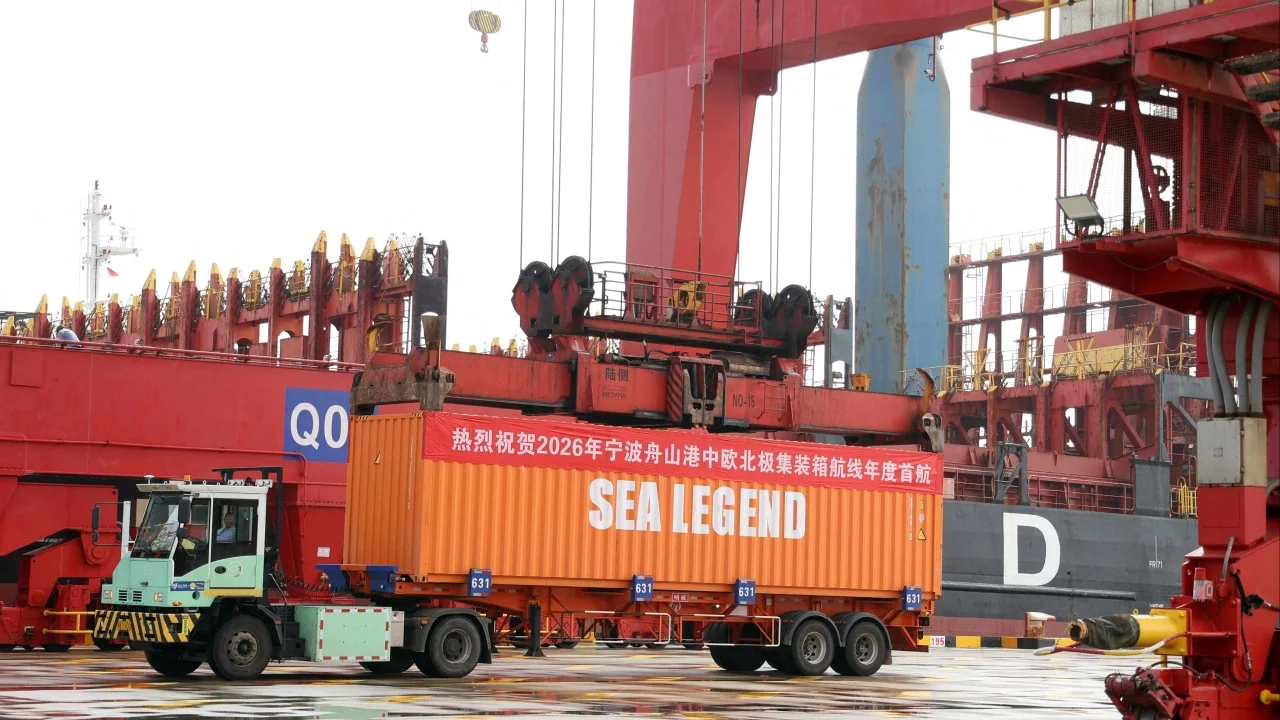
由于中东地区的冲突加剧了该地区航运的吸引力,中国已于今年8月开通了首条穿越极地地区的定期集装箱运输服务。随着气候变化使得北极地区全年均可通航,这些北方航线正在变得越来越可行。
China launched its first regular container shipping service through the polar zone in August, as conflicts in the Middle East added to the appeal of shipping in the region. Northern Arctic routes can cut transport times between Asia and Europe and are becoming more viable as climate change makes the area passable throughout the year.
北京大学国际政治经济中心主任王勇认为,布鲁塞尔应该更加积极地看待缩短通往亚洲的航运路线对欧洲带来的好处,而不是采取防御性态度。
Wang Yong, director of the Centre for International Political Economy at Peking University, said Brussels should be more constructive and less defensive about the benefits for Europe of a shorter passage to and from Asia.
“欧洲在探索北极航运路线方面做得远远不够;欧洲企业应该与中国合作,共同开发这些航运通道,”王勇说。
“Europe has done far too little to pioneer Arctic shipping routes and European enterprises should instead partner with China to jointly develop these corridors,” Wang said.
虽然多家欧洲航运公司出于环境和安全考虑公开表示不会使用北极航线,但欧盟的新政策表明了其对北极航运长期潜力的兴趣。布鲁塞尔计划开展一项关于北极航运的战略研究,不过相关讨论将仅限于“观点一致”的合作伙伴之间。
Although several major European shipping lines have publicly ruled out Arctic transit on environmental and safety grounds, the EU’s new policy signals an interest in their long-term potential – Brussels plans to produce a strategic foresight study on Arctic shipping, but discussion would be with “like-minded partners”.
该蓝图维持了对北极地区科学合作与环境协调的支持,但王毅警告称,向安全强化转向令人担忧,且不利于健康的全球治理。
The blueprint maintains support for scientific collaboration and environmental coordination in the Arctic, but Wang warned that the shift towards security reinforcement was concerning and detrimental to healthy global governance.
上海华东师范大学俄罗斯研究中心副主任、副教授徐光苗表达了类似担忧。
Xu Guangmiao, associate professor and deputy director of the Centre for Russian Studies at East China Normal University in Shanghai, had similar concerns.
她表示,中国在北极地区的活动十分有限,但“中俄北极军事化”这一论调仍主导着政策讨论。
She said China’s activities in the Arctic region were modest, yet the idea of “Sino-Russian militarisation of the Arctic” still dominated policy discussions.
徐光苗说:“如果将认知与现实混为一谈,我们就有过度安全化那些仍有合作空间领域的风险,并最终可能破坏各方声称寻求的稳定。”
“If we conflate perception with reality, we risk oversecuritising areas where cooperation remains possible, and we may ultimately undermine the very stability that all parties claim to seek,” Xu said.
她指出,布鲁塞尔试图将中国和俄罗斯捆绑为共同威胁,主要是为了强化北约的作战相关性,并巩固欧盟与美国的联系。
She noted that Brussels’ effort to bundle China and Russia into a joint threat was mainly a bid to reinforce Nato’s operational relevance and solidify the EU’s link with the United States.
这种担忧体现在欧盟提出的“泛北极光缆”项目中,这是一个旨在将格陵兰岛直接与欧洲连接、并计划延伸至加拿大和日本的海底光纤网络。
This concern is reflected in the EU’s proposed “Pan-Arctic cable” project, a subsea fibre-optic network designed to link Greenland directly to Europe, with planned extensions to Canada and Japan.
该计划凸显了布鲁塞尔对中俄美三国关系将如何演变的日益焦虑。徐光苗指出,欧洲担心其利益可能被边缘化,而俄罗斯的利益则可能因大国在俄乌停火问题上的协调而得到推进。
The plan highlights Brussels’ growing anxiety about how relations among China, Russia and the United States will evolve. Europe feared that its interests could be sidelined and Russia’s advanced by major-power coordination on a Russia-Ukraine ceasefire, Xu noted.
她说,通过将关键海底基础设施与加拿大和日本锚定在一起,欧盟旨在团结那些面临相似安全压力的国家。
By anchoring critical subsea infrastructure alongside Canada and Japan, the EU aimed to rally those countries with similar security pressures, she said.
在其更新后的战略中,欧盟将这一做法定位为“北部邻域”,呼吁成员国、北极伙伴及其他盟友(包括美国和北约)加强合作。
In its updated strategy, the EU anchors this approach as “Northern Neighbourhood”, calling for closer cooperation among member states, Arctic partners and other allies, including the US and Nato.
欧盟继续将美国列为其需要合作的关键邻国之一,并指出双方在北极地区拥有“长期合作”。
The EU continued to list the US among the key neighbours it needed to work with, noting that the two sides had “long-standing cooperation in the Arctic”.
政策文件强调其致力于跨大西洋接触,并补充称格陵兰、丹麦和美国签署的协议——该协议扩大了华盛顿在该北极岛屿的军事足迹——“加强了北极地区的共同安全”。
Emphasising its commitment to transatlantic engagement, the policy added that the agreement signed between Greenland, Denmark, and the US – which expanded Washington’s military footprint on the Arctic island – “strengthens [the] common security in the Arctic”.
然而,王毅警告称,布鲁塞尔仍固守依赖北约和华盛顿维护北极安全的传统思维——鉴于美国总统唐纳德·特朗普正在重新调整美国对欧战略并寻求与俄罗斯建立更紧密关系,这种指望可能会落空。
However, Wang warned that Brussels was clinging to a legacy mindset of relying on Nato and Washington for Arctic security – hopes that could fall short given US President Donald Trump’s recalibration of US strategy towards Europe and closer ties with Russia.