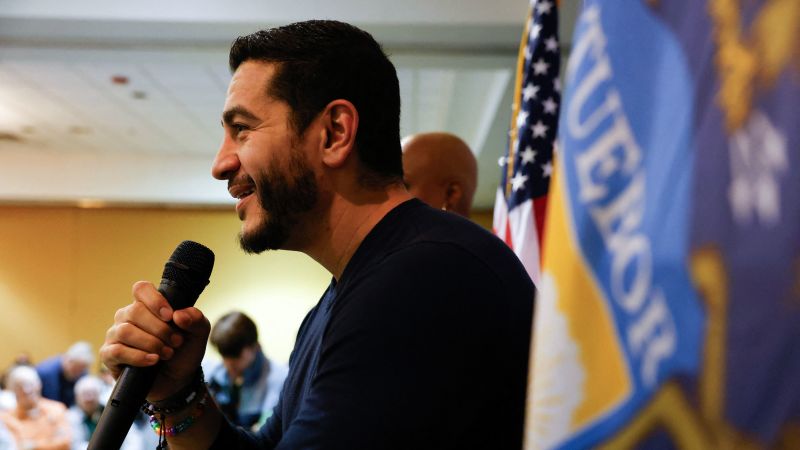
周末,在密歇根州卡罗市的一次市政厅活动上,一名观众向民主党参议员候选人阿卜杜勒·埃尔赛德问道:“你会否认与穆斯林兄弟会的关系吗?”那人坚称这是“一个简单的问题”。
At a town hall event in Caro, Michigan, over the weekend, a man in the audience asked Democratic Senate candidate Abdul El-Sayed, “Will you disavow the Muslim Brotherhood?”It was “a simple question,” the man insisted.
埃尔赛德立刻意识到这不只是那么简单。“当然。是的,绝对会,”他回答道,然后将问题抛回给那人:“你为什么要问这个问题?”一位出生于密歇根州的民主党候选人,为何会被问及穆斯林兄弟会这一跨国中东伊斯兰组织?在整个参议院竞选期间,包括总统唐纳德·特朗普和共和党候选人迈克·罗杰斯在内的共和党人,一直试图将埃尔赛德——这位埃及移民之子——与伊斯兰极端主义联系起来。
El-Sayed immediately recognized it as something more. “Sure. Yeah, absolutely,” he replied, then turned it back on the man: “Why are you asking the question?”Why was a Michigan-born Democratic nominee being asked about the Muslim Brotherhood, a transnational Middle Eastern Islamist organization? Throughout the Senate campaign, Republicans, including President Donald Trump and the GOP candidate, Mike Rogers, have sought to associate El-Sayed, the son of Egyptian immigrants, with Islamic extremism.
最近,他们指向他同父异母妹妹的旧社交媒体帖子,这些帖子被重新翻出,描述了他们的母亲——他在幼年时离开了他——在70年代曾活跃于该组织。
Most recently, they have pointed to old, resurfaced social media posts from his half-sister, describing how their mother — who left El-Sayed in his early childhood — had been active in the organization in the ’70s.
这种暗示虽然陈旧,却很常见。西方的穆斯林,尤其是9/11事件之后,反复被要求为世界各地其他穆斯林实施的暴力行为承担责任。
The implication was familiar, if tired. Muslims in the West, especially after 9/11, have been asked repeatedly to take responsibility for acts of violence carried out by other Muslims around the world.
但用词却很独特。当被问及恐怖主义时,穆斯林通常被要求“谴责”它。宗教学者、著有《被推定有罪:为什么我们不该要求穆斯林谴责恐怖主义》一书的托德·格林表示,这预设了一种基于关联的集体罪责。“你只需做出暗示,就会让穆斯林处于防御地位,”格林说。
But the word choice was distinctive. When Muslims are asked about terrorism, they are typically asked to “condemn” it. This presumes a certain collective guilt by association, said Todd Green, a religion scholar and author of “Presumed Guilty: Why We Shouldn’t Ask Muslims to Condemn Terrorism.”“You just have to make the insinuation, and it puts Muslims on the defensive,” Green said.
语言哲学家格蕾丝·帕特森表示,“否认”一词带来了一种微妙但重要的转变。一个人可以谴责某事,而不一定与之有任何具体联系。否认则暗示了更强烈的含义。
The word “disavow” makes a subtle, but important, shift, said Grace Paterson, a philosopher of language. A person may condemn something without necessarily having any specific ties to it. A disavowal suggests something stronger.
“否认这个问题所隐含的内容要多得多,”她说。“你可以谴责你刚刚得知的事情。而我认为,‘否认’带有这样的隐含内容:此人与这件事之间存在重大关联。”编者按:CNN的“每周一词”为你带来新闻中词语背后的含义。
“There’s a lot more implicit in the disavowal question,” she said. “You can condemn things you just learned about. Disavowal, I think, brings in this implicit content that there’s a significant connection between the person and the thing.”EDITOR’S NOTE: CNN’s “Word of the Week” brings you the meaning behind the words in the news.
“Disavow”(否认)源自古法语“désavouer”,是对意为“承认”的“avouer”一词的否定或反转。“Avow”(承认)源自拉丁语词根“advocāre”,意为承认某人是自己的人。
“Disavow” comes from the Old French “désavouer,” a negation or reversal of the word “avouer” meaning “avow.”“Avow,” from the Latin root “advocāre,” means to acknowledge a person as one’s own.
因此,要求某人“否认”某事,就是要求其拒绝此前的某种关联。这种关联通常被理解为是严肃的——例如,如果某人“否认”自己对一个不再喜欢的书系列的热爱,听起来会很奇怪。
To ask someone to “disavow” something, then, is to ask them to reject a previous affiliation. This affiliation is generally understood to be serious — for instance, it would sound odd for someone to “disavow” their fandom for a book series they no longer enjoy.
在政治中,“谴责”和“否认”是一套几乎可以互换、但并非完全可互换的词汇,用于谈论被认定为问题的事情,同类词还有“斥责”、“声讨”和“断绝关系”。
In politics, “condemn” and “disavow” are parts of an almost, but not quite, interchangeable lexicon for discussing something that has been deemed a problem, along with such words as “repudiate,” “denounce” and “disown.”
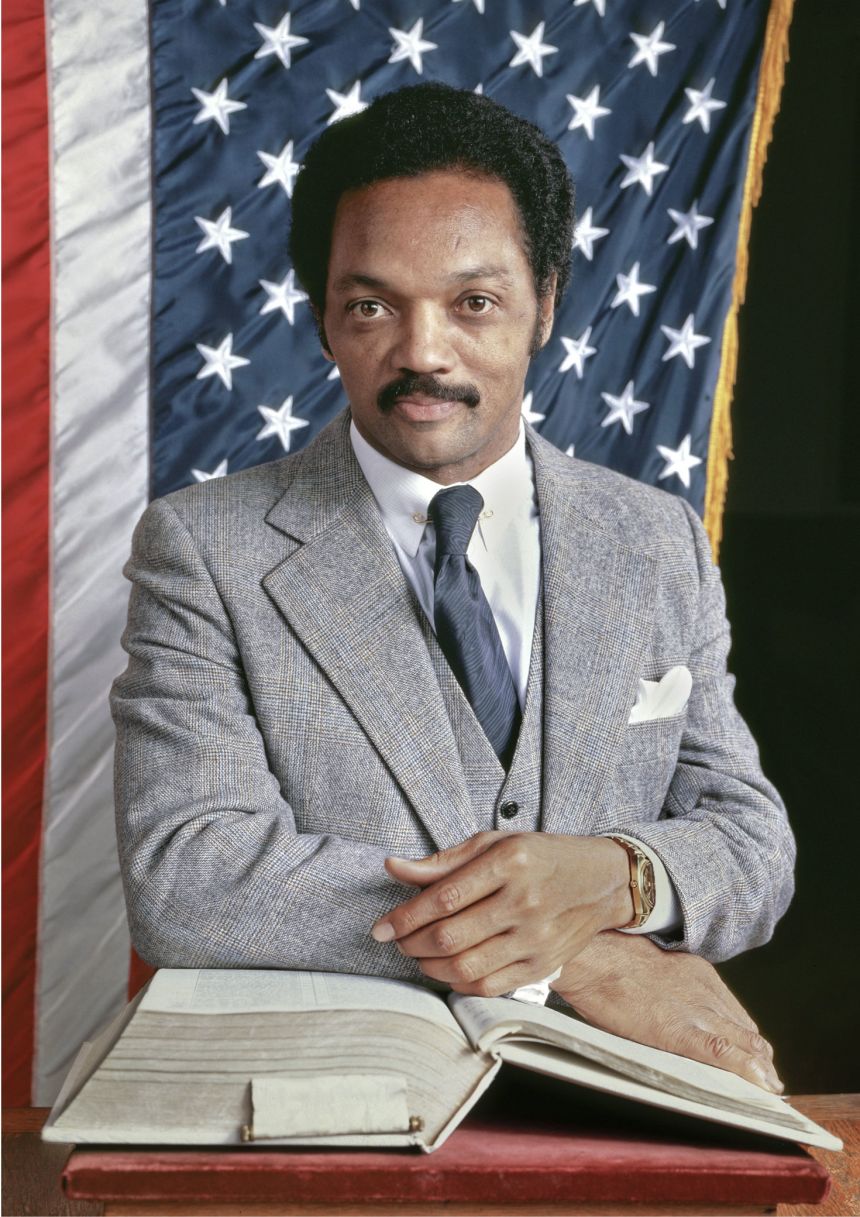
在杰西·杰克逊牧师1984年竞选总统期间,他与曾发表贬损犹太人言论的伊斯兰民族组织领袖路易斯·法拉汗的关联成为争议焦点。面对日益增大的回应压力,杰克逊竞选团队发表了一份声明:“我认为此类言论或评论应受谴责,在道德上站不住脚,”声明中写道。“我否认此类言论和想法。”媒体对该声明的定性说法不一,有时称为谴责,有时称为斥责,有时称为否认。
During the Rev. Jesse Jackson’s 1984 presidential run, his association with the Nation of Islam leader Louis Farrakhan, who had made derogatory comments about Jews, became a point of contention. Facing mounting pressure to respond, the Jackson campaign released a statement: “I find such statements or comments to be reprehensible and morally indefensible,” it read. “I disavow such comments and thoughts.”The statement was characterized in the press alternately as a denouncement, a repudiation and a disavowal.
在2008年总统竞选期间,巴拉克·奥巴马使用或被迫使用了一系列这类词语,以回应外界对其牧师杰里迈亚·赖特言论的强烈反应。
During the 2008 presidential campaign, Barack Obama used or was prompted to use a number of those words in response to the outcry over remarks made by his pastor, the Rev. Jeremiah Wright.
“我明确谴责任何贬损我们伟大国家或分裂我们与盟友的言论,”他在最初的一份声明中说。
“I categorically denounce any statement that disparages our great country or serves to divide us from our allies,” he said in an initial statement.
随着新闻热度持续不退,奥巴马试图区分这个人与他的言论。“我无法抛弃他,就像我无法抛弃黑人社区一样,”他在一次演讲中说。“我无法抛弃他,就像我无法抛弃我的白人祖母一样。”尽管奥巴马几个月后离开了该教会,但他拒绝了要求他谴责该教会的呼声:“我没有谴责教会,我也不想理会那些要求我谴责教会的人,”他在回答记者提问时说。
As the news cycle failed to die down, Obama tried to distinguish between the man and his remarks. “I can no more disown him than I can disown the Black community,” he said in a speech. “I can no more disown him than I can disown my white grandmother.”Though Obama left the church a few months later, he rejected calls that he denounce it: “I’m not denouncing the church, and I’m not interested in people who want me to denounce the church,” he said in response to a question from a reporter.
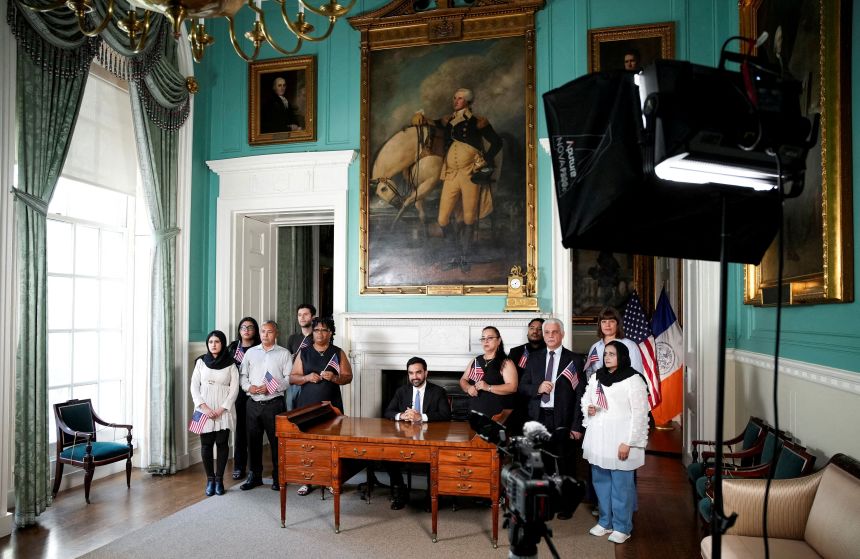
纽约市市长佐赫兰·马姆达尼在去年的市长选举中多次被要求谴责“全球化起义”这一短语,一些犹太选民担心抗议者使用该词具有威胁性或冒犯性。尽管他说自己不使用该语言,并会劝阻该短语的使用,但他多次拒绝表示自己谴责它。
New York City Mayor Zohran Mamdani was repeatedly asked during last year’s mayoral race to condemn the phrase “Globalize the Intifada,” over concerns from some Jewish constituents who considered its use by protesters threatening or offensive. Though he said he did not use the language himself and would discourage the phrase, he repeatedly declined to say he condemned it.
最终,记者克里斯汀·韦尔克问道:“为什么不直接谴责它呢?”马姆达尼回答说,他不认为市长的职责是管制言论。“我的担忧是,一旦开始划定语言界限,明确我认为哪些语言是允许的或不允许的,这会让我走上与总统相似的道路,总统正试图做那些事,因为有人写社论就把人关进监狱,因为有人抗议就把人关进监狱,”他说。
Eventually, journalist Kristen Welker asked, “Why not just condemn it?”Mamdani replied that he didn’t believe it was a mayor’s role to police speech. “My concern is to start to walk down the line of language and making clear what language I believe is permissible or impermissible takes me into a place similar to that of the president, who is looking to do those very kinds of things, putting people in jail for writing an op-ed, putting people in jail for protesting,” he said.
上个月,在哈桑·皮克(Hasan Piker)暗示美国犹太人对以色列的支持会加剧反犹太主义之后,曾与这位主播一同竞选数月的埃尔赛义德(El-Sayed)在一场辩论中被问及是否要“撇清”皮克的言论。“绝对要,”埃尔赛义德回应道,尽管他质疑了问题的前提。“我反对我们应该玩这种‘取消文化’的抓把戏,它告诉我们不能和谁交谈,而民主应该是尽可能多地与人交谈,以建立联盟。”
Last month, after Hasan Piker suggested that American Jews’ support of Israel would worsen antisemitism, El-Sayed, who spent months campaigning alongside the streamer, was asked in a debate if he would “disavow” Piker’s remarks. “Absolutely,” El-Sayed responded, though he challenged the premise of the question. “I resist the idea that we should play this cancel culture gotcha game that tells us who we can’t talk to, when democracy is about trying to build a coalition because you went out and talked to as many people as possible.”
但这个问题的前提是,埃尔赛义德曾与皮克共享过一个舞台。帕特森(Paterson)表示,像“你会撇清穆斯林兄弟会吗?”这样的问题具有阴险性,因为它不能仅用“是”或“否”来回答。如果埃尔赛义德仅仅给出肯定回答,就等于接受了隐含的指控:即他曾在某个时间点与穆斯林兄弟会有过某种联系,现在必须与之划清界限。
But that question was premised on the fact that El-Sayed had shared a stage with Piker. A question like “Will you disavow the Muslim Brotherhood?” is insidious, Paterson said, because it can’t be answered only by a yes or no. For El-Sayed to merely answer in the affirmative would be to accept the implicit charge: that he had, at some point in time, been tied to the Muslim Brotherhood in a way that he must now separate himself from.
在镇民厅交流中,当埃尔赛义德要求他的起哄者明确问题的依据时,提问者只是说穆斯林兄弟会是“一个恐怖组织”。在没有明确指控他与该话题存在关联的情况下,埃尔赛义德自己把线索连了起来。
During the town hall exchange, when El-Sayed pushed his heckler to state clearly the basis for his question, the questioner merely said that the Muslim Brotherhood was “a terrorist group.”Absent of a clear claim of a link between himself and the topic, El-Sayed connected the dots himself.
“你之所以问这个问题,是因为你隐含地认为我会有双重忠诚,”他说。
“You’re asking the question because implicitly you assume that I’ll have dual loyalties,” he said.
美国的少数群体长期以来一直面临着这样的质疑:他们是否真的能将对国家的责任置于其所谓的种族或宗教同情之上。正如埃尔赛义德周末所指出的,约翰·F·肯尼迪在竞选总统期间,也曾因其天主教信仰面临类似指控。犹太裔美国人也曾面临类似指控,二战期间的日裔美国人亦是如此。
Minorities in the US have long faced questions about whether they could truly place their duty to the country above their supposed ethnic or religious sympathies. As El-Sayed noted over the weekend, John F. Kennedy dealt with similar accusations related to his Catholic faith during his presidential run. Jewish Americans contended with similar charges, as did Japanese Americans during World War II.
尽管这种提问本身带有偏见,多年来许多穆斯林仍试图以善意回应,通过专栏文章、公开声明和“不以我的名义”运动宣称,他们不纵容杀害无辜者的行为。
Despite the bigotry inherent in the asking, many Muslims over the years have tried to respond in good faith, declaring through op-eds, public statements and “not in my name” campaigns that they do not condone the killing of innocents.
帕特森说,要求候选人表态反对某人或某事,有时可以有更明确的理由。当前三K党大巫师戴维·杜克在唐纳德·特朗普首次竞选总统期间为其背书时,一名彭博社记者问特朗普是否会谴责杜克。“当然,如果这能让你感觉好一点,我会这么做,”他在2015年8月回答说。
There can be clearer grounds for asking a candidate to speak against someone or something, Paterson said. When the former Ku Klux Klan grand wizard David Duke endorsed Donald Trump during his first presidential campaign, a Bloomberg reporter asked Trump if he would repudiate Duke. “Sure, I would do that, if it made you feel better,” he replied in August 2015.
在2016年2月的一次新闻发布会上再次被问及杜克的支持时,特朗普说:“我甚至不知道他为我背书了。戴维·杜克为我背书了?好吧,行吧。我与他划清界限,行吗?”
Asked about Duke’s support again at a news conference in February 2016, Trump said: “I didn’t even know he endorsed me. David Duke endorsed me? Okay, all right. I disavow, okay?”
当时争夺共和党提名的竞争对手特德·克鲁兹和马尔科·鲁比奥等人认为特朗普的切割不够彻底。“你比这更好,”克鲁兹当时在一条针对特朗普的推文中写道。“我们都应该同意,种族主义是错误的,三K党是可憎的。”
Ted Cruz and Marco Rubio, then rival candidates for the Republican nomination, were among those who considered Trump’s disavowal insufficient. “you’re better than this,” Cruz wrote at the time in a tweet directed at Trump. “We should all agree, racism is wrong, KKK is abhorrent.”
鲁比奥发推说:“我们不能成为一个提名那种拒绝谴责白人至上主义者和三K党的人的政党。”随着记者和他的对手继续就这一问题向他施压,特朗普发表了更为强硬的切割声明。
Rubio tweeted, “We cannot be a party that nominates someone who refuses to condemn white supremacists and the Ku Klux Klan.”As journalists and his rivals continued to press him on the issue, Trump issued a more forceful disavowal.
“戴维·杜克是个坏人,这些年来我多次与他划清界限,”他在2016年3月对MSNBC说。他还说:“我与他划清了界限。我与三K党划清了界限。你想让我第12次再做一遍吗?我过去与他划清了界限,我现在与他划清界限。”当埃尔-赛义德被要求“切割”穆斯林兄弟会时,提问的人似乎对他的回答并不特别感兴趣。其中包括克鲁兹,他一直坚持认为埃尔-赛义德与该组织有关联。
“David Duke is a bad person, who I disavowed on numerous occasions over the years,” he said on MSNBC in March 2016. He added, “I disavowed him. I disavowed the KKK. Do you want me to do it again for the 12th time? I disavowed him in the past, I disavow him now.”When El-Sayed is asked to “disavow” the Muslim Brotherhood, those asking the question don’t seem particularly interested in his answer. Among them is Cruz, who has kept insisting that El-Sayed is connected to the group.
社会政策与理解研究所研究主任萨赫尔·塞洛德说,她认为这是共和党人的一种竞选策略,目的是让选民将埃尔-赛义德与伊斯兰极端主义联系在一起。
Saher Selod, director of research at the Institute for Social Policy and Understanding, said she saw it as a campaign strategy by Republicans to associate El-Sayed with Islamic extremism in the minds of voters.
“这一切的目的,就是要让他与美国认定为恐怖组织的团体联系起来,”她说。“这是在美国做穆斯林的不幸之处。”格林补充说,记者和普通公众似乎也开始认识到这类问题的目的了。她表示,如果要求像埃尔赛德这样的人“摒弃”某事,比要求他们“谴责”某事带有更强的指控意味,但这也让问题的含义更加明确。
“The whole purpose of this is to have him associated with groups that are deemed as terrorist organizations in the United States,” she said. “This is the unfortunate part of what it’s like to be Muslim in the United States.”Journalists and the general public seem to now recognize the purpose of such questions as well, Green added. If asking someone like El-Sayed to “disavow” something carries a stronger charge than asking them to “condemn” it, he said it also makes the implications of the question more clear.
“他非常娴熟、迅速地将问题抛回给提问者,”格林说。“突然间,对话和谈话基本上变成了关于偏见、伊斯兰恐惧症,以及对民主的威胁是否来自穆斯林以外的其他来源。”
“He very adeptly, quickly turned the question back on the questioner,” Green said. “And all of a sudden, the dialogue and the conversation became about basically prejudice, Islamophobia, and whether the threat to democracy is coming from another source other than Muslims.”