华盛顿即将迎来换届。不到两周后,选民将选出预计本世纪规模最大的新人议员班底之一,这也可能是最年轻的一届。根据我领导的组织“未来核心小组”发布的最新分析报告《崛起》,首次有超过三分之一报名竞选国会的候选人属于千禧一代或Z世代。2022年这一比例为六分之一。千禧一代现在在参议院竞选中人数超过所有其他世代。
Turnover is coming to Washington. In less than two weeks, voters will elect what is expected to be one of the largest freshman classes of the century. It could also be one of the youngest. For the first time, more than one-third of the candidates who filed to run for Congress are millennials or members of Gen Z, according to On the Rise, a new analysis from Future Caucus, the organization I lead. In 2022, it was one in six. Millennials now outnumber every other generation in Senate races.
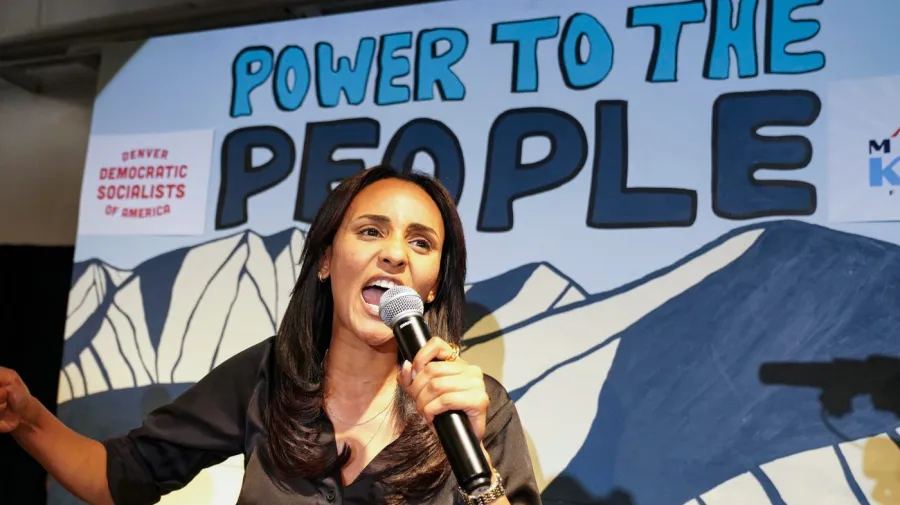
年轻候选人激增并非谜团。只有约10%至15%的美国人认可国会表现,而所有党派约八成选民支持对国会议员设定年龄限制。今年有11位现任议员在初选中落败,其中六人败给了更年轻的挑战者,其中三人年龄在35岁以下——例如29岁的梅拉特·基罗斯击败了科罗拉多州连任15届的众议员戴安娜·德盖特。年轻美国人不再只是在场边要求变革——他们正自愿投身其中创造变革。
This surge of younger candidates is no mystery. Only about 10 to 15 percent of Americans approve of Congress, and roughly eight in 10 people of all parties support age limits for its members. Of the 11 incumbents who lost their primaries this year, six were defeated by younger challengers, three of whom were under 35 years old — for example, 29-year-old Melat Kiros, who defeated 15-term Rep. Diana DeGette of Colorado. Young Americans aren't just demanding change from the sidelines — they're volunteering to create it themselves.
一位千禧一代州议员告诉我:“我很愤怒。所以我决定不再光生气,而是去竞选当选。”不过,参选不等于当选。候选人越年轻,越难走到大选日。我们的研究发现,只有21%的Z世代候选人和30%的千禧一代候选人进入了大选选票,而X世代为41%,婴儿潮一代为45%。在参议院竞选中,这种脱节更为陡峭。一个可能的解释?
As one millennial state legislator told me, “I got mad. So instead of continuing to get angry, I decided to get elected.”Running, though, is not the same as winning. The younger the candidate, the less likely they are to reach Election Day. Our research found that just 21 percent of Gen Z candidates and 30 percent of millennials made the general election ballot, compared with 41 percent of Gen Xers and 45 percent of baby boomers. In Senate races, the drop-off is steeper still. One possible explanation?
新一代正在考验党派界限。正如Z世代选民日益增长的独立性所反映的,Z世代候选人最有可能在两大主要政党之外参选。六分之一以第三党或无党派身份报名,其中大多数为独立人士。虽然这可能暂时影响了候选人的胜算,但想要下一代人才的政党应将其视为一个警示。
The new generation is testing party lines. Mirroring the growing independence of Gen Z voters, Gen Z candidates are the most likely to run outside the two major parties. One in six filed as a third-party or unaffiliated candidate, most of them as independents. While it may be impacting candidates’ chances for now, parties that want the next generation's talent should read that as a warning.
通往选票最可靠的途径是通过州议会,但极少有年轻候选人走这条路。今年竞选国会的现任和前任州议员中,约三分之二进入了大选,而从未任职者仅约三分之一。然而,只有9%的千禧一代候选人和不足2%的Z世代候选人拥有这种经历。这种优势比以往任何时候都更重要。经过本世纪中叶的重新划分选区,整整85%的众议院选区被评为对某一党派安全。
The surest path to the ballot runs through the statehouse, but very few young candidates are taking it. About two in three current and former state legislators who ran for Congress this year made it to the general election, compared with about one in three of those who have never served. Yet only 9 percent of millennial candidates and fewer than 2 percent of Gen Z candidates have that experience. That edge matters more than ever. After mid-decade redistricting, a full 85 percent of House races are rated safe for one party.
这意味着在大多数选区,初选才是真正的较量,懂得如何应对提交截止日期、请愿签名和地方联盟至关重要。这在选举日后也同样重要。当今近半数国会议员起步于州议会,在那里他们学会起草法案、计算票数并与看法不同的人合作。有效立法中心发现,州“未来核心小组”——年轻议员组成的两党小组——成员推进立法的效率比其他州同类议员高出24%。
That means in most districts, the primary is the real contest, and knowing how to navigate filing deadlines, petition signatures and local coalitions counts. It matters after Election Day, too. Nearly half of today's Congress started in a statehouse, where lawmakers learn to write a bill, count votes and work with people who see the world differently. The Center for Effective Lawmaking found that members of state Future Caucuses — bipartisan groups of young legislators — are 24 percent more effective at advancing legislation than comparable lawmakers in other states.
在州一级任职不仅能帮助有志竞选国会的候选人获胜,还能帮助他们治理。我知道“先在州议会任职”听起来很像“等你的机会”,但并非如此。大多数州议员是兼职,保留本职工作,靠敲门拉票获胜。这离华盛顿建制派的选举职位远得多。但即便如此,更年轻的候选人群体也不会自动变得更具代表性。如今国会候选人中,男性比女性多约三比一。
Not only can serving at the state level help aspiring congressional candidates win, it can also help them govern. I know "serve in your statehouse first" can sound a lot like "wait your turn," but it isn't. Most state legislators serve part time, keep their day jobs and win by knocking on doors. It is about as far from the Washington establishment as elected office gets. But still, a younger candidate pool isn't automatically a more representative one. Men outnumber women about three to one among congressional candidates today.
在Z世代候选人中,男性超过五分之四——这是所有代际中差距最大的。即使在有州议会经验的挑战者中,男性也比女性多近三比一。我们不能假设代际更替会自动解决这个问题。
Among Gen Z, more than four in five candidates are men — the widest gap of any generation. Even among challengers with state legislative experience, men outnumber women nearly three to one. We can't assume generational change will fix this on its own.
我们对州议员离职原因的研究表明,那些阻碍人们最初参选的因素同样在起作用,比如对家人安全的威胁、薪酬过低、工作人员配备不足,以及让解决问题变得更难的党派之争。这些因素对女性的冲击最大,而它们全部都是可以解决的。我们的政党应该招募年轻人,尤其是年轻女性,进入市议会、教育委员会和州议会——不仅因为地方政治依然至关重要,还因为这些职位是通往一个高效运作的国会最可靠的途径。
Our research on why state lawmakers leave office points to forces that also keep people from running in the first place, like threats to their families' safety, low pay, thin staff support and partisanship that makes problem-solving harder. Those forces fall hardest on women, and all of them are fixable. Our political parties should recruit young people, especially young women, for city councils, school boards and statehouses — not just because local politics still matters deeply, but also because these offices are the surest route to a Congress that works.
我们应该给州议员足够的薪酬,以确保从政不再只是那些负担得起的人的专利。我们必须把针对公职人员的威胁当作它们本质上是的犯罪来对待。无论十一月谁获胜,后备力量雄厚,且充满年轻活力。让我们确保这支队伍做好准备,到位履职。莱拉·扎伊丹是“未来核心小组”的总裁兼首席执行官,该组织是一个面向Z世代和千禧一代议员的非党派组织。
We should pay state legislators enough to ensure that service isn't reserved only for those who can afford it. We must treat threats against public officials as the crimes they are. Whoever wins in November, the bench is deep, and it is young. Let's make sure it arrives ready to govern. Layla Zaidane is president and CEO of Future Caucus, a nonpartisan organization for Gen Z and millennial lawmakers.