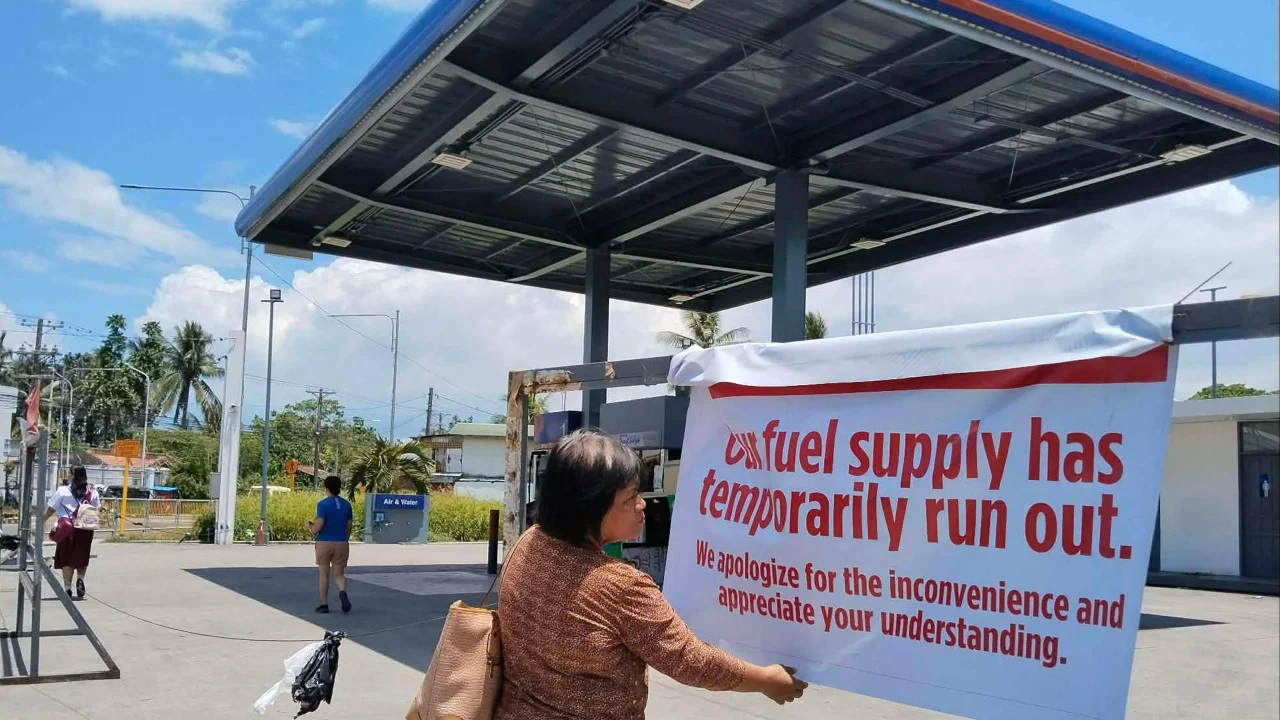
菲律宾正转向美国建设石油储备,以应对全球能源紧张,观察人士称此举也可能服务于华盛顿的军事利益并深化战略关系。
The Philippines is turning to the United States to build its oil stockpile amid the global energy crunch, with observers saying the move could also serve Washington’s military interests and deepen strategic ties.
分析人士表示,双边协议可能比更广泛的东盟储备更能带来即时利益,因为后者需要克服协调障碍,但仍存在马尼拉能多快建立此类储备以及是否能显著降低对进口化石燃料长期依赖的疑问。
A bilateral deal could deliver more immediate benefits than a broader Asean stockpile, which would entail coordination hurdles, analysts said, but questions remain over how quickly Manila could establish such a reserve and whether it would meaningfully reduce long-term dependence on imported fossil fuels.
菲律宾能源部部长莎朗·加林于10月15日在华盛顿会见美国能源部部长克里斯·赖特,讨论合作事宜。她的部门在声明中表示,谈判旨在“探索扩大双边合作,以加强菲律宾能源安全、多元化能源供应并推进本土资源开发”。
The Philippines’ Department of Energy Secretary Sharon Garin met her US counterpart, Chris Wright, in Washington on October 15 to discuss cooperation. Her department said in a statement the talks intended “to explore expanded bilateral cooperation aimed at strengthening the Philippines’ energy security, diversifying energy supply and advancing the development of indigenous resources”.
作为净石油进口国,菲律宾是受全球能源危机冲击最严重的东南亚国家之一。政府数据显示,其95%以上的原油来自中东。
As a net oil importer, the Philippines is among the Southeast Asian nations hardest hit by the global energy crisis. Over 95 per cent of its crude oil is imported from the Middle East, according to government data.
加林表示,马尼拉的首要任务是确保“为菲律宾家庭和企业提供安全、可靠且负担得起的能源供应”。菲律宾目前没有政府拥有的战略石油储备,计划在2027年或2028年前建成。
Garin said Manila’s priority was to ensure “a secure, reliable and affordable energy supply for Filipino families and businesses”. The Philippines currently has no government-owned strategic petroleum reserve and plans to build one by 2027 or 2028.
驻马尼拉的经济学家兼研究顾问约翰·保罗·弗拉米尼亚诺称,成功的协议将提供“对严峻油价波动和海上中断的对冲”。
John Paul Flaminiano, a Manila-based economist and research consultant, said a successful agreement would offer “hedging against severe oil price fluctuations and maritime disruptions”.
弗拉米尼亚诺说:“美国是最大的原油生产国,在全球石油市场拥有重要影响力。菲律宾已经与美国拥有深厚的双边关系,甚至比其一些东盟邻国更为紧密。”
“The US is the largest producer of crude oil and has significant influence in the global oil market. The Philippines already has deep bilateral ties with the US, even more so than some of its Asean neighbours,” Flaminiano said, referring to the 11-member Association of Southeast Asian Nations.
“因此,尽管区域合作是理想选择,但能够产生近期效益、立即应对供应冲击的机制仍在建立之中。”他补充道,此类协议将强化菲律宾与美国的双边关系,同时“也可期待来自共享技术专长改善的积极溢出效应”。
“So although regional cooperation is ideal, the mechanisms to yield near-term benefits that can immediately address supply shocks are still being established.”Such a deal would reinforce bilateral ties between the Philippines and the US, while “positive spillover effects can also be expected from improved, shared technical expertise”, he added.
总部设在马尼拉的FACTS Asia防务与安全分析师圣地亚哥·卡斯蒂略表示,燃料储备协议也将增强美国在菲律宾的存在。
The American presence in the Philippines would also be strengthened by a fuel stockpile deal, said Santiago Castillo, a Manila-based defence and security analyst at FACTS Asia.
卡斯蒂略说,美国可协助建设和设立可靠的燃料储存与分配设施,并协助燃料炼制。
The US could help construct and set up reliable fuel storage and distribution facilities, as well as help with fuel refining, Castillo said.
他补充称,这种安排有望为双方带来显著利益。“对菲律宾而言,额外的石油储备可减轻因中东持续冲突导致的从中东进口燃料供应的冲击。对美国而言,额外的可用燃料供应可提升其驻扎或在菲律宾行动的部队的持续作战能力。”卡斯蒂略表示,由于双边关系的性质,与美国达成石油储备协议将需要较少的磋商与协调。
This arrangement was likely to yield significant benefits for both sides, he added. “For the Philippines, additional stocks of petroleum can lessen the shocks of fuel supply imported from the Middle East due to ongoing conflicts there. For the US, additional available fuel supplies improve the sustainment capacity for its forces that are stationed or operating in the country.”A petroleum stockpile deal with the US would require less consultation and coordination due to the bilateral nature of the relationship, Castillo said.
他补充道:“它们正式的同盟机制进一步证明了为共同利益建立更深层战略和经济伙伴关系的正当性。此外,美国出于战略目的保有燃料盈余储备。”
“Their formal alliance mechanisms further justify deeper strategic and economic partnerships for their mutual benefit. In addition, the US has a surplus of fuel stocks that it keeps for strategic purposes,” he added.
观察人士指出,双边储备安排也注定会比在其他东盟成员间建立区域机制的努力表现更好。
A bilateral stockpiling arrangement was also bound to fare better than efforts to establish a regional mechanism among other Asean members, observers noted.
卡斯蒂略表示:“对东盟而言,解决燃料储备问题会更复杂,因为并非所有东盟成员国都生产足够的石油——甚至无法生产石油——以便在成员国间相互提供。”他补充称,虽然马来西亚、印度尼西亚、文莱和泰国是该地区的主要产油国,但其主要关注点在于国内消费。
“For Asean, it would be more complicated in addressing fuel stockpiles since not all Asean member states produce enough – or are even unable to produce – petroleum to provide among themselves,” Castillo said, adding that while Malaysia, Indonesia, Brunei and Thailand were the region’s main producers, their main focus was on local consumption.
卡斯蒂略补充说,华盛顿愿意提供给马尼拉的部分支持,取决于敦促其伙伴协助巩固经济安全,同时表明华盛顿仍是一个可靠的伙伴。
Castillo added that part of the support Washington was willing to provide Manila hinged on urging its partner to help shore up economic security, while signalling that Washington remained a reliable partner.
他说:“尽管如此,这也伴随着一种不安的背景,因为世界正在注视美国总统特朗普的表现,这种表现考验着盟友和对手的决心。”
“Nevertheless, this also comes with a background of unease as the world watches how US President Trump conducts himself in a manner that tests the resolve of both allies and adversaries,” he said.
马尼拉智库国际发展与安全合作组织总裁兼首席执行官切斯特·卡巴尔萨指出,菲律宾的战略位置是其与华盛顿加强合作的关键优势。
Chester Cabalza, president and CEO of the Manila-based think tank International Development and Security Cooperation, pointed to the Philippines’ strategic location as a key advantage for closer cooperation with Washington.
卡巴尔萨说:“地缘经济生存之战在于战略石油储备。霍尔木兹海峡的速成课程重新定义了大国的海军和基调行动,因为华盛顿在印太地区启动了更清晰的大战略。”他补充说,该国从巴拉望到苏禄拥有未开发的能源资源,这可能为国家能源安全带来光明前景。
“The battle of geoeconomic survival lies in strategic petroleum reserves. The crash course lesson in the Strait of Hormuz redefined the naval and tonal movements of major powers as Washington initiates a clearer grand strategy in the Indo-Pacific,” Cabalza said, adding that the country had untapped energy sources from Palawan to Sulu that could offer bright promise for national energy security.
但卡斯蒂略说,马尼拉能多快从美国支持的储备中受益仍不确定,因为该国只有一家炼油厂。
But how quickly Manila could benefit from a US-backed stockpile remained uncertain, given that the country only had a single refinery, Castillo said.
卡斯蒂略说:“短期内,菲律宾可以利用其丰富的液化天然气储量,为当地消费者在某些产品和服务上的能源需求提供保障,同时努力减少石油消费。”他补充说,从长远来看,应大力推动并提供激励措施,鼓励替代能源和可再生能源的使用,以减少家庭对化石燃料的依赖。
“In the short term, the Philippines could harness its rich deposits of liquefied natural gas to provide for the energy needs of local consumers on certain products and services while trying to mitigate the consumption of petroleum,” Castillo said. In the long run, he added, there should be a strong push and incentives for alternative and renewable energy use to lessen household dependence on fossil fuels.
他还表示,这也应刺激对新兴技术的探索,例如微电网,这可以为菲律宾各地离网或偏远地区提供急需的能源安全。
It should also spur the exploration of emerging technologies, such as microgrids, which could provide much-needed energy security to off-grid or remote areas across the Philippines, he added.
弗拉米尼亚诺持有类似观点,并补充说,任何储备努力都应致力于逐步减少对化石燃料的依赖,同时向更可持续的能源来源过渡。
Flaminiano shared similar views, adding that any stockpiling effort should work towards gradually decreasing dependence on fossil fuels while transitioning towards more sustainable sources of energy.
他表示:“这可以通过增加投资、解决结构性和监管瓶颈以及通过伙伴关系加强技术能力来实现。”
“This can be achieved by increasing investment, addressing structural and regulatory bottlenecks and strengthening technical capabilities through partnerships,” he said.