特朗普总统曾称“关税”是字典里最美的词。不知怎么,他却让它成了政治中最令人厌恶的词之一。
President Trump once called “tariff” the most beautiful word in the dictionary. He has somehow made it one of the most hated words in politics.
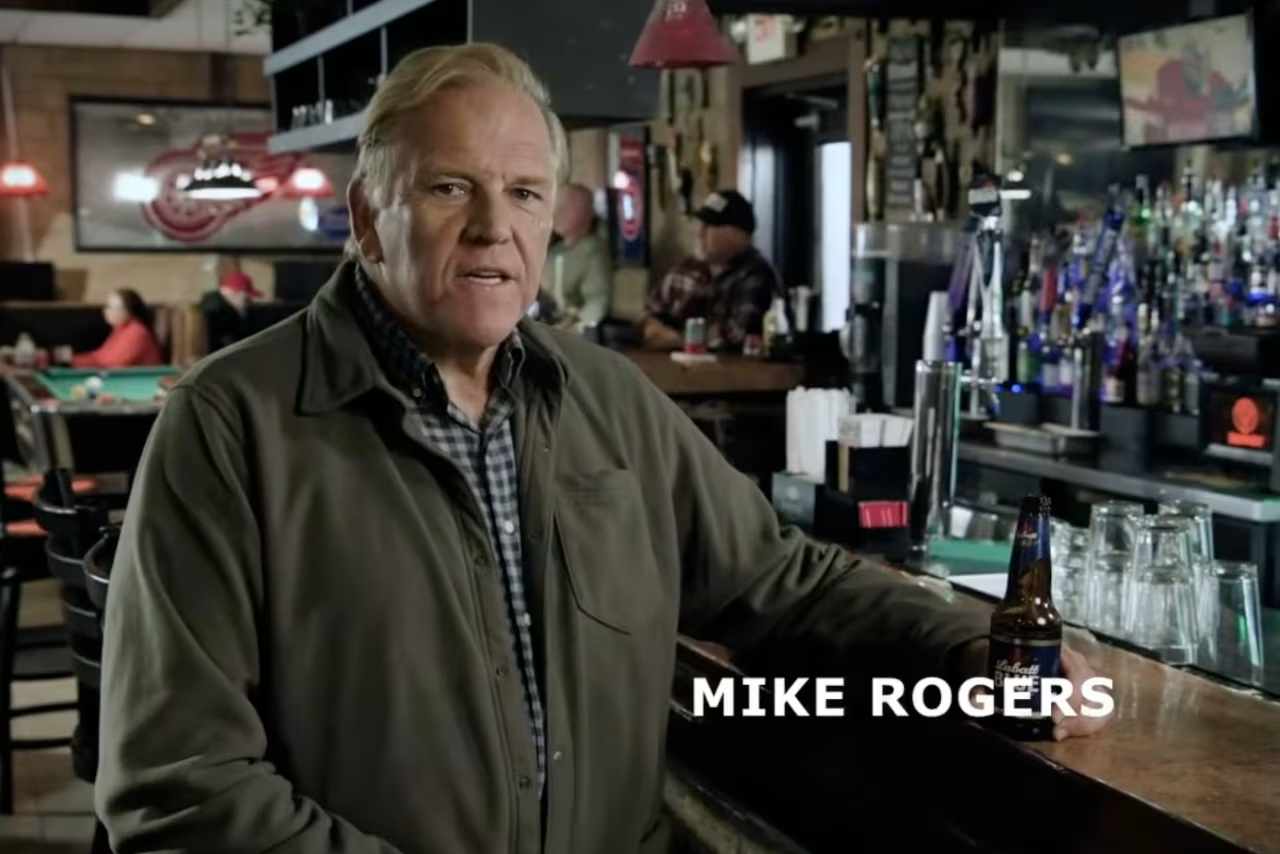
在中期选举广告中,民主党人反复抨击关税。相比之下,共和党人基本保持沉默。一个例外是:密歇根州参议员候选人迈克·罗杰斯呼吁“立即结束这场关税战”,同时手握一瓶加拿大品牌啤酒——该品牌如今已卷入特朗普的贸易战。
In their midterm ads, Democrats repeatedly bash tariffs. Republicans, by contrast, are largely silent. One exception: Michigan Senate candidate Mike Rogers who calls to “end this tariff war now,” while gripping a Canadian-brand beer, now caught up in Trump’s trade war.
关税的丑化不仅威胁共和党的中期选举前景,也威胁特朗普自己的政治遗产。在第一任期,他成功将政治共识从自由贸易推向了别处。重返白宫后,本可通过将关税植入美国税收与贸易政策,把这一方向推得更远。现在这看起来不太可能了,尤其是如果民主党赢得参众两院中任何一院或两院的控制权。
The uglification of tariffs threatens not just Republicans’ midterm chances, but Trump’s own legacy. In his first term, he succeeded in shifting the political consensus away from free trade. Upon his return, he could have gone even further by entrenching tariffs in American tax and trade policy. That now looks less likely, especially if Democrats win one or both chambers of Congress.
这本不该发生。即使是绝大多数反对保护主义的经济学家,也早就承认其政治吸引力。获益集中且显性,成本分散且隐性。
This wasn’t supposed to happen. Even economists, who overwhelmingly deplore protectionism, have long recognized its political appeal. The benefits are concentrated and visible, the costs diffuse and invisible.
确实,在特朗普重返椭圆办公室前,这一假设似乎仍然成立。由于调查提问方式不同,跨调查比较比较复杂,但大选前的民调通常显示,选民对关税持中立、略微正面或略微负面态度。2024年8月《华尔街日报》一项民调显示,赞成率以47%对40%领先于反对率。
And indeed, before Trump returned to office, that presumption still seemed valid. Comparisons across surveys are complicated by differing questions, but pre-election polls typically showed voters either neutral, slightly positive, or slightly negative on tariffs. In an August 2024 Wall Street Journal poll, approval beat disapproval, 47% to 40%.
局势在特朗普入主白宫后发生变化。他对中国、加拿大和墨西哥加征关税,随后于2025年4月对几乎所有国家加征关税。舆论转为负面,且今年以来愈发负面。最引人注目的是本应从关税保护中获益的工人群体态度的转变。Echelon Insights与经济创新集团的一项民调发现,自认属于蓝领的受访者,从2025年8月净赞成3%,转为上月净反对22%。
That changed once Trump entered office. He slapped levies on China, Canada and Mexico, and then, in April 2025, on almost everyone. Opinion turned negative, and has become more so this year. Most striking is the shift among the workers targeted to benefit from tariff protection. A poll by Echelon Insights and Economic Innovation Group found those identifying as blue collar went from net 3% approval in August 2025, to net 22% disapproval last month.
发生了什么?特朗普的贸易议程与公众的生活成本议程发生碰撞,贸易议程落败了。根据 Echelon 的数据,公众指责关税加剧通胀,甚至比指责与伊朗的战争还要多。
What happened? Trump’s trade agenda collided with the public’s cost of living agenda, and trade lost. The public blames tariffs even more than the war with Iran for worsening inflation, according to Echelon.
民主党不必沾沾自喜:完全相同的事情也发生在他们的气候议程上。减少碳排放是乔·拜登总统任期的核心;他的标志性法案《通胀削减法案》向可再生能源注资,他的监管机构以多种方式试图遏制石油和天然气。
Democrats shouldn’t be smug: exactly the same thing happened to their climate agenda. Reducing carbon emissions was core to Joe Biden’s presidency; his signature Inflation Reduction Act poured money into renewables, and his regulators sought in multiple ways to curb oil and gas.
但随着疫情后能源价格飙升、拜登的刺激计划出台以及俄罗斯全面入侵乌克兰,对气候的关注退居次要地位,而对通胀的焦虑却升温了。在公众心目中,拜登的开支与通胀牢牢挂钩。特朗普试图利用这一点,攻击拜登的“绿色新骗局”,并大力推崇化石燃料。
But as energy prices shot up in the wake of the pandemic, Biden’s stimulus and Russia’s full-scale invasion of Ukraine, concern about climate receded while anxiety about inflation flared. Biden’s spending became indelibly linked to inflation in the public’s mind. Trump sought to capitalize by attacking Biden’s “Green New Scam” and touting fossil fuels.
气候专项政策(而非拜登更广泛的刺激计划)与实际通胀之间的联系很弱。关税与通胀之间的联系稍强一些,但肉眼几乎难以察觉。自特朗普上任以来,新车价格几乎没有上涨,因为制造商吞下了高达 25% 的进口车关税。发现关税推高价格的研究,往往是将关税与一个反事实情景相比——在该情景下价格本应下跌。
The link between climate-specific policies (as opposed to Biden’s broader stimulus) and actual inflation was weak. The link between tariffs and inflation is a little stronger but hardly obvious to the naked eye. New car prices have barely risen since Trump took office because manufacturers are swallowing tariffs of up to 25% on imported vehicles. Studies that find tariffs added to prices often compare them to a counterfactual in which prices ought to have fallen.
因此,关税之所以在政治上变得有毒,与其实际影响关系不大,主要取决于关税是如何、在何时实施的。卡托研究所批评关税的斯科特·林西科姆表示:“特朗普‘在对价格极度敏感的时期实施了推高价格的政策’。”
So tariffs became politically toxic less because of their actual effect than how, and when, they were imposed. Trump “enacted a price-hiking policy in a time of severe sensitivity over prices,” said Scott Lincicome, a critic of the tariffs at the Cato Institute.
根据宪法,国会拥有关税权力,并将其在特定情况下授予总统。如果特朗普请求国会有选择地提高关税——例如针对中国或特别敏感的行业——两党可能都会同意。
Under the constitution, Congress has authority over tariffs, which it delegates to the president in specific circumstances. Had Trump asked Congress to raise tariffs selectively, such as on China or on particularly sensitive industries, both parties might have gone along.
相反,他随心所欲地对对手和盟友加征和取消关税,往往是为了满足个人的一时兴起,至少招致了法院的一次引人注目的谴责。林西科姆表示,这些举动还使关税高度个人化,导致民主党人和独立人士对关税的反对幅度远大于特朗普第一个任期时。
Instead, he imposed and removed tariffs at will on adversaries and allies alike often in the service of some personal whimsy, drawing at least one prominent rebuke from the courts. Lincicome said those actions also deeply personalized tariffs, turning Democrats and independents against them by much larger margins than in Trump’s first term.
《华尔街日报》对AdImpact数据的分析显示,在2018年和2020年的选举中,尽管民主党广告很少提及关税或保护主义,但往往以正面方式提及。在这次中期选举中,他们反复提及关税,而且总是负面的。
In the 2018 and 2020 elections, though Democratic ads rarely mentioned tariffs or protectionism, they often did so positively, according to a Wall Street Journal analysis of AdImpact data. During this midterm, they mention tariffs repeatedly, and always negatively.
如果民主党下个月赢得国会控制权,或两年后赢得白宫,这些变化的政局将影响民主党的策略。民主党人已多次投票废除关税或限制特朗普的关税权力,但无法克服共和党人的反对。
These shifting politics will shape Democrats’ strategy should they win control of Congress next month, or the White House in two years. Democrats have repeatedly voted to repeal tariffs or curb Trump’s tariff powers, but couldn’t overcome opposition by Republicans.
“我们应该废除关税,把(特朗普)任人唯亲的产业政策扔进历史的脚注,”正在马萨诸塞州竞选连任的温和派民主党人杰克·奥金克洛斯说。“与自由的人民拥抱自由贸易,”他说,意指与盟友、而非与中国或俄罗斯。
“We should repeal the tariffs and banish [Trump’s] cronyist industrial policy to the footnotes of history,” said Jake Auchincloss, a moderate Democrat running for re-election in Massachusetts. “Embrace free trade with free people,” he said, meaning with allies but not China or Russia.
众议院民主党领袖哈基姆·杰弗里斯有望在民主党赢得众议院控制权后成为议长,他表示民主党将废除关税。但他没有说明将废除哪些关税,或如何废除。特朗普很可能否决任何限制其权力的法案。
House Democratic Leader Hakeem Jeffries, in line to become speaker should Democrats win control of the chamber, has said his party would repeal tariffs. But he hasn’t said which tariffs, or how they would be repealed. Trump can likely veto any bill that circumscribes his authority.
【视频】特朗普如何在一年内改写全球贸易规则 到2028年,废除关税可能也会变得更加困难,届时国内产业已经习惯了保护,部分承诺的投资已经兑现,关税每年为联邦政府带来近2000亿美元的收入。
[video] How Trump Rewrote the Rules of Global Trade in One Year Repeal might also get harder by 2028 when domestic industries have gotten used to protection, some of the promised investment has materialized and tariffs are supplying almost $200 billion a year in federal revenue.
然而就目前而言,特朗普一年多前开启的贸易政策全面革命在其第二个任期结束后仍能存续的可能性正在减小,尽管其第一个任期较为有限的革命仍在持续。
And yet as it stands, the odds are diminishing that the sweeping revolution in trade policy Trump embarked on over a year ago survives his second term, even as the more limited revolution of his first term endures.
每周两次在您的收件箱中获取格雷格·伊普关于经济、市场与政治交汇点的见解。
Get insights from Greg Ip on the intersection of economics, markets and politics in your inbox twice a week. .