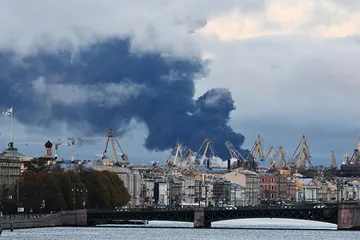
当“雷”最初开始驾驶作战无人机时,他驾驶的是乌克兰最早的一些中程攻击无人机,执行飞行距离约100公里、携带相当于保龄球重量弹头的任务。
When he started flying unmanned aircraft in combat, “Ray” was flying some of Ukraine’s earliest mid-range strike drones, on missions of about 100 kilometers with a warhead about the weight of a bowling ball.
现在,他所处理的许多武器都是小型、廉价的巡航导弹,能够深入俄罗斯和俄罗斯占领的乌克兰境内,打击从防空系统到天然气码头和炼油厂的所有目标。
Now many of the weapons he works with are small, cheap cruise missiles that fly deep into Russia and Russian-occupied Ukraine, hitting everything from air defense systems to natural gas terminals and oil refineries.
打击力量的转变归功于乌克兰不断发展的制造业实力,但也离不开复杂的任务规划——这些规划使用了详细的地图、显示俄罗斯防空设施的西方伙伴卫星照片、强大的情报网络,甚至还有能源行业老兵的专业知识,他们的专业技能能够识别出生产设施中的弱点。在9月份的一次袭击中,“凯洛斯”与其他部队放火烧毁了莫斯科门前的一座炼油厂。
The transformation in striking power is down to evolving Ukrainian manufacturing prowess — but also complex mission planning using detailed maps, satellite photos from western partners that show Russian air defenses, a robust intelligence network and even energy industry veterans, whose expertise identifies weak spots in production facilities. In one strike in September, Kairos and other units set fire to an oil refinery on Moscow’s doorstep.
“凯洛斯”远程打击营营长、中校“雷”表示:“我们必须获得最新的卫星照片,不仅是为了打击目标,还要进行回顾性对比,以比较随时间发生的变化,从而提炼出我们需要打击的要素。”由于安全原因,他的身份较为敏感,因此采用呼号称呼。
“We had to get the latest satellite images, not just for the strike target, but retrospectives to compare changes that had happened with time, and thereby crystallize the elements that we needed to strike,” said Ray, a lieutenant colonel and commander of the Kairos deep-strike battalion. He is being identified by his call sign, as his identity is sensitive for security reasons.
与去年相比,乌克兰深入俄罗斯境内打击目标的能力已经有了戏剧性的提升。然而,随着严冬迅速逼近,乌克兰的防空和导弹系统正处于短缺状态,而其曾经最大的支持者美国之间的关系也处于低谷,美国总统唐纳德·特朗普和总统弗拉基米尔·泽连斯基在最近几周互致狠话。
Ukraine’s ability to pummel targets well inside Russia has increased dramatically even compared to last year. But with a frigid winter fast approaching, its air and missile defenses are running low, and relations with the US — once its biggest supporter — are at low ebb, with President Donald Trump and President Volodymr Zelenskyy exchanging barbs in recent weeks.
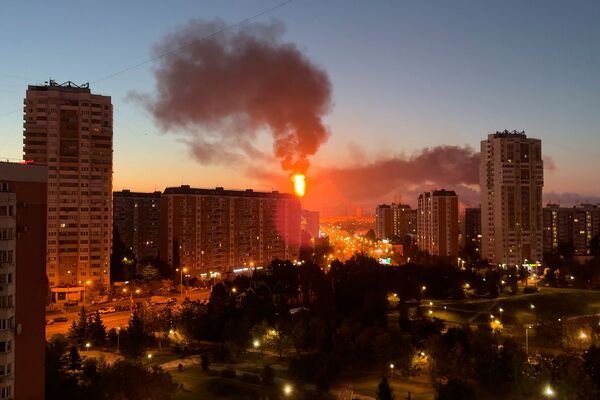
俄罗斯境内的袭击不能使用太空探索技术公司(SpaceX)的星链(Starlink)系统进行通信,因为该服务在该国境内已被关闭。各方曾使用各种机制来促进超越无线电视距的袭击,但事实证明,没有任何替代方案能像将星链终端绑在机身上那样有效或简便。飞行员远程操控飞往目标的武器是无人机,而编程飞往特定地点的武器则是巡航导弹。
Strikes inside Russia cannot use SpaceX’s Starlink systems for communication, as the service is shut off inside that country. All kinds of mechanisms have been used to facilitate strikes that go beyond the radio horizon, but no alternative has proved as effective or easy as strapping a Starlink terminal onto an airframe. Weapons that a pilot steers remotely to the target are drones, while those that are programmed to fly to a certain location are cruise missiles.
这也是为什么在俄罗斯占领的乌克兰地区进行的袭击比远程袭击具有更高的成功率,并且能够在撞击前的一瞬间向飞行员传回有用的监控录像。在最近一次星链限速的当晚,“凯洛斯”的无人机在被占领的乌克兰上空“直接从空中掉了下来”,雷回忆道。一名知情人士周六透露,乌克兰在夜间测试中记录到其SpaceX星链终端连接速度没有任何限制。
This is also why strikes in Russian-occupied Ukraine have a higher rate of success than deep strikes and return useful footage to their pilots until just before impact. On the evening of the recent Starlink speed throttling, Ray recalls that Kairos’ drones over occupied Ukraine “simply dropped out of the sky.”Ukraine recorded no limits on the speed of its SpaceX Starlink terminal connections in overnight testing, a person familiar with the matter said on Saturday.
乌克兰对无人机和巡航导弹的持续打击行动极可能是历史上规模最大的一次;莫斯科国防部经常统计出每晚有数百枚乌克兰武器进入俄罗斯领空。尽管俄罗斯在弹道导弹方面仍保持优势——例如那些轰击乌克兰城市的导弹——但基辅通过对俄罗斯近乎持续的打击,在武器数量上已基本拉平了竞争环境。
Ukraine’s sustained campaign of drone and cruise missile strikes is most likely the largest in history; Moscow’s Defense Ministry regularly tallies hundreds of Ukrainian weapons in Russian airspace nightly. Although Russia maintains an advantage in ballistic missiles like those that thunder down on Ukrainian cities, Kyiv has largely leveled the playing field in terms of volume with the near-constant strikes into Russia.
“凯洛斯”还在乌克兰法定国境线内的俄罗斯领土上实施了多次无人机打击,这些任务是在今年早些时候乌克兰国防部与SpaceX协商制定了一份类似“白名单”的机制后得以展开的;该机制阻止了俄方使用星链终端,并允许乌克兰人驾驶无人机飞越俄罗斯占领的乌克兰领土。
Kairos also conducts many drone strikes within Ukraine’s official border with Russia, missions that were enabled after Ukraine’s Defense Ministry early this year negotiated a “white list” of sorts with SpaceX that blocked Russian access to Starlink terminals and allowed Ukrainians to fly drones across Russian-occupied Ukrainian territory.
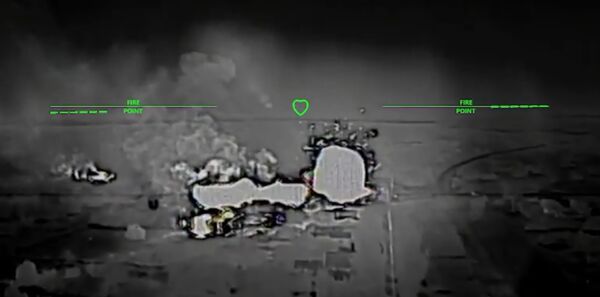
雷表示,他的部队是第一支策划并执行针对亚速海油轮打击行动的部队,在一个月的时间里打击了60艘船只。
Ray says his unit was the first to plan and execute a strike campaign against tankers in the Azov Sea, hitting 60 ships in the course of a month.
“凯洛斯”战功卓著,已从一个营晋升为无人系统部队第7独立中心——这是一个拥有数百名士兵、可监督其他部队的更大指挥机构。该部队的发展壮大与对俄罗斯炼油厂、天然气码头、黑海油轮以及军事目标的打击规模扩大相吻合。雷表示,在今年夏天旨在孤立克里米亚的行动期间,无人系统部队在该战区统计了7000次无人机打击。尼雷表示,如果有更多的资金和资源,“凯洛斯”可以做得更多。
Kairos has been successful enough to be upgraded from a battalion to the Unmanned Systems Forces’ 7th Separate Center — a larger command with hundreds of soldiers that can oversee other units. The unit’s growth coincides with the mass expansion of strikes on Russian oil refineries, gas terminals and tankers in the Black Sea, and military targets. The Unmanned Systems Forces tallied 7,000 drone strikes in the theater over the course of this summer’s operation to isolate Crimea, Ray said. Ray said that with more funding and resources, Kairos could do even more.
“尤其是在克里米亚和整个海上,我们可以开展七倍的工作,”他说。
“Especially in Crimea, throughout the sea, we can work seven times more,” he said.
第14独立旅也经历了类似的升级,该旅最初开创了乌克兰的大部分远程打击工作,现在已成为第1独立中心。
A similar upgrade happened to the 14th Separate Regiment, which originated much of Ukraine’s deep-strike work and is now the 1st Separate Center.
这些部队最深远的打击所产生的影响已经在俄罗斯经济中显现出来,消费者不得不应对物资短缺和物价上涨的问题,而其最大企业也苦于生产。离线的 数据中心使互联网流量和商业活动变得复杂。
The impact of the units’ deepest strikes has become evident in Russia’s economy, where consumers must grapple with shortages and rising prices, and its biggest companies struggling to produce. Data centers taken offline complicate Internet traffic and commerce.
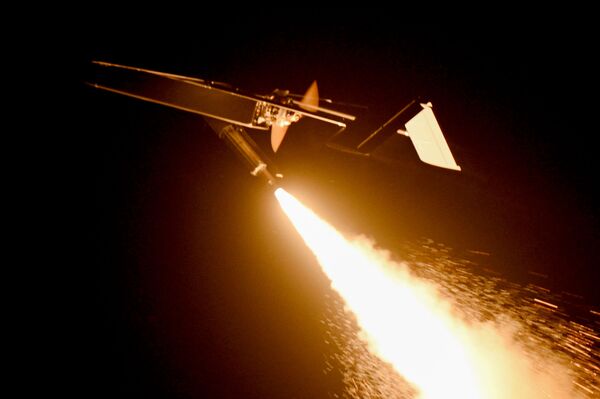
即便如此,雷和他的分析师们常常只能梳理社交媒体以及地面情报来源来评估他们的攻击是否成功。
Even so, Ray and his analysts are often left combing social media as well as intelligence sources on the ground to evaluate their attacks’ success.
“从发射到打击的那一刻,我们一直在等待来自不同来源的结果——那些粗心到将视频拍下来的俄罗斯民众的电报(Telegram)频道,”雷说。“还有地面人员、数字黑客、网络情报。所有这些都被我们用来不仅筹备任务,还要评估我们的结果。”
“After launch until the moment of strike we’re waiting on our results from different sources — Telegram channels from the Russian populations negligent enough to film,” Ray said. “And also people on the ground, digital hacks, cyber intel. This is all used by us not just to prepare the mission but to evaluate our results.”