伊朗正面临严峻的财政危机:美国的海上封锁措施可能导致该国在12月中旬前失去所有海上原油出口收入。不过,这种经济压力对普通伊朗民众的影响可能比对华盛顿试图限制的伊朗军方更大。
Iran is approaching a financial reckoning as a U.S. naval blockade threatens to wipe out its seaborne crude oil revenues by mid-December — but the economic pain may fall more heavily on ordinary Iranians than on the military Washington is trying to constrain.
根据能源情报公司Kpler的数据,伊朗在美国封锁区域以外的可追踪海上原油库存已经降为零;该公司预测,随着未偿付款项的逐步清偿,德黑兰的原油收入将在12月中旬前彻底枯竭。
Iran’s trackable floating oil inventory outside the U.S. blockade zone has fallen to zero, according to energy intelligence firm Kpler, which projects that Tehran's crude revenues could dry up by the middle of December as outstanding payments are settled.
不过,原油收入的丧失并不一定会立即导致伊朗的军事资金危机。伊朗政府可以通过削减民用开支来维持军费开支,同时让通货膨胀侵蚀民众的购买力,并寻求其他收入来源来弥补损失。
But the loss of oil revenue would not necessarily translate into an immediate military funding crisis. Tehran could shield military spending while cutting civilian programs, allowing inflation to erode purchasing power and drawing on alternative revenue sources.
这给华盛顿的施压行动带来了复杂性:虽然封锁措施可能会切断伊朗的主要资金来源,但并不会立即导致伊朗军方和伊斯兰革命卫队缺乏运作所需的资金。
That complicates Washington's pressure campaign: The blockade may deprive Tehran of one of its biggest sources of cash without immediately starving the military and Islamic Revolutionary Guard Corps of the money they need to operate.
据Eurasia Group的伊朗问题及能源问题高级分析师Gregory Brew以及民主捍卫基金会(Foundation for Defense of Democracies)的伊朗制裁与金融问题专家Miad Maleki称,原油收入约占伊朗政府预算的30%。Brew表示,伊朗在今年年初预计每天能出口约170万桶原油,每桶售价约为54美元;实际出口量并未达到这一目标,但油价上涨为伊朗政府提供了一定的资金缓冲。
Oil directly accounts for roughly 30% of Iran's government budget, according to Gregory Brew, a senior Iran and energy analyst at Eurasia Group, and Miad Maleki, an Iran sanctions and financial expert at the Foundation for Defense of Democracies. Iran entered the year expecting to export about 1.7 million barrels per day at roughly $54 per barrel, Brew said. Actual exports have fallen short of that target, though higher oil prices allowed Tehran to build some financial cushion.
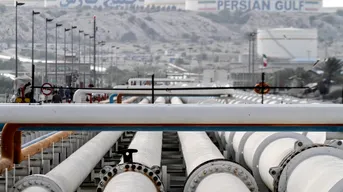
Maleki估计,如果将间接收入计算在内,原油和精炼石油产品收入占伊朗政府总收入的50%至60%。
Maleki estimated that oil and refined petroleum products account for between 50% and 60% of regime revenue when indirect income is included.
不过,12月的最后期限并不意味着伊朗会突然陷入资金枯竭的境地。
Still, the December deadline is not a date on which Iran suddenly runs out of money.
Maleki对Fox News Digital表示:“12月的这个时间节点更多只是导致现金流中断的一个节点,并不意味着伊朗会立即陷入经济崩溃。”
"The December timeline is more of a cash flow kind of disruption, and not really a collapse state," Maleki told Fox News Digital.
到目前为止,德黑兰一直允许通货膨胀和疲软的里亚尔来承担部分压力,而不是突然停发政府薪资或导致大范围物资短缺。马利基表示:“伊朗人的购买力在逐步下降。”
Tehran has so far allowed inflation and the weakening rial to absorb some of the pressure rather than abruptly stopping government salaries or allowing widespread shortages to develop. "The purchasing power of Iranians incrementally declines," Maleki said.
然而,失去一个能覆盖政府预算大约30%的收入来源,将迫使德黑兰做出日益艰难的选择。德黑兰可以削减支出、借入更多资金或扩大财政赤字。更大幅度的削减可能会冲击补贴、养老金和其他政府项目,而赤字支出则有可能助长本已高企的通胀。
Losing a revenue stream that covers roughly 30% of the government budget would nevertheless force increasingly difficult choices. Tehran can cut spending, borrow more or run larger deficits. Deeper cuts could hit subsidies, pensions and other government programs, while deficit spending risks fueling already high inflation.
布鲁表示:“外界已经预计,明年的政府预算将大幅减少。预算中更大的一部分可能会通过借贷和赤字支出筹集,这当然会加剧通胀。”不过,军事支出可能会表现出更强的抗压能力。
"There's already expectations that government spending next year is going to be greatly reduced," Brew said . "A bigger chunk of the budget is likely going to be met through borrowing and deficit spending, which is of course going to add to inflation." Military spending, however, could prove more resistant.
布鲁说:“普遍的预期是,非军事支出将被大幅削减,而军事支出将得以维持,甚至可能因为伊朗政权已经进入全面战时状态而有所增加。”
"There is a broad expectation that non-military spending is going to be slashed significantly, while military spending is going to be maintained and might even increase because of the overall war footing that the Iranian regime has been put on," Brew said.
布鲁表示,伊朗已经在大笔投入资源,用于重建导弹生产设施和其他军事基础设施、扩建地下设施并修复其核计划受到的破坏。伊朗武装部队还与该国的石油贸易有着直接联系。
Iran is already spending resources to rebuild missile production facilities and other military infrastructure, expand underground facilities and repair damage to its nuclear program, Brew said. Iran's armed forces also have a direct connection to the country's oil trade.
美国财政部去年表示,德黑兰每天向其武装部队分配大约20万桶原油,计划分配额的价值预计每年将超过100亿美元。军事组织可以在海外出售分配到的石油并自行使用收益。
The Treasury Department said last year that Tehran was allocating roughly 200,000 barrels of crude per day to its armed forces, with the value of planned allocations expected to exceed $10 billion annually. Military organizations can sell allocated oil abroad and use the proceeds themselves.
马利基表示,这些销售帮助资助了设备、化学品和武器零部件,并支持了包括真主党和哈马斯在内的伊朗支持的组织。
Maleki said those sales have helped finance equipment, chemicals and weapons components and support Iran-backed groups including Hezbollah and Hamas.
伊斯兰革命卫队还通过正式国家预算之外的走私、黑市贸易和规避制裁网络获取收入。布鲁表示,随着制裁挤压伊朗的私营经济,其经济影响力不断扩大。
The IRGC also draws revenue from smuggling, black-market commerce and sanctions-evasion networks outside the formal state budget. Brew said its economic influence has expanded as sanctions have squeezed Iran's private economy.
布鲁表示:“如果伊斯兰革命卫队是该国最重要的单一机构,且它在很大程度上受益于制裁、封锁以及各种形式的美国经济压力,那么在某种情况下,它反而会从这种新环境中受益,而不会像整体政府预算那样受到挤压。”伊朗的石油遭挤压已酝酿数月。
"If the IRGC is the single most important institution in the country, and if it largely benefits from sanctions and blockades and various forms of U.S. economic pressure, then there's a world in which it benefits from this new environment rather than being squeezed like the overall government budget," Brew said. Iran's oil squeeze has been months in the making.
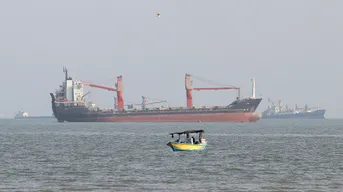
在2月战争爆发之前,德黑兰在海上浮动仓储中存有约1.35亿桶原油,这为其在美军限制新的出口后继续出售提供了一个库存。目前,这些海上库存已告枯竭。
Tehran held roughly 135 million barrels of crude in floating storage before the war began in February, providing a stockpile it could continue selling after U.S. forces restricted new exports. That offshore inventory has now been exhausted.
美国中央司令部估计,封锁已导致德黑兰损失了至少250亿美元的石油收入。
U.S. Central Command estimates the blockade has already denied Tehran at least $25 billion in oil revenue.
伊朗原油买家通常在交货后一到两个月内结算货款,这就造成了伊朗海上库存消失与科克勒公司预测的12月收入中断期之间的滞后。
Buyers of Iranian crude typically settle payments one to two months after delivery, creating the lag between the disappearance of Iran's floating inventory and Kpler's projected revenue cutoff in December.
然而,即使这一预测大体成立,伊朗也不大可能完全停止通过碳氢化合物赚钱。
Even if that projection broadly holds, however, Iran is unlikely to stop earning money from hydrocarbons altogether.
小批量的石油仍然可以通过卡车和铁路经陆路运输,以及经由里海运输,而精炼石油和石化产品则可以通过封锁针对的海运原油贸易之外的路线运输。
Smaller quantities of oil can still move overland by truck and rail and across the Caspian Sea, while refined petroleum and petrochemical products can travel through routes outside the seaborne crude trade targeted by the blockade.
布鲁说:“虽然可追踪的伊朗石油数量已降至零,但伊朗的石油出口不太可能完全归零。数量可能会相当少,但不会完全清零。”两位专家都表示,如果与华盛顿达成允许伊朗油轮恢复驶离波斯湾的协议,则可能扭转这一趋势。如果没有达成协议或放松封锁,预计财务压力将持续到明年。
"While the amount of Iranian oil that can be tracked has fallen to zero, it's unlikely Iran's oil exports completely fall to nothing," Brew said. "The amount will likely be fairly small, but it won't be completely zeroed." Both experts said an agreement with Washington allowing Iranian tankers to resume leaving the Persian Gulf could reverse the trajectory . Without a deal or relaxation of the blockade, the financial pressure is expected to build into next year.
更大的考验可能在3月到来,届时伊朗将开启新财政年度,必须将其支出计划与大幅缩减的石油收入相平衡。
The bigger test may arrive in March, when Iran begins its new fiscal year and must reconcile its spending plans with dramatically lower oil income.
“将出现财政紧缩,围绕新预算的发布将面临压力,”布鲁说。“随着政府推出削减开支措施,将出现经济动荡,甚至可能出现经济动乱。”到那时,德黑兰可能已数月未获得传统的海运原油收入,迫使政权决定在保留其他方面开支的同时,愿意将多少财政压力转嫁给民众。
"There's going to be a fiscal squeeze, and there's going to be pressure around the release of the new budget," Brew said. "There's going to be economic unrest, potentially even economic turmoil as the government rolls out spending cuts." By then, Tehran could have gone months without its traditional seaborne crude income, forcing the regime to decide how much of the financial squeeze it is willing to pass on to its population while preserving spending elsewhere.