一位联合国高级官员警告称,人工智能(AI)有可能扩大富国与穷国之间的差距,并可能加深现有的社会和经济不平等。
Artificial intelligence (AI) risks widening the gap between rich and poor countries, potentially deepening existing social and economic inequalities, a senior United Nations official has warned.
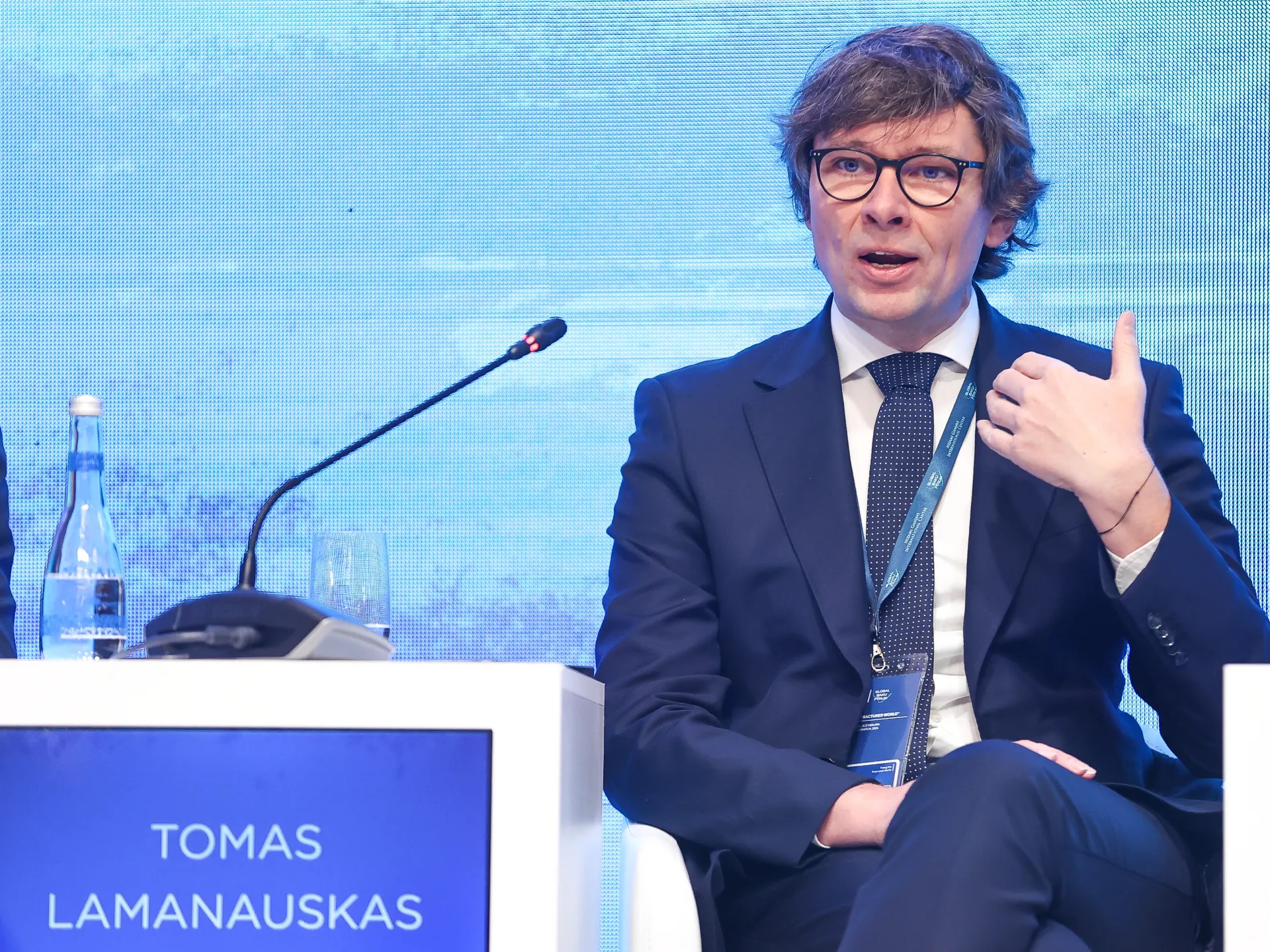
联合国机构国际电信联盟(ITU)副秘书长托马什·拉马瑙斯卡斯接受半岛电视台采访时表示,发展中国家在从人工智能革命中获益方面面临重大障碍。国际电信联盟是专注于信息和通信技术的联合国机构。
Developing countries face significant barriers to benefitting from the AI revolution, Tomas Lamanauskas, the deputy secretary-general of the International Telecommunication Union (ITU), a UN agency focused on information and communication technologies, told Al Jazeera. “There is a risk … I think the AI divide is really the big concern because it’s really not just about the digital divide,” Lamanauskas said on the sidelines of the UN Conference on Trade and Development (UNCTAD) World Investment Forum in Doha, Qatar on Sunday.
“存在一种风险……我认为人工智能鸿沟才是真正的担忧,因为这不仅仅关乎数字鸿沟,”拉马瑙斯卡斯周日在卡塔尔多哈举行的联合国贸易和发展会议(UNCTAD)世界投资论坛间隙表示。
“AI has the huge potential of powering health, education, public services, industries, agriculture, trade. So a great divide could really mean an opportunity divide, and really could deepen the socioeconomic divide,” he said.
“人工智能在推动医疗、教育、公共服务、工业、农业、贸易方面拥有巨大潜力。因此,巨大的鸿沟实际上意味着机会鸿沟,并确实可能加深社会经济鸿沟,”他说。“所以这才是真正令人担忧的部分。”
“So that’s really the worrying part.”Lamanauskas said the disparities are already evident in digital infrastructure, citing the examples of Africa and Latin America, which together account for just 3.3 percent of global data centre capacity.
拉马瑙斯卡斯表示,这种差距在数字基础设施方面已经显现,他援引非洲和拉丁美洲的例子,这两个地区合计仅占全球数据中心容量的3.3%。
“So you clearly see still a rather big infrastructure divide,” he said, adding that 2.2 billion people worldwide remain without internet access.
“所以你清楚地看到,基础设施鸿沟依然相当大,”他补充道,全球仍有22亿人无法接入互联网。
December 2025 report the UN Development Programme (UNDP) cautioned that AI could trigger a new era of inequality between nations, reversing decades of progress in narrowing economic disparities between nations.
联合国开发计划署(UNDP)2025年12月的报告警告称,人工智能可能触发国家间不平等的新时代,逆转数十年来缩小国家间经济差距所取得的进展。
The UNDP warned that countries with unreliable power, limited connectivity, and a lack of technological skills risk missing out on the economic gains of AI.
联合国开发计划署警告称,电力供应不可靠、连接有限且缺乏技术技能的国家,面临错失人工智能经济红利的风险。
Bridging the digital infrastructure gap would require an estimated $2.8 trillion in investment by 2030, UN official Lamanauskas said.
拉马瑙斯卡斯表示,弥合数字基础设施差距到2030年将需要约2.8万亿美元的投资。
The divide between nations is also evident in the adoption of AI, he added.
国家之间的差距在 AI 采用方面也显而易见,他补充道。发达国家约有 29% 的劳动年龄人口使用生成式 AI,而在发展中国家这一比例降至 16%。
While approximately 29 percent of working-age people in developed countries use generative AI, that figure drops to 16 percent in developing nations. “This actually affects your ability to be productive and to be part of job-market opportunities,” Lamanauskas said.
“这实际上影响了你的生产力以及参与就业市场机会的能力,”拉马瑙斯卡斯说。
Loss of jobs Lamanauskas acknowledged growing concerns about AI-driven job losses, citing estimates that the technology could displace 90 million jobs, but also create 170 million new ones.
失业 拉马瑙斯卡斯承认人们对 AI 导致失业的担忧日益加剧,他引用估算称,该技术可能取代 9000 万个工作岗位,但也会创造 1.7 亿个新岗位。
However, he warned that even if there is a “net positive impact”, many people will personally experience disruption, as an estimated 40 percent of workplace skills could change by 2030.
不过,他警告说,即使存在“净正面影响”,许多人也将亲身经历动荡,据估计到 2030 年,40% 的职场技能可能发生变化。
He also pointed to language inequalities, revealing that only seven percent of African languages are represented in AI translation tools, limiting access for millions of potential users.
他还指出了语言不平等问题,透露只有 7% 的非洲语言在 AI 翻译工具中得到体现,限制了数百万潜在用户的使用。
According to the 2026 International AI Safety Report released in February, about one billion people use AI for a variety of tasks, including seeking guidance on medical health and writing.
根据 2 月发布的《2026 年国际 AI 安全报告》,约有 10 亿人将 AI 用于各种任务,包括寻求医疗健康指导和写作。
While no concrete data exists, the report estimated that about 60 percent of jobs in advanced economies and 40 percent in emerging economies could be exposed to AI-related impacts.
虽然没有具体数据,但该报告估计,发达经济体约 60% 的工作岗位和新兴经济体约 40% 的工作岗位可能面临 AI 相关影响。
“The fears are real,” said Fazl Barez, a senior researcher at the University of Oxford specialising in AI safety and governance.
“恐惧是真实的,”牛津大学专门从事 AI 安全与治理的高级研究员法兹尔·巴雷兹说。
However, he cautioned that it was important to distinguish between AI “automating tasks and replacing entire jobs”.
不过,他警告说,区分 AI“自动化任务”和“取代整个工作”很重要。
“What are the types of jobs that could be lost? Those involving routine cognitive work are particularly exposed, but the scale remains uncertain,” Barez told Al Jazeera.
“哪些类型的工作可能会消失?涉及常规认知工作的岗位尤其面临风险,但规模仍不确定,”巴雷兹告诉半岛电视台。
“AI-driven automation threatens to erode government tax bases, lower living standards, and disempower citizens.”
“AI 驱动的自动化威胁要侵蚀政府税基、降低生活水平,并使公民丧失权力。”
AI needs to benefit ‘everyone’
AI 需要让“每个人”受益尽管对 AI 革命存在担忧,拉马瑙斯卡斯表示,他不认为存在“直接停止 AI”或阻止其快速发展的“可能性”。
Despite concerns around the AI revolution, Lamanauskas said he did not believe there was a “possibility just to stop AI” or halt its rapid advancement.
“AI已成定局,AI将改变我们的生活,”他说,并指出目前已有104个国家制定了AI战略,而十年前仅有四个。
“AI is here to stay, and AI is here to transform our lives,” he said, noting that 104 countries now have AI strategies, compared with just four a decade ago.
“AI不是一种可以由一个人、一个组织或一家公司控制的技术,”这位联合国官员补充道。
“AI is not a technology that can be controlled by one person or organisation or one company,” the UN official added.
尽管如此,他呼吁加大对数字基础设施、教育和监管的投资,以确保发展中国家能够参与塑造这项技术。
Nevertheless, he called for greater investment in digital infrastructure, education and regulation to ensure developing countries can participate in helping shape the technology.
“前进的道路确实是进行投资,确保AI惠及所有人,认识并承认人们感到的恐惧和焦虑,”他说。
“The way forward is really to invest to make sure that the AI benefits everyone, to recognise and acknowledge the fears and anxieties that people feel,” he said.