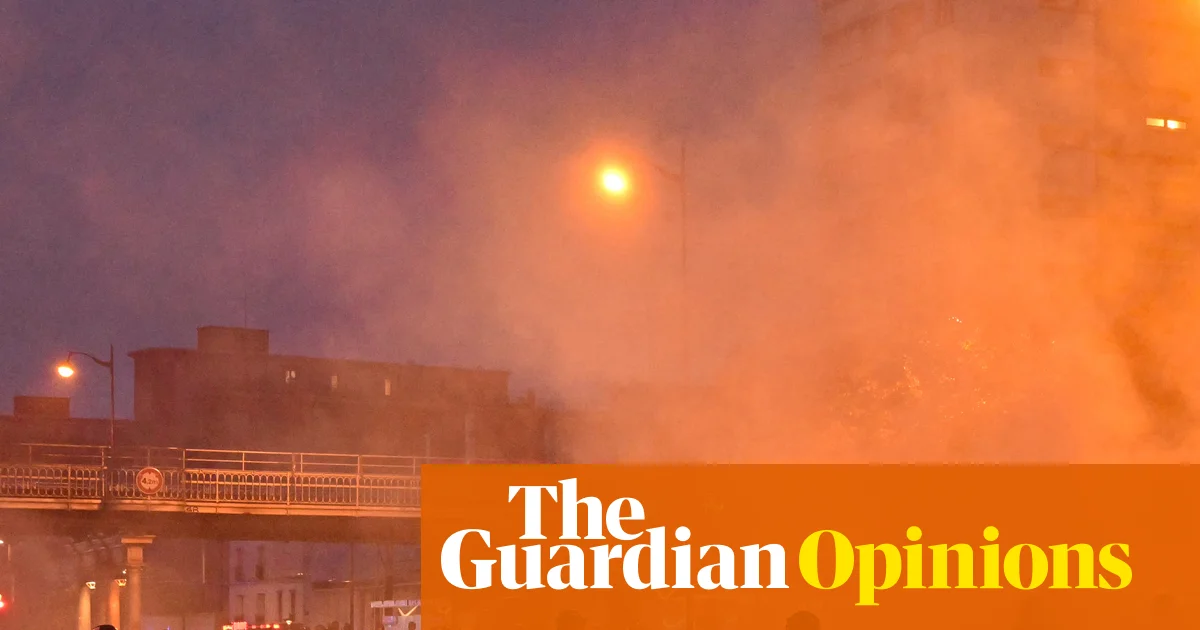
欧洲正经历着一个不同寻常的不满之秋。从巴黎到米兰再到马德里的抗议者所共有的是,对未来的焦虑日益加深,以及对他们对政府的期望与他们感觉政府实际兑现的东西之间差距的愤怒日益增长,无论问题在于住房难以负担、工资停滞不前、生活成本螺旋式上涨,还是学校教育质量下降。
Europe is living through an autumn of unusual discontent. What protesters from Paris to Milan to Madrid share is a deepening anxiety about the future and a growing anger at the gap between what they expect from their governments and what they feel governments are delivering, whether the issue is unaffordable housing, stagnant wages, the spiralling cost of living or failing schools.

未能控制这种公众愤怒的选举后果已经显现。西班牙将于下个月举行提前大选,此前议会否决了关键住房改革。法国将于4月开始选举新总统的进程,而波兰、意大利和一系列较小国家将在2027年底前投票。赌注再高不过了。
The electoral consequences of the failure to get a grip on this public anger are already with us. Spain goes to the polls next month in a snap election called after parliament voted down key housing reforms. France begins the process of electing a new president in April, while Poland, Italy and a string of smaller states will vote before the end of 2027. The stakes could not be higher.
与此同时,国家领导人面临着来自国外的越来越大压力。乌克兰问题、对美国安全承诺的不确定性以及与中国的经济竞争等问题,要求欧洲加强合作,但国内政治却使这变得日益困难。政府面临着民众要求提供安全与繁荣的诉求,而它们独立实现这一目标的能力却在萎缩。这给欧洲留下了一个棘手的问题:领导人在国内越来越举步维艰的国家,如何能找到在国外共同行动所需的共同基础?
At the same time, national leaders face mounting pressures from abroad. Issues such as Ukraine, uncertainty over US security guarantees and economic competition with China demand more European cooperation, even as national politics makes this increasingly difficult. Governments face popular demands to deliver security and prosperity, just as their capacity to do so independently is shrinking. This leaves Europe with a difficult question: how can countries whose leaders are increasingly struggling at home find the common ground needed to act together abroad?
如果欧盟不存在,欧洲人有充分理由发明它。其成员国共同构成了一个拥有4.5亿人口、经济总量近19万亿欧元的市场,位居美国和中国之后,位列第三。没有任何单个欧盟国家能单独拥有接近这种分量。作为最大成员国的德国,拥有8400万人口,经济规模约为美国的六分之一。27个成员国中有20个国家人口不足1200万,不到上海人口的一半。在一个关税和出口管制盛行的世界里,是规模保证了席位。
If the EU did not exist, Europeans would have every reason to invent it. Together, its members form a market of 450 million people and an economy of almost €19tn, the third largest after the US and China. No individual EU country comes close to that weight on its own. Germany, the largest, has 84 million people and an economy about a sixth the size of the US’s. Twenty of the 27 member states have fewer than 12 million inhabitants, less than half of Shanghai’s. In a world of tariffs and export controls, it is scale that secures a seat at the table.
但这种合作的理由并不意味着欧盟的生存是不可避免的。这一政治项目常被宣称处于崩溃边缘;最近的危机包括英国脱欧、疫情和能源冲击。然而,它表现出了惊人的韧性,以此前看似不可能的临时方案作出了回应。
But this rationale for cooperation does not make the EU’s survival inevitable. This political project has often been declared on the brink of collapse; the most recent crises include Brexit, the pandemic and energy shocks. Yet it has proved remarkably durable, responding with improvised solutions that previously seemed impossible.
恰恰是那些令欧盟怀疑论者愤怒的特质——缓慢的决策、无休止的谈判和混乱的妥协——反直觉地成为了欧洲的力量源泉。权力在各国政府、议会、法院和欧盟机构之间的分散,使得该体系难以被控制,而妥协往往能够维持下去。
The very traits that infuriate Eurosceptics – slow decision-making, endless negotiations and messy compromises – are, counterintuitively, sources of strength for Europe. The dispersion of power between governments, parliaments, courts and EU institutions makes the system hard to capture and compromises tend to stick.
欧盟的持久力在于其尽管存在分歧仍能适应变化的能力,同时帮助各国实现所谓的“有效主权”。名义主权是单独决策的权利,即使单独决策——正如英国自脱离该俱乐部以所谓夺回主权以来付出的代价所发现的那样——几乎无法改变什么。有效主权是指在能源、贸易、移民或国防等任何单一欧洲国家都无法独自控制的领域塑造结果的能力。
The EU’s staying power lies in its capacity to adapt despite disagreements, while helping countries achieve what is termed “effective sovereignty”. Nominal sovereignty is the right to decide alone, even when deciding alone – as the UK has discovered to its cost since it left the club supposedly to regain its sovereignty – changes little. Effective sovereignty is the capacity to shape outcomes on energy, trade, migration or defence that no European state can control by itself.
而欧盟本身也在适应:其正式成员国仍是核心,但挪威和瑞士等非成员国也参与国防、安全、能源和经济政策。欧盟也有兴趣让英国回归更紧密的合作,即使并非完全恢复到脱欧前的样子。
And the EU has itself adapted: its fully paid-up members remain the core but non-members such as Norway and Switzerland participate on defence, security, energy and economic policy. The EU has an interest in bringing Britain back into closer cooperation too, even if not exactly as it looked pre-Brexit.
但欧盟的韧性不应被视为理所当然。关于未来七年预算(价值近2万亿欧元)的谈判,显示出达成共识有多么困难。虽然大家都认同需要加强欧洲的安全和经济竞争力,但各国无法就由谁买单达成一致。例如,法国推动征收新的欧盟层面税收,遭到其他国家抵制。
But the EU’s resilience should not be taken for granted. Negotiations over the next seven-year budget, worth almost €2tn, show just how hard it is to achieve consensus. While everyone agrees on the need for greater European security and economic competitiveness, countries can’t agree on who should foot the bill. France, for example, is pushing for new EU-wide taxes, which others resist.
即便如此,国内政治不稳定性加剧并不一定意味着布鲁塞尔会陷入瘫痪。恰恰相反,这反而产生了行动的动力。随着法国总统大选临近,埃马纽埃尔·马克龙敦促各国领导人在圣诞节前达成预算协议,警告称如果玛丽娜·勒庞继任,新一年政治周旋空间将会缩小。
Even so, growing domestic political instability does not necessarily mean there will be paralysis in Brussels. Quite the opposite – it creates an impetus to act. With France’s presidential election approaching, Emmanuel Macron has urged fellow leaders to strike a budget deal by Christmas, warning that political room for manoeuvre would shrink in the new year if Marine Le Pen succeeds him.
勒庞不再主张让法国退出欧元区或举行英国式“脱欧”公投。但她的纲领将从内部削弱欧盟,把欧盟变成“民族的欧洲”,并威胁削减法国对欧盟预算的缴款。
Le Pen no longer talks about taking France out of the euro or a Brexit-style referendum. But her platform would undermine the union from within, turning the EU into a “Europe of Nations” and threatening cuts to France’s contribution to the EU budget.
无论政治变革是通过选举、抗议还是布鲁塞尔的新妥协而来,公众不满不能仅靠谈判化解。这把我们带回街头。法国、意大利和西班牙民众想要运转良好的公共服务、负担得起的住房、经济与国家安全,以及一种对自己未来拥有一定掌控感的感觉。
Whether political change comes through elections, protests or new compromises in Brussels, public discontent cannot simply be negotiated away. This brings us back to the streets. French, Italian and Spanish citizens want functioning public services, affordable housing, economic and national security, and a sense that they have some control over their futures.
尤其是年轻一代欧洲人,面临着对其经济前景日益增长的不确定性,从寻找负担得起的住房到获得稳定就业。到目前为止,这种悲观情绪尚未转化为对欧盟的大规模抵制。近期民调显示,年轻欧洲人依然是欧盟最坚定的支持者之一,90%赞成成员国间加强团结,78%希望欧盟拥有更多资源以采取行动。
Younger Europeans, in particular, face growing uncertainty about their economic prospects, from finding affordable housing to securing stable employment. So far, this pessimism has not translated into widespread rejection of the EU. Recent polling suggests that young Europeans remain among the EU’s strongest supporters, with 90% favouring greater unity among member states and 78% wanting the EU to have more resources to act.
这为欧洲提供了一个机遇,同时也赋予其责任,将这种支持转化为民众生活的实质性改善。这才是未来几年面临的真正考验。关于国防、产业政策和社会保障的决策将涉及艰难的权衡,并非所有人都能同等受益。但如果欧洲合作在维护体制方面比回应公民关切更有成效,如今溢上街头的不满情绪可能会越来越多地转向针对欧盟本身。欧盟一再证明自己能够在政治危机中生存下来。现在它必须确保经历这些危机的民众能过上不仅仅是勉强度日的生活。
This gives Europe an opportunity, but also a responsibility, to turn that support into tangible improvements in their lives. That is the real test in the years ahead. Decisions about defence, industrial policy and social protection will involve difficult trade-offs, and not everyone will benefit equally. But if European cooperation becomes better at preserving institutions than at responding to citizens’ concerns, the discontent now spilling on to the streets could increasingly turn against the EU itself. The EU has repeatedly shown that it can survive political crises. Now it must ensure that the people living through them can do more than merely get by.
卡特琳娜·德弗里斯是马德里IE大学的政治学教授。她与亚历山德罗斯·肯蒂凯莱尼斯合著了《欧洲如何生存》。
Catherine De Vries is professor of political science at IE University in Madrid. She is the co-author with Alexandros Kentikelenis of How Europe Survives