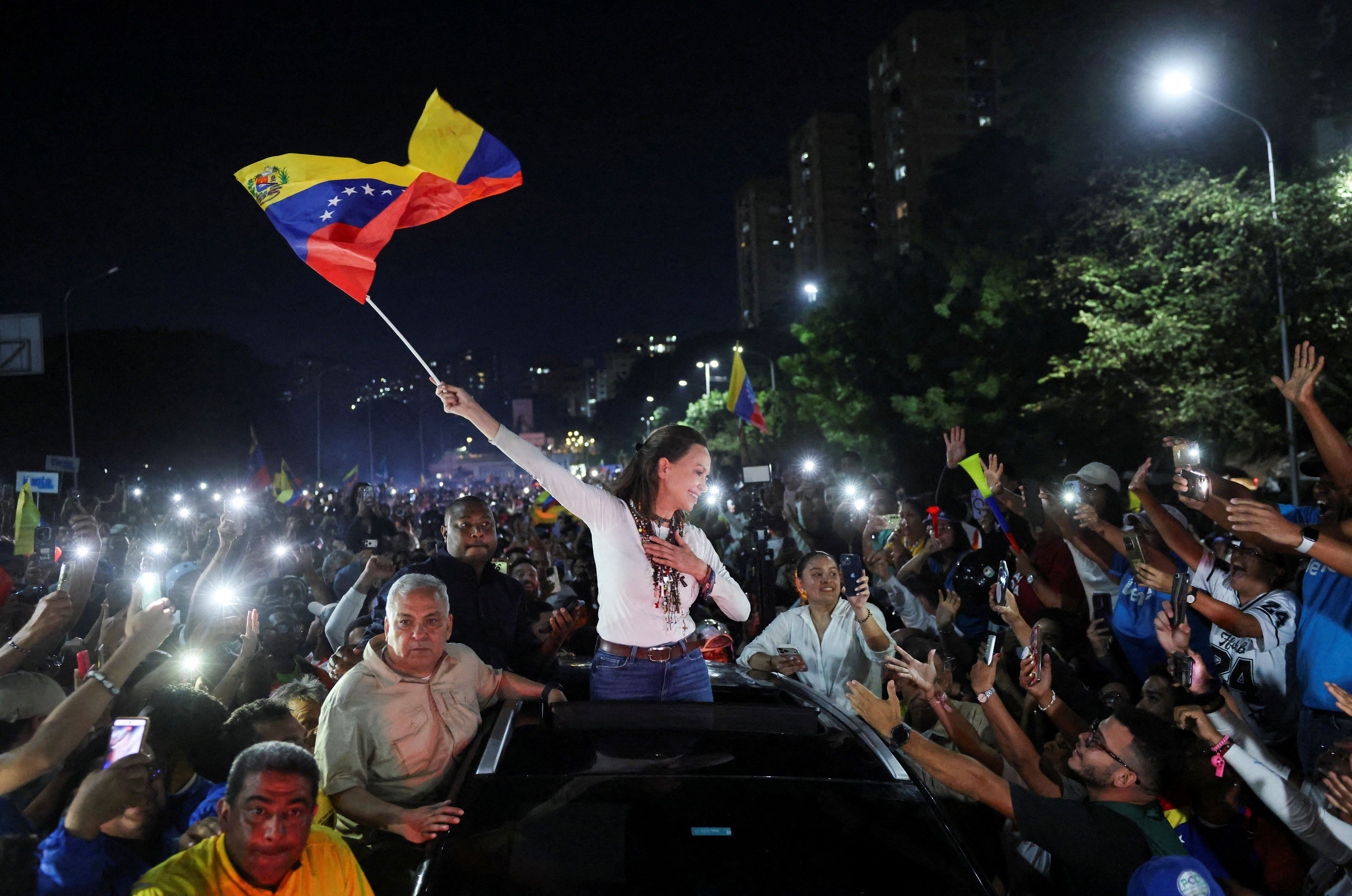
周日,在相隔数小时、地处地球两端的两场充满情感色彩的象征性胜利中,民主运动取得了胜利,但一位著名政治学家指出,两者在将势头转化为持久变革方面均面临结构性障碍。
Two emotionally charged symbolic wins for democratic movements occurred hours apart on opposite sides of the globe Sunday, but both face structural impediments in translating momentum into lasting change, a prominent political scientist argued.
流亡近10个月后,委内瑞拉反对派领袖玛丽亚·科里娜·马查多在加拉加斯向人群致意;而在塞尔维亚,学生抗议者推翻了执政14年的强人领导人。
Venezuela’s opposition leader María Corina Machado greeted crowds in Caracas after nearly 10 months in exile, while student protesters powered the ouster of Serbia’s strongman leader after 14 years in power.
但弗朗西斯·福山指出,塞尔维亚的运动因“未具体说明其意图”而吸引了更多追随者,暗示其胜利可能难以持续。
But Serbia’s movement attracted more followers “by not being specific about its intentions,” Francis Fukuyama argued, suggesting its victory might be unsustainable.
与此同时,马查多将不得不克服华盛顿与由前查维斯派德尔西·罗德里格斯领导的临时政府达成的交易,后者周一呼吁马查多表现出“悔意、悔恨,并改变路线”。
Machado, meanwhile, will have to overcome Washington’s bargain with the interim government led by ex-Chavista Delcy Rodríguez, who on Monday called for Machado to show “regret, remorse, and a change of course.”