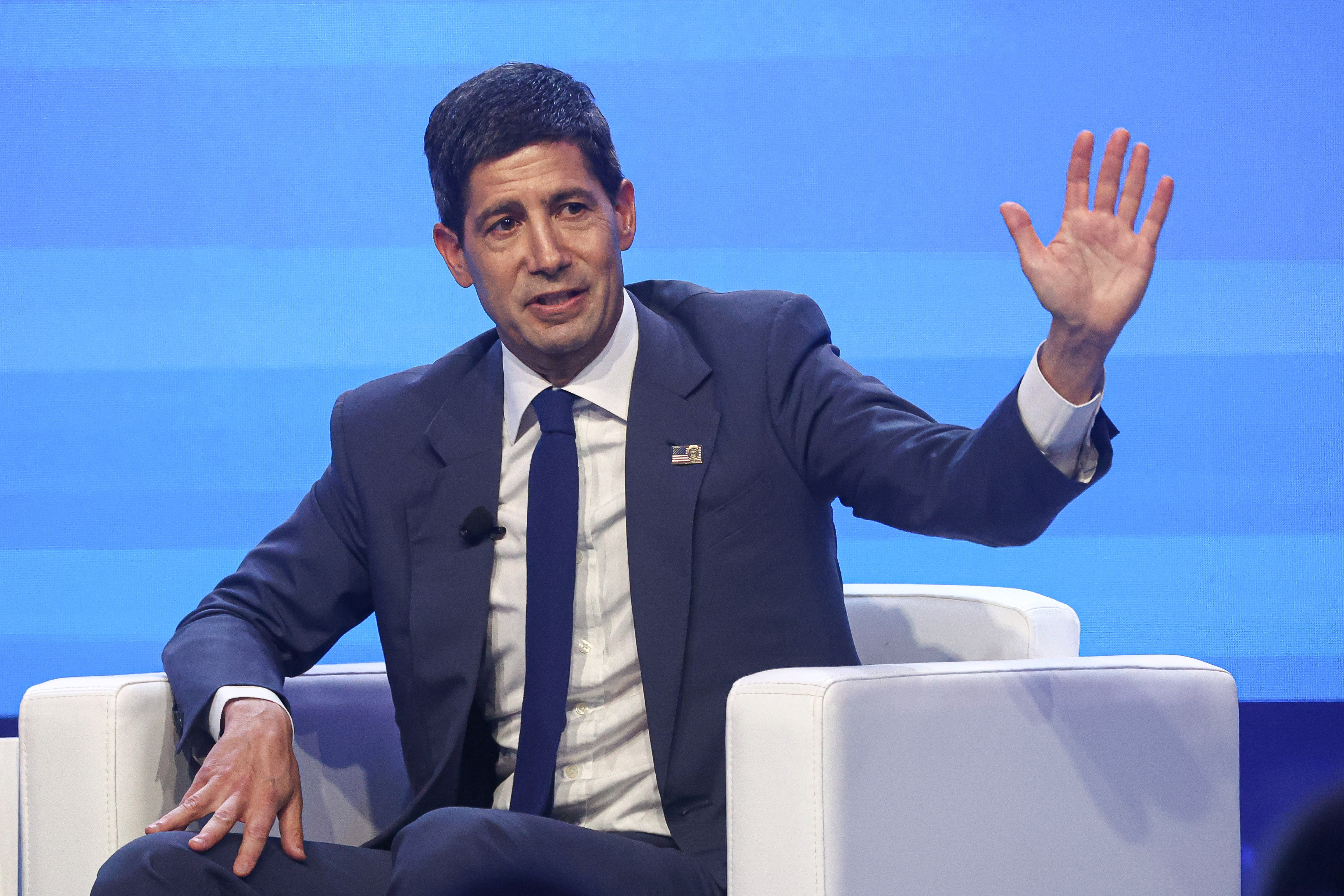
美联储前理事凯文·沃什表示,人工智能最终将为经济带来“巨大利好”。但对这项飞速发展技术的投资降温,眼下或许反而能帮上他的忙。
Reserve Chair Kevin Warsh says artificial intelligence will ultimately provide a “huge benefit” to the economy. But a cooling off of investment in the skyrocketing technology might actually help him right now.
全美范围内人工智能数据中心的快速建设,通过刺激金融市场并造成电力和建筑短缺,正在推高通胀。然而,它也是经济的一个巨大引擎,推动了消费者和企业的支出——消费者因股价上涨而财富增加,企业则向科技相关投资倾注巨资。
The rapid construction of AI data centers across the nation is stoking inflation by juicing financial markets and creating shortages in electricity and construction. Yet it’s also a massive engine for the economy, fueling spending by consumers enriched through rising stock prices and by businesses, which are pouring money into tech-related investments.
这给美联储决策者带来了两难困境:为抗击通胀而过度大幅加息,恐损害经济的关键驱动力;行动过慢,则有通胀固化的风险。但如果人工智能行业的增长自行放缓,将使美联储更容易驯服通胀。
That creates a dilemma for Fed policymakers: Raise interest rates too sharply to fight inflation and risk damaging a key driver of the economy. Move too slowly and risk entrenched inflation.
“支撑人工智能建设热潮的需求如此强劲,以至于给人工智能建设所需的商品和服务供应带来了压力,”美联储前员工、现任新世纪顾问公司首席经济学家克劳迪娅·萨姆表示。“所以,如果建设需求稍微减弱一些,生产或许就能赶上来,我们也就不会面临这些瓶颈了。”对央行而言,赌注很大,因为沃什及其同事旨在在不破坏就业市场、不引发金融动荡的前提下降低通胀。
But if the AI industry’s growth were to moderate on its own, that would make it easier for the Fed to tame inflation. “The demand behind the AI build-out is so intense that it’s putting pressure on the supply of goods and services that are needed to do the AI build-out,” said Claudia Sahm, a former Fed staffer who is now chief economist at New Century Advisors. “So if that demand for the build-out just took a little bit of wind out of the sails, well, then maybe the production could catch up and we wouldn’t have these bottlenecks.”
但考虑到围绕新技术的狂热,除非借贷成本大幅上升——央行目前尚未发出有此意图的信号——否则美联储加息不太可能影响人工智能投资的主体部分。
The stakes for the central bank are high, as Warsh and his colleagues are aiming to cool inflation without wrecking the job market or causing financial turmoil.
这意味着,即使美联储加息,通胀也可能顽固地维持高位。投资者预计,央行将在12月而非现在加息,距离国会选举仅剩几天。美联储官员将于周三宣布下一次利率决定。
But given the frenzy around the new technology, the bulk of AI investment isn’t likely to be affected by Fed rate hikes unless borrowing costs go significantly higher, which the central bank for now has not signaled it intends to do. That means inflation could stay stubbornly high even if the Fed raises rates, which investors expect the central bank will do in December, rather than now, just days out from congressional elections. Fed officials will announce their next interest rate move Wednesday.
换句话说,如果市场自身就能给这场繁荣降温,而无需央行出手干预,那对美联储来说就少了一件头疼的事。
In other words, it would be one fewer headache for the Fed if markets themselves tempered the boom without any intervention from the central bank.
事实上,越来越多的人担心,人工智能在经济增长中的作用正受到威胁,因为投资者对Meta等科技巨头庞大的支出计划感到紧张不安,也对CoreWeave等数据中心建设商的现金流前景感到担忧。
Indeed, there are mounting fears that AI’s role in economic growth is under threat as investors become jittery about the immense spending plans by tech giants like Meta and over the cash flow prospects for data center builders like CoreWeave.
但文艺复兴宏观研究公司美国经济研究主管尼尔·杜塔对投资者行为是否足以从根本上改变局面表示怀疑。
But Neil Dutta, head of U.S. economic research at Renaissance Macro Research, expressed doubt that investor behavior is enough to fundamentally shift the situation.
“这真的足以阻止数据中心的建设吗?恐怕不能,”他说。杜塔还说,押注人工智能投资降温但不会危险崩溃的情景“就像赌内顺子”——他指的是扑克牌中需要抽到特定一张牌才能成牌的情形,成功概率较低。诚然,任何放缓都可能演变成更大的经济问题。
“Is that really enough to actually stop the data center build-out? Probably not,” he said. Banking on a scenario in which AI investment cools but doesn’t dangerously collapse is “like an inside straight,” added Dutta, referring to a poker hand in which you need to draw a specific card, making success less likely. To be sure, any slowdown could spiral into a bigger problem for the economy.
摩根士丹利固定收益研究全球总监维希·蒂鲁帕图尔表示,如果人工智能投资最终只有预期的一小部分,“股市可能会遭到抛售”。“这也会打击消费,因为目前GDP增长很大程度上靠人工智能和消费者支撑,尤其是高端消费者,”而高端消费者受到股市的提振。
If investments in AI turn out to be only a fraction of what's expected, “the equity market may sell off,” said Vishy Tirupattur, global director of fixed income research at Morgan Stanley. “Which will also hit consumption because at the moment a lot of GDP growth is being held up by AI and the consumer, especially the high-end consumer," who is bolstered by the stock market.
“这种多米诺骨牌效应不是美联储能轻易拨回开关加以控制的,”他补充说。
“The domino effect is not something that the Fed can easily flip the switch back on and control,” he added.
目前,鉴于伊朗战争导致油价飙升,尤其推高了物价,央行正试图管理一系列复杂的风险。
For now, the central bank is trying to manage a complex constellation of risks, given that prices are being driven higher in particular by soaring oil prices stemming from the war in Iran.
这些不断上升的成本最终可能拖慢经济,因此美联储官员在评估需要加息多少时保持谨慎。而正面打击人工智能的资金洪流可能适得其反,因为正是这一因素帮助经济在包括关税在内的持续冲击面前保持韧性。
Those rising costs could eventually slow the economy, so Fed officials are being cautious in assessing how much they will need to raise borrowing costs. And fighting the AI money spigot head on could be counterproductive, as it is part of what is helping keep the economy resilient in the face of ongoing shocks, which also include tariffs.
沃尔什本月早些时候承认人工智能与通胀之间存在关联,他在曼谷的一场活动上表示,“很显然,它在冲击经济的需求端之前,就已经在冲击供给端了。”但他并未具体说明这是一个多么大的因素。
Warsh earlier this month acknowledged that AI and inflation were connected, saying during an event in Bangkok that “it’s obviously hitting the demand side of the economy before it’s hitting the supply side.”But he has not specified how big of a factor it is.
他坚持认为,从长远来看,这项技术将对“全球经济和美国经济产生巨大益处”。不过,他表示这一发展道路“可能会非常坎坷”。蒂鲁帕图尔表示,如果没有更加激进的行动,美联储本身不太可能导致投资回落,他指出,超过75%与人工智能相关的资本支出来自于四家信用评级很高科技巨头:微软、Meta、亚马逊和Alphabet。他说,这些资金“不受我们所看到的借贷成本上升的约束或阻碍”。
He maintained that the technology would have “a huge benefit to the global economy and the U.S. economy over the horizon.”Still, he said the path is “likely to be a very bumpy one.”Tirupattur said the Fed is unlikely to cause an investment pullback on its own, absent much more aggressive action, noting that more than 75% of AI-related capital expenditures are coming from four tech giants with high credit ratings: Microsoft, Meta, Amazon and Alphabet. That money is “unconstrained or undeterred by the increase in borrowing costs that we have seen,” he said.
他补充道:“如果这其中存在制约因素……那不会是因为没有足够的资本,也不会是因为借贷成本太高。”“真正的制约因素将是(电力)供应,以及潜在的监管政策——你知道的,比如对建设新数据中心的限制。”直至今年8月一直在财政部长斯科特·贝森特领导下的财政部从事金融稳定问题的克里斯蒂娜·斯金纳表示,投资者开始对人工智能行业实施约束,并反对进一步加息。
“If there is a constraint in this … it’s not going to be because either there is not enough capital or the borrowing costs are too high,” he added. “It’s really going to be constraints on [electrical] power and potentially regulatory policy — you know, things like restrictions on constructing new data centers.”Christina Skinner, who until August worked on financial stability issues at the Treasury Department under Secretary Scott Bessent, said investors were beginning to impose discipline on the AI sector and argued against further rate increases.
宾夕法尼亚大学沃顿商学院教授斯金纳说:“我认为美联储在抑制人工智能方面根本没有任何作用。”
“I don’t think the Fed has a role at all in restraining AI,” said Skinner, who is a professor at the Wharton School at the University of Pennsylvania.
她说:“目前,我们看到的是人工智能的建设给特定行业带来了一些压力。”“美联储加息是对这类通胀压力的错误药方,因为加息只会全面冷却经济,并对一些本已相当紧绷的经济领域(如房地产行业)造成过度限制。”
“Right now, what we see is that the AI build-out is putting some pressure on specific sectors,” she said. “A Fed rate hike is the wrong medicine for those kinds of inflationary pressures because a rate hike is just going to cool the economy broadly and overrestrict some segments of the economy that are already pretty tight, like the housing sector.”