俄罗斯无人机骚扰下,乌克兰列车仍在奔跑 在第聂伯罗至敖德萨的列车上,乌克兰,10月28日——乌克兰美容院老板安托尼娜·维特尔正逐渐习惯因俄罗斯无人机袭击威胁而导致行程受阻,她穿梭于全国各地的铁路线上,只为维持生意运转。
Harassed by Russian drones, Ukraine's trains keep on rolling ON A TRAIN BETWEEN DNIPRO AND ODESA, Ukraine, Oct 28 - Ukrainian beauty salon owner Antonina Viter is getting used to having her travel plans disrupted by the threat of Russian drone attacks, as she criss-crosses the country by rail to keep her business going.
“每三次出行,就会遇到一次、两次甚至三次疏散,”她在从东南部城市第聂伯罗开往黑海港口城市敖德萨的列车上解释道。
"Every third trip, we end up evacuating once, twice or even three times," she explained on board a train from the southeastern city of Dnipro to Odesa on the Black Sea.
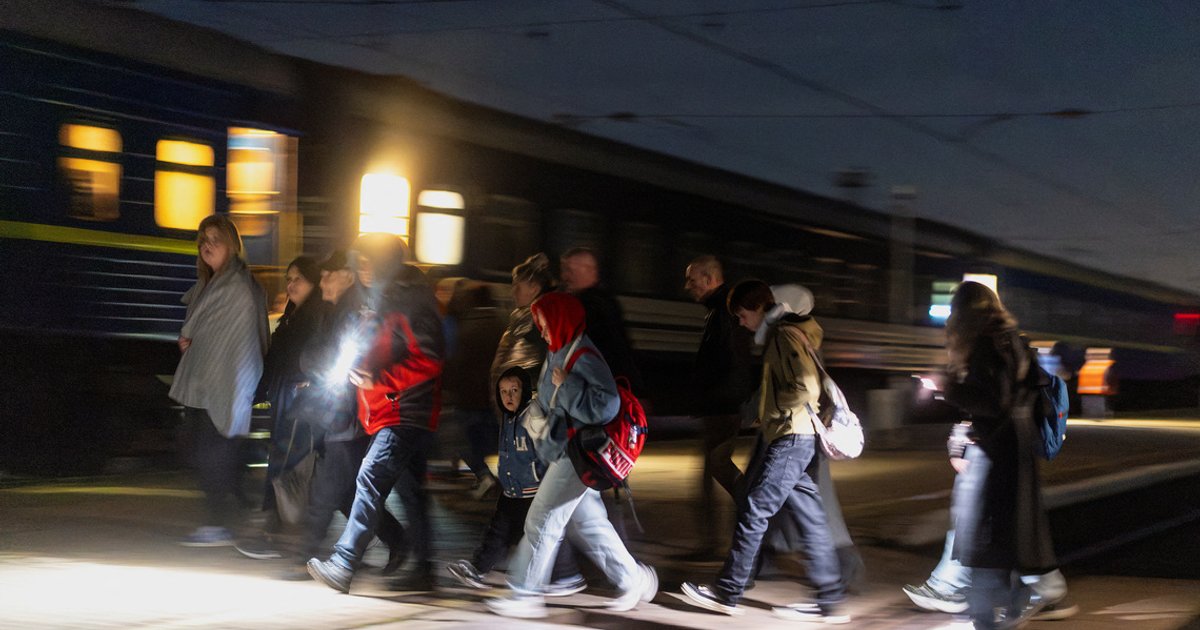
“能怎么办?还能怎么去见客户?”基辅已为空袭警报期间的铁路乘客制定了新规则,果不其然,这位36岁的女子很快就裹着毯子站在漆黑的十月夜空下,等待“解除警报”信号。
"What can you do? How else do you get to your client?" Kyiv has set new rules for rail passengers during air-raid alerts and, sure enough, soon after she spoke, the 36-year-old was standing outside under a pitch-black October sky, wrapped in a blanket, waiting for the "all-clear".
在一个长期依赖庞大铁路网络的国家里,空袭警报一响就长时间延误、反复疏散,成为俄罗斯不断升级的导弹和无人机袭击破坏平民日常生活的又一方式。
In a country long reliant on its vast rail network, hours-long delays and repeat evacuations when air-raid sirens sound are another way in which Russia's escalating missile and drone attacks are wrecking everyday life for civilians.
难以击落的俄罗斯新型喷气式无人机袭击了从购物中心、加油站到发电厂及其他关键基础设施的各类目标。铁路也不例外。
New Russian jet-powered drones that are hard to shoot down have attacked everything from shopping centres and filling stations to power plants and other critical infrastructure. And the railways are no exception.
乌克兰铁路今年遭袭1700次 国营运营商“乌克兰铁路”称,俄罗斯今年已袭击1700多处铁路设施,包括车站、机车和客车车厢。俄罗斯称其打击目标是基辅军方使用的设施。
UKRAINIAN RAILWAYS ATTACKED 1,700 TIMES THIS YEAR The state operator, Ukrzaliznytsia, says Russia has attacked more than 1,700 rail facilities this year, including stations, locomotives and passenger wagons. Russia says its targets are objects used by Kyiv's military.
记者乘坐从第聂伯罗至敖德萨的线路——向西南约400公里(250英里)的行程,亲眼见证了乌克兰人如何应对这些干扰。去程经历了八次疏散,每次约30分钟;返程又多了一次。
A trip on the line from Dnipro to Odesa, some 400 km (250 miles) to the southwest, showed how Ukrainians are coping with those disruptions. The outward journey featured eight evacuations of roughly 30 minutes each, the return journey - one more.
直接袭击威胁无处不在,如8月13日第聂伯罗-敖德萨线上的一起无人机袭击导致两名火车司机丧生。
Direct attacks, like the drone strike that killed two train drivers on the Dnipro-Odesa line on August 13, are an ever-present threat.
但空袭警报可能会意外地使任何路线的行程时间翻倍,而随着战事逼近,东部和南部的一些车站已无限期关闭。
But air-raid alerts can unexpectedly double the travel time on any route, and some stations in the east and south have been shut indefinitely as fighting creeps closer.
对于41岁的IT从业者拉丽莎·康斯坦季诺娃来说,被击中的前景是她不愿去想的——她当时正带着十几岁的儿子从第聂伯罗前往敖德萨,开启一次前往欧洲的假期旅行。
The prospect of being hit is one that 41-year-old IT worker Larysa Konstantynova - who was travelling from Dnipro to Odesa with her teenage son at the start of a holiday trip to Europe - prefers not to think about.
正如每月至少往返六次、在基辅和第聂伯罗经营两家美容院的维特尔一样,她说自己正在适应。
Like Viter, who travels at least six times a month to manage two salons in Kyiv and Dnipro, she says she is adapting.
“这就是你大脑的运作方式:你只能努力保持积极,在现状中生存下去。”其他袭击还包括9月在波兰边境附近对一列开往华沙的列车实施的打击。
"It's how your mind works: you just try to be positive and survive with the way things are." Other attacks have included a strike on a Warsaw-bound train near the Polish border in September.
对一些人来说,过夜铁路旅程——曾经是毫无干扰、可以放松身心的机会——如今却在焦虑的等待中度过。
For some, overnight rail journeys - once opportunities to unwind with few distractions - are now spent in anxious anticipation.
空袭警报响起时,乘客可能被惊醒,被迫匆忙跑向田野或上下路基,有时还要带着孩子或宠物。冬天气温往往降至冰点以下。
During air raid alerts, passengers can be jolted awake and forced to scramble into fields or up and down embankments, sometimes with children or pets in tow. In the winter, temperatures are often below freezing.
铁路旅程笼罩在随机死亡的风险中 维特尔和一位同事挤在列车外,听到头顶传来无人机特有的“嗖”声后,在手机应用上追踪附近无人机的动向。两小时内这是第三次疏散。
RAILWAY JOURNEYS HAUNTED BY RISK OF RANDOM DEATH Huddled outside her train with a colleague, Viter tracked a nearby drone on a cell-phone app after hearing its distinctive 'whoosh' overhead. It was the third evacuation in two hours.
“在田野里站一个小时,总比冒着再也见不到下一个小时的风险要好,”她说,因为她第二天还得在敖德萨主持一个美容研讨会。
"Better to stand in a field for an hour than to risk never getting to see the next hour," she said, knowing she had to teach a beauty workshop in Odesa the next day.
事实上,尽管第聂伯罗至敖德萨线路延误5至12小时并不罕见,但这趟列车仅晚点1小时20分钟便到达了。
In fact, although delays of 5 to 12 hours are not unusual on the Dnipro-Odesa route, this train arrived just an hour and 20 minutes late.
尽管如此,随着俄罗斯扩大无人机和弹道导弹袭击规模,利用基辅防空导弹短缺的弱点,随机死亡的风险已大幅上升。
Nevertheless, the risk of random death has soared as Russia has broadened its drone and ballistic-missile campaign, exploiting Kyiv's shortage of air defence missiles.
据乌克兰基础设施部长称,仅今年就有50多名铁路工人在执勤时死亡,敬业的员工不得不调整工作常规,以维持一个似乎深深扎根于他们内心的网络运转。
More than 50 railway workers have died on duty this year alone, according to Ukraine's infrastructure minister, and dedicated staff have had to adapt their routines to maintain a network that appears to be close to their hearts.
每趟旅程伊始,列车员便穿梭于车厢之间拉上窗帘,以阻挡可能引来俄罗斯无人机注意的光线。
At the beginning of each journey, conductors sweep through the carriages closing curtains to block out light that might alert a Russian drone.
“它们能看到我们,所以我们得躲一躲,”49岁的列车乘务员奥尔哈·博纽克说道,语气仿佛母亲在安抚孩子。
"They can see us, so we have to hide a bit," said train attendant Olha Boniuk, 49, with the air of a mother soothing her child.
每次疏散结束后,47岁的列车长米科拉·扎哈尔琴科都会坐在他狭小的工作间里,认真记录着这次中断。
After each evacuation, chief conductor Mykola Zakharchenko, 47, sits in his cramped booth diligently recording the interruption.
尽管如此,回想起与乘客的交谈,他依然会露出微笑,依然喜欢看着黎明的曙光透过车窗洒进来:“火车工作,正如人们常说的,充满浪漫。”机车司机米科拉·科瓦连科则用另一种方式表达了同样的意思。“如果我辞职了,”他说,“谁来开火车?” 罗伊特
All the same, he smiles recalling conversations with passengers, and still enjoys watching dawn break through the carriage window: "Train work, as they say, is romance." Locomotive driver Mykola Kovalenko put it another way. "If I quit," he said, "who will drive the trains?" REUTERS