不仅不在我的后院,也不在我的退休基金里。澳大利亚正给我们提供一个令人不寒而栗的预览:万亿美元级的人工智能数据中心建设热潮能以多快的速度降温。
Not in my backyard or in my retirement fund. Australia is giving us a chilling preview of how fast the trillion-dollar AI data center buildout can unwind.
根据澳大利亚联邦银行的数据,今年新项目的公开宣布已进入过热状态。建设方计划新增约23吉瓦的算力容量,而2月份这一数字仅为6吉瓦。澳大利亚被视为一流目的地:价格具有竞争力——悉尼的租金水平仅为新加坡的一半——且最大城市拥有更多空间,不像香港和东京那样拥挤的都市中心。
Public announcements of new projects have gone into overdrive this year. Builders are planning to add around 23 gigawatts of compute capacity, up from just 6 gigawatts in February, according to the Commonwealth Bank of Australia. The country is seen as a prime destination: It’s priced competitively — rental rates in Sydney are half of those in Singapore — and the biggest cities have more space, unlike crowded urban centers like Hong Kong and Tokyo.
但大概率这些项目大多不会落地。当地社区的声音日益高涨,一次成功的阻挠会鼓舞其他人的抗争。
But odds are that most of these won’t materialize. Local communities are increasingly vocal, and successful pushback by one emboldens campaigning by others.
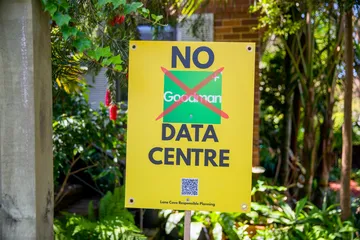
项目以惊人的速度被叫停。9月下旬,澳大利亚最大的房地产开发商Goodman Group取消了在悉尼郊区建设一座90兆瓦设施的计划。10月初,Firmus Grid Ltd.在塔斯马尼亚的288兆瓦Bell Bay项目在刚获得地方议会批准几周后就遭遇上诉。
Projects have been halted at an alarming speed. In late September, Goodman Group, the country’s biggest property developer, scrapped a plan to build a 90-megawatt facility in a Sydney suburb. In early October, Firmus Grid Ltd.’s 288-megawatt Bell Bay site in Tasmania was hit with appeals just weeks after receiving local council approval.
上周传来最具破坏性的消息。数据中心运营商Nextdc Ltd.下调了盈利预期,并暂停了其在墨尔本一座主要设施的开发计划。由于当地居民反对安装22米高的电力杆,电力供应商Jemena中止了为已投入运营60兆瓦的M3设施增供电力的工作。如今该公司最大的希望是Jemena能在2月复工。
Then the most damaging news came last week. Data center manager Nextdc Ltd. slashed its earnings forecast and placed development plans for one of its major facilities in Melbourne on hold. Electricity provider Jemena had suspended work to deliver more power to the M3 facility, which already has 60 megawatts in operation, because of local opposition to the installation of 22-meter-high power poles. Now the company’s best hope is that Jemena will recommence work in February.
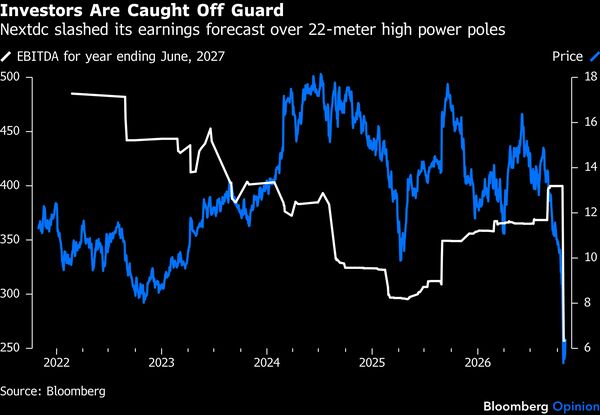
根据高盛集团的数据,在其追踪的7.5吉瓦项目中(这些项目主要位于悉尼和墨尔本),只有约三分之一的规划开发项目能够在2030年前交付。例如,位于墨尔本的Nextdc M4设施,据高盛估计,成功的几率仅为13%。这个150兆瓦的园区在年初获得州政府批准,却面临居民的强烈抵制。
Only about one-third of planned developments in the pipeline can be delivered by 2030, according to Goldman Sachs Group Inc., which tracks 7.5 gigawatts of projects that are mostly located in Sydney and Melbourne. Nextdc’s M4 facility, also in Melbourne, for instance, has only a 13% chance of success, according to Goldman. The 150-megawatt campus, approved by the state government at the start of the year, is facing fierce backlash from residents.
项目退出发生在所有阶段,包括数据中心接入请求已完成的较晚期阶段。根据澳洲联邦银行利用澳大利亚能源市场运营商的数据分析,一个开发项目从当前状态推进到完工的中位概率仅为28%。在某些方面,这些建设者类似于生物技术公司,冒着巨资开发单一产品的风险,最终却可能一无所获。
Project withdrawals have occurred at all stages, including more advanced ones when data center connection requests have been completed. The median probability of a development progressing from its current status to completion is only 28%, according to the CBA, using data from the Australian Energy Market Operator. In some ways, these builders resemble biotech firms, risking vast sums of money to develop one product, only to have nothing to show for it in the end.
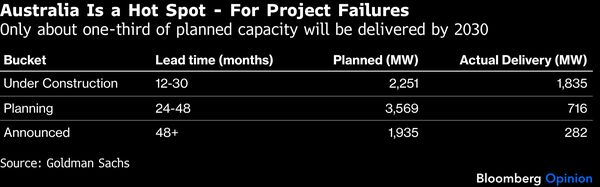
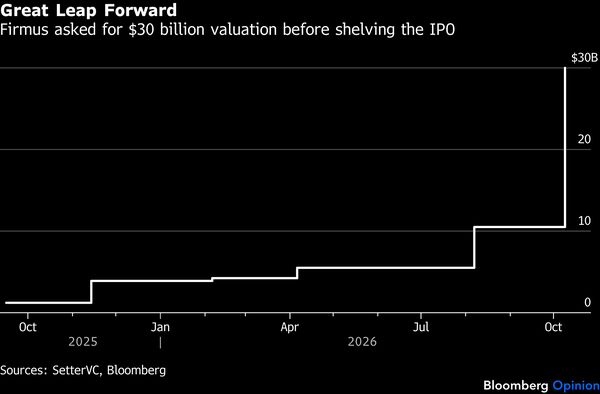
从数据中心热点到意外失败,澳大利亚商业环境的剧烈变化或许能解释为何资本市场反应如此剧烈。Firmus不得不在10月撤回备受期待的首次公开募股(IPO),尽管仅两个月前它还是风险投资的宠儿。同样,Nextdc于9月发行的11亿澳元(约7.73亿美元)可转债,票面利率仅1.75%,如今收益率已飙升至高达12%。自该混合债券发行以来,Nextdc股价已暴跌逾40%。
From data center hotspot to unexpected failures, a drastic shift in Australia’s business conditions perhaps explains why capital markets have reacted so violently. Firmus had to pull a much-anticipated initial public offering in October despite being a venture capital’s darling just two months earlier. Similarly, Nextdc’s A$1.1 billion ($773 million) convertible bond, issued in September at a meager 1.75% coupon, is now yielding a whopping 12%. Nextdc’s shares have tumbled more than 40% since the hybrid’s issue.
澳大利亚顶级养老基金之一的UniSuper决定不参与Firmus的IPO,并避免直接投资数据中心。事后看来,这是一个明智的决定。正如Nextdc所显示的,使用更适合高增长企业的估值指标——例如将企业价值与营收、或息税折旧摊销前利润(EBITDA)进行比较——会使投资者面临突发的、由事件驱动的冲击。
UniSuper, one of Australia’s top pension funds, decided not to participate in Firmus’ IPO and is steering clear of direct investments in data centers. In hindsight, it’s a good call. As we’ve seen with Nextdc, using valuation metrics more suited to fast-growing firms, such as comparing a company’s enterprise value to its revenue, or earnings before interest, taxes, depreciation and amortization, exposes investors to sudden event-driven shocks.
显然,仅持有许可并不一定能让开发商获得社会经营许可。未来我们需要逐个项目单独审视——包括其选址、时机、融资和当地政治动态——然后才能有把握地说它将成为产生现金流的资产。投资者准备好亲自下场了吗?
Rather, it’s clear by now that having permits alone doesn’t necessarily give developers the social license to operate. Going forward, we need to look at each project separately — including its location, timing, financing and local political dynamics — before saying with confidence that it will be a cash-generating asset. Are investors prepared to get their hands dirty?
针对Firmus的首次公开募股,UniSuper首席投资官John Pearce指出,投行和卖方都有点贪婪,股价“可能更接近1美元,而不是11美元”。确实,这些独角兽企业很容易因紧密团结的社区反对而血本无归。它们的商业模式不仅资本密集,而且岌岌可危。
Commenting on Firmus’ IPO, UniSuper’s Chief Investment Officer John Pearce noted that bankers and vendors all got a bit greedy and that the share price would have been “probably closer to $1 than $11.”Indeed, it’s easy for these unicorns to lose their shirt over opposition from a tightly knit community. Their business model is not only capital intensive, but precarious.