威廉·劳伦斯若获胜,很可能会鼓舞那些希望在2028年总统大选前对硅谷采取更强硬立场的民主党人。
A win for William Lawrence is likely to embolden Democrats who want a tougher approach to Silicon Valley heading into the 2028 presidential election.
民主党人正在检验,对大型科技公司的反弹情绪能否在2028年到来之际成为一股决定性的政治力量。此时,人们对人工智能、数据中心和监控的焦虑,正与对经济不安全感日益加剧的沮丧情绪交织在一起。
Democrats are testing whether backlash to Big Tech can become a defining political force heading into 2028, as anxieties over artificial intelligence, data centers and surveillance converge with spiraling frustrations over economic insecurity.
这一论点正在全国各地的竞选中成形,进步派人士将人工智能和数据中心的扩张与能源成本上升、潜在的失业、隐私担忧以及科技亿万富翁日益增长的影响力联系在一起。
That argument is taking shape in campaigns across the country, as progressives connect the expansion of AI and data centers to rising energy costs, potential job losses, privacy concerns and the growing influence of tech billionaires.
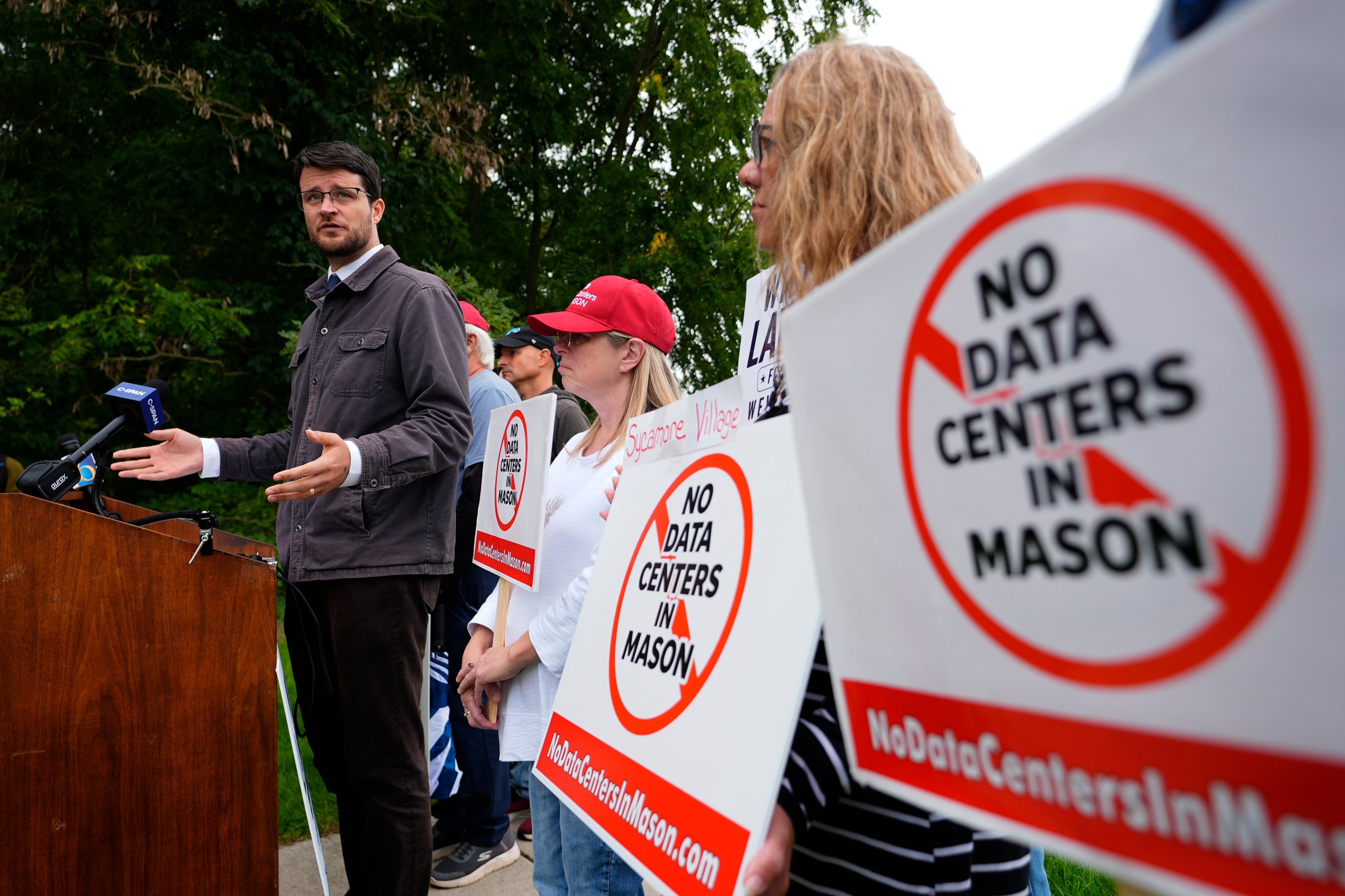
但在整个中期选举版图上,没有哪里比密歇根州上演得更为激烈。在那里,民主党挑战者威廉·劳伦斯押注,对科技行业的敌意会超出他的进步派基本盘,并帮助他击败一位首任共和党人。
But nowhere across the midterm map is this playing out more intensely than it is in Michigan, where Democratic challenger William Lawrence is betting that hostility toward the tech industry extends beyond his progressive base and helps him unseat a first-term Republican.
“这是2028年的电影预告片,”OpenAI的首席游说人士克里斯·莱汉说,他将这种反弹视为“由现代性驱动的焦虑”的一部分。“我认为,围绕掌控自己生活的这个问题将成为2028年的议题,”他说,而人工智能则充当着“力量倍增器”。
“This is the movie trailer for 2028,” said Chris Lehane, OpenAI’s top lobbyist, who sees the backlash as part of an “anxiety driven by modernity.”“I think this issue around control over your lives is going to be the issue in 2028,” he said, with AI acting as “a force multiplier.”