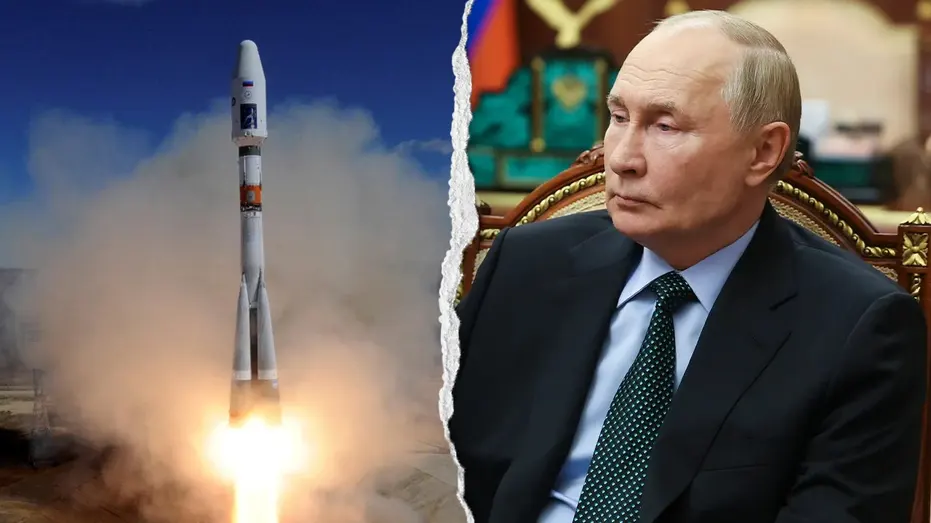
下一场大规模战争的开局行动,可能会在地球上空数百英里处展开。
The opening moves of the next major war could unfold hundreds of miles above Earth.
美国的对手正在研究如何在未来冲突中致盲美军——通过干扰通信、使GPS失效、用激光攻击卫星或将其彻底摧毁。
U.S. adversaries are looking at ways to blind American forces in future conflict by jamming communications, disabling GPS, using lasers to attack satellites or destroying them completely.
美国国防情报局一份全面的新评估详细说明了中国和俄罗斯如何发展复杂手段来干扰或摧毁美国卫星。其中包括一颗设计用于将核武器送入地球轨道的俄罗斯卫星。
A sweeping new Defense Intelligence Agency assessment details how China and Russia are developing sophisticated ways to disrupt or destroy U.S. satellites. This includes a Russian satellite designed to carry a nuclear weapon into Earth's orbit.
美军依赖卫星在战场上通信、为舰船和飞机导航、追踪敌军、探测导弹发射并引导精确制导武器命中目标。一旦这些系统瘫痪,地面部队将难以侦察、通信和打击。
American forces rely on satellites to communicate across battlefields, navigate ships and aircraft, track enemy forces, detect missile launches and guide precision weapons to their targets. Knocking those systems offline could leave forces below struggling to see, communicate and strike.
“没有卫星、没有太空系统,我们就无法以今天的方式开展军事行动,”战略与国际研究中心航空航天安全项目副主任克莱顿·斯沃普此前对福克斯新闻数字频道表示。
"We can't do military operations the way that we do them today without satellites, without systems in space," Clayton Swope, deputy director of the Aerospace Security Project at the Center for Strategic and International Studies, previously told Fox News Digital.
“谁拥有太空并能剥夺对手的太空能力,谁就在冲突中拥有巨大的不对称优势,”斯沃普说。
"Whoever has space and can deny that to their adversary has a huge asymmetric advantage in a conflict," Swope said.
在战场之外,卫星支撑着从GPS导航和通信到银行、交通和电网的一切,这意味着太空中的大规模攻击可能扰乱数百万人每天依赖的服务。
Beyond the battlefield, satellites underpin everything from GPS navigation and communications to banking, transportation and the electric grid, meaning a large-scale attack in space could disrupt services millions of people rely on every day.
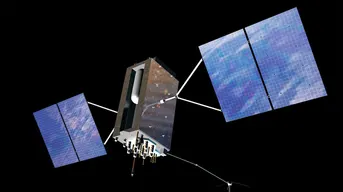
报道称,中国军事思想界已将侦察、通信、导航和预警卫星列为潜在打击目标,旨在“致盲致聋敌人”。美国国防情报局评估认为,北京可能在危机期间开始威胁或逐步削弱对手的太空架构,作为“战争的前奏”。与此同时,俄罗斯将美国依赖卫星进行精确打击和投射军事力量视为冲突中可利用的“关键脆弱点”。其理论设想了一系列攻击手段,从临时干扰和致盲卫星传感器,到直接摧毁航天器及其支持基础设施。
Chinese military thinkers have identified reconnaissance, communications, navigation and early-warning satellites as potential targets for attacks designed to "blind and deafen the enemy," according to the report. DIA assesses Beijing could begin threatening or gradually degrading an adversary’s space architecture during a crisis as a "prelude to war." Russia, meanwhile, views U.S. reliance on satellites for precision strikes and projecting military power as a "critical vulnerability" to exploit during a conflict. Its doctrine envisions attacks ranging from temporary jamming and blinding satellite sensors to the outright destruction of spacecraft and the infrastructure supporting them.
美国国防情报局将这一威胁描述为一个连续谱系,从能够暂时干扰卫星而不将其摧毁的攻击开始,逐步升级到网络和轨道攻击,再到动能武器,最终直至在太空引爆核武器。
DIA describes the threat as a continuum, beginning with attacks that can temporarily disrupt a satellite without destroying it and escalating through cyber and orbital attacks to kinetic weapons and, ultimately, a nuclear detonation in space.
其中一些战术已经进入实际冲突。据美国国防情报局称,在“史诗之怒”行动期间,美国和伊朗“对彼此的太空能力采取了进攻性行动,以削弱和扰乱双方的军事行动”。报告未详细说明这些行动,但表示6月份在霍尔木兹海峡附近的干扰行动扰乱了美国飞机和航运船只。
Some of those tactics have already made their way into active conflict. During Operation Epic Fury, the U.S. and Iran "took offensive actions against each others’ space capabilities to degrade and disrupt military actions on both sides," according to DIA. The report does not detail those operations, but says jamming near the Strait of Hormuz in June disrupted U.S. aircraft and shipping vessels.
中国军队已在军事演习中演练干扰卫星通信和GPS。北京还拥有能够干扰或损坏低地球轨道卫星的地基激光器,美国国防情报局评估认为,中国可能在2020年代末部署天基定向能系统。
The Chinese military already practices jamming satellite communications and GPS during military exercises. Beijing also has ground-based lasers capable of disrupting or damaging satellites in low-Earth orbit, and DIA assesses it could field space-based directed-energy systems by the late 2020s.
中国的其他系统可以靠得更近。实践十七号卫星拥有能够抓取另一颗卫星的机械臂,而实践二十一号在2022年使用类似技术将一颗报废的中国导航卫星移入更高的轨道。美国国防情报局指出,用于维护或清除卫星的同一技术也可以具有军事用途。
Other Chinese systems can get much closer. The Shijian-17 satellite has a robotic arm capable of grappling another satellite, while Shijian-21 used similar technology in 2022 to move a defunct Chinese navigation satellite into a higher orbit. DIA noted that the same technology used to service or remove satellites can also have military applications.
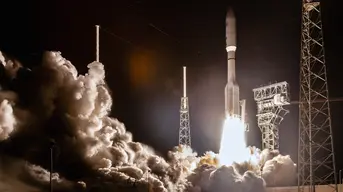
俄罗斯多次将本国航天器部署到美国卫星附近。2019年,“宇宙2543”号被释放入轨后开始跟踪一颗美国国家安全卫星,多次接近该卫星,随后发射了一枚弹丸,美国国防情报局将其描述为反卫星武器试验。
Russia has repeatedly put its own spacecraft near U.S. satellites. Cosmos 2543 began following a U.S. national security satellite after it was released into orbit in 2019, approaching it several times before later firing a projectile in what DIA described as an anti-satellite weapons test.
五角大楼披露秘密太空武器已进入轨道——但拒绝说明其用途。2022年,俄罗斯将“宇宙2558”号送到另一颗美国政府卫星附近;两年后,又将“宇宙2576”号送入与一颗美国国家安全卫星相同的轨道,随后开始向该美国航天器移动。到2025年,“宇宙2588”号在另一颗美国政府卫星约93公里范围内进行机动。
PENTAGON REVEALS SECRET SPACE WEAPONS ARE ALREADY IN ORBIT — BUT WON'T SAY WHAT THEY DO Russia sent Cosmos 2558 near another U.S. government satellite in 2022, and two years later launched Cosmos 2576 into the same orbit as a U.S. national security satellite before it began moving toward the American spacecraft. By 2025, Cosmos 2588 was maneuvering within roughly 93 kilometers of another U.S. government satellite.
据美国国防情报局称,俄罗斯还在研发“海燕”,这是一种空射武器,旨在“杀伤”低地球轨道上的卫星。该武器将从经过改装的米格-31飞机上发射,并可在几乎或完全没有预警的情况下被送入轨道。随着俄罗斯的核野心,这一威胁急剧升级。
Russia is also developing Burevestnik, an air-launched weapon intended to "kill" satellites in low-Earth orbit, according to DIA. The weapon would be launched from a modified MiG-31 aircraft and could be placed into orbit with little or no warning. The threat escalates dramatically with Russia’s nuclear ambitions.
评估报告指出:“俄罗斯正在研发一种设计用于携带核武器的卫星。”此类武器可能导致全球各国政府和公司运营的数千颗卫星“迅速且突然地丧失或降级”,扰乱通信、导航、天气预报和国家安全系统。
"Russia is developing a satellite designed to carry a nuclear weapon," the assessment states. Such a weapon could cause the "rapid and sudden loss or degradation of thousands of satellites" operated by governments and companies around the world, disrupting communications, navigation, weather forecasting and national security systems.
破坏可能在最初爆炸很久之后仍持续存在。美国国防情报局警告称,太空中的核爆炸会留下辐射带,这些辐射带“可能持续数年”,并损坏最初幸存或仅暂时受扰的卫星。
The damage could continue long after the initial blast. DIA warns that a nuclear detonation in space would leave behind radiation belts that "could persist for years" and damage satellites that initially survived or were only temporarily disrupted.
这一威胁多年来一直处于华盛顿的雷达监测之下。时任众议院情报委员会主席迈克·特纳在2024年2月敲响警钟,呼吁拜登政府解密有关“严重国家安全威胁”的情报,后来披露该威胁涉及俄罗斯的核反卫星能力。
The threat has been on Washington’s radar for years. Then-House Intelligence Committee Chairman Mike Turner set off alarm bells in February 2024 when he called on the Biden administration to declassify intelligence about a "serious national security threat," later revealed to involve a Russian nuclear anti-satellite capability.
美国官员对 underlying 情报普遍更为谨慎。就在今年4月,美国太空司令部司令斯蒂芬·怀廷将军还表示,官员们对有关俄罗斯可能正在考虑在轨道上部署核反卫星武器的报道“非常担忧”,但拒绝证实莫斯科是否真的在研发此类武器。
U.S. officials have generally been more guarded about the underlying intelligence. As recently as April, U.S. Space Command chief Gen. Stephen Whiting said officials were "very concerned" by reports that Russia was potentially considering placing a nuclear anti-satellite weapon in orbit, but declined to confirm whether Moscow was actually developing one.