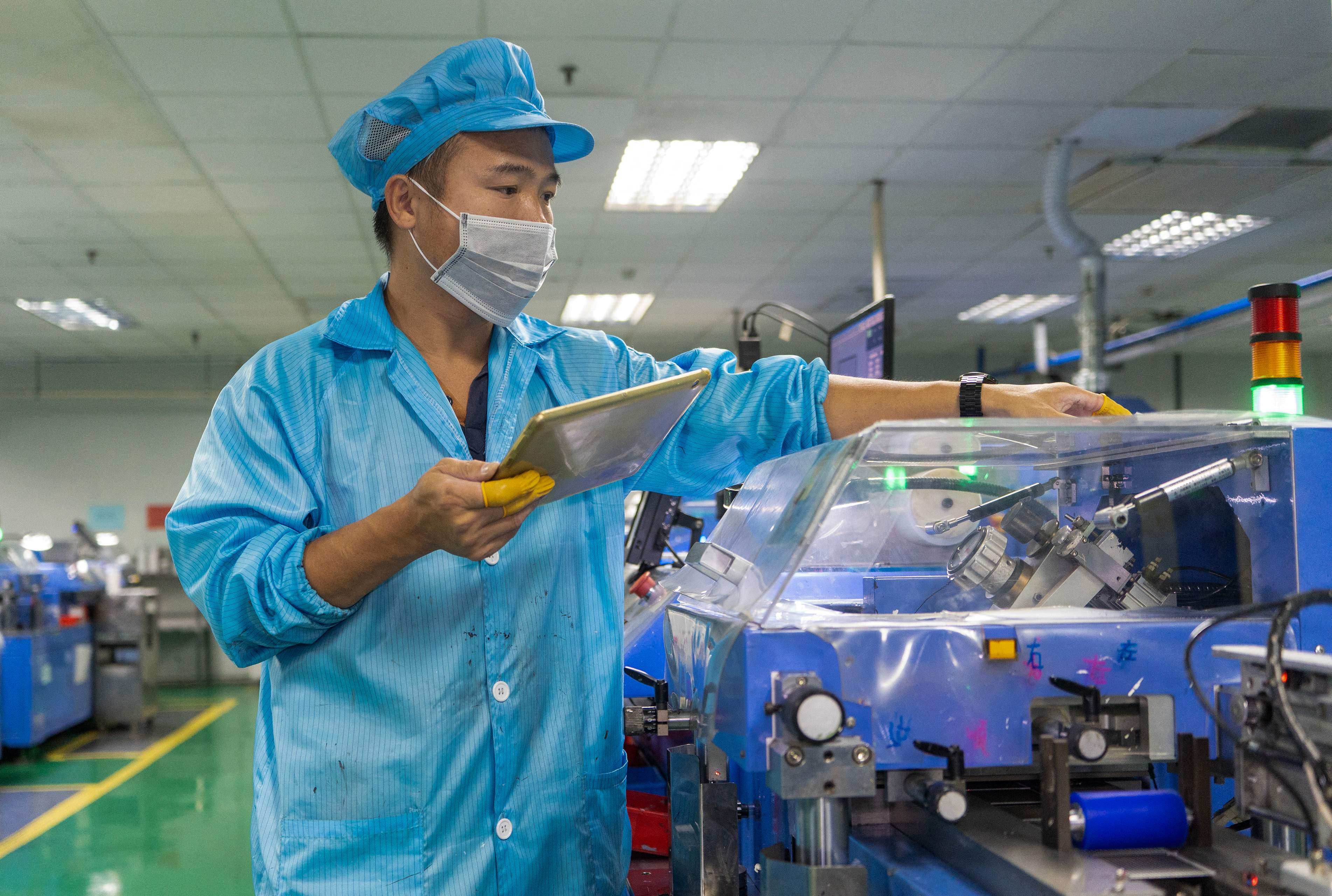
美国联邦通信委员会(FCC)准备于周四就一项提案进行表决,该提案拟于2028年前禁止在大陆进行设备测试。鉴于中国在该领域的主导地位,两大美国行业协会警告称,这可能导致测试短缺和认证积压。
As the US Federal Communications Commission (FCC) prepares to vote on Thursday on a proposal to bar device testing in mainland China by 2028, two major American industry associations have warned of potential testing shortages and certification backlogs, given China’s dominance in the sector.
分析人士表示,拟议限制可能拖慢全球电子供应链,并增加制造商成本,尤其是严重依赖中国测试设施的美国公司。
Analysts said the proposed restrictions could slow global electronics supply chains and increase costs for manufacturers, particularly American companies that rely heavily on Chinese testing facilities.
根据该提案,大陆实验室将自2028年12月1日起失去FCC认可资格,无法再进行美国电子设备认证(如智能手机和电脑)所需的测试。此举引发美国业界团体担忧。
Under the proposal, laboratories in mainland China would lose their FCC recognition from December 1, 2028, preventing them from carrying out testing required for the US certification of electronic devices such as smartphones and computers. The move has raised concerns among American industry groups.
消费者技术协会(CTA)上周与FCC主席布伦丹·卡(Brendan Carr)办公室代表会面后,在其正式备案文件中呼吁,如果新限制造成测试产能短缺,应发放临时豁免。
After meeting with representatives from the office of FCC chairman Brendan Carr last week, the Consumer Technology Association (CTA) called for temporary waivers to be issued if the new restrictions created testing capacity shortages, according to its official filing.
该协会还敦促监管机构简化认证程序,以防止延误和额外合规成本。
It also urged the regulator to streamline certification procedures to prevent delays and additional compliance costs.
据FCC称,2025年美国设备授权申请中,超过82%依赖大陆实验室进行的测试。在美国本土进行的美国设备测试不足4%。
This comes as more than 82 per cent of US device authorisation applications in 2025 relied on testing conducted in mainland Chinese laboratories, according to the FCC. Less than 4 per cent of device testing for American devices was carried out in the United States.
法国外贸银行(Natixis)首席亚太经济学家阿利西娅·加西亚-埃雷罗(Alicia Garcia-Herrero)表示:“在中国测试又便宜又快……转移到别处两者皆无。”
Testing in China has been cheap and fast ... Moving it elsewhere will be neitherAlicia Garcia-Herrero, Natixis Earlier this month, the Telecommunications Industry Association (TIA) met with FCC officials twice and urged the regulator to monitor testing capacity closely to prevent certification backlogs, according to filings submitted to the federal agency.
拟议的限制措施将扩大美国联邦通信委员会(FCC)于2025年发起的打击行动,该行动针对由中国政府拥有或控制的实验室。据该机构称,截至今年4月,已有23家与外国对手有关联的实验室失去了FCC的认可。
“Testing in China has been cheap and fast,” said Alicia Garcia-Herrero, chief Asia-Pacific economist at French bank Natixis. “Moving it elsewhere will be neither,” she added. The proposed restrictions would expand an FCC crackdown launched in 2025 against laboratories owned or controlled by the Chinese government.
中美检测机构之间的成本差距已经相当大。据美国科技媒体《Tom’s Hardware》5月的一份报告,基础的FCC认证测试在中国实验室通常花费400美元至1300美元,而在美国同行那里则需要3000美元至4000美元。
By April this year, 23 laboratories linked to foreign adversaries had lost FCC recognition, according to the agency. The cost gap between Chinese and American testing facilities is already substantial. Basic FCC certification testing typically costs between US$400 and US$1,300 at Chinese laboratories, compared with US$3,000 to US$4,000 at their US counterparts, according to a May report by US technology publication Tom’s Hardware.
“对美国电子企业而言,更大的故事是成本更高、摩擦更大,只是为了让产品获得认证,”加西亚-埃雷罗说。“中国实验室将一夜之间失去一项主导且利润丰厚的业务,这对它们是真正的打击。”根据该提案,FCC将仅认可位于美国以及拥有互惠安排的经济体内的测试实验室和认证机构,这使得包括日本、越南、香港和台湾在内的60多个地点符合资格。
“For US electronics firms, the bigger story is higher costs and more friction just to get products certified,” Garcia-Herrero said. “Chinese labs would lose a dominant and highly lucrative business overnight, which is a real hit for them.”Under the proposal, the FCC would only recognise testing laboratories and certification bodies located in the US and economies with reciprocal arrangements, leaving more than 60 eligible locations, including Japan, Vietnam, Hong Kong and Taiwan.
“在几年内将如此大量的测试业务从中国大陆转移出去,雄心勃勃,”加西亚-埃雷罗说。
“Shifting that much testing out of mainland China in a couple of years is ambitious,” Garcia-Herrero said.
她表示,虽然香港和台湾能够承接相当大份额的业务,但过渡过程不太可能顺利,可能导致瓶颈、交货周期延长和认证延误,尤其是大众消费电子产品。
While Hong Kong and Taiwan could absorb a substantial share of the business, she said the transition was unlikely to be smooth, potentially leading to bottlenecks, longer lead times and certification delays, particularly for mass-market consumer electronics.
“全球电子供应链不会断裂,但在这一特定环节上将变得更慢、更昂贵,”她说。“如果产能不足,给予临时豁免将是明智之举;否则,中断风险比FCC看起来承认的要高。”
“The global electronics supply chain will not break, but it will become slower and more expensive in this particular link,” she said. “A temporary waiver if capacity falls short would be sensible; otherwise the risk of disruption is higher than the FCC seems to acknowledge.
“从韧性角度来看,这在经济上是有道理的,但并非免费,而且转型过程会比两年时间表所暗示的更为混乱。”美国联邦通信委员会的设备授权体系要求包括智能手机、无线路由器以及某些笔记本电脑和摄像机在内的众多电子产品在美国销售前必须进行测试。
“It makes economic sense from a resilience perspective, but it is not free, and the transition will be messier than the two-year timeline suggests.”The FCC’s equipment authorisation system requires many electronic products, including smartphones, wireless routers and certain laptops and cameras, to undergo testing before they can be sold in the US.
最新的提案正值美中竞争日益加剧、范围广泛之际,华盛顿越来越多地以国家安全关切为由收紧对中国技术的限制。
The latest proposal comes amid an intensifying and widespread US-China rivalry, as Washington has increasingly cited national security concerns to tighten restrictions on Chinese technology.
去年十二月,联邦通信委员会阻止了对新型外国制造无人机的批准,随后在三月对外国制造的消费级路由器实施了类似限制。
In December last year, the FCC blocked approvals for new foreign-made drones, followed by similar restrictions on foreign-made consumer routers in March.
该委员会还在六月扩大了对华为技术有限公司、中兴通讯以及其他中国公司的设备限制,并于七月投票决定禁止对含有被视为国家安全风险的公司生产的某些关键硬件组件的设备进行批准。
It also expanded restrictions on equipment made by Huawei Technologies, ZTE and other Chinese companies in June, before voting in July to bar approvals for devices containing certain critical hardware components made by companies deemed national security risks.