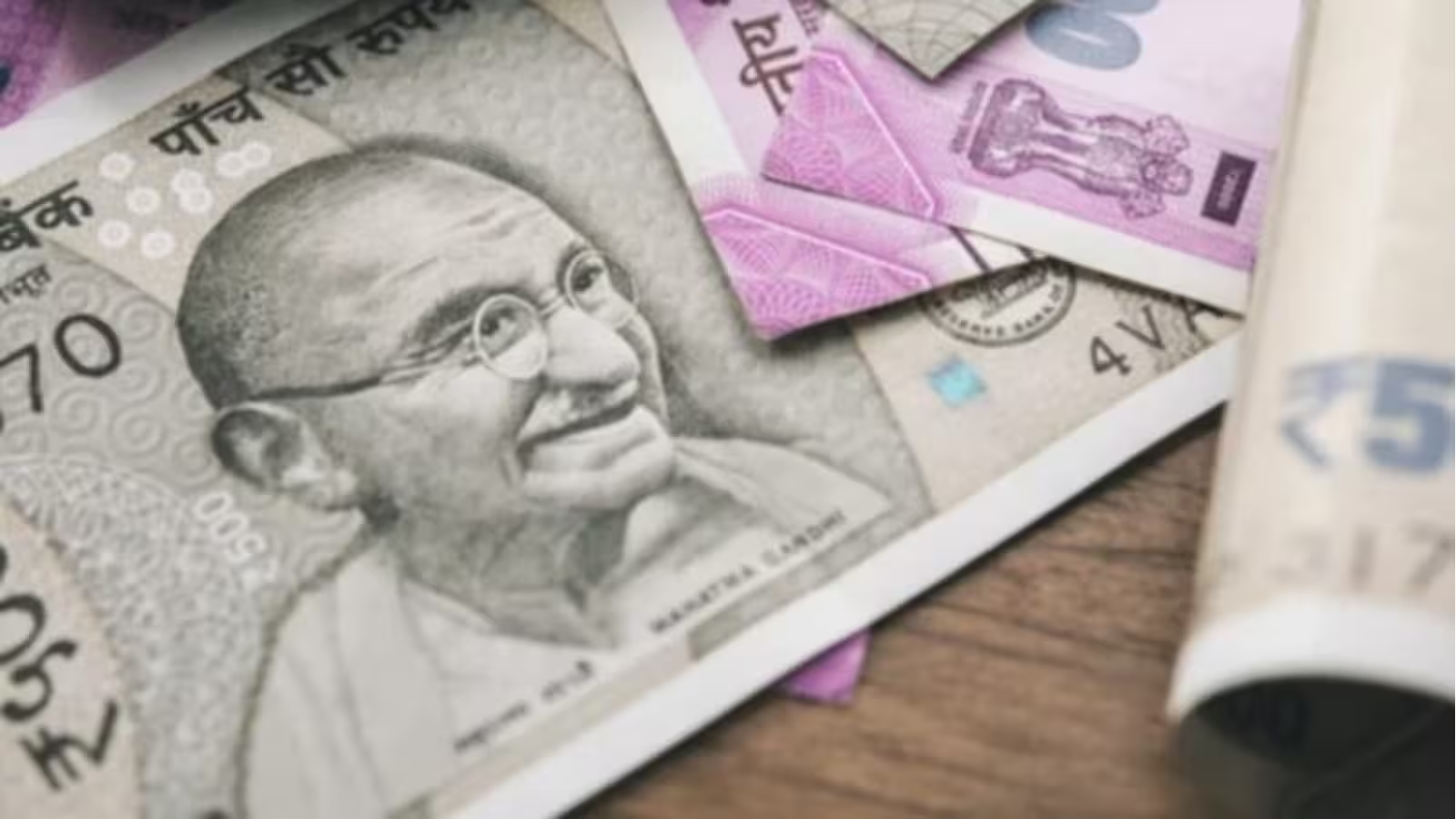
国际货币基金组织周四表示,汇率灵活性应是帮助印度经济适应能源冲击的首选政策应对,此前有报道称印度储备银行动用大规模市场干预来支撑卢比。
The IMF on Thursday said exchange rate flexibility should be the preferable policy response to help the Indian economy adjust to energy shocks, amid reports that the RBI resorted to massive market intervention to prop up the rupee.
“我们的观点是,面对这些冲击,卢比应是第一道防线。因此,允许汇率自由波动以反映这些冲击的影响,对于帮助印度经济适应冲击至关重要,”国际货币基金组织传播主任朱莉·科扎克在当地对记者表示。
“Our view is that the rupee should be the first line of defence in the face of these shocks. So, allowing the exchange rate to move freely to reflect the impact of these shocks is important to help the Indian economy adjust to the shocks,” IMF Communications Director Julie Kozack told reporters here.
针对PTI记者的提问,科扎克表示,如果卢比贬值开始推高通胀,国际货币基金组织将建议收紧货币政策以维持价格稳定。
In response to a question from PTI, Kozack said the IMF would recommend monetary policy tightening to preserve price stability if rupee depreciation started to feed into inflation.
据报道,印度储备银行自今年6月以来已动用约900亿美元来支撑卢比,包括向现货市场出售外汇以及通过货币互换吸收过剩流动性。
According to reports, the Reserve Bank of India had used about USD 90 billion since June this year to prop up the rupee, including through sales to the spot market and currency swaps to absorb surplus liquidity.
“如果卢比大幅贬值导致通胀普遍上升,那么我们的建议是,可以考虑收紧货币政策以维持价格稳定,也就是说,如果贬值开始推高通胀,”科扎克表示。
“If significant rupee depreciation leads to broad-based increases in inflation, then our advice would be that monetary policy tightening could be considered to preserve price stability, that is, if depreciation starts to feed into inflation,” Kozack said.
她表示,更广泛地说,当市场状况变得无序时,外汇干预可以是适当的,这与国际货币基金组织的综合政策框架一致。
She said that more generally, foreign exchange intervention can be appropriate when market conditions become disorderly, which would be consistent with the IMF’s integrated policy framework.
“但在印度的情况中,我们的观点是,汇率灵活性仍然是首选的政策应对,”科扎克表示。
“But in the case of India, our view is that exchange rate flexibility remains the preferable policy response,” Kozack said.