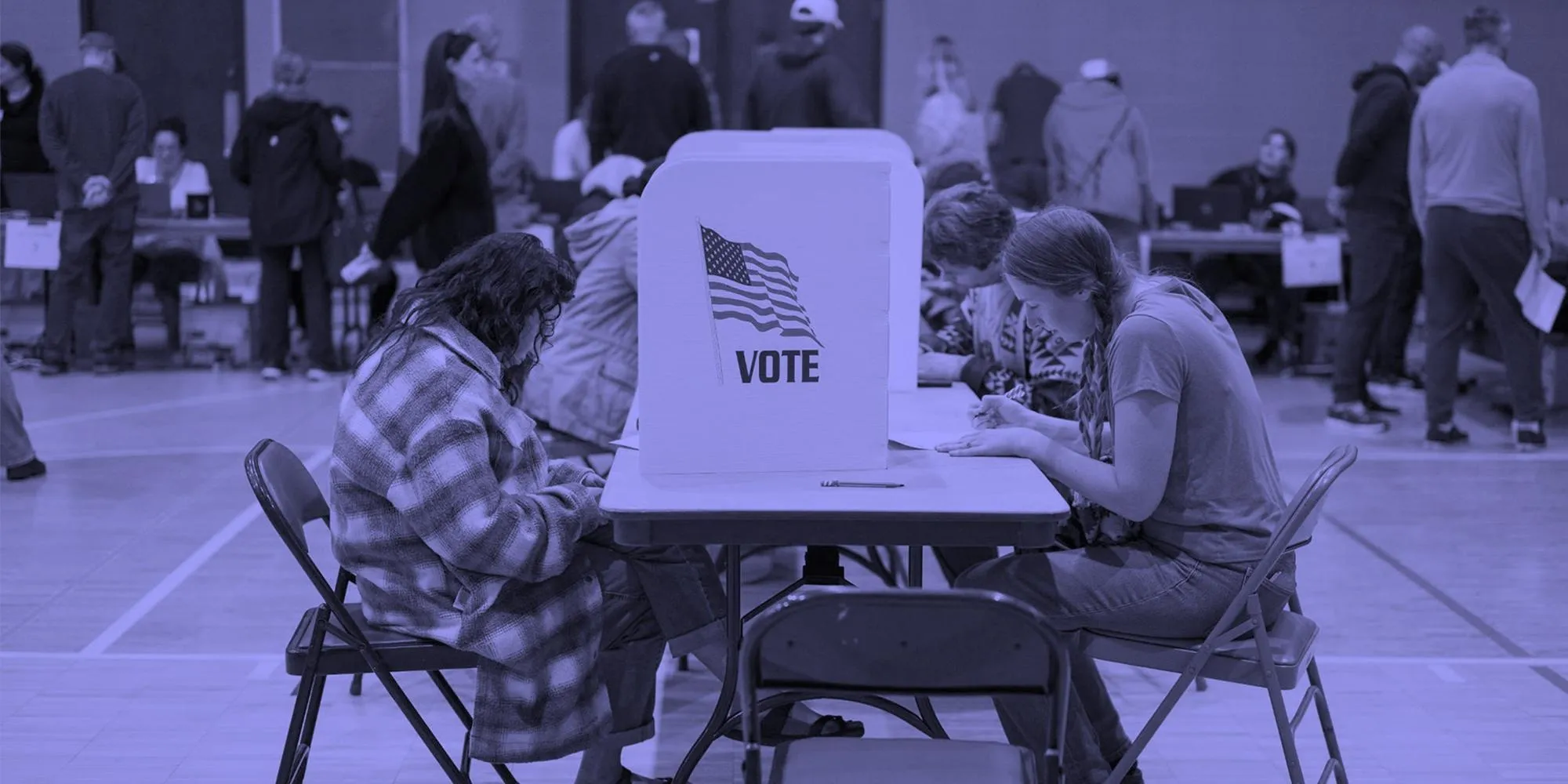
这一纪录一再被刷新:据AdImpact统计,当前选举周期是有史以来最昂贵的一次,而这一纪录很可能只有下一届才能超越。在周二选举临近之际,筹款总额已超过160亿美元,众议院和参议院竞选的广告支出突破40亿美元。本选举季的超级捐赠者绝大多数支持共和党,捐款主要来自人工智能、加密货币和网络赌博利益集团。
It’s a superlative achieved again and again: The current election cycle is the most expensive on record, according to AdImpact, likely to be surpassed only by the next one. North of $16 billion have been raised ahead of Tuesday’s looming elections, with ad spending in House and Senate races topping $4 billion . Mega-donors this election season have overwhelmingly backed Republicans with contributions largely flowing from AI, crypto, and online gambling interests.
《拦截》追踪了超级政治行动委员会的资金如何流入中期选举,以及公众对政治中特殊利益资金的怀疑日益加深如何影响竞选策略。尽管公众情绪已转向反对这个亲以色列游说团体,仍有数百名候选人继续接受美国以色列公共事务委员会及其超级政治行动委员会“联合民主项目”的捐款。
The Intercept tracked how super PAC spending is flowing into the midterms and how growing public skepticism of special-interest money in politics is affecting campaign strategies. Hundreds of candidates are still taking donations from the American Israel Public Affairs Committee and its super PAC, the United Democracy Project, despite public sentiment turning against the pro-Israel lobby.
“总体数据显示,[美国以色列公共事务委员会]仍在许多竞选中投入大量资金,而且他们的候选人大多仍然获胜,”《拦截》执行主编玛雅·希贝特在《拦截简报》节目中表示。“这仍然是相当可观的资金。”
“The data overall reveals that [AIPAC is] still spending a ton of money on a lot of races, and more often than not, their candidates are still winning,” Intercept managing editor Maia Hibbett told The Intercept Briefing. “It is still quite meaningful money.”
人工智能超级政治行动委员会也在本选举周期投入了数千万美元,其中大部分用于初选中的少数几场竞选。与OpenAI或Anthropic有关联的两大人工智能超级政治行动委员会网络在初选中投入了高达5070万美元,但在大选前的投入明显少得多,为850万美元——很可能与AIPAC一样,是在回应公众的反弹。
Artificial intelligence super PACs have also poured tens of millions of dollars into this election cycle, most of it on just a few races in the primaries. The two leading AI super PAC networks, affiliated with OpenAI or Anthropic, dropped a whopping $50.7 million on the primaries, but are noticeably spending much less in the lead-up to the general election, $8.5 million — likely responding to public backlash in the same way that AIPAC has.
“民意调查显示,公众对人工智能和数据中心的态度在过去一年里发生了惊人的转变。……这些人工智能超级政治行动委员会的整个生命周期始于大约一年前,其发展轨迹紧随公众舆论的演变,”《拦截者》政治记者马特·斯莱奇表示。“在大选竞选中,一个非常有趣的现象是……候选人试图将自己描绘成更支持人工智能安全、更支持人工智能监管的候选人。”
“The polls are just so startling on the public’s transformation on AI and data centers over the last year. … The entire life cycle of these AI super PACs, which started about a year ago, has followed that evolution of the public’s opinion,” said Intercept politics reporter Matt Sledge . “One of the things that’s been really interesting in the general election races is … candidates [trying] to paint themselves as the more pro-AI safety, pro-AI regulation candidate.”
本周播客中,主持人杰西卡·华盛顿与希贝特和斯莱奇对话,探讨迄今为止最昂贵选举周期的支出趋势,并剖析其意图影响。
This week on the podcast, host Jessica Washington speaks to Hibbett and Sledge about the spending trends in the most expensive election cycle to date and unpack the intended impact.
“无论哪个党控制参众两院中的任何一院或两院,下周都将有许多人当选,他们的当选仰仗大型科技公司和特殊利益集团,”希贝特说。
“No matter which party gets control of either or both houses of Congress, there will be a lot of people elected next week who got there on the backs of Big Tech and special interests,” said Hibbett.
“他们支持许多处于安全选区、并没有面临激烈竞选的人,”斯莱奇补充道。“目的可能只是在国会为自己买几个朋友,因为在国会,拥有几个能阻止监管的人,有时和拥有能制定并真正通过法律的人一样有效。”
“They’re backing a lot of people in safe seats who don’t really have a tight election,” Sledge added. “The goal may just be to buy themselves a few friends in Congress, because sometimes in Congress, it’s just as good to have a few people who can stop regulation as it is to have people who can shape and actually pass laws.”
更多内容请收听《拦截者简报》完整对话,可在 Apple Podcasts、Spotify、YouTube 或您收听播客的任何平台收听。逐字稿杰西卡·华盛顿:欢迎收听《拦截者简报》,我是《拦截者》政治记者杰西卡·华盛顿。
For more, listen to the full conversation of The Intercept Briefing on Apple Podcasts , Spotify , YouTube, or wherever you listen to podcasts. Transcript Jessica Washington: Welcome to The Intercept Briefing, I’m Jessica Washington, politics reporter at The Intercept.
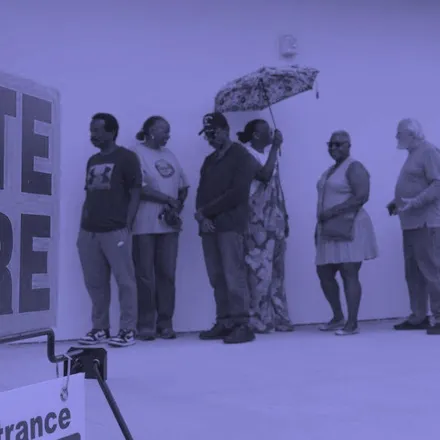
周二,选民将前往投票站投票,这将是有史以来竞选广告支出最昂贵的选举周期,甚至超过了过去的总统大选。这是据 AdImpact 统计。
On Tuesday, voters will head to the polls to cast their ballots in the most expensive election cycle ever in terms of campaign ad spending, even outpacing past presidential elections. That’s according to AdImpact.
本轮选举周期筹集资金已超过 160 亿美元,众议院和参议院竞选的广告支出超过 40 亿美元。亿万富翁埃隆·马斯克在全国各地的竞选中投入数亿美元,利用其巨额个人财富影响选举,使其向共和党倾斜。马斯克在得克萨斯州拥有住所和多家企业,对该州共和党候选人肯·帕克斯顿与民主党候选人詹姆斯·塔拉里科之间的参议院竞选表现出特别的兴趣。
North of $16 billion has been raised this cycle, with ad spending in House and Senate races topping $4 billion . Billionaire Elon Musk has dumped hundreds of millions into races across the country, using his enormous personal wealth to sway the election in favor of Republicans. Musk, who has a home and multiple businesses in Texas, has taken a particular interest in the state’s Senate race between Republican candidate Ken Paxton and Democratic candidate James Talarico.
马斯克和其他捐赠者的大部分钱并未流向候选人,而是流向了代表各类特殊利益的强大超级政治行动委员会(超级筹委会)。
Most of the money from Musk and other donors has flowed not to candidates, but to powerful super PACs representing a variety of different special interests.
这种超级筹委会支出是我的同事、《拦截者》政治记者马特·斯莱奇和资深政治记者阿凯拉·莱西新项目的主题,该项目追踪资金如何流入中期选举。
That super PAC spending is the subject of my colleagues, Intercept politics reporter Matt Sledge and senior politics reporter Akela Lacy ’s new project, tracking how money is flowing into the midterms.
《拦截者》总编辑玛雅·希贝特和马特·斯莱奇现在与我一起,谈谈这个项目以及大笔资金如何塑造中期选举。马特、玛雅,欢迎回到《拦截者简报》。玛雅·希贝特:谢谢邀请。马特·斯莱奇:谢谢邀请,杰西。
Maia Hibbett, managing editor for The Intercept, and Matt Sledge join me now to talk about the project and how big money is shaping the midterms. Matt, Maia, welcome back to The Intercept Briefing Maia Hibbett: Thanks for having us. Matt Sledge: Thank you for having us, Jessie.
杰西:玛雅,我想先从你开始。作为超级筹委会项目的一部分,《拦截者》追踪了数百万美元如何通过美国亲以色列游说团体流动。
JW: Maia, I want to start with you. As a part of the super PAC project, The Intercept tracked how millions of dollars flow through the pro-Israel lobby in the United States.
报道揭示了美国以色列公共事务委员会(AIPAC)及其关联团体(如“统一民主项目”)如何在美国选举中掩盖其影响力?这发生在一个 AIPAC 的捐款和背书已基本上变得在政治上有毒的政治格局中。
What did the reporting reveal about how the American Israel Public Affairs Committee and affiliated groups like the United Democracy Project mask their influence in U.S. elections in a political landscape where AIPAC’s contributions and endorsements have become largely politically toxic?
玛雅·希贝特:报道显示,AIPAC 及其关联超级筹委会 UDP 稍微弱了一些,但它们仍然相当占主导地位。
MH: The reporting showed that AIPAC and its affiliated super PAC UDP are a little bit weakened, but they’re still pretty dominant.
这一中期选举周期的叙事,尤其是在初选期间,主要聚焦于少数几场备受关注的竞选——美国以色列公共事务委员会(AIPAC)支持的候选人在这些竞选中落败——而那是一场巨大的震动。这些重大失利发生在AIPAC、UDP或一个相关团体投入了大量资金的竞选中,随后候选人未能胜出,这一点我们稍后可以再谈。
The narrative out of this midterm cycle, especially during the primaries, was largely focused on a few high-profile races that an AIPAC-backed candidate lost — and that was a huge shock. These big upsets were AIPAC or UDP or a related group that, we can talk about a little bit later, had poured money into, and then the candidate didn’t succeed.
但如果你从总体上看,数据整体所揭示的是,他们仍在许多竞选中投入巨额资金,而且他们的候选人大多数时候仍然获胜。这仍然是相当可观的资金。而且,尽管有人说AIPAC已转入地下,他们仍然直接投资于许多竞选。
But if you look at it in the aggregate, what the data overall reveals is that they’re still spending a ton of money on a lot of races, and more often than not, their candidates are still winning. It is still quite meaningful money. And even though AIPAC has been discussed as going underground, they are still directly invested in a lot of races.
JW:我想谈谈AIPAC策略的转变以及他们就此发布的最新声明。但首先,马特,我想谈谈你的报道。AI超级政治行动委员会已在本选举周期投入了数千万美元。
JW: I want to get into AIPAC’s shifting strategy and their latest announcement on that. But first, Matt, I wanted to talk about your reporting. AI super PACs have poured tens of millions of dollars into this election cycle.
我们对这些超级政治行动委员会背后的人和公司了解多少?这也许显而易见,但他们希望通过这种规模的支出获得什么?有没有具体例子,说明这些不同的利益集团希望其候选人胜选后推动通过哪些有利于他们的立法?
What do we know about the people and companies behind these super PACs? This may seem obvious, but what are they hoping to gain with this level of spending? Are there specific examples of friendly legislation these varied interest groups are hoping their candidates will see through if they win?
MS:回答你的第二个问题,我认为这更多是为了为联邦层面的未来监管定下基调。有两个大型超级政治行动委员会网络。一个隶属于OpenAI,他们总体上倾向于对AI实行更宽松的监管制度。另一个网络隶属于Anthropic,它自称支持更严格的监管制度。“这更多是为了为联邦层面的未来(AI)监管定下基调。”
MS: To answer your second question, I think it’s really more about setting the tone for future regulation at the federal level. You have two big super PAC networks. One is affiliated with OpenAI, and they broadly favor a laxer regulatory scheme for AI. Then there’s another network that’s affiliated with Anthropic that paints itself as supporting a stricter regulatory scheme. “It’s really more about setting the tone for future [AI] regulation at the federal level.”
怀疑者会指出,这些网络都得到了大型 AI 公司的支持。因此归根结底,它们很可能会倾向于对 AI 公司有利的监管。我在报道中略微涉及了这一点,但就在过去几个月里,还出现了一群其他较小的组织,它们有时由这些公司的个别员工资助,或者仅仅由关心 AI 的人资助,正在推动更严格的监管制度,且与大公司没有那么直接的联系。
Skeptics will point out that these networks are both backed by big AI companies. So at the end of the day, they’re probably going to favor regulation that is favorable to the AI companies. I get into this a little bit in my story, but, just in the last few months, there’s also been this constellation of other smaller groups that are sometimes backed by individual employees at these firms or just by people concerned about AI that are pushing for stricter regulatory regimes and aren’t as directly connected to one of the big companies.
JW:马特,我想问问对选民的影响。CNBC 10 月初的分析发现,本选举周期的超级大额捐赠者绝大多数支持共和党人,捐款主要来自 AI、加密货币和在线博彩利益集团:“本选举周期 20 位最大的捐赠者和捐赠者团体中,有 14 位完全或几乎完全支持共和党候选人或相关团体。”
JW: Matt, I’m curious about the impact on voters here. CNBC analysis from early October found that mega-donors this election season were overwhelmingly backing Republicans with contributions largely flowing from AI, crypto, and online gambling interests: “Fourteen of the 20 largest donors and donor groups this election cycle have exclusively or nearly exclusively backed GOP candidates or aligned groups.”
马特,我们是否看到选民因所有这些广告支出而更倾向共和党?这在选民基础中起作用了吗?
Matt, are we seeing voters become more receptive to Republicans as a result of all this ad spending? Is it working on the voter base?
MS:要分辨出单个超级政治行动委员会或单个行业的影响总是很难,因为你必须记住,很多时候,如果你是一个加密货币超级政治行动委员会,或一个 AI 超级政治行动委员会——或者最近的一个预测市场超级政治行动委员会——它们并不投放支持加密货币或支持 AI 的广告。
MS: It’s always hard to tease out the impact of an individual super PAC or industry, because you have to keep in mind that a lot of the time, if you’re a crypto super PAC, or an AI super PAC — or more recently, a prediction market super PAC — they are not running pro-crypto or pro-AI ads.
它们投放的广告看起来和其他人的非常相似。通常,它们进行的是竞选团队自己不愿做的负面竞选,而且名字非常模糊,让人联想不到加密货币或 AI。所以我认为广告对竞选确实有影响,但总体来看,民调显示这并非一个对共和党有利的环境。
They are running ads that look very similar to everybody else’s . Often, they’re doing negative campaigning that campaigns don’t want to do themselves, and they have such vague names that they’re not associated with crypto or AI. So I do think ads have an impact on the races, but overall what we’re seeing in polls is that it’s not a great environment for Republicans.
因此,从大局来看,这可能只是在一定程度上缓冲了共和党此次遭受的打击。拥有这么多企业盟友确实对他们有帮助,但可能仍会被一股蓝色浪潮淹没。
So it may have served, just writ large, to potentially soften the blow to Republicans this time around. It does help them to have this many corporate allies, but it may still be overwhelmed by a blue tide.
JW:从很多方面来说这都很有道理,当前对共和党来说是一个糟糕的环境。他们有一位不受欢迎的总统。我们的经济眼下并不算特别好。所以,尽管投入了这么多广告支出,选举的基本盘却不利于共和党,这完全说得通。
JW: That makes a lot of sense in terms of just, this is a bad environment for Republicans. They have a president who is unpopular. We have an economy that is not amazing right now. It makes a lot of sense that despite all this ad spending, the baseline of the election is not in favor of Republicans.
玛雅,我想回到你刚才提到的关于美国以色列公共事务委员会(AIPAC)及其策略转变的话题。AIPAC最近宣布,他们将不再正式背书候选人,也不再直接向竞选活动捐款。
Maia, I wanted to get back to something that you had said a little bit earlier about AIPAC and their shifting strategy. AIPAC recently announced that they would no longer officially endorse candidates or give money directly to campaigns.
在2026年中期选举期间,我们是否看到了AIPAC策略转变的早期信号?这一变化对AIPAC对我国选举的影响力究竟意味着什么?
Were we seeing an early signal of shifting strategies from AIPAC during the 2026 midterm elections? And what does this change actually mean for AIPAC’s influence on our elections?
MH:我很高兴你问这个问题,因为我们确实在2026年选举周期早期就注意到,AIPAC开始收缩并改变策略。我们的同事阿凯拉·莱西在2025年12月写了一篇报道,标题是《AIPAC正在退出背书和选举支出,但不会放弃其影响力》。我鼓励大家回去读读那篇报道,因为它对我们在接下来的周期中看到的情况非常有先见之明——那就是AIPAC过去所有的支出都是在闭门进行的。
MH: I’m so glad you asked, because we actually noted early in the 2026 cycle that AIPAC was starting to retreat and change its strategy. Our colleague Akela Lacy wrote a story in December 2025, and the headline was, “AIPAC is Retreating From Endorsements and Election Spending. It Won’t Give Up Its Influence.”I encourage anyone to go back and read that story because it was really prescient about what we would see in the cycle to come, which is that AIPAC used to do all of its spending behind closed doors .
2022年,它在那年的中期选举中开始直接支出,引起了很大轰动。该组织曾在2020年总统竞选期间帮助资助了一些反伯尼·桑德斯的广告,但真正全力投入是在2022年——它不再通过其他组织或暗钱渠道来输送捐款,而是直接开始向候选人捐款。
In 2022, it made a big splash when it started doing direct spending in that year’s midterms . The group had helped fund some anti-Bernie Sanders ads during the 2020 presidential campaign, but it was 2022 when it went all in, rather than routing its donations through other groups or through dark-money pathways, it just started giving contributions to candidates .
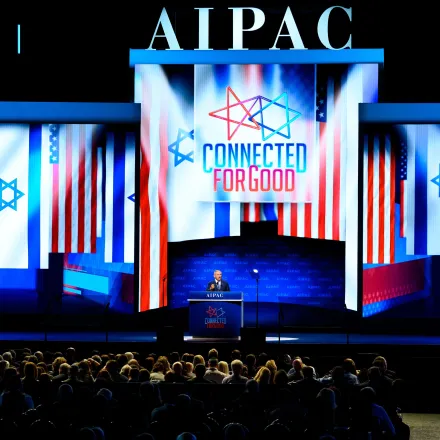
在它于那个中期选举周期以及上一个周期即2024年的竞选中花费了那么多钱之后,随着公众情绪开始转向反对这个亲以色列游说团体的利益,人们开始强烈批评美国对加沙种族灭绝的支持,AIPAC实质上开始回归其本源。
After it spent so much money in that midterm cycle and in last cycle ‘s 2024 races , and as public sentiment started to turn against the pro-Israel lobby’s interests and people became very critical of the U.S. support for genocide in Gaza, AIPAC started to essentially return to its roots.
我觉得这很有意思,因为媒体一直把它说成是一种非常新的策略。但实际上,这更像是美国以色列公共事务委员会(AIPAC)在回归它过去的行事方式。
I think this is really interesting because in the press it has been talked about as a very new strategy. But really, it’s more that AIPAC is returning to the way it used to do business.
JW:作为一种策略,它和以前那套旧模式一样有效吗?我们是否应该预期它对选举的影响力会和以前一样大?
JW: Is that as effective as a strategy — the old model that they had? Should we expect that it’ll have just as much influence on elections as they did previously?
MH:这是个好问题。我不知道它作为一种策略会有多有效。如今对AIPAC的审视比几年前多得多,所以他们要掩盖自己在做什么就难得多,因为有我们这样的记者会去追查资金流向,然后说,也许你捐给了一个叫“Elect Chicago Women”的组织,但它实际上来自UDP,也就是AIPAC的超级政治行动委员会。
MH: It’s a good question. I don’t know how effective it will be as a strategy. There’s a lot more scrutiny on AIPAC now than there was a few years ago, and so it’s much more difficult for them to hide what they’re doing because there are journalists like us who are going to try to follow the money and say, maybe you gave to something that’s called Elect Chicago Women , but it’s actually from UDP, which is the super PAC for AIPAC.
我认为在某些情况下,他们摆脱不了现在已经存在的公众认知。但另一方面,有很多选民可能并不会真的去注意他们看到的广告是由哪个政治行动委员会赞助的,然后再去查一查钱是从哪里来的。所以它会有多有效还有待观察。
I think in some cases, they can’t get away from the public perception that now exists. But on the other hand, there are many voters who might not really pay attention to the name of the PAC that sponsored the ad that they saw, and then go look it up and see where the money came from. So it remains to be seen how effective it will be.
“他们要掩盖自己在做什么就难得多,因为有我们这样的记者会去追查资金流向。”
“It’s much more difficult for them to hide what they’re doing because there are journalists like us who are going to try to follow the money.”
JW:并不是每个人在投票前都会读《拦截》,他们应该读的,不过没关系。
JW: Not everyone is reading The Intercept before voting, as they should, but it’s fine.
马特,我想再回到你这里,因为这些大型AI超级政治行动委员会有很多动向。你在报道中注意到,在纽约初选中投入了大量资金之后——尤其是在纽约,但在其他地方也是如此——这些大型AI超级政治行动委员会在大选中基本上已经安静下来了。
Matt, I wanted to get back to you because there’s a lot happening with these big AI super PACs. You noticed in your reporting that, after spending a lot in the primaries in New York in particular, but in other places as well, the big AI super PACs have gone pretty much quiet in the general election.
AI超级政治行动委员会是否像AIPAC一样在回应公众的反弹?就它们为什么变得安静了一些,你观察到了什么?MS:关于你问的反弹问题,我认为答案是肯定的。
Are AI super PACs responding to public backlash in the same way that AIPAC is? What have you observed in terms of why they’ve gone a little bit quieter? MS: In response to your question about backlash, I think the answer is yes.
“从初选到大选,支出出现了急剧下降——尽管他们仍然有可以动用的资金。”
“It’s just a dramatic decline in spending from the primaries to the generals — even though they still have money they can tap.”
他们正以这种加速的时间线,经历美国以色列公共事务委员会(AIPAC)用五年时间才走完的历程,但实际上只用了五六个月。过去一年里,公众在人工智能和数据中心问题上的态度转变,在民调中表现得令人震惊。公众舆论的变化就是如此迅速,而这些AI超级政治行动委员会的整个生命周期——大约始于一年前——也一直跟随着公众舆论的这一演变。
They’re on this kind of accelerated timeline going through what AIPAC went through over the course of five years but essentially in five or six months. The polls are just so startling on the public’s transformation on AI and data centers over the last year. It’s just such a rapid change in public opinion, and the entire life cycle of these AI super PACs, which started about a year ago, has followed that evolution of the public’s opinion.
从初选到大选,支出出现了急剧下降——尽管他们仍然有可以动用的资金。“引领未来”是与OpenAI立场一致的网络,他们最先起步;随后,与Anthropic立场一致的网络“公众优先”在几个月后作为对“引领未来”网络的回应而启动。
It’s just a dramatic decline in spending from the primaries to the generals — even though they still have money they can tap. Leading the Future, which is the OpenAI-aligned network, they started first, and then the Anthropic-aligned network, Public First, they started a few months later as a response to the Leading the Future network.
因此,从我们目前所能判断的情况来看,“引领未来”随着大选的临近缩减了支出,“公众优先”也相应作出回应,缩减了其运作规模。这并不意味着他们完全没有花钱,而且我们确实在这场选举的最后几天看到支出略有回升,尽管那时广告的效果可能已经不如几周前。
So it seems like, from what we’ve been able to tell, Leading the Future scaled back on spending as the general election came about, and Public First responded in turn and also scaled back its operations. That doesn’t mean they’re not spending anything, and we have seen a slight uptick in the final few days of this election when ads are probably just less effective than they would have been a couple weeks ago.
“如果达琳·格雷厄姆在南卡罗来纳州这样一个地方以微弱优势赢下自己的选战……那你仍然可以说,‘引领未来’和AI行业在大选中发挥了相当重要的作用。”
“If Darline Graham narrowly gets away with winning her race in South Carolina of all places … then you can still say that Leading the Future and the AI industry played a pretty important role in the general race.”
现在一个非常引人注目的选战是南卡罗来纳州,“引领未来”正在那里帮助支撑参议员达琳·格雷厄姆,而她本人的筹款能力并不强。所以,实际上仍然存在这样一种可能:AI在这场选举中、在参议院控制权的问题上发挥决定性作用。
One really notable race is now South Carolina, where Leading the Future is helping prop up Sen. Darline Graham , who hasn’t been a great fundraiser on her own. So there’s actually still a world where AI plays a decisive role in this election in terms of control of the Senate.
如果达琳·格雷厄姆在南卡罗来纳州这样一个地方以微弱优势赢得竞选,而这一微弱优势又将参议院控制权交还给了共和党,那么你仍然可以说,“引领未来”和人工智能行业在普选中发挥了相当重要的作用。
If Darline Graham narrowly gets away with winning her race in South Carolina of all places, and that narrowly hands control of the Senate back to the Republicans, then you can still say that Leading the Future and the AI industry played a pretty important role in the general race.
JW:澄清一下,你指的是达琳·格雷厄姆,林赛·格雷厄姆的妹妹,对吗?MS:没错。
JW: Just to be clear, you’re referring to Darline Graham, Lindsey Graham’s sister, correct? MS: That’s correct.
JW:玛雅,说到大型科技公司,你还编辑了《拦截》记者乔纳·瓦尔迪兹的一篇报道,该报道审视了包括约翰·赫林在内的科技领袖如何向洛杉矶市检察官竞选投入数百万美元,以阻止得到民主社会主义者协会支持的候选人玛丽莎·罗伊获胜。这到底是怎么回事——为什么对一场大多数人可能根本不关注的竞选如此感兴趣?
JW: Maia, speaking of Big Tech, you also edited a story from Intercept reporter Jonah Valdez looking at how tech leaders, including John Hering, are dumping millions into the LA city attorney race to block Marissa Roy, a DSA-backed candidate, from winning. What is going on here — why such an interest in a race most people are likely not paying any attention to?
MH:市检察官是那种——正如你所说——很多选民并不关注的职位之一。我想全国各个城市的很多人甚至可能说不出自己所在城市的首席律师是谁。但这是一个主要职责为执行法规和法律、促使可能总部设在该市或在该市运营的公司遵守这些法规和法律的职位。
MH: City attorneys are one of those jobs that, as you said, a lot of voters don’t pay attention to them. I think a lot of people in cities all over the country maybe couldn’t tell you who the top lawyer of whatever city they live in even is. But this is a job that is largely tasked with enforcing regulations and laws and making companies that might be based in that city or might operate in that city comply with them.
玛丽莎·罗伊,这位得到民主社会主义者协会支持的候选人,目前是加利福尼亚州的副总检察长,她是帮助该州起诉那起历史性的Meta和解案的人之一,该案最终导致Meta不得不为其技术对儿童造成的伤害支付170亿美元。
Marissa Roy, this DSA-backed candidate, is currently a deputy attorney general for the state of California, and she’s one of the people who helped the state prosecute this historic Meta settlement where Meta ended up having to pay $17 billion for harms to children using its technology.
我们并不确切知道约翰·赫林和其他科技领袖——比如Ring和Tinder的创始人,以及Anthropic和SpaceX的投资者——为何在这场竞选中投入如此之多,但你可能可以得出结论:他们有兴趣阻止一个刚刚帮助对Meta执行了这笔巨额和解的人成为洛杉矶的市检察官。
We don’t know exactly why John Hering and other tech leaders, like the founders of Ring and Tinder and investors in Anthropic and SpaceX, are spending so heavily in this race, but you might be able to conclude that they’re interested in preventing a person who just helped carry out this huge settlement against Meta from becoming the city attorney of LA.
其中一些人资助了一个名为“支持约翰·麦金尼的邻居们”的团体,该团体支持的是这场竞选中的另一位候选人。约翰·麦金尼就是另一位候选人,他获胜的可能性要小得多,但现在靠着大量资金投入被撑了起来。他们把他描绘成严厉打击犯罪的候选人,说他将恢复洛杉矶的秩序,帮助清理这座城市——就是这个思路。
Some of them are funding a group that’s called Neighbors for John McKinney, which is backing the opponent in the race. John McKinney is the other candidate, and he is much less likely to win, but is propped up now by a lot of spending. They frame him as a tough-on-crime candidate; they say he’s going to restore order to LA, help clean it up is the idea.
就像马特说的,科技行业对这些竞选的投入,往往并不会真正把大型科技公司的利益摆在明面上,他们也不会直说:“我们想阻止这个人上台,因为我们担心他会监管我们的行业。”相反,他们会另找一个议题,把钱花在那上面。
Like Matt was saying, often these tech investments in races don’t actually foreground the interests of Big Tech, and they don’t say explicitly, “We want to stop this person from coming into office because we’re worried they’re going to regulate our industry.”Instead, they find a different issue and spend money on that.
同样值得注意的是,约翰·赫林的那个组织把约翰·麦金尼描述成“终身民主党人”,还说他是“非常反MAGA”——这是他们使用的措辞。但约翰·赫林本人却是埃隆·马斯克的坚定盟友。他一直热衷于投资马斯克的公司。今年,他说马斯克是“美国英雄”,而且在早前为希拉里·克林顿的总统竞选投入资金之后,他又投入了相当多的资金支持马斯克的“美国政治行动委员会”和特朗普的竞选活动。
It’s also worth noting that John Hering, his group, frames John McKinney as a lifelong Democrat and very anti-MAGA, is the language they use. But John Hering himself is a big ally of Elon Musk . He has been an eager investor in his companies. He said Musk was an “American hero” this year, and he has spent pretty heavily also to support Musk’s America PAC and the Trump campaign after previously spending on the Hillary Clinton presidential campaign.
和许多硅谷人士一样,他经历了一场转变。虽然他住在旧金山,他还花钱支持斯宾塞·普拉特竞选洛杉矶市长。
Like many Silicon Valley types, he’s had an evolution. And although he lives in San Francisco, he also spent in favor of Spencer Pratt for LA mayor .
JW:哇。是啊,大型科技公司与民主党和共和党的关系,跟2008年那几年相比真是走了很长的路,现在还捧起了斯宾塞·普拉特。
JW: Wow. Yeah, Big Tech has really come a long way from the ’08 years in terms of their relationship with Democrats and Republicans, and propping up Spencer Pratt.
马特,我想请你谈谈,从宏观角度分享你的看法。是什么让大型科技公司对这个选举周期如此热衷?
Matt, I want to bring you in and get your perspective and kind of big picture. What has made this election cycle so popular for Big Tech?
MS:就人工智能、加密货币和预测市场而言,关键在于他们清楚,未来几年对监管来说将是至关重要的。这些都是相当年轻的行业,规则尚未确立。特朗普政府正在尽力制定这些规则,但国会对这些行业中的任何一个都还没有最终定论。
MS: When it comes to AI and crypto and the prediction markets, it’s knowing that the next few years are really going to be critical for them in terms of regulation. These are all fairly young industries, and the rules haven’t been set yet . The Trump administration is doing its best to set them, but Congress has not had a final word on any of those industries.
他们认为自己有机会以有利于自身的方式制定规则,而他们只是在沿用华盛顿的老一套:花大把钱在竞选上,花大把钱在游说上,试图让规则朝对自己有利的方向倾斜。
They see a chance to shape the rules in a way that favors them, and they’re just using the old Washington playbook of spending a bunch of money on campaigns and a bunch of money on lobbyists to try to shape the rules in their favor.
JW:这是否也只是因为他们手头可支配的钱比以前更多了?如果科技行业早些年就拥有这样的资本渠道,他们是不是早就这么做了?还是说,正如你所说,他们确实意识到如果不这样做,整个行业就会面临生存风险?
JW: Is this just also a matter of them having more money to play with than they’ve had before? Is this something tech probably would have done years ago if they’d had this access to capital? Or is this really, like you said, just they’re aware that there is existential risks to their industry if they don’t?
MS:过去几十年,科技行业一直很有钱,它本来就是美国经济的重要组成部分。但我认为,进入更多受监管领域的这种动向,或许才是比较新的事。
MS: Tech for the last few decades has had a lot of money. It’s just been a huge part of the U.S. economy. But I think this move into more regulated spaces is maybe what’s newer.
当微软开发一款网络浏览器或文字处理器时,可能会产生潜在的反垄断问题,从这个意义上说,他们必须花政治资金。但他们并没有涉足那种高度受监管的金融领域,而且从来没有人认为“大眼夹”会对人类构成生存威胁。所以,就科技行业而言,我们正在进入一片新领域。JW:我想念大眼夹。这就是我对那点的唯一评论。
When Microsoft is creating an internet browser or a word processor, that creates potential antitrust issues, and they have to spend political money in that sense. But they’re not playing in the same kind of highly regulated financial spaces, and nobody ever thought that Clippy posed an existential risk to humanity . So we are moving into new territory when it comes to techs. JW: I miss Clippy. That is my one comment on that.

我想把你们二位都请回来继续讨论。我们刚才谈到当今美国政治中一些最大的捐助者,尤其是一些显然遭遇公众反弹的特殊利益集团——美国以色列公共事务委员会、AI和数据中心。
I want to get both of you back in here. We’ve been talking about some of the biggest donors in American politics today, and a few special interest groups in particular who’ve obviously been experiencing public backlash — AIPAC, AI, and data centers.
对于这次中期选举中创纪录的支出,你作何看法?下周我们显然会有更多答案,但就你目前观察到的而言,这些支出是否对选民产生了预期的效果?玛雅,先从你开始。
What do you make of this new record-level spending in a midterm election in particular? We’ll obviously have more answers on this next week, but from what you’ve observed so far, is it having the intended impact on voters? Maia, let’s start with you.
MH:我认为,用我们一直反复提到的那个托词来说,在下一周的结果出来之前,我们不会真正知道它是否对选民起了作用。但在这个中期选举周期中,有一件事很明确——也许这也提醒了我们一个关于政治金钱的永恒真相:这些大金主总是会同时资助两党的候选人。通常,选举叙事和关于特殊利益的质疑确实会指向某一个政党,并试图把这种资金投入与党派议题挂钩。
MH: I think to use the cop-out that we keep coming back to, we won’t really know if it worked with voters until after the results next week. But it’s clear in this midterm cycle and maybe this is a reminder of kind of a perpetual truth in, when it comes to money in politics, that these big spenders are always going to fund candidates on both sides of the aisle. Often election narratives and questions about special interests will really look to one party or the other and try to map this kind of spending onto partisan issues.
尽管其中一些情况确实会发生,但我认为,无论哪个政党控制国会的一院还是两院,下周都会有很多人当选,而他们之所以能走到这一步,靠的是大型科技公司和特殊利益集团的支持。
While some of that certainly happens, I think no matter which party gets control of either or both houses of Congress, there will be a lot of people elected next week who got there on the backs of Big Tech and special interests.
选民们对此越来越清楚,也越来越感到沮丧。我们确实在初选中看到了很多对这种大额资金投入的抵制。但归根结底,我不知道这种叙事在多大程度上发生了变化。
That is something that voters are more and more aware of and more and more frustrated by, and we did see a lot of rejection of that kind of big-money spending in the primaries . But ultimately, I don’t know how much that narrative has changed.
JW:马特,我知道你见过一些具体的例子,说明这种情况影响了选举。你能稍微谈谈吗?
JW: Matt, I know you’ve seen some specific examples of this impacting elections. Can you talk about that a little bit?
MS:大选竞选中非常有趣的一点是,候选人竞相把自己描绘成更支持人工智能安全、更支持人工智能监管的候选人。
MS: One of the things that’s been really interesting in the general election races is this race from candidates to paint themselves as the more pro-AI safety, pro-AI regulation candidate.
我在密歇根州第七国会选区做过一些报道。在那里,“日出运动”的一位联合创始人正试图击败一位现任共和党人。他从一开始就真正以“反对数据中心”的候选人身份参选,与当地活动人士一起在只有几千人的小镇上进行竞选活动。
I’ve done some reporting in Michigan’s 7th [Congressional] District , where a co-founder of the Sunrise Movement is trying to unseat an incumbent Republican, and he has from the start really run on being an anti-data center candidate, campaigning with local activists in small towns of a few thousand people.
他的共和党对手现在也试图把自己描绘成数据中心的怀疑者——但使用的措辞不同,更多是关于地方自主权,而不是关于那些又大又坏的公司。
His Republican opponent is now also trying to paint himself as a data center skeptic — using different language, more language about local control than about big, bad companies.
但反对声浪如此之大,以至于我们看到一些大型AI超级政治行动委员会在决选中改变了策略。其中一个向一家更专注于为数据中心争取支持的非营利组织捐了款。那我只能说,祝他们好运吧。
But there’s been such a backlash that we’ve seen some changing tactics from the big AI super PACs in the runoff. One has donated money to a nonprofit that’s more focused on building support for data centers . Good luck with that, I guess.
然后另一个与Anthropic结盟的网络,实际上是把钱交给了一个已经存在的、支持斯科特·维纳的加州超级政治行动委员会,该委员会已经获得了旧金山地区其他科技领袖的资助。但这笔捐款引发了斯科特·维纳与其对手陈诗敏之间关于谁才是更支持AI监管的候选人的整场争斗。所以现在是很多候选人在争相做更支持监管的那一个。
And then another, the Anthropic-aligned network, has essentially handed off money to a pro-Scott Wiener super PAC in California that already existed and already has funding from other tech leaders in the San Francisco area. But that donation has generated this whole fight between Scott Wiener and his opponent, Connie Chan , over who is the more pro-AI regulation candidate now. So it’s a lot of candidates fighting to be the more pro-regulation candidate.
回想一下你关于对选民影响的问题,我认为对超级政治行动委员会及其资助者来说,对候选人的影响最终可能更重要,对当选官员的影响更重要。他们在安全选区支持了很多根本没有什么激烈选战的人。目标可能只是为自己在国会买几个朋友,因为有时候在国会,有几个能阻止监管的人,和有几个能塑造并真正通过法律的人一样好。
Just thinking back to your question about the effect on voters, I think for the super PACs and for their funders, the impact on candidates may ultimately be more important, on elected officials. They’re backing a lot of people in safe seats who don’t really have a tight election. The goal may just be to buy themselves a few friends in Congress, because sometimes in Congress, it’s just as good to have a few people who can stop regulation as it is to have people who can shape and actually pass laws.
JW:说得好。说到选举,我们知道只剩几天了,你们两位下周会密切关注什么?玛雅,我想先从你开始。
JW: That’s a good point. Speaking of the election, which we know is just days away, what are you two going to be following closely next week? Maia, I want to start with you.
MH:下周显然有很多值得关注的事情,竞选之多我们根本追踪不过来。我觉得有一个会非常有意思,是我在思考AIPAC支出时想到的——马特刚才提到AI团体支持不在激烈选战中的候选人——那就是缅因州的参议院选举。
MH: There’s obviously a lot to follow next week, and more races than we can keep track of. One I think that will be very interesting that I was thinking about in terms of AIPAC spending — when Matt just mentioned this thing about AI groups backing candidates who are not in close races — is, of course, the Senate race in Maine.
我们在美国以色列公共事务委员会(AIPAC)这个项目中发现的其中一个有趣之处是,在初选中,当AIPAC像它在多场选战中所做的那样投入资金时,其资金的最大接收者之一是苏珊·柯林斯——她当时并没有初选挑战者,但AIPAC仍投入巨资支持她的初选竞选。
One of the interesting takeaways we found in this AIPAC project is that in the primaries when AIPAC was spending, as it does in, in various races, one of the top recipients of its money was Susan Collins — who at the time did not have a primary challenger, but it spent heavily to support her primary campaign.
所以,我们显然会关注缅因州的柯林斯对阵杰克逊之战。我们有一名记者正前往那里。马特将前往密歇根州。我们还有一名记者前往得克萨斯州,追踪几场重要的参议院选战。取决于结果如何,我想我们会很快转向对当选者的问责报道——这些人也许在进入公职时曾誓言不接受企业政治行动委员会的资金,也不接受特殊利益集团的钱——并密切关注这些如今已是国会议员的人,看他们的投票是否与这一立场一致,或者他们在当选后是否仍坚持这一政策。JW:那么马特,你在关注什么?
So we’ll obviously watch the Collins–Jackson race in Maine. We have a reporter going there. Matt’s going to go to Michigan. We also have a reporter going to Texas to track some of the big Senate races. Depending on how the results look, I think we’ll pretty quickly be pivoting to accountability for, coverage for the people who are elected, who, maybe entered office vowing not to take corporate PAC money or not to take special-interest money, and to keep an eye on those now Congress members and see if they vote like it or if they continue to have that policy once they’ve been elected. JW: And Matt, what are you following?
MS:正如玛雅提到的,我会在密歇根州。我对刚才提到的威尔·劳伦斯与汤姆·巴雷特之间的第七选区选战非常感兴趣。但接下来那场所有人可能都会在接下来几周里反复解读和谈论的选战:迈克·罗杰斯对阵阿卜杜勒·埃尔-赛义德的选战。它在今后将承载太多叙事分量,关乎选民究竟想表达什么。杰西,你会在哪里?你打算做些什么?
MS: As Maia mentioned, I will be in Michigan. Super interested in that 7th District race that I mentioned between Will Lawrence and Tom Barrett. But then the race everybody’s going to be spinning and talking about for weeks probably: the Mike Rogers /Abdul El-Sayed race. It just is going to carry so much narrative heft going forward about what the voters were trying to say. Where are you going to be, Jessie? What are you going to be up to?
JW:我会在华盛顿特区,关注在国民警卫队进驻、实质上是一座被占领的城市的情况下,再举行一场选举意味着什么。
JW: I will be in D.C., and I’ll be looking at what it means to have yet another election with the National Guard in town and essentially in an occupied city.
我也会关注,如果该选区由一位社会主义市长执掌会意味着什么——简妮丝·刘易斯·乔治几乎肯定会在周二获胜,尤其是在移民与海关执法局以及大都会警察局与移民与海关执法局的合作方面。这将是我密切关注的事情,不仅是在选举日,而且在今后,看她能否在一座因联邦法律而实际能做的事情非常受限的城市里,落实她提出的一些非常大胆的想法。
I’ll also be looking into what it would mean for the district to have a socialist mayor, Janeese Lewis George , who is almost certain to win on Tuesday, particularly when it comes to ICE and the Metropolitan Police Department’s collaboration with ICE. That’s going to be something I’m really keeping an eye on, not just on Election Day, but going forward to see if she can implement some of these really bold ideas that she’s proposing in a city that’s very constricted in what it can actually do because of federal law.
但我的预告就到这里。我们就到这里。玛雅、马特,非常感谢你们参加《拦截简报》。MH:再次感谢。MS:感谢邀请我们。
But that’s enough previewing from me. We’re going to leave it there. Maia, Matt, thank you so much for joining me on The Intercept Briefing. MH: Thanks again. MS: Thanks for having us.
JW:也感谢各位收听。下周我们会提早带着一期中期选举特别节目回到你们的订阅源,敬请关注。
JW: And thank you for listening. Next week we’ll be back in your feed early with a special midterm election episode, so stay tuned.
本期节目就到这里。我们想听到你们的声音。告诉我们你在关注什么,或者希望看到更多哪方面的报道。发邮件到 podcasts@theintercept.com,或给我们留言语音信箱 530-POD-CAST,也就是 530-763-2278。
That does it for this episode. We want to hear from you. Tell us what you’re following or want to see more coverage of. Email us at podcasts@theintercept.com or leave us a voice mail at 530-POD-CAST, that’s 530-763-2278. This episode was produced by Laura Flynn.
本期节目由劳拉·弗林制作。乔丹·乌尔是我们的社交媒体制作人。本·穆西格是我们的主编。玛雅·希贝特是我们的执行编辑。娜拉·申是我们的文字编辑。威廉·斯坦顿为我们的节目混音。法律审阅由大卫·布拉洛完成。主题音乐由Slip Stream提供。
Jordan Uhl is our social media producer. Ben Muessig is our editor-in-chief. Maia Hibbett is our managing editor. Nara Shin is our copy editor. William Stanton mixed our show. Legal review by David Bralow. Slip Stream provided our theme music. This show and our reporting at The Intercept do not exist without you.
没有你们,这档节目和我们在《拦截》的报道都无法存在。你们的捐款,无论金额多少,都能带来真正的改变。请在 theintercept.com/join 支持我们,让我们的调查保持免费和无畏。
Your donation, no matter the amount, makes a real difference. Keep our investigations free and fearless at theintercept.com/join . And if you haven’t already, please subscribe to The Intercept Briefing wherever you listen to podcasts.
如果你还没有 》。请给我们留下评分或评论,这能帮助其他听众找到我们的报道。下次见,我是杰西卡·华盛顿。
Do leave us a rating or a review, it helps other listeners find our reporting. Until next time, I’m Jessica Washington.
文章《AIPAC和AI在这次中期选举中如何花钱》最初发表于《拦截》。
The post How AIPAC and AI Spent Their Money This Midterm Election appeared first on The Intercept .